If You Keep Chasing Your Dreams, One Day You’ll Catch Them.

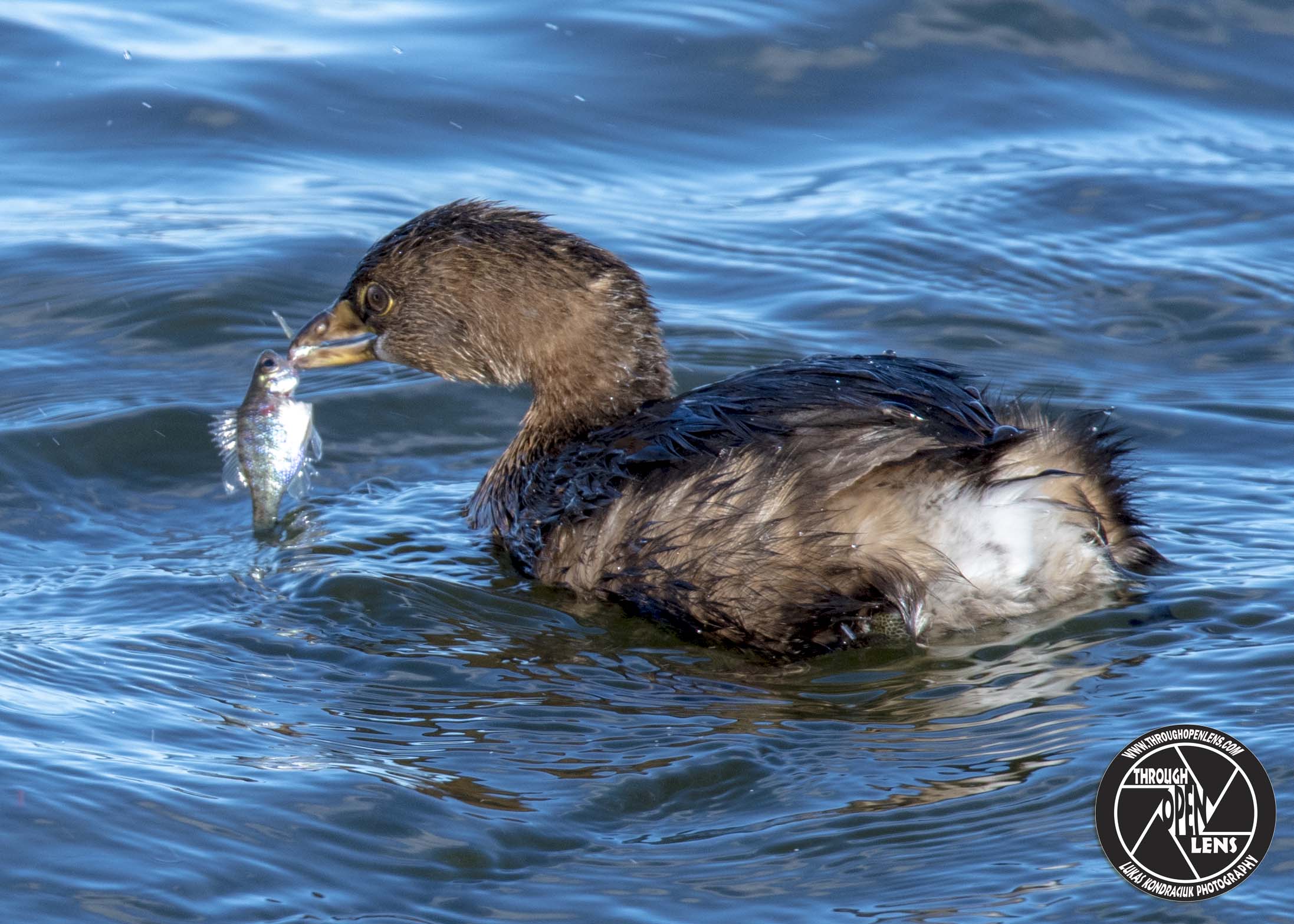
F/10.0, 1/400, ISO 320. 

Pied-Billed Grebe

What happened to the car with an engine made of wood?

It wooden go.

Interesting Fact: The Latin genus name for “grebe” means “feet at the buttocks”—an apt descriptor for these birds, whose feet are indeed located near their rear ends. This body plan, a common feature of many diving birds, helps grebes propel themselves through water. Lobed (not webbed) toes further assist with swimming. Pied-billed Grebes pay for their aquatic prowess on land, where they walk awkwardly. ( Pied-billed Grebe Overview, All About Birds, Cornell Lab of Ornithology )


I Fear Sharks So Much That I Just Sharted!

F/6.3, 1/640, ISO 7200.

Pied-Billed Grebe

Why do sharks make terrible lawyers?

They’re too nice!

Interesting Fact: Pied-billed Grebe chicks typically leave the nest the first day after hatching and spend much of their first week riding around on a parent’s back. They usually spend most of their first 3 weeks on or near the nest platform. ( https://www.allaboutbirds.org/guide/Pied-Billed_Grebe )

Hope They Have All The Permits

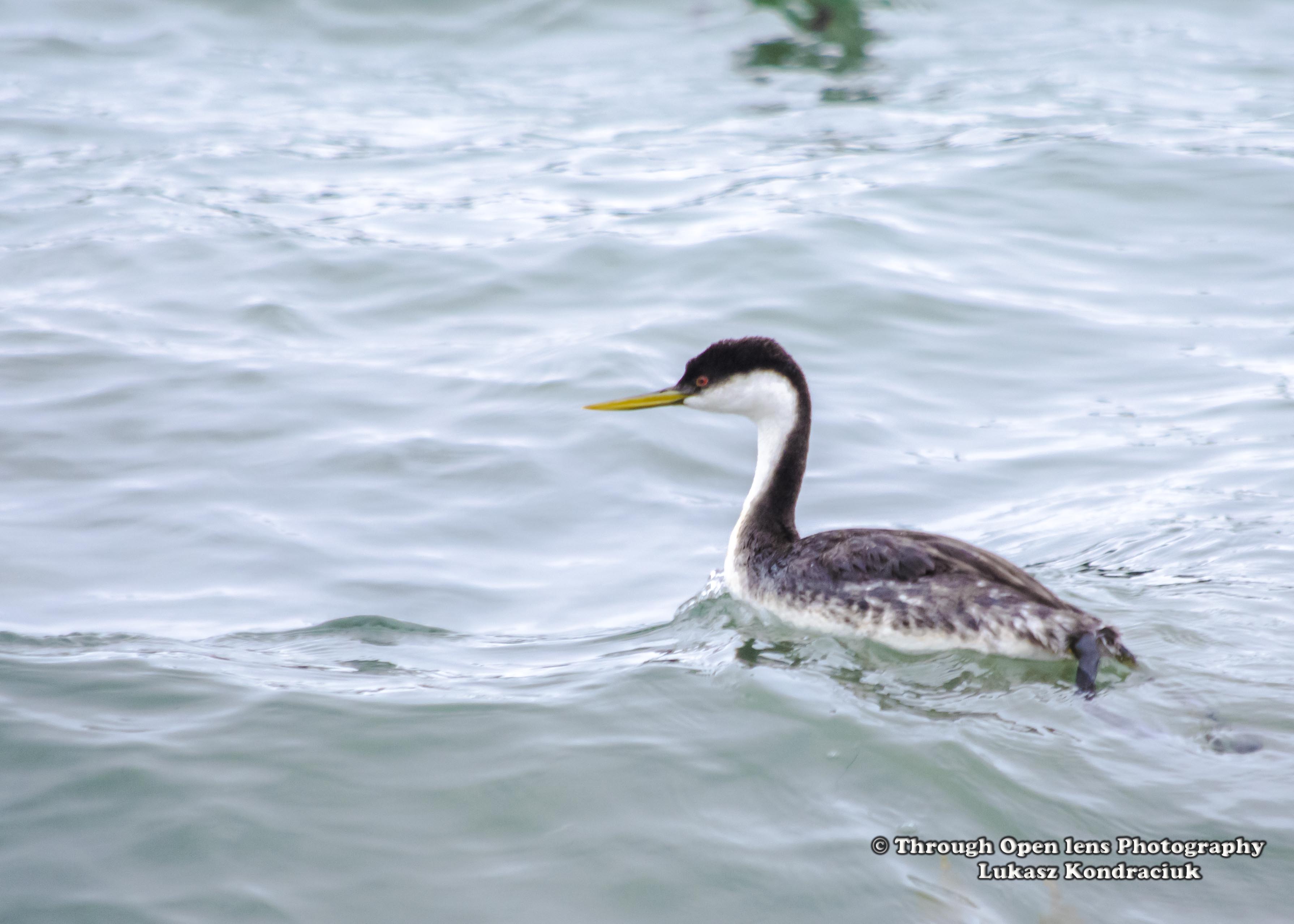
Red-Necked Grebes

F/5.6, 1/320, ISO 100.

Red-Necked Grebe

The homeowner was delighted with the way the painter had done all the work on his house.

“You did a great job.” he said and handed the man a check.

“Also, in order to thank-you, here’s an extra $80 to take the missus out to dinner and a movie.”

Later that night, the doorbell rang and it was the painter.

Thinking the painter had forgotten something the man asked, “What’s the matter, did you forget something?”

“Nope.” replied the painter. “I’m just here to take your missus out to dinner and a movie like you asked.”

Interesting Fact: Like other grebes, the Red-necked Grebe ingests large quantities of its own feathers. Feathers remain in the bird’s stomach. The function of feathers in the stomach is unknown. One hypothesis suggests that the feathers help protect the lower digestive tract from bones and other hard, indigestible material. ( https://www.allaboutbirds.org/guide/Red-necked_Grebe/lifehistory )


Swim At Your Own Risk!

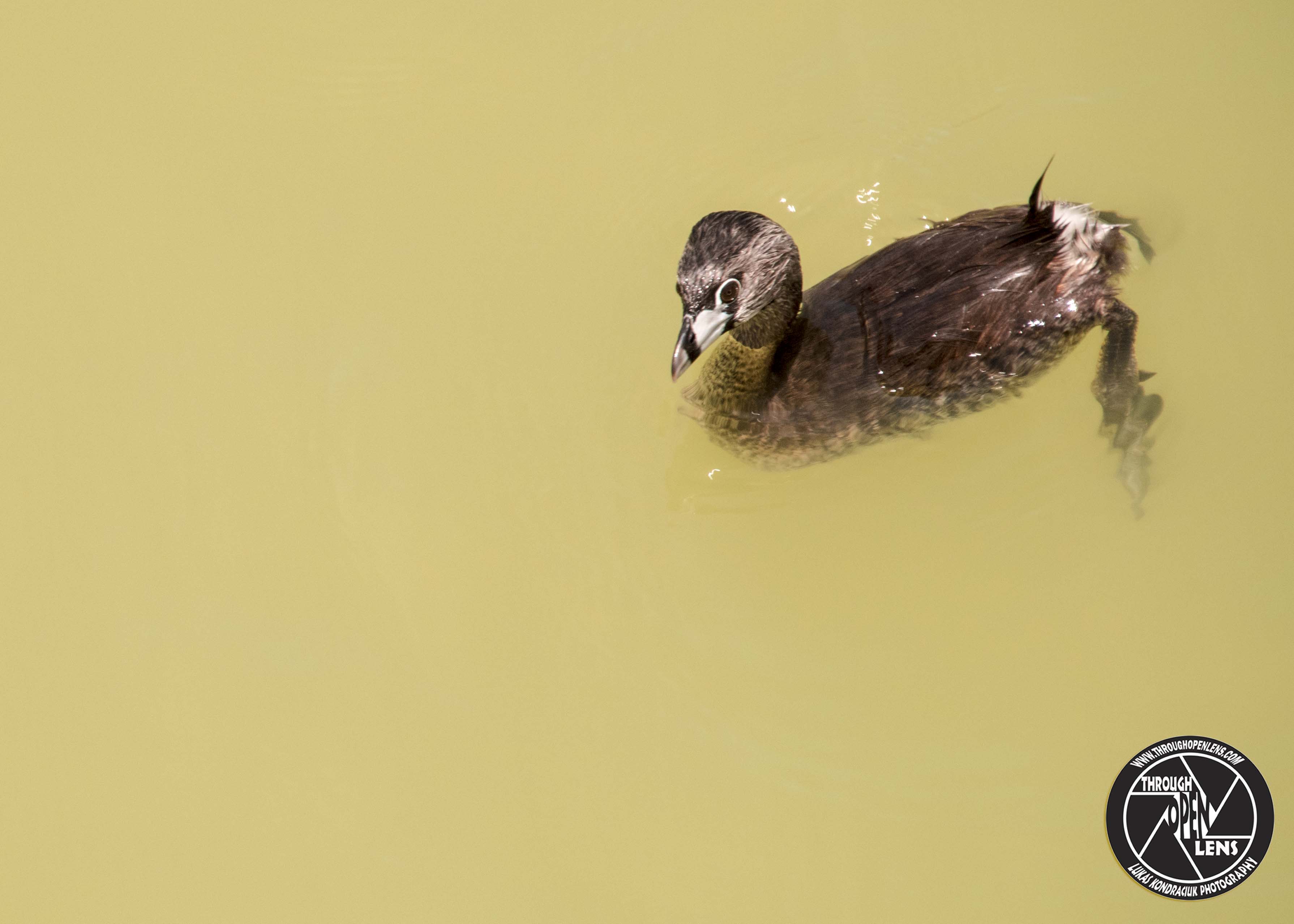
Pied-Billed Grebe Juvenile

F/6.3, 1/640, ISO 6400.

Pied-Billed Grebe ( Juvenile )

Day 286 / 365

What robs you while you’re in the bathtub?

A robber ducky.

Interesting Fact: Pied-billed Grebes can trap water in their feathers, giving them great control over their buoyancy. They can sink deeply or stay just at or below the surface, exposing as much or as little of the body as they wish. The water-trapping ability may also aid in the pursuit of prey by reducing drag in turbulent water. ( http://www.allaboutbirds.org/guide/Pied-billed_Grebe/lifehistory )

Out For A Swim!

Horned Grebe

F/6.3, 1/1000, ISO 400.

Horned Grebe

Day 123 / 365

Perfect day for a swim and dive, but not for me, the water is still too cold.     🙂

Interesting Fact: The Horned Grebe regularly eats some of its own feathers, enough that its stomach usually contains a matted plug of them. This plug may function as a filter or may hold fish bones in the stomach until they can be digested. The parents even feed feathers to their chicks to get the plug started early.  ( http://www.allaboutbirds.org/guide/Horned_Grebe/lifehistory )