Quack Pack!

Harlequin Ducks

F/10.0, 1/400, ISO 400.

Harlequin Duck  

What do you call a crate of ducks?

A box of quackers!

Interesting Fact: Also called the Sea mouse because of its very unducklike squeaks. Other names include Circus duck or painted duck for its beautiful colors. ( http://identify.whatbird.com/obj/360/overview/Harlequin_Duck.aspx )

And Now My Beak Is Stuck!

Marbled Godwit

F/5.6, 1/500, ISO 200.

Marbled Godwit

Why does it take pirates so long to learn the alphabet?

Because they spend years at C!

Interesting Fact: It often inserts its entire bill into the mud, and its head is totally submerged at times. ( http://identify.whatbird.com/obj/251/overview/Marbled_Godwit.aspx )

Don’t Stick Your Beak Where It Doesn’t Belong

Ring-billed Gull

F/9.0, 1/200, ISO 100.

Ring-billed Gull

What do you get when you cross a bird and a lawn mower?

Shredded tweet.

Interesting Fact: Many, if not most, Ring-billed Gulls return to breed at the colony where they hatched. Once they have bred, they are likely to return to the same breeding spot each year, often nesting within a few meters of the last year’s nest site. Many individuals return to the same wintering sites each winter too.  ( https://www.allaboutbirds.org/guide/Ring-billed_Gull/lifehistory )

Unless You Spread Your Wings, You’ll Never Know How High You Can Fly!

Mallard wings

F/6.3, 1/640, ISO 200.

Mallard

What says “Quick, Quick”?

A duck with the hiccups.

Interesting Fact: The standard duck’s quack is the sound of a female Mallard. Males don’t quack; they make a quieter, rasping sound. ( https://www.allaboutbirds.org/guide/Mallard/lifehistory )

I’m Blue Da Ba Dee Da Ba Die…

Blue Jay 1

F/6.3, 1/125, ISO 800.

Blue Jay

How do blue jays stay fit?

Wormups.

Interesting Fact: Thousands of Blue Jays migrate in flocks along the Great Lakes and Atlantic coasts, but much about their migration remains a mystery. Some are present throughout winter in all parts of their range. Young jays may be more likely to migrate than adults, but many adults also migrate. Some individual jays migrate south one year, stay north the next winter, and then migrate south again the next year. No one has worked out why they migrate when they do. ( https://www.allaboutbirds.org/guide/Blue_Jay/lifehistory )

I Want To Twirl!

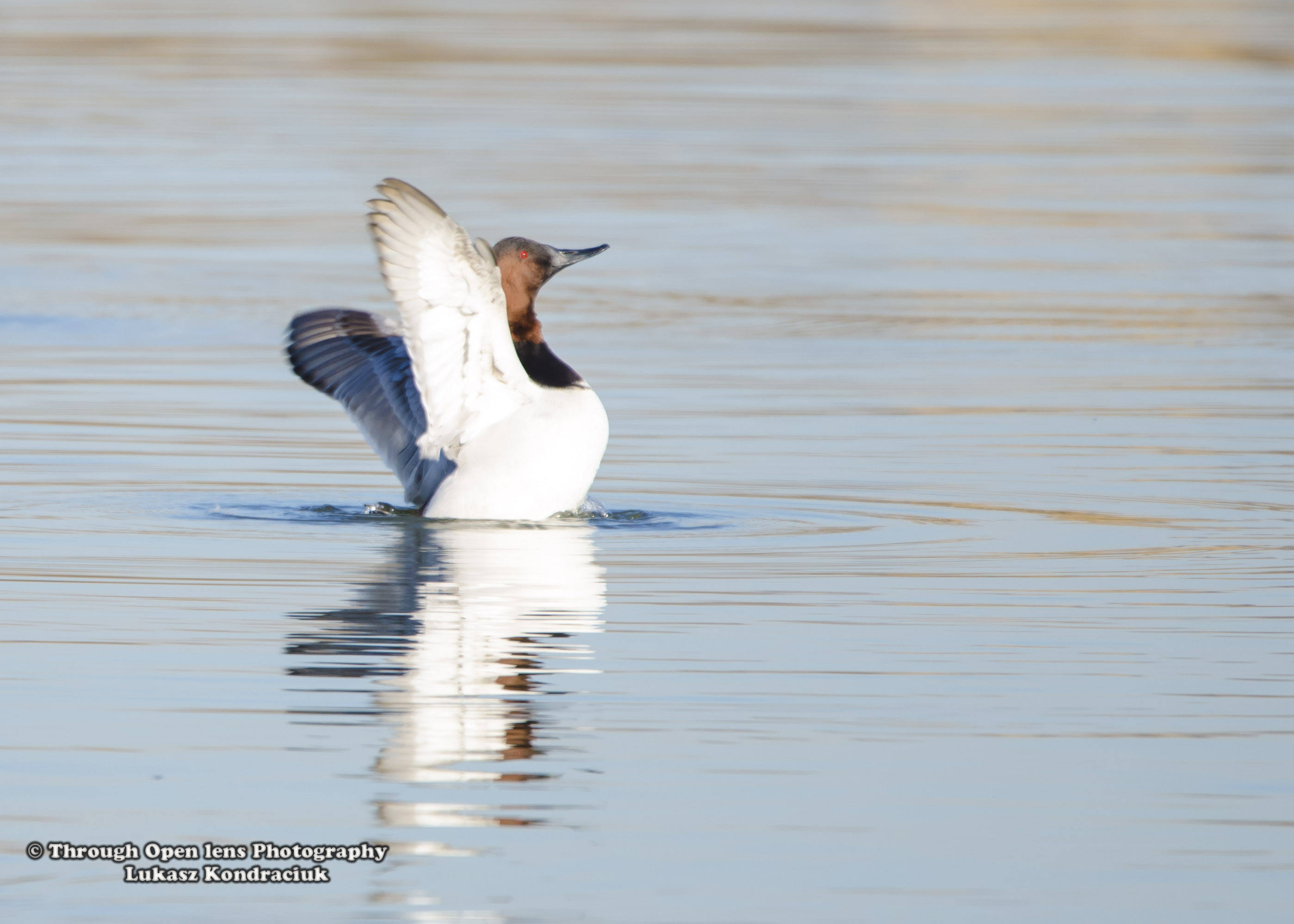
Canvasback duck

F/6.3, 1/500, ISO 200.

Canvasback

Chickens rise when the rooster crows, but when do ducks get up?

At the quack of dawn!

Interesting Fact: The Canvasback is a very good flier and can reach speeds of up to 70 mph. ( http://identify.whatbird.com/obj/100/overview/Canvasback.aspx )


Simon Says Look Up!!

American Robin

F/6.0, 1/500, ISO 220.

American Robin

What happened when Batman and Robin got run over by a steamroller?

They became Flatman and Ribbon!


Interesting Fact: Robin roosts can be huge, sometimes including a quarter-million birds during winter. In summer, females sleep at their nests and males gather at roosts. As young robins become independent, they join the males. Female adults go to the roosts only after they have finished nesting. ( https://www.allaboutbirds.org/guide/American_Robin/lifehistory )

Double Vision

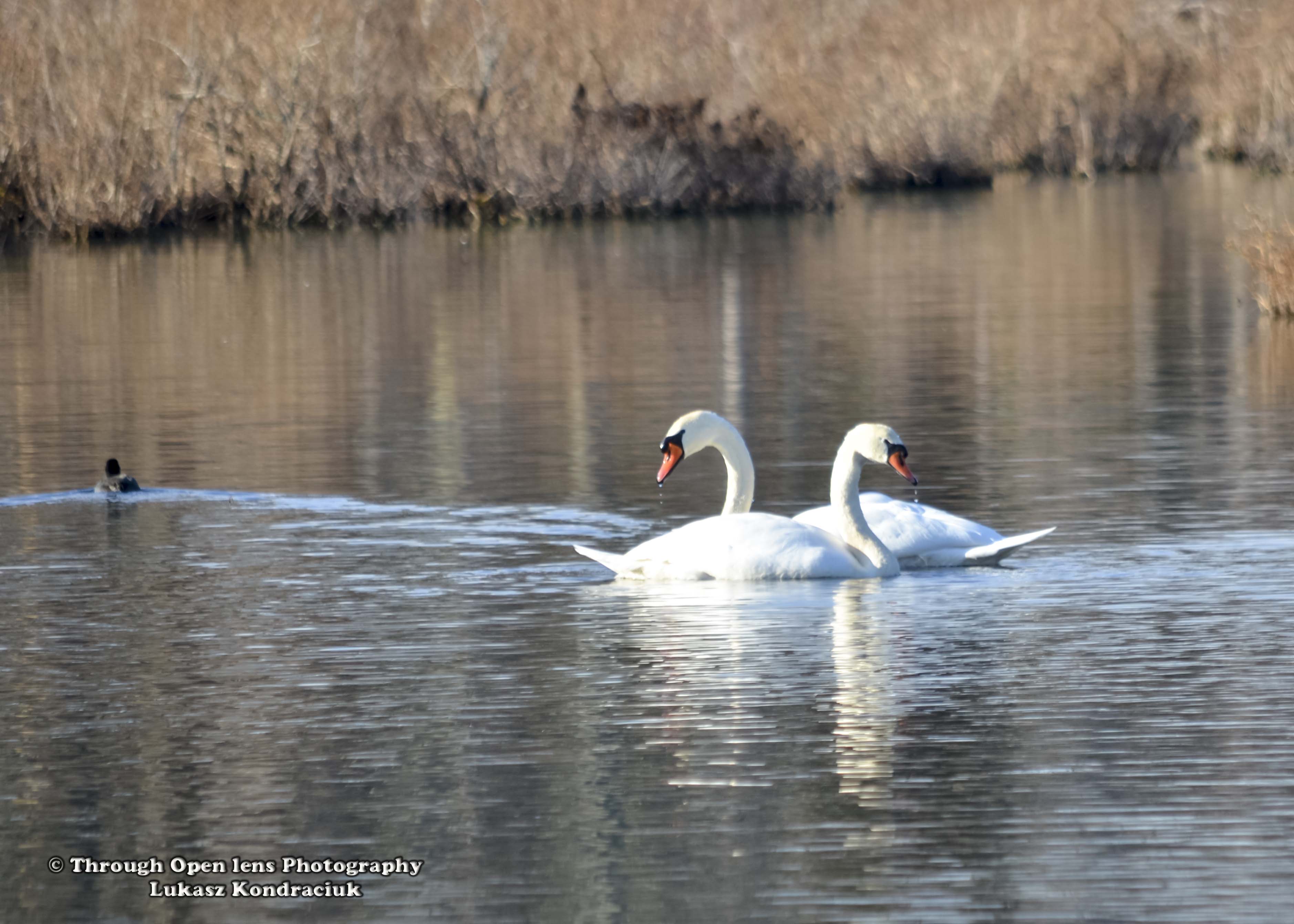
Swans

F/5.6, 1/500, ISO 200.

Mute Swans

How do you keep a chicken in suspense?

I’ll tell you later.

Interesting Fact: Give plenty of space to nesting Mute Swans. They can be extremely aggressive and frequently attack canoeists, kayakers, and pedestrians who wander too close to a nest or chicks. ( https://www.allaboutbirds.org/guide/Mute_Swan/lifehistory )

Do I Look Like I Have An Eye Of The Tiger?!

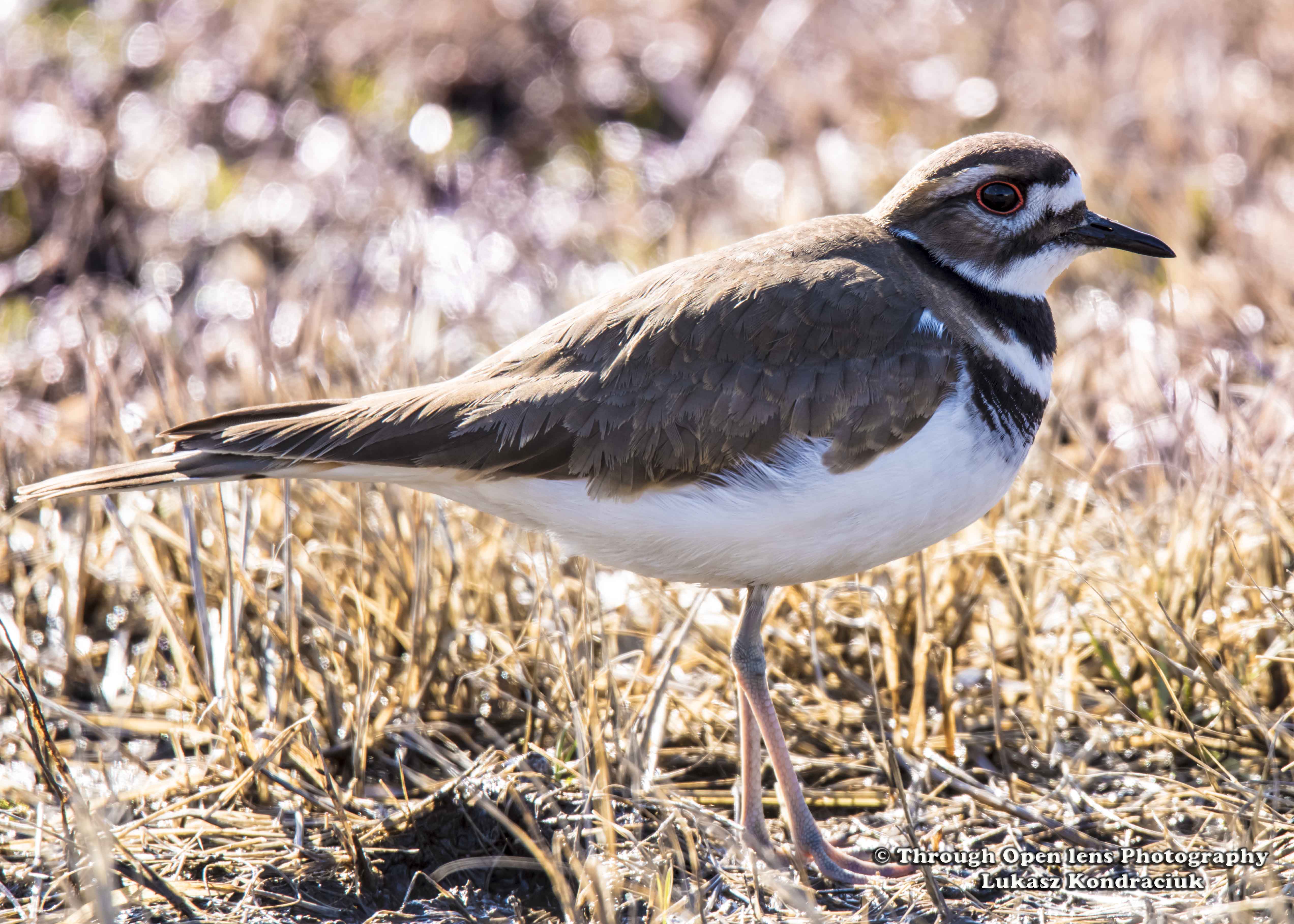
Killdeer

F/9.0, 1/320, ISO 320.

Killdeer

What did the right eye say to the left eye?

Between you and me, there’s something that smells…

Interesting Fact: A well-known denizen of dry habitats, the Killdeer is actually a proficient swimmer. Adults swim well in swift-flowing water, and chicks can swim across small streams. ( https://www.allaboutbirds.org/guide/Killdeer/lifehistory )

Wazzaap! Through Open Lens Turns 2 Today!

It has been two years since my first post and what a great two years it has been!  Thank You everyone for your support and I hope to continue entertaining you all throughout many years to come.

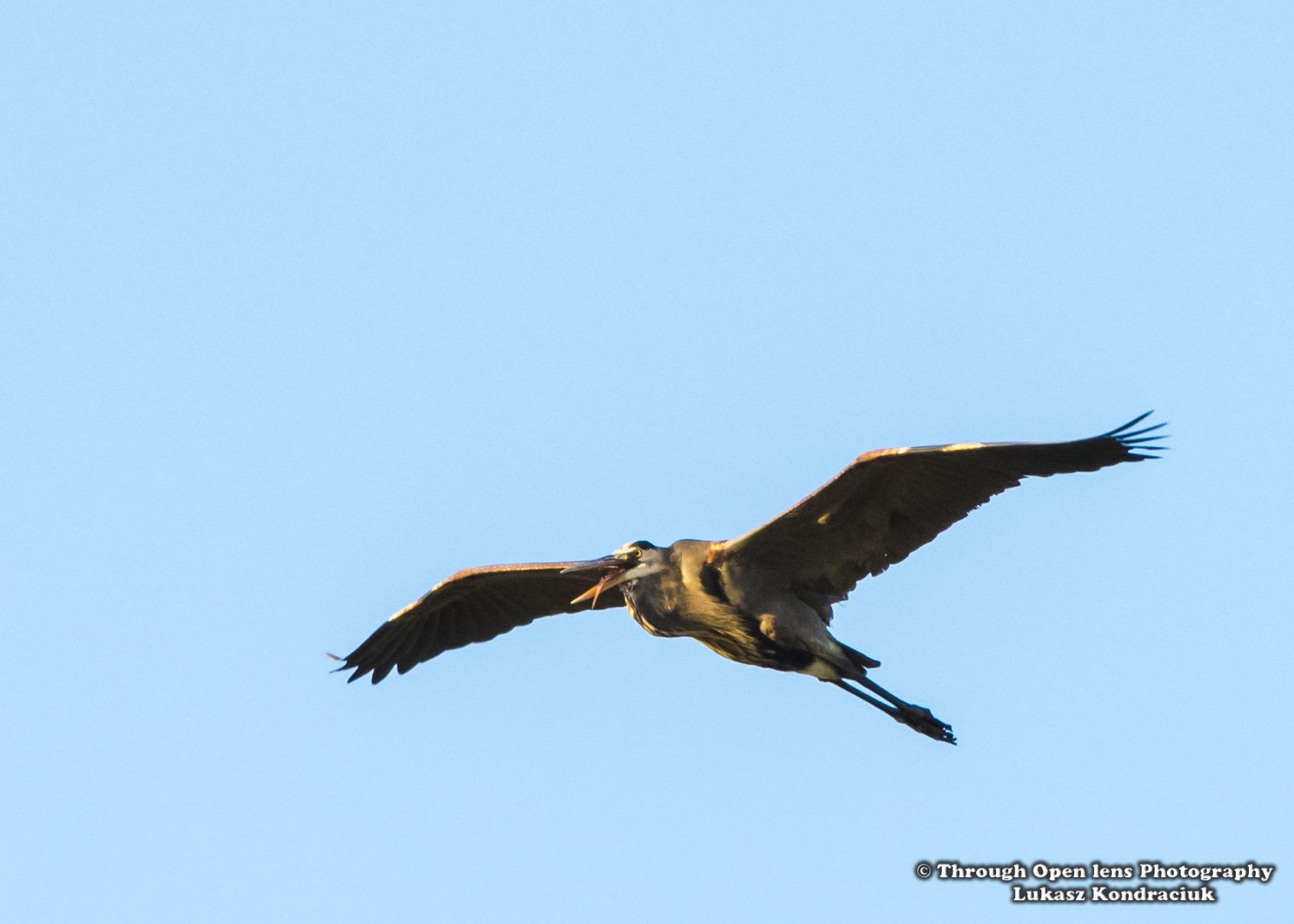
Great Blue Heron Wazzaap!

F/11.0, 1/500, ISO 640.

Great Blue Heron

A man is boasting to his buddies that he is taking his wife to Rome for their 40th wedding anniversary.
“What will you do for your 50th?” one of them asks.
“I’ll go and get her.”

Interesting Fact: Thanks to specially shaped neck vertebrae, Great Blue Herons can quickly strike prey at a distance.  ( https://www.allaboutbirds.org/guide/Great_Blue_Heron/lifehistory )