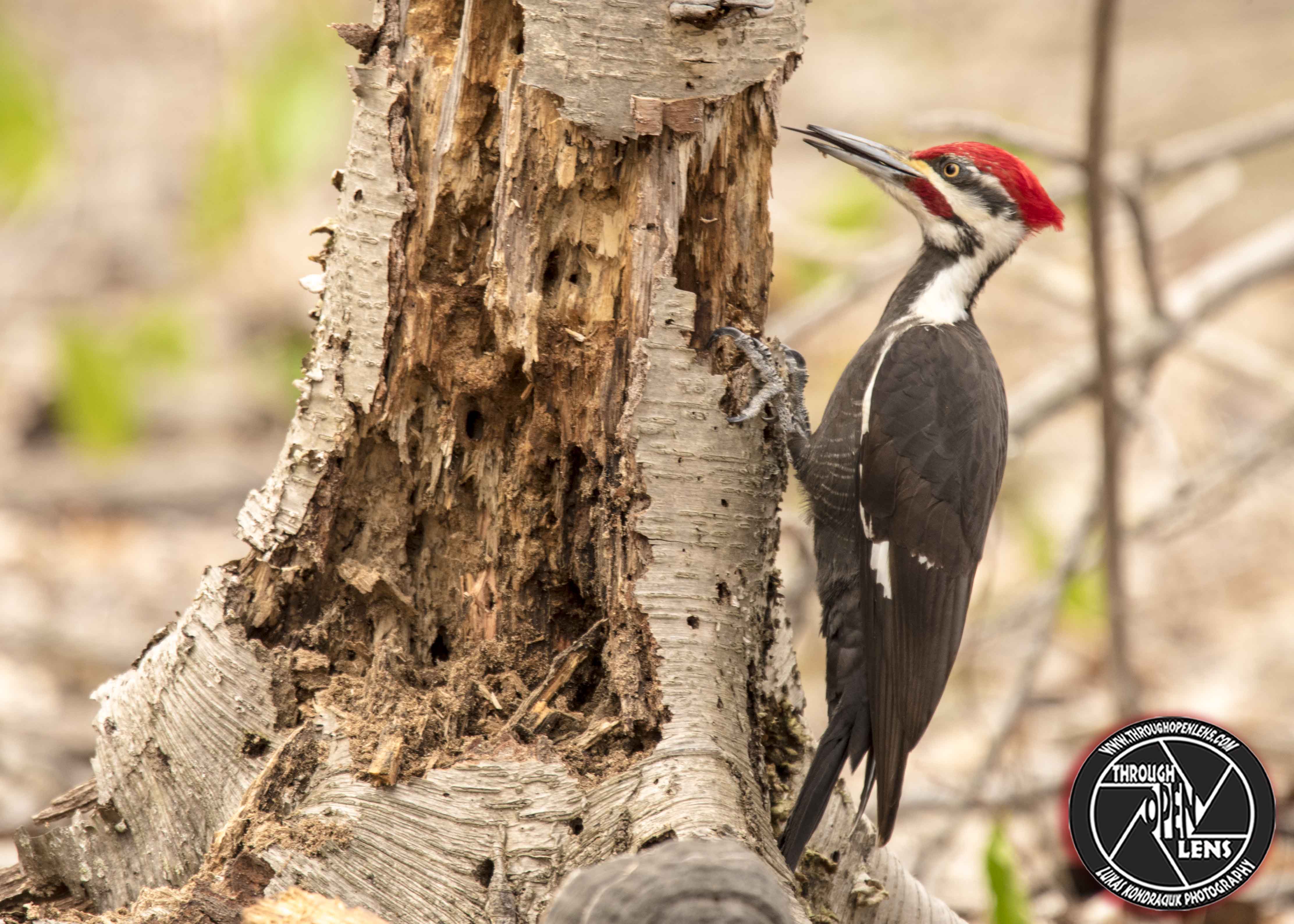
This Tree Taste Really Weird To Me?!

F/6.3, 1/160, ISO 320.

Pileated Woodpecker

Why did the belt go to jail?

Because it held up a pair of pants!

Interesting Fact: The Pileated Woodpecker digs characteristically rectangular holes in trees to find ants. These excavations can be so broad and deep that they can cause small trees to break in half. ( https://www.allaboutbirds.org/guide/Pileated_Woodpecker/lifehistory )
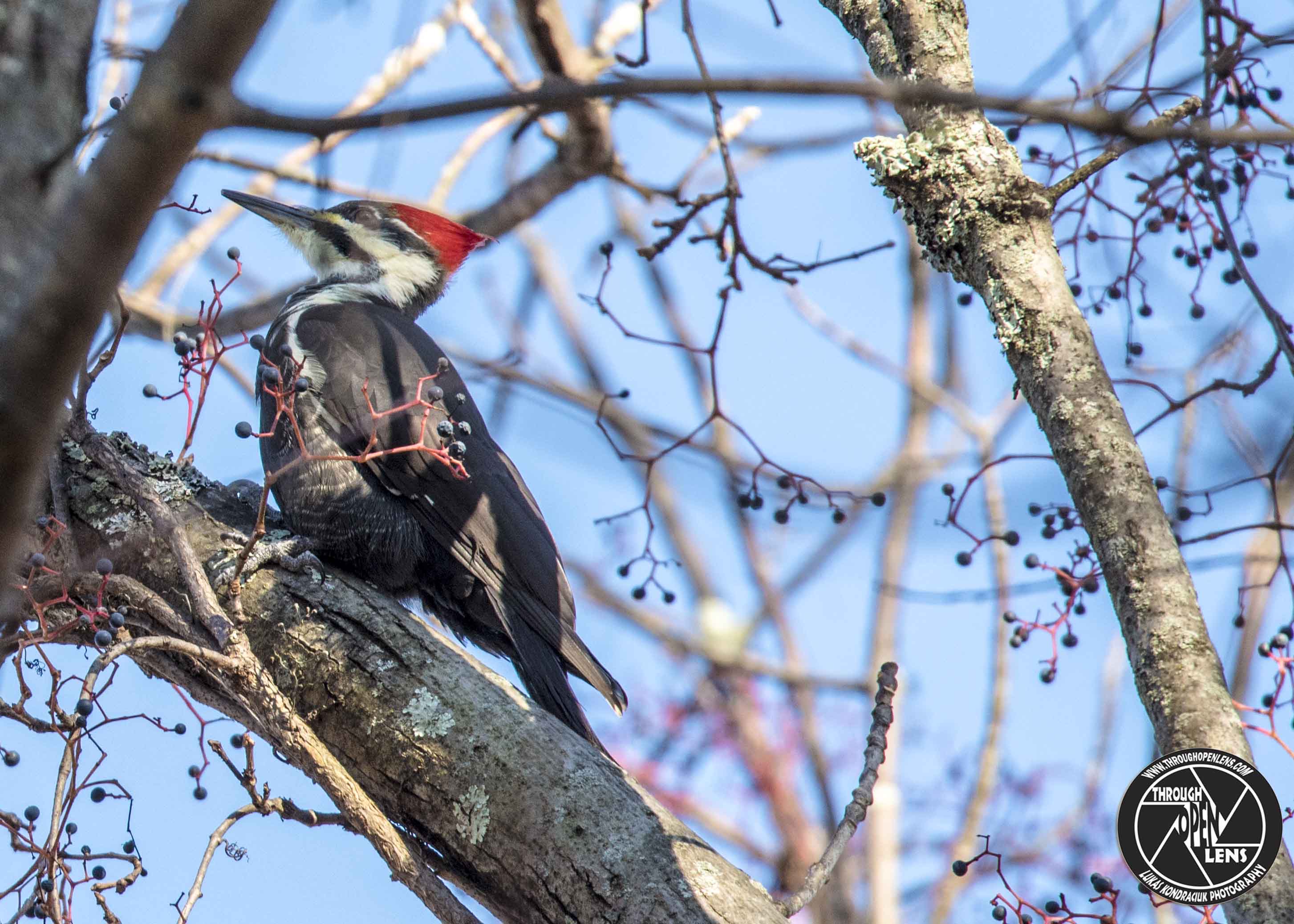
Peck Like There Is No Tomorrow!

F/9.0, 1/320, ISO 400.

Pileated Woodpecker 

Why do mummies make great spies?

They’re good at keeping things under wraps.

Interesting Fact: Pileated Woodpeckers forage in large, dead wood—standing dead trees, stumps, or logs lying on the forest floor. They make impressive rectangular excavations that can be a foot or more long and go deep inside the wood. These holes pursue the tunnels of carpenter ants, the woodpecker’s primary food. The birds also use their long, barbed tongues to extract woodboring beetle larvae (which can be more than an inch long) or termites lying deep in the wood. ( https://www.allaboutbirds.org/guide/Pileated_Woodpecker/lifehistory )

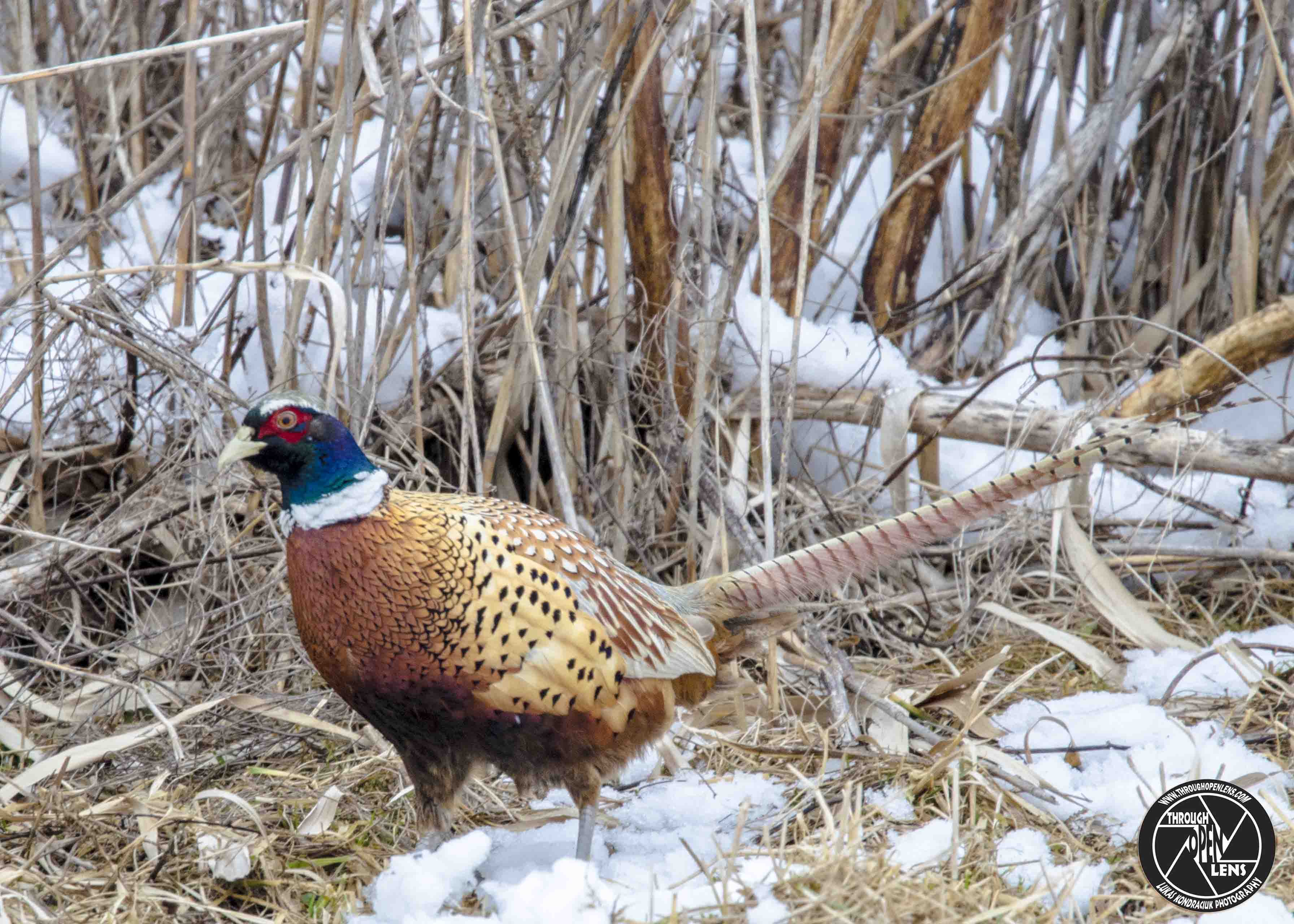
You Are Full Of It!

F/6.3, 1/250, ISO 1600.

Ring-Necked Pheasant

How do snowmen get around?

They ride an icicle!

Interesting Fact: Male Ring-necked Pheasants may harass other ground-nesting birds, such as the Gray Partridge and the Greater Prairie-Chicken. Female pheasants sometimes lay their own eggs in these birds’ nests. This may explain why some male pheasants have been seen chasing away male prairie-chickens and courting females—the pheasants may have been raised in prairie-chicken nests and imprinted on the wrong species. ( https://www.allaboutbirds.org/guide/Ring-necked_Pheasant# )