Not In A Tweeting Mood!

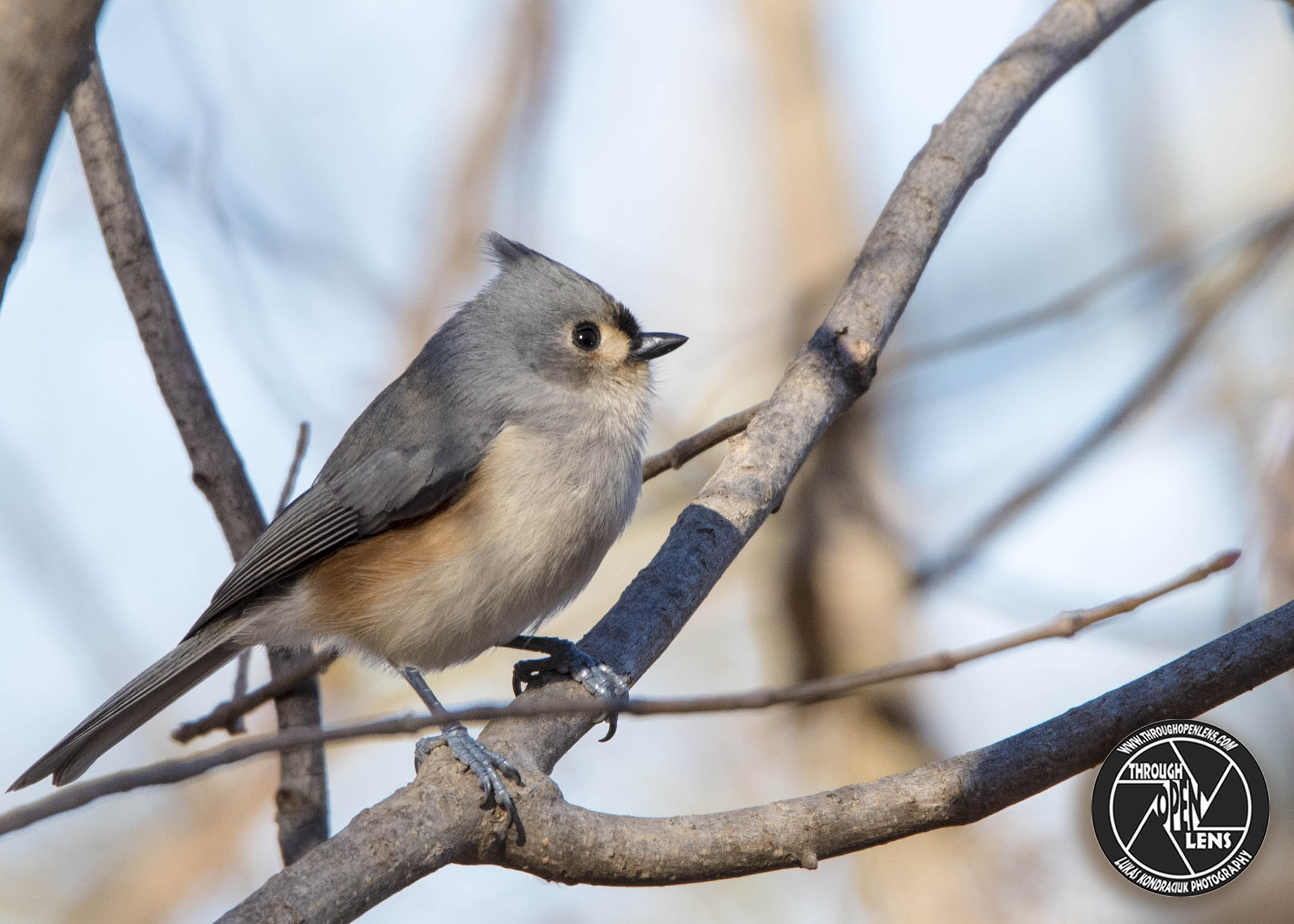
tufted-titmouse-3

F/10.0, 1/400, ISO 400.

Tufted Titmouse

Why did the storm trooper buy an iphone?

He couldn’t find the Droid he was looking for.

Interesting Fact: Tufted Titmice often line the inner cup of their nest with hair, sometimes plucked directly from living animals. The list of hair types identified from old nests includes raccoons, opossums, mice, woodchucks, squirrels, rabbits, livestock, pets, and even humans. ( https://www.allaboutbirds.org/guide/Tufted_Titmouse/lifehistory )


I Came In Like A Wrecking Ball!

F/6.3, 1/500, ISO 400.

Black capped Chickadee 

Can your mother predict the future with cards?

Yes! She takes one look at my report card and tells me what will happen when my father gets home.

Interesting Fact: Chickadees are active, acrobatic, curious, social birds that live in flocks, often associating with woodpeckers, nuthatches, warblers, vireos, and other small woodland species. They feed on insects and seeds, but seldom perch within several feet of one another while taking food or eating. Flocks have many calls with specific meanings, and they may contain some of the characteristics of human language. ( https://www.allaboutbirds.org/guide/Black-capped_Chickadee/lifehistory )

Branch Manager

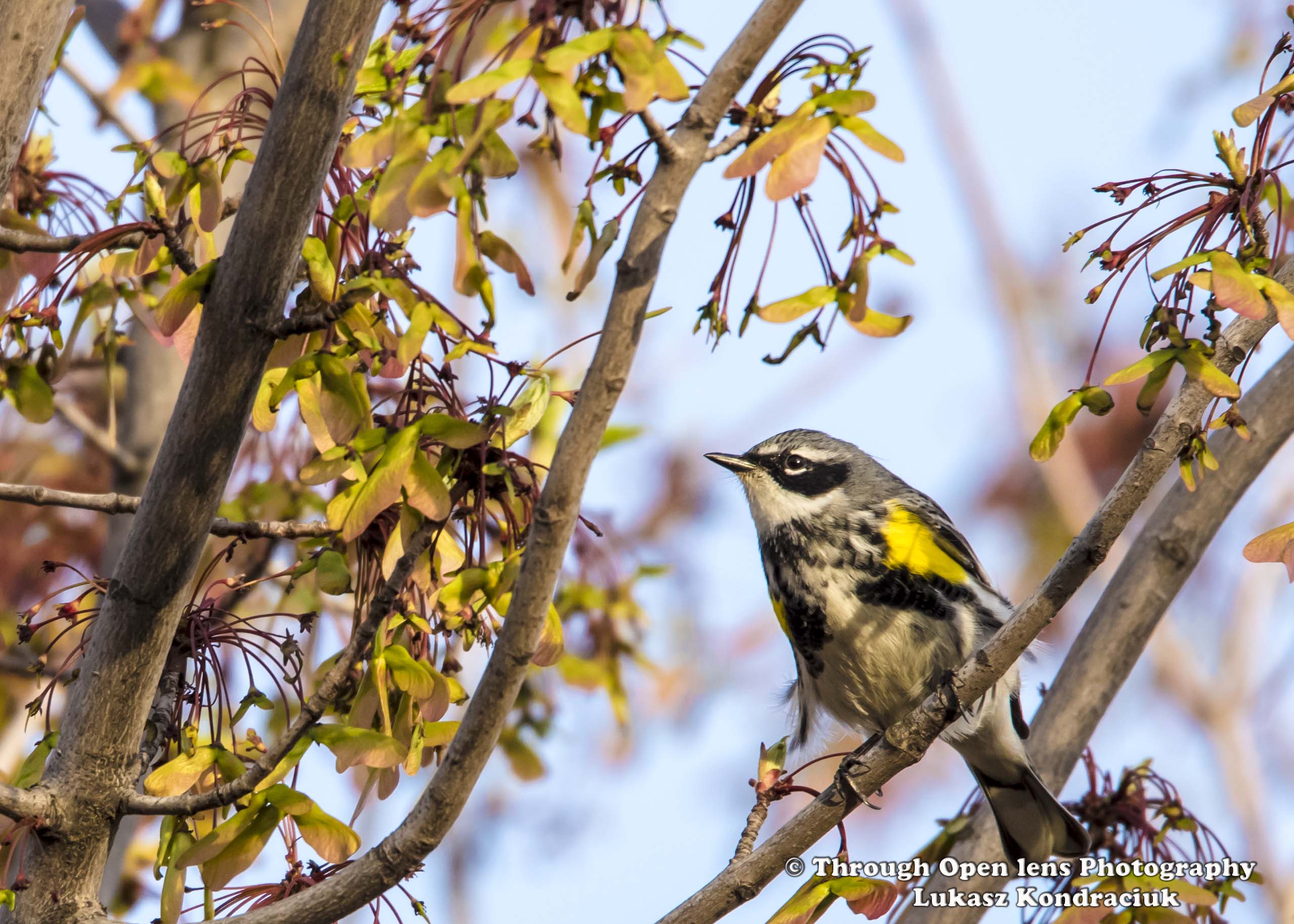
yellow-rumped-warbler

F/9.0, 1/320, ISO 500.

Yellow-Rumped Warbler

What did the tree do when the bank closed?

It started its own branch.

Interesting Fact: Male Yellow-rumped Warblers tend to forage higher in trees than females do. ( https://www.allaboutbirds.org/guide/Yellow-rumped_Warbler/lifehistory )


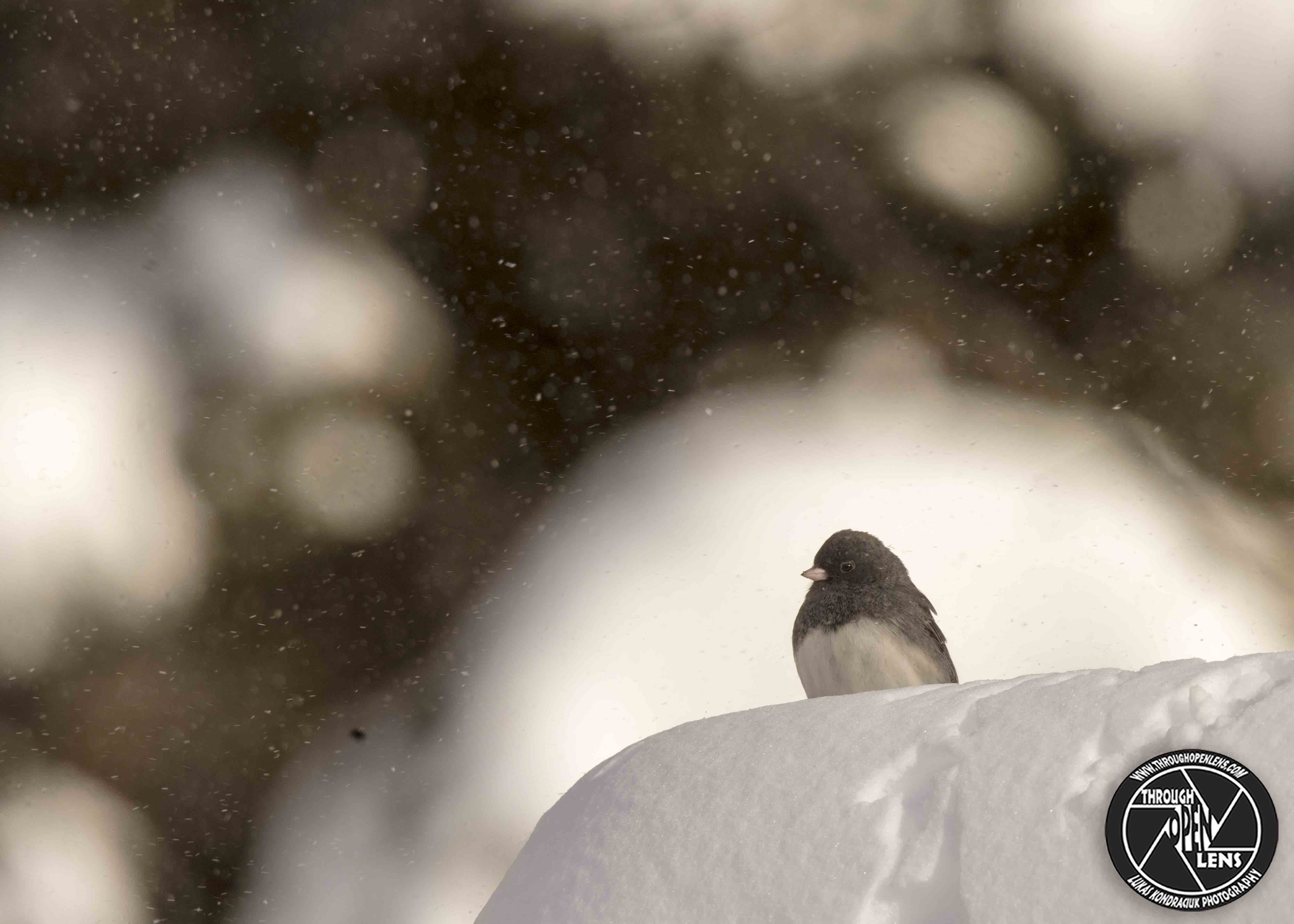
Cold Doesn’t Bother Me Anyway.

F/6.3, 1/160, ISO 320.

Dark-eyed Junco 

What do ghosts serve for dessert?

I Scream.

Interesting Fact: The female chooses the nest site, typically in a depression or niche on sloping ground, rock face, or amid the tangled roots of an upturned tree. Around people, juncos may nest in or underneath buildings. Occasionally, juncos nest above the ground on horizontal branches (rarely as high as 45 feet), window ledges, and in hanging flower pots or light fixtures. ( https://www.allaboutbirds.org/guide/Dark-eyed_Junco/lifehistory )


Let It Snow!

F/10.0, 1/800, ISO 250.

Dark-eyed Junco

What do you call an old snowman?

Water!

Interesting Fact: The oldest recorded Dark-eyed Junco was at least 11 years, 4 months old when it was recaptured and rereleased during banding operations in West Virginia in 2001. It had been banded in the same state in 1991. ( https://www.allaboutbirds.org/guide/Dark-eyed_Junco/lifehistory )

A Bird Does Not Sing Becauces It Has An Answer. It Sings Because It Has A Song.

F/6.3, 1/100, ISO 320.

Tufted Titmouse

What is the snowman’s breakfast?…

Frosted flakes!

Interesting Fact: The Black-crested Titmouse of Texas and Mexico has at times been considered just a form of the Tufted Titmouse. The two species hybridize where they meet, but the hybrid zone is narrow and stable over time. They differ slightly in the quality of their calls, and show genetic differences as well. ( https://www.allaboutbirds.org/guide/Tufted_Titmouse/lifehistory )

Stop, Don’t Move!

black-capped-chickadee

F/9.0, 1/320, ISO 400.

Black-Capped Chickadee

Did you hear about the actor who fell through the floorboards?

He was just going through a stage.

Interesting Fact: Every autumn Black-capped Chickadees allow brain neurons containing old information to die, replacing them with new neurons so they can adapt to changes in their social flocks and environment even with their tiny brains. ( https://www.allaboutbirds.org/guide/Black-capped_Chickadee/lifehistory )

A Little Birdie Told Me…

Chipping Sparrow

F/7.1, 1/200, ISO 500.

Chipping Sparrow 

Bacon and eggs walk into a bar and order a beer, the bartender says sorry, we don’t serve breakfast.

Interesting Fact: Chipping Sparrows typically build their nests low in a shrub or tree, but every once in a while they get creative. People have found their nests among hanging strands of chili peppers, on an old-fashioned mower inside a tool shed, and on a hanging basket filled with moss. ( https://www.allaboutbirds.org/guide/Chipping_Sparrow/lifehistory )

You Can’t See Me I’m Camouflage!

Yellow-Rumped Warbler

F/9.0, 1/320, ISO 400.

Yellow-Rumped Warbler

A magician was working on a cruise ship in the Caribbean.
The audience would be different each week, so the magician
allowed himself to do the same tricks over and over again.
There was only one problem:  The captain’s parrot saw the
shows each week and began to understand how the magician did
every trick.  Once he understood he started shouting in the
middle of the show:
“Look, it’s not the same hat”
“Look, he is hiding the flowers under the table”
“Hey, why are all the cards the Ace of Spades ?”
The magician was furious but couldn’t do anything, it was,
after all, the captain’s parrot.
One day the ship had an accident and sank.  The magician
found himself on a piece of wood in the middle of the ocean
with the parrot, of course.  They stared at each other with
hate, but did not utter a word.
This went on for a day and another and another.
After a week the parrot said:  “OK, I give up.  Where’s
the boat?”

Interesting Fact: The Yellow-rumped Warbler is the only warbler able to digest the waxes found in bayberries and wax myrtles. Its ability to use these fruits allows it to winter farther north than other warblers, sometimes as far north as Newfoundland.  ( https://www.allaboutbirds.org/guide/Yellow-rumped_Warbler/lifehistory )

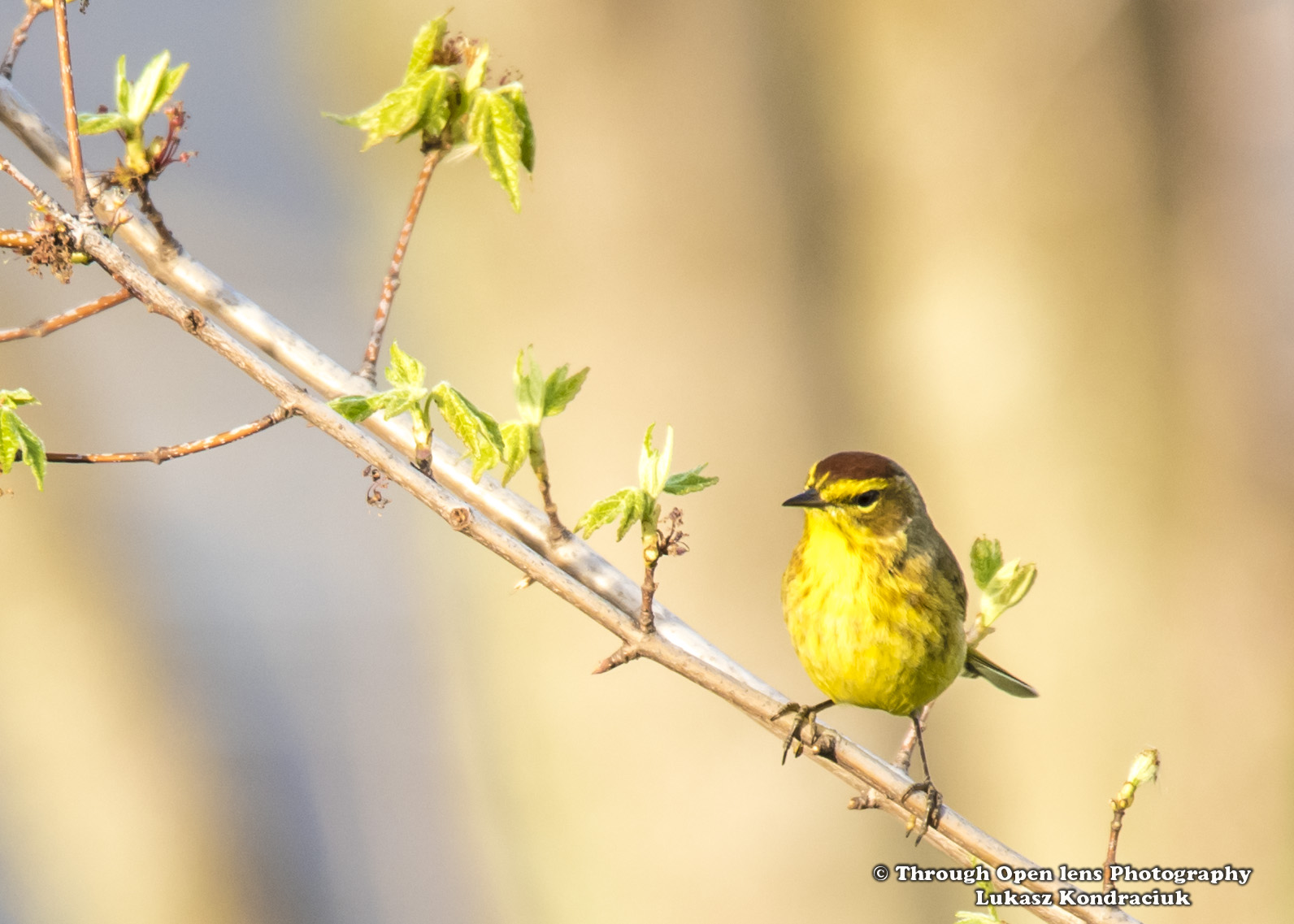
Yellow Means Slow Down And Watch Me

Palm Warbler

F/8.0, 1/200, ISO 320.

Palm Warbler

A male and a female pigeon made a date to meet on a ledge outside
the 14th floor of the Chrysler Building.  The male was there on time,
but the female arrived an hour late.
“Where were you?” he cried.  “I was worried sick.”
“It was such a nice day,” she explained, “I decided to walk.”

Interesting Fact: The Palm Warbler is found in two different forms. Birds that breed in the western part of the range are duller, and have whitish bellies. Those breeding in the eastern part of the range are entirely yellow underneath. ( https://www.allaboutbirds.org/guide/Palm_Warbler/lifehistory )