Unless You Spread Your Wings, You’ll Never Know How High You Can Fly!

Mallard wings

F/6.3, 1/640, ISO 200.

Mallard

What says “Quick, Quick”?

A duck with the hiccups.

Interesting Fact: The standard duck’s quack is the sound of a female Mallard. Males don’t quack; they make a quieter, rasping sound. ( https://www.allaboutbirds.org/guide/Mallard/lifehistory )

I Want To Twirl!

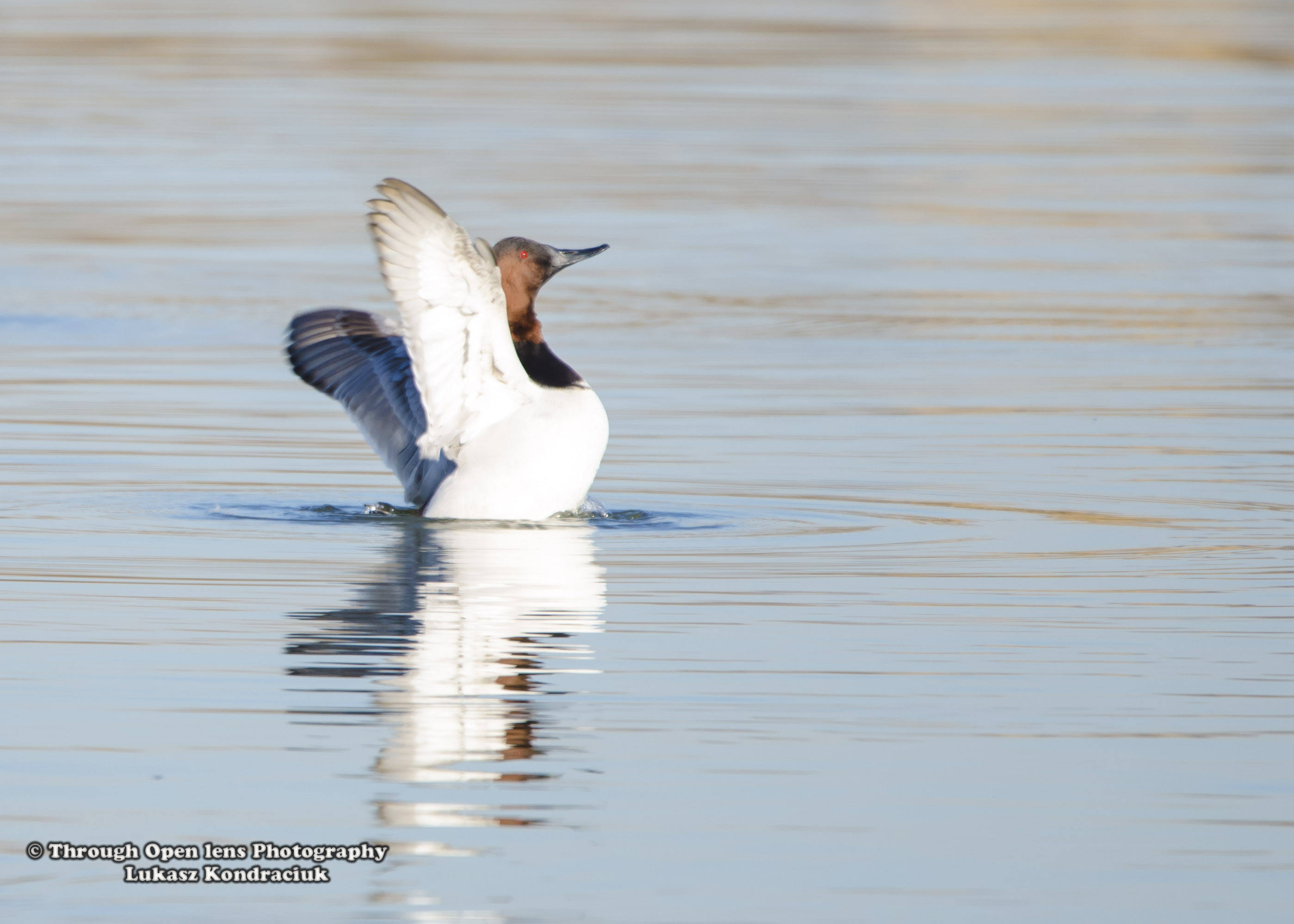
Canvasback duck

F/6.3, 1/500, ISO 200.

Canvasback

Chickens rise when the rooster crows, but when do ducks get up?

At the quack of dawn!

Interesting Fact: The Canvasback is a very good flier and can reach speeds of up to 70 mph. ( http://identify.whatbird.com/obj/100/overview/Canvasback.aspx )


Double Vision

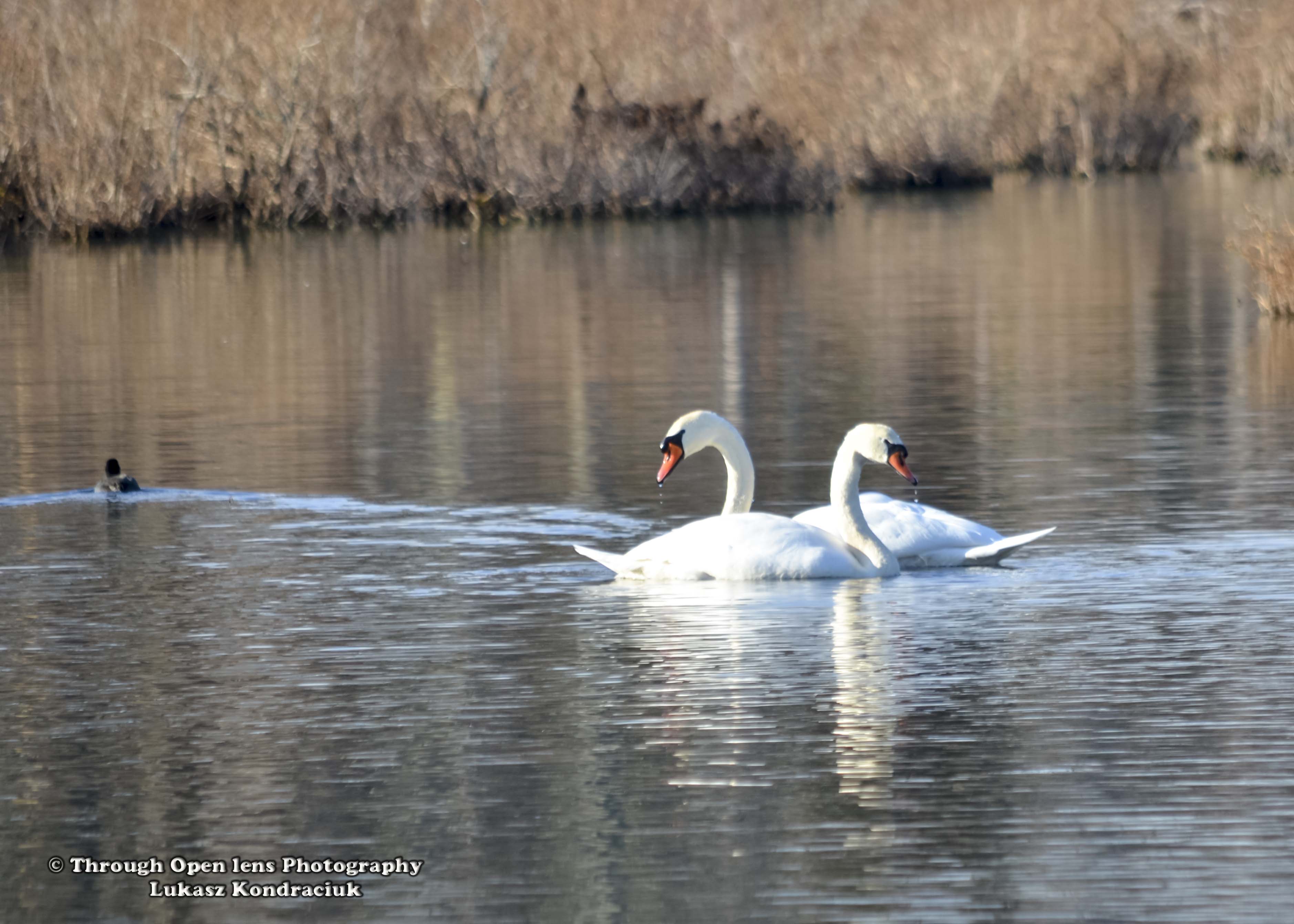
Swans

F/5.6, 1/500, ISO 200.

Mute Swans

How do you keep a chicken in suspense?

I’ll tell you later.

Interesting Fact: Give plenty of space to nesting Mute Swans. They can be extremely aggressive and frequently attack canoeists, kayakers, and pedestrians who wander too close to a nest or chicks. ( https://www.allaboutbirds.org/guide/Mute_Swan/lifehistory )

Quack Off!!!

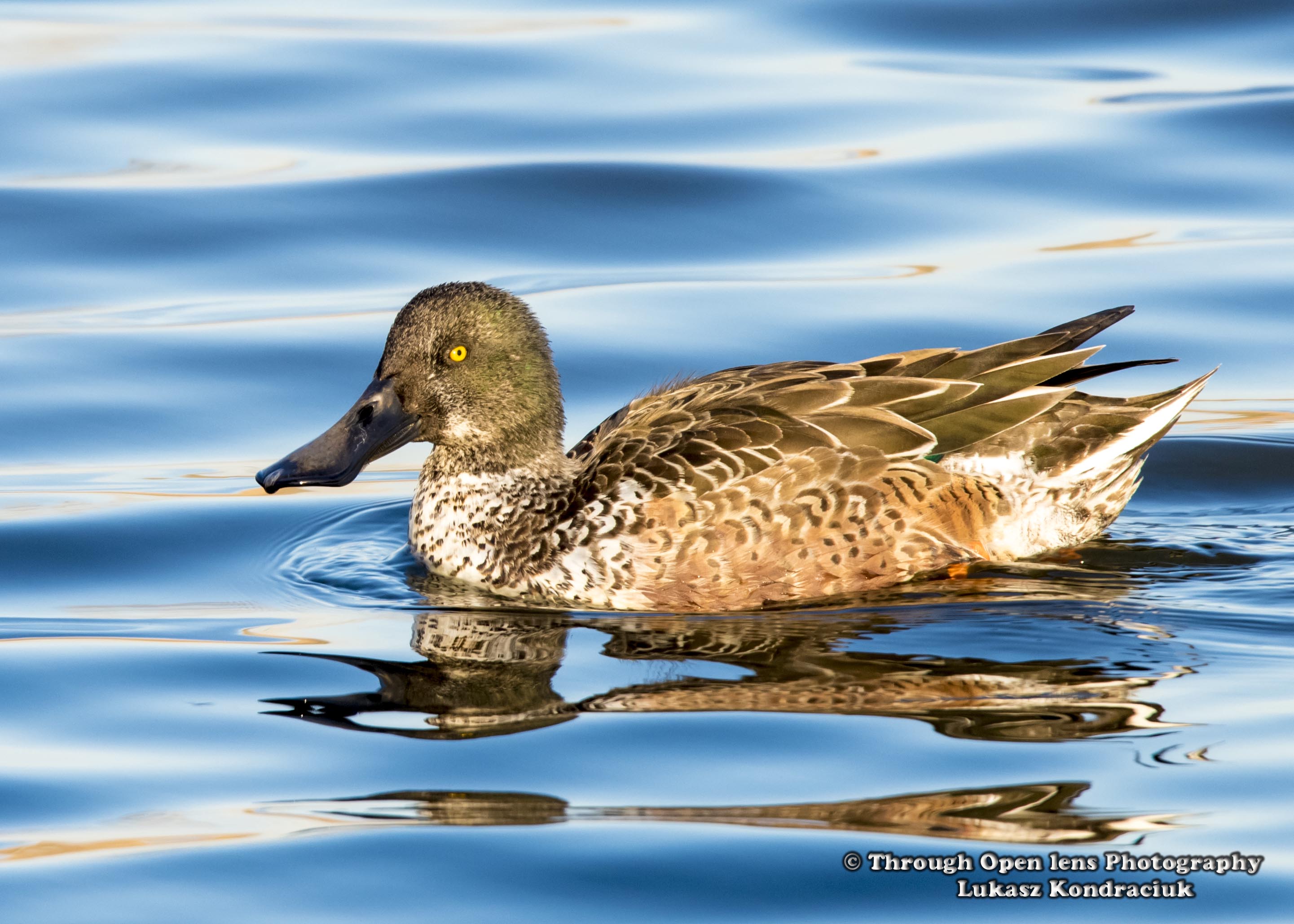
Northern Shoveler

F/10.0, 1/400, ISO 400.

Northern Shoveler

What do you get when a duck bends over?

It’s Buttquack

Interesting Fact: When flushed off the nest, a female Northern Shoveler often defecates on its eggs, apparently to deter predators. ( https://www.allaboutbirds.org/guide/Northern_Shoveler/lifehistory )

That Water Is Freezing I Am Not Going In!

Black-Crowned Night-Heron

F/9.0, 1/1250, ISO 800.

Black-Crowned Night-Heron

What do you get if you cross a parrot with a shark?

A bird that will talk you ear off!

Interesting Fact: A breeding Black-crowned Night-Heron will brood any chick that is placed in its nest. The herons apparently don’t distinguish between their own offspring and nestlings from other parents. ( https://www.allaboutbirds.org/guide/Black-crowned_Night-Heron/lifehistory )

The Mighty Duck!

Hooded Merganser

F/6.3, 1/200, ISO 1600.

Hooded Merganser

What did the duck carry his schoolbooks in?

His Quackpack!

Interesting Fact: Hooded Merganser ducklings leave their nest cavity within 24 hours of hatching. First, their mother checks the area around the nest and calls to the nestlings from ground level. From inside the nest, the little fluffballs scramble up to the entrance hole and then flutter to the ground, which may be 50 feet or more below them. In some cases they have to walk half a mile or more with their mother to the nearest body of water. ( https://www.allaboutbirds.org/guide/Hooded_Merganser/lifehistory )


I Will Wait For You!

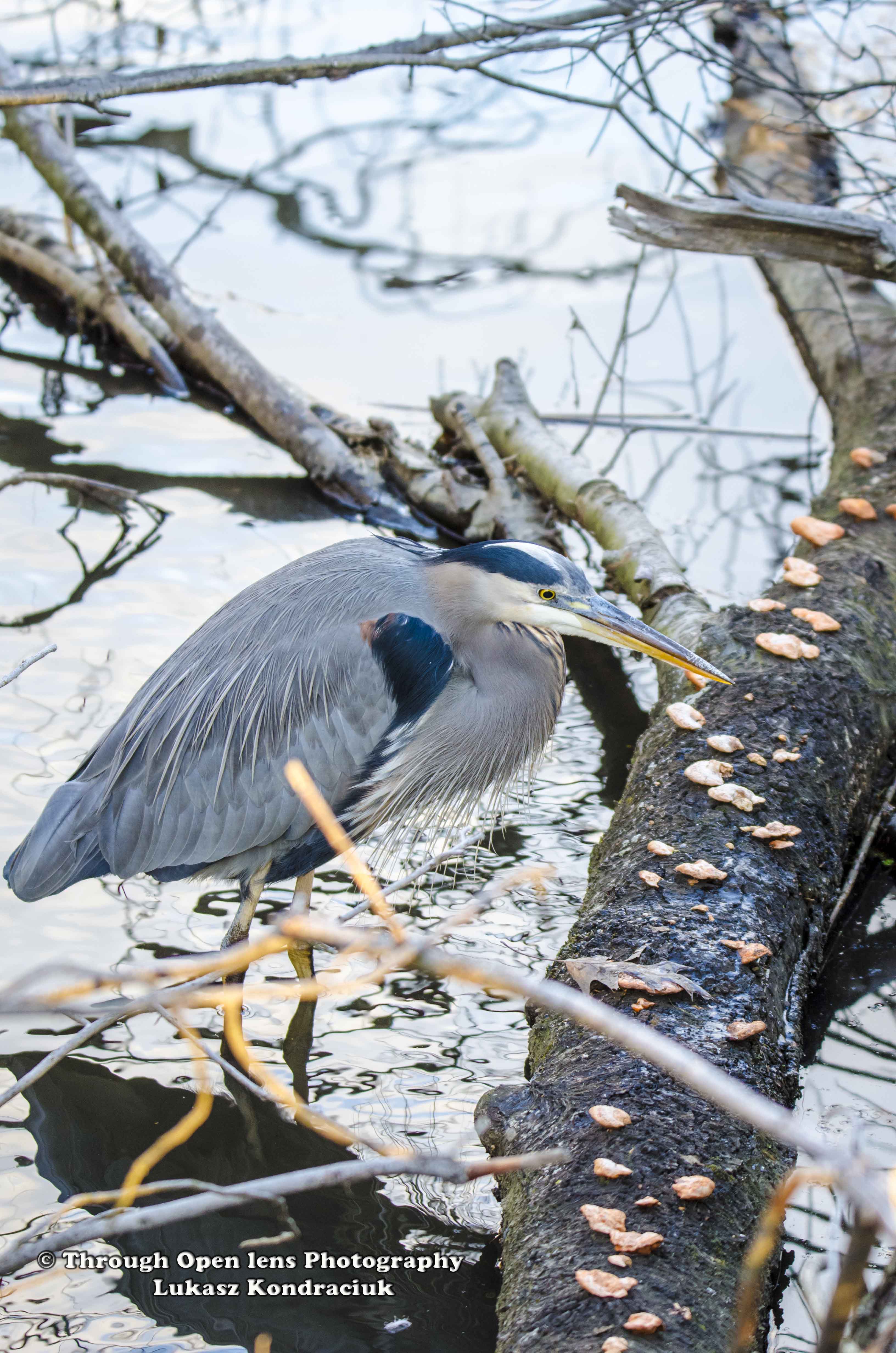
Great Blue Heron 1

F/ 5.0, 1/125, ISO 800.

Great Blue Heron

Why did the chicken cross the road half way?

He wanted to lay it on the line!

Interesting Fact:  Despite their impressive size, Great Blue Herons weigh only 5 to 6 pounds thanks in part to their hollow bones—a feature all birds share. ( https://www.allaboutbirds.org/guide/Great_Blue_Heron/lifehistory )

Ice Ice Baby!

Northern Pintail Duck

F/ 6.3, 1/500, ISO 280.

Northern Pintail Duck

Why did the bride refuse to get married in an igloo?

She got cold feet.

Interesting Fact:  The Northern Pintail is among the earliest nesting ducks in North America, beginning shortly after ice-out in many northern areas.  ( https://www.allaboutbirds.org/guide/Northern_Pintail/lifehistory )

SNOW!!! And Away I GO!!!

Common Merganser flying

F/5.3, 1/160, ISO 800.

Common Merganser

What did the parrot say when he saw a duck?

Polly want a quacker!

Interesting Fact: Common Mergansers are sometimes called sawbills, fish ducks, or goosanders. The word “merganser” comes from the Latin and roughly translates to “plunging goose”—a good name for this very large and often submerged duck. ( https://www.allaboutbirds.org/guide/Common_Merganser/lifehistory )

Got Crabs?

Common Loon


F/ 10.0, 1/400, ISO 800.

Common Loon ( Juvenile )

Did you hear about the crab that went to the seafood disco?

He pulled a muscle

Interesting Fact: The Common Loon swims underwater to catch fish, propelling itself with its feet. It swallows most of its prey underwater. The loon has sharp, rearward-pointing projections on the roof of its mouth and tongue that help it keep a firm hold on slippery fish. ( https://www.allaboutbirds.org/guide/Common_Loon/lifehistory )