We Get Frequent Flyer Points

F/10.0, 1/400, ISO 200.

Brown Pelicans

What did the bra say to the hat?

You go on a head, and I’ll give these two a lift.

Interesting Fact: During a dive, the Brown Pelican tucks its head and rotates its body to the left. This maneuver is probably to cushion the trachea and esophagus—which are found on the right side of the neck—from the impact. ( https://www.allaboutbirds.org/guide/Brown_Pelican )

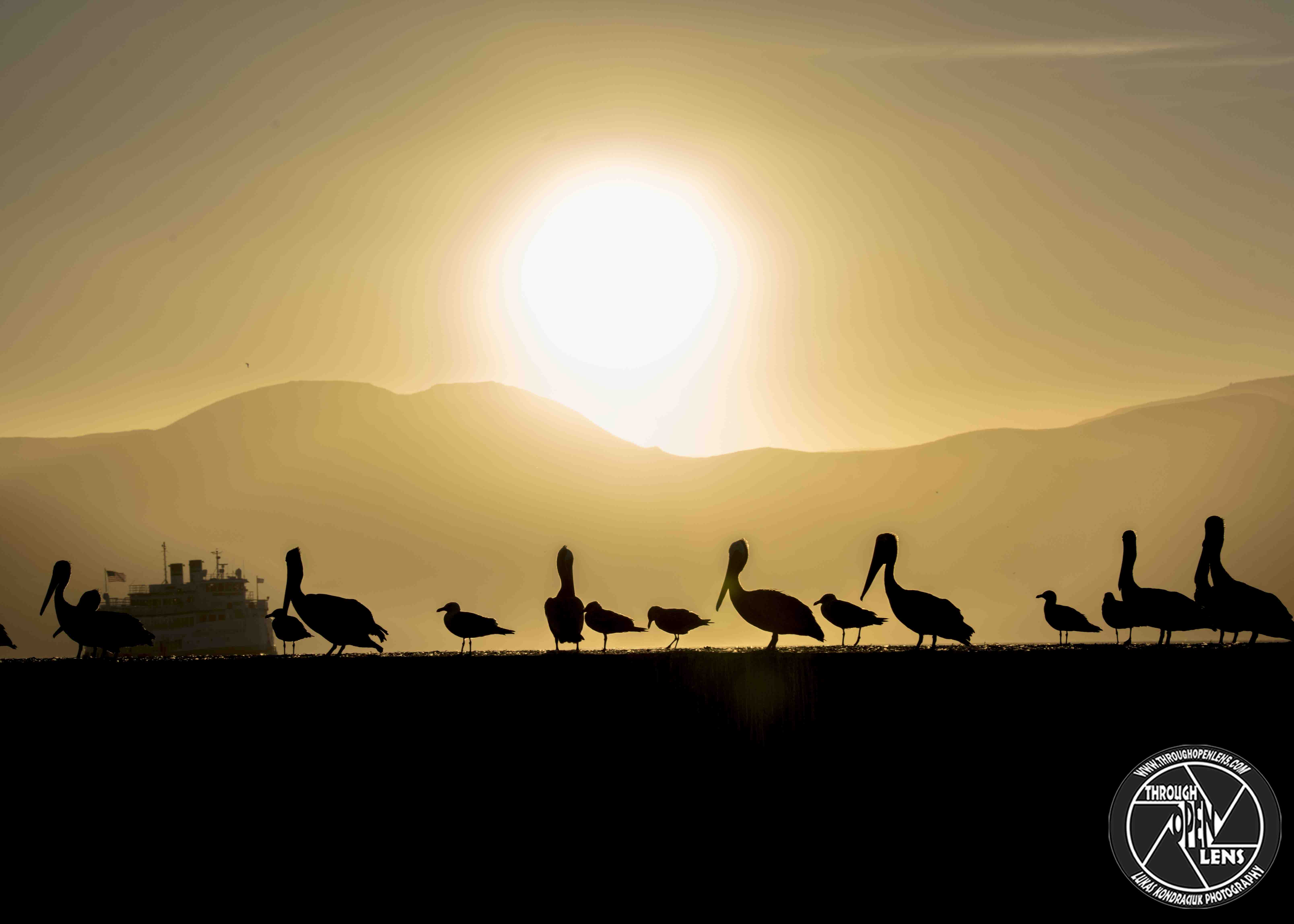
Every Sunset Is An Opportunity To Reset.

F/13.0, 1/640, ISO 250.

San Francisco Sunset Brown Pelican

What do the Starship Enterprise and toilet paper have in common?

They both probe Uranus and wipe out Klingons.

Interesting Fact:   As sunrise and sunset are calculated from the leading and trailing edges of the Sun, respectively, and not the center, the duration of a daytime is slightly longer than nighttime (by about 10 minutes, as seen from temperate latitudes). Further, because the light from the Sun is refracted as it passes through the Earth’s atmosphere, the Sun is still visible after it is geometrically below the horizon. Refraction also affects the apparent shape of the Sun when it is very close to the horizon. It makes things appear higher in the sky than they really are. Light from the bottom edge of the Sun’s disk is refracted more than light from the top, since refraction increases as the angle of elevation decreases. This raises the apparent position of the bottom edge more than the top, reducing the apparent height of the solar disk. Its width is unaltered, so the disk appears wider than it is high. (In reality, the Sun is almost exactly spherical.) The Sun also appears larger on the horizon, an optical illusion, similar to the moon illusion.  ( https://en.wikipedia.org/wiki/Sunset#Historically )

Surround Yourself With People Who Get You.

F/ 5.6, 1/500, ISO 250.

Elegant Tern

What did one eyeball say to the other eyeball?

Between you and me something smells.

Interesting Fact: The Elegant Tern was first found nesting in the United States in 1959 in San Diego Bay, California. Since the 1980s, several more colonies have been established in California. ( https://www.allaboutbirds.org/guide/Elegant_Tern/lifehistory )


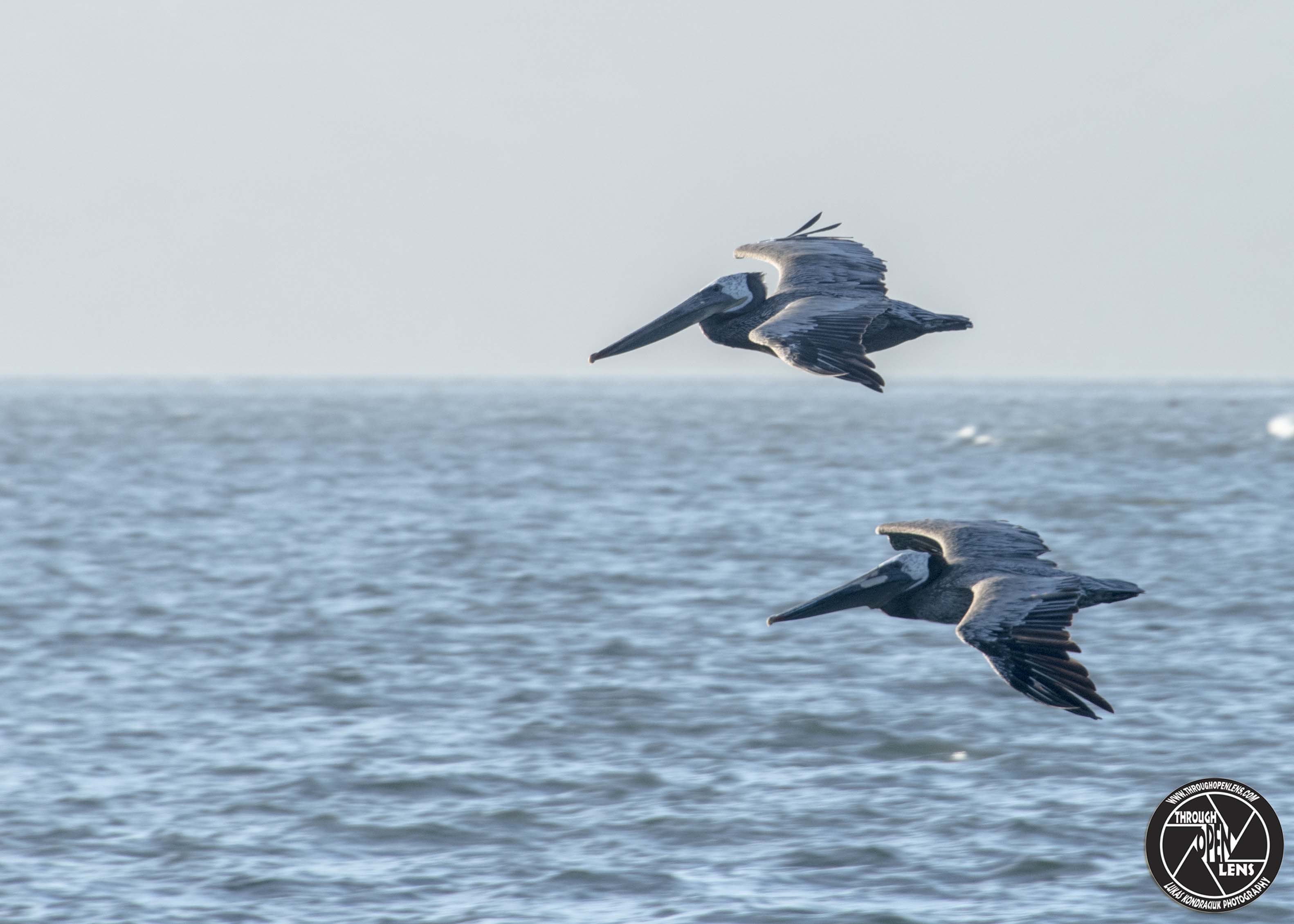
You Never Leave Your Wingman!

F/ 9.0, 1/320, ISO 250.

Brown Pelicans 

Why does Piglet smell so bad?

Because he plays with Pooh.

Interesting Fact: Pelicans usually feed above estuaries and shallow ocean waters within 12 miles of shore, but sometimes venture over the deeper waters past the narrow continental shelf of the Pacific coast. They occasionally feed by sitting on the surface and seizing prey with their bills, like other pelican species, usually when a dense school of fish is close to the surface and the water is too shallow and muddy to plunge. They also steal food from other seabirds, scavenge dead animals, and eat invertebrates such as prawns. ( https://www.allaboutbirds.org/guide/Brown_Pelican/lifehistory )

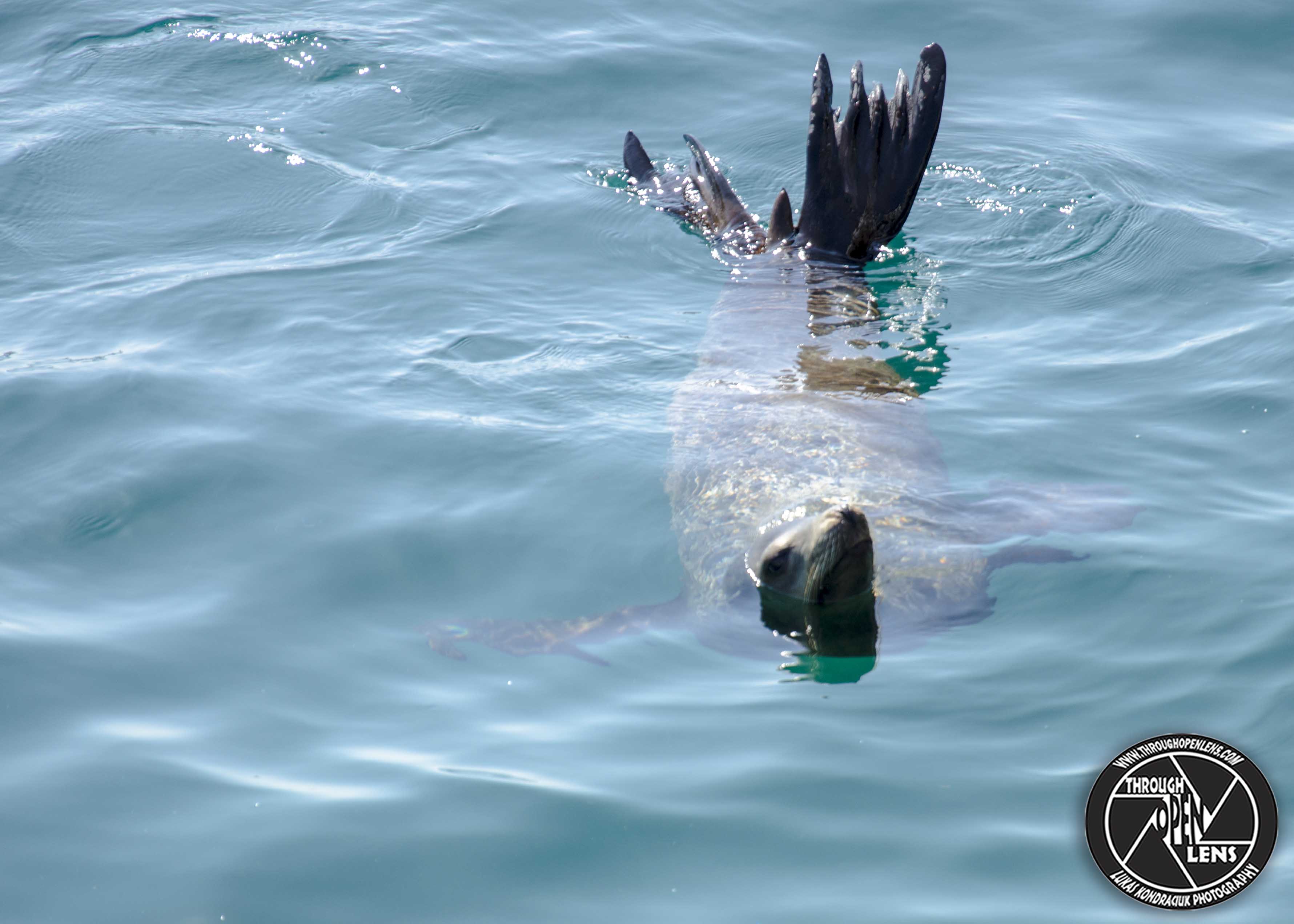
Just Smile And Wave!

F/5.6, 1/320, ISO 100.

California Sea Lion 

Why do sea lions go to Tupperware parties?

To find a tight seal!

Interesting Fact: When diving deep, California sea lions slow their heart rates to allow them to remain underwater for nearly ten minutes before surfacing to breathe. This ability gives them an edge in the pursuit of the fish, squid, and shellfish that make up their primary diet. ( http://www.nationalgeographic.com/animals/mammals/c/california-sea-lion/ )