At The Quack Of Dawn

F/6.3, 1/160, ISO 250.

Wood Duck

What do you get when a duck bends over?

Buttquack

Interesting Fact: Wood Ducks feed by dabbling or short, shallow dives. They are strong fliers and can reach speeds of 30 mph. Wood Ducks are not territorial, with the exception that a male may fight off other males that approach his mate too closely. ( https://www.allaboutbirds.org/guide/Wood_Duck/lifehistory )


I’m Walking Here!

Common Grackle 2

F/6.3, 1/1600, ISO 250.

Common Grackle 

How do men exercise at the beach?

By sucking in their stomach every time they see a girl in a bikini.

Interesting Fact: Common Grackles are resourceful foragers. They sometimes follow plows to catch invertebrates and mice, wade into water to catch small fish, pick leeches off the legs of turtles, steal worms from American Robins, raid nests, and kill and eat adult birds. ( https://www.allaboutbirds.org/guide/Common_Grackle/lifehistory )

Reflection On This

Great Blue Heron 4

F/6.3, 1/100, ISO 320.

Great Blue Heron

How do you prevent a Summer cold?

Catch it in the Winter!

Interesting Fact: The white form of the Great Blue Heron, known as the “great white heron,” is found nearly exclusively in shallow marine waters along the coast of very southern Florida, the Yucatan Peninsula, and in the Caribbean. Where the dark and white forms overlap in Florida, intermediate birds known as “Wurdemann’s herons” can be found. They have the body of a Great Blue Heron, but the white head and neck of the great white heron. (  https://www.allaboutbirds.org/guide/Great_Blue_Heron/lifehistory )

Now That Is Fresh Sushi

Great Egret

F/6.3, 1/640, ISO 200.

Great Egret

What kind of music should you listen to while fishing?

Something catchy!

Interesting Fact: The Great Egret is the symbol of the National Audubon Society, one of the oldest environmental organizations in North America. Audubon was founded to protect birds from being killed for their feathers.  ( https://www.allaboutbirds.org/guide/great_egret/lifehistory )


I Have Evil Plan

Chipmunk

F/6.3, 1/125, ISO 320.

Chipmunk

Two men went hunting. One had been an avid hunter; hunting all his life, the other man was a city boy; hunting for the first time.

The avid hunter told city boy to sit down and not make a sound. So he did.

But when the first man got 100 yards away, he heard a scream.

“I thought I told you to be quiet!” he said.

“I was when the snake bit me,” the man said.

“And I was when the bear attacked me. But when the two chipmunks crawled up my pant leg and said, ‘Should we eat or take them with us,’ I screamed.”

Interesting Fact: Although chipmunks hibernate, they do not store fat. Instead they slowly gnaw away at their summer bounty throughout the winter. ( http://animals.nationalgeographic.com/animals/mammals/chipmunk/ )

Why You Looking At Me Like That?!

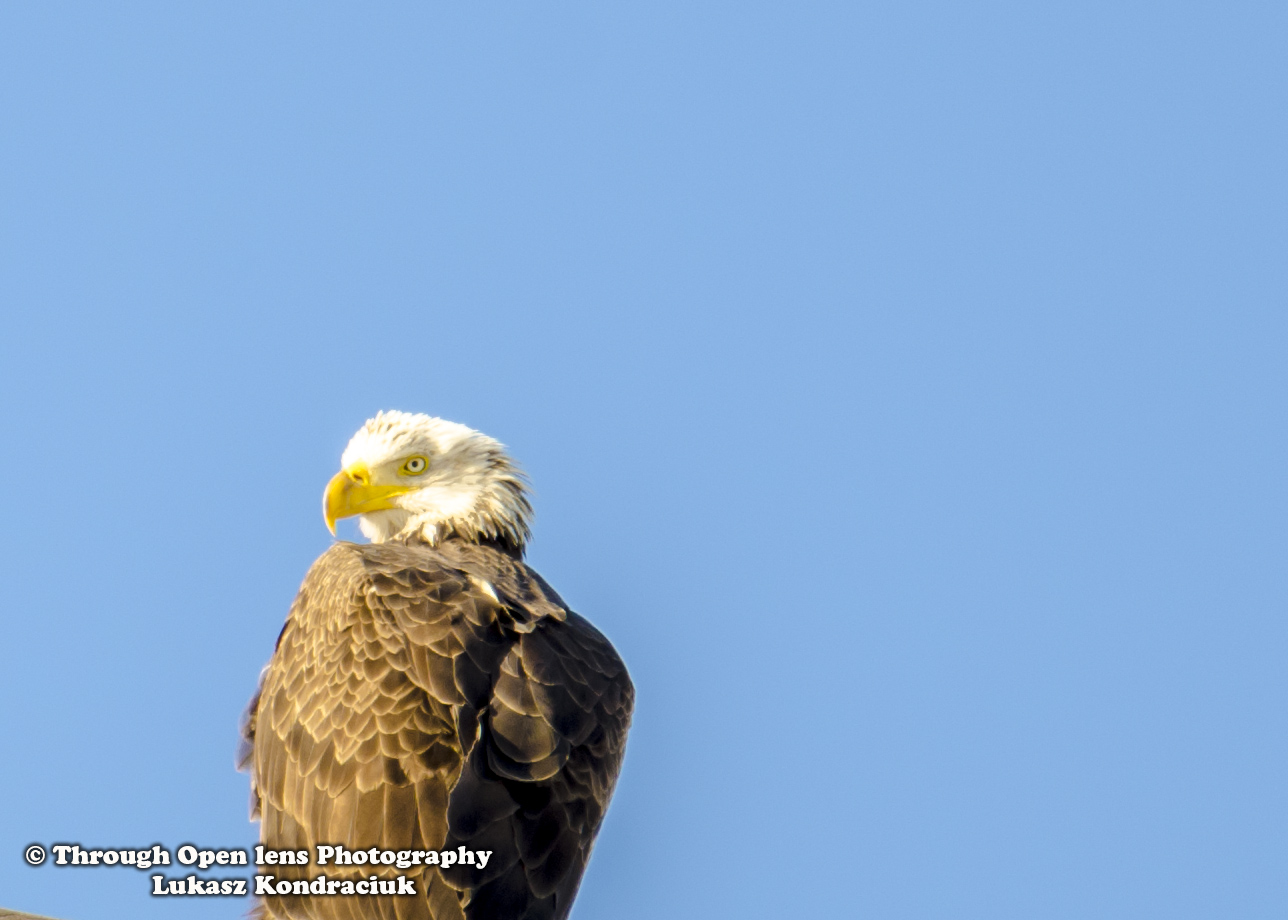
Happy 4th Of July!

Bald Eagle

F/6.3, 1/320, ISO 200.

Bald Eagle

What do you call a sick eagle?

Ill-eagle!

Interesting Fact: Had Benjamin Franklin prevailed, the U.S. emblem might have been the Wild Turkey. In 1784, Franklin disparaged the national bird’s thieving tendencies and its vulnerability to harassment by small birds. “For my own part,” he wrote, “I wish the Bald Eagle had not been chosen the Representative of our Country. He is a Bird of bad moral Character. He does not get his Living honestly. … Besides he is a rank Coward: The little King Bird not bigger than a Sparrow attacks him boldly and drives him out of the District.”  ( https://www.allaboutbirds.org/guide/Bald_Eagle/lifehistory )


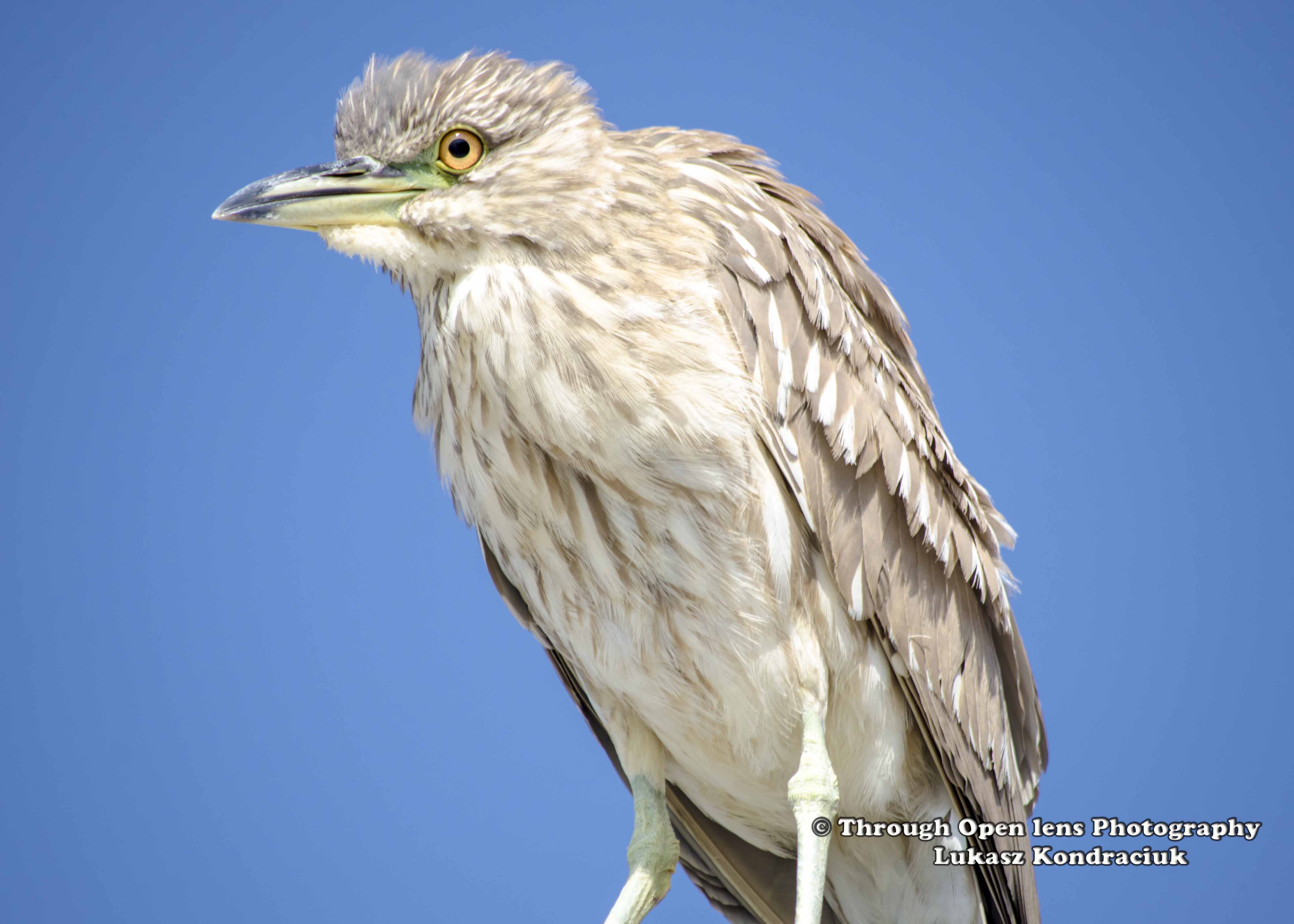
Look Into My Eyes, You Are Getting Sleepy!

Black-crowned Night-Heron 1

F/ 6.3, 1/640, ISO 200.

Black-Crowned Night-Heron ( Juvenile )

How do you wake up Lady gaga?

Poke her face.

Interesting Fact: The familiar evening sight and sound of the Black-crowned Night-Heron was captured in this description from Arthur Bent’s Life Histories of North American Marsh Birds: “How often, in the gathering dusk of evening, have we heard its loud, choking squawk and, looking up, have seen its stocky form, dimly outlined against the gray sky and propelled by steady wing beats, as it wings its way high in the air toward its evening feeding place in some distant pond or marsh!” ( https://www.allaboutbirds.org/guide/Black-crowned_Night-Heron/lifehistory )

Have You Tried Deez Nuts!

Squirrel

F/6.3, 1/80, ISO 250.

Squirrel

Why do squirrels swim on their back?

To keep their nuts dry!

Interesting Fact: Squirrels tend to run in erratic paths. This is intended to deceive potential predators as to its chosen direction so that it may escape. ( http://www.onekind.org/education/animals_a_z/squirrel )

I Am Not Your Dinner!

Wild Turkey

F/6.3, 1/50, ISO 250.

Wild Turkey 

What happened to the turkey that got in a fight?

He got the stuffing knocked out of him!

Interesting Fact: In the early 1500s, European explorers brought home Wild Turkeys from Mexico, where native people had domesticated the birds centuries earlier. Turkeys quickly became popular on European menus thanks to their large size and rich taste from their diet of wild nuts. Later, when English colonists settled on the Atlantic Coast, they brought domesticated turkeys with them. ( https://www.allaboutbirds.org/guide/Wild_Turkey/lifehistory )


Can’t Touch Me!

Black-crowned Night-Heron

F/6.3, 1/250 ISO 100.

Black-crowned Night-Heron

Why was the math textbook so sad?

He had a lot of problems!

Interesting Fact: Young Black-crowned Night-Herons leave the nest at the age of 1 month but cannot fly until they are 6 weeks old. They move through the vegetation on foot, joining up in foraging flocks at night. ( https://www.allaboutbirds.org/guide/Black-crowned_Night-Heron/lifehistory )