No. Stop Don’t SWALLOW That!

Tree Swallow

F/ 5.6, 1/500, ISO 125.

Tree Swallow

What do you call a chicken in the 1960’s?

A funky chicken.

Interesting Fact: Migrating and wintering Tree Swallows can form enormous flocks numbering in the hundreds of thousands. They gather about an hour before sunset and form a dense cloud above a roost site (such as a cattail marsh or grove of small trees), swirling around like a living tornado. With each pass, more birds drop down until they are all settled on the roost. ( https://www.allaboutbirds.org/guide/Tree_Swallow/lifehistory )
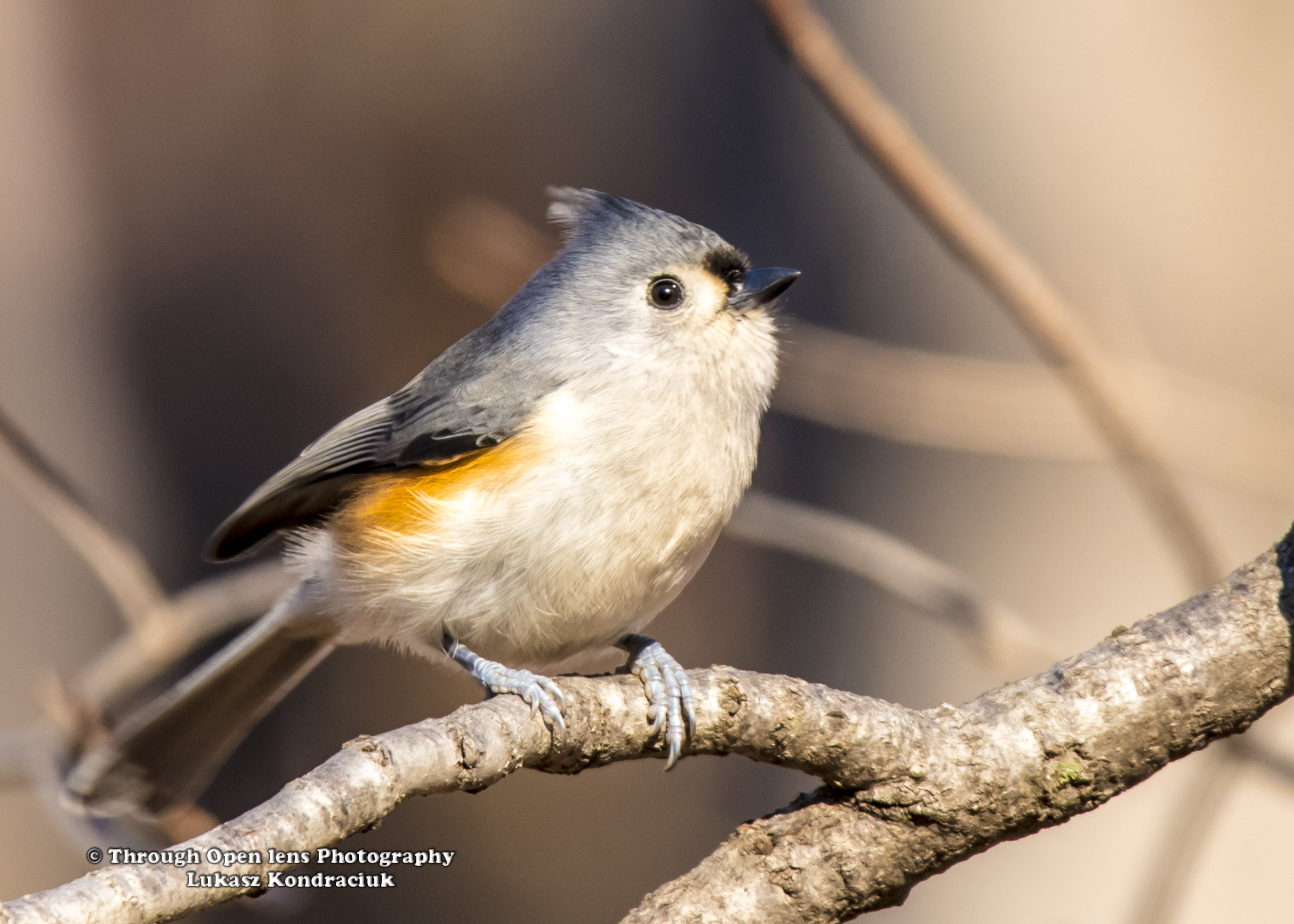
Why So Puffy?

Tufted Titmouse 2

F/8.0, 1/250, ISO 320.

Tufted Titmouse

How many cans does it take to make a bird?

Two cans.

Interesting Fact:  Tufted Titmice nest in tree holes (and nest boxes), but they can’t excavate their own nest cavities. Instead, they use natural holes and cavities left by woodpeckers. These species’ dependence on dead wood for their homes is one reason why it’s important to allow dead trees to remain in forests rather than cutting them down. ( https://www.allaboutbirds.org/guide/Tufted_Titmouse/lifehistory )

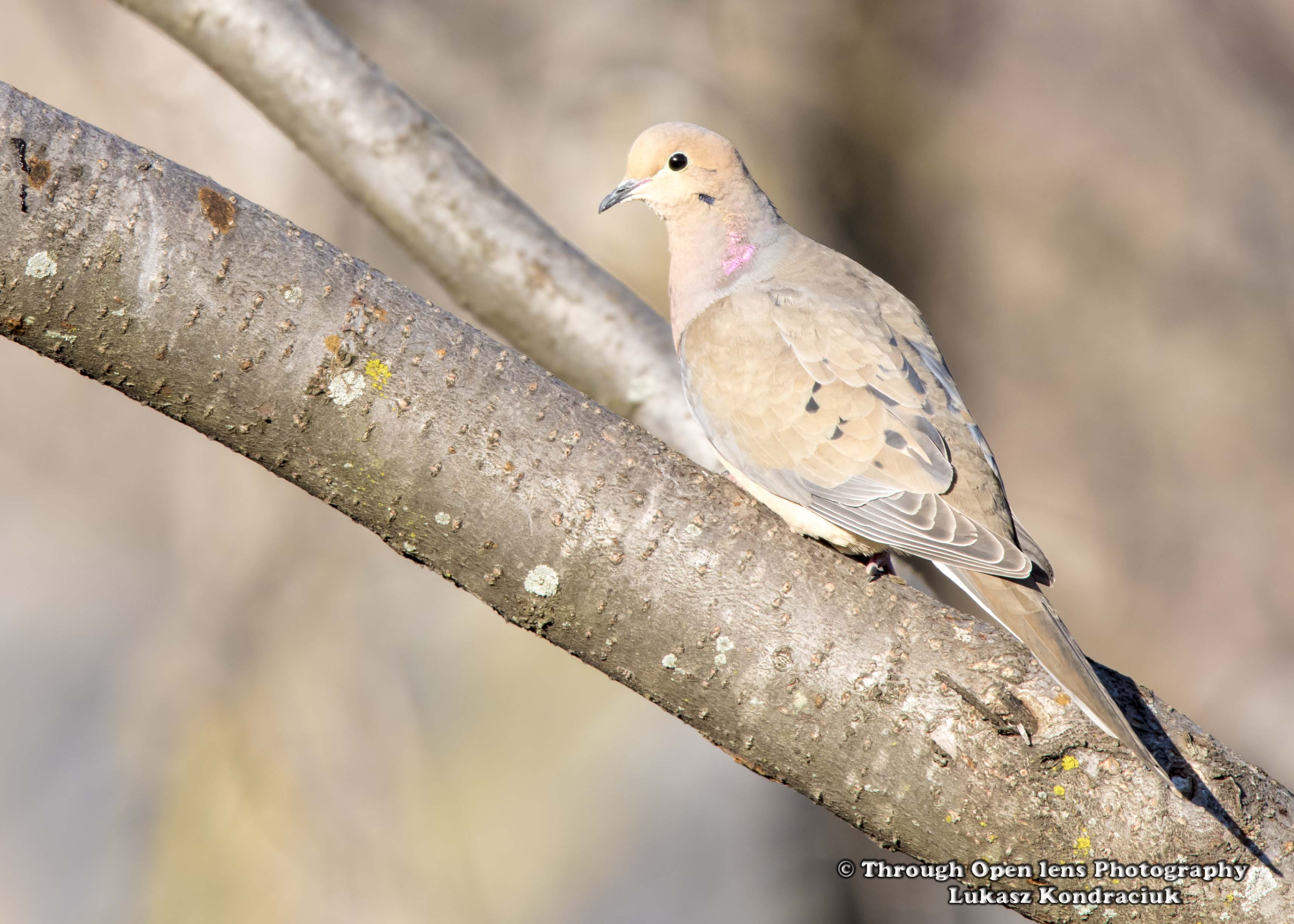
I Will Meet You In The Morning

Mourning Dove

F/9.0, 1/320, ISO 320.

Mourning Dove

What soap do birds use?

Dove.

Interesting Fact: Mourning Doves tend to feed busily on the ground, swallowing seeds and storing them in an enlargement of the esophagus called the crop. Once they’ve filled it (the record is 17,200 bluegrass seeds in a single crop!), they can fly to a safe perch to digest the meal. ( https://www.allaboutbirds.org/guide/Mourning_Dove/lifehistory )

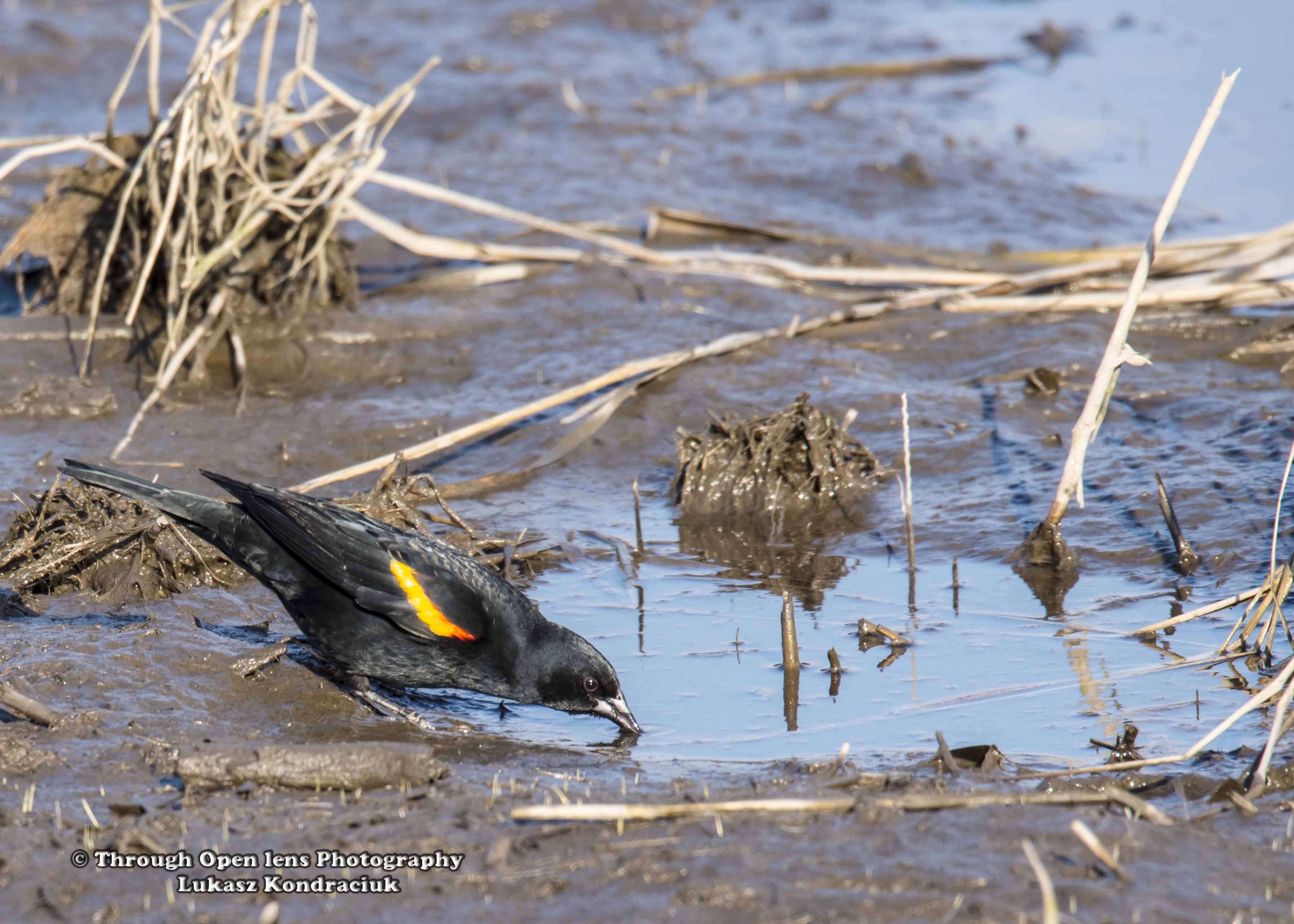
Thirsty Thursday!

Red-winged Blackbird

F/9.0, 1/320, ISO 320.

Red-winged Blackbird

Where does a blackbird go for a drink?

To a crow bar.

Interesting Fact: The Red-winged Blackbird is a highly polygynous species, meaning males have many female mates – up to 15 in some cases. In some populations 90 percent of territorial males have more than one female nesting on their territories. But all is not as it seems: one-quarter to one-half of nestlings turn out to have been sired by someone other than the territorial male. ( https://www.allaboutbirds.org/guide/Red-winged_Blackbird/lifehistory )

Splash Off!

American Black Duck

F/9.0, 1/320, ISO 320.

American Black Duck

Two monsters went duck-hunting with their dogs but without success. “I know what we’re doing wrong,” said the first one. “What’s that then?” asked the second. “We’re not throwing the dogs high enough!”

Interesting Fact: The colors of the bill and legs are used to determine their age and sex. These differences led to an earlier belief that there were two subspecies, a northern, red-legged race, and a southern “common” one. ( http://identify.whatbird.com/obj/392/overview/American_Black_Duck.aspx )

Quack Pack!

Harlequin Ducks

F/10.0, 1/400, ISO 400.

Harlequin Duck  

What do you call a crate of ducks?

A box of quackers!

Interesting Fact: Also called the Sea mouse because of its very unducklike squeaks. Other names include Circus duck or painted duck for its beautiful colors. ( http://identify.whatbird.com/obj/360/overview/Harlequin_Duck.aspx )

And Now My Beak Is Stuck!

Marbled Godwit

F/5.6, 1/500, ISO 200.

Marbled Godwit

Why does it take pirates so long to learn the alphabet?

Because they spend years at C!

Interesting Fact: It often inserts its entire bill into the mud, and its head is totally submerged at times. ( http://identify.whatbird.com/obj/251/overview/Marbled_Godwit.aspx )

Don’t Stick Your Beak Where It Doesn’t Belong

Ring-billed Gull

F/9.0, 1/200, ISO 100.

Ring-billed Gull

What do you get when you cross a bird and a lawn mower?

Shredded tweet.

Interesting Fact: Many, if not most, Ring-billed Gulls return to breed at the colony where they hatched. Once they have bred, they are likely to return to the same breeding spot each year, often nesting within a few meters of the last year’s nest site. Many individuals return to the same wintering sites each winter too.  ( https://www.allaboutbirds.org/guide/Ring-billed_Gull/lifehistory )

Unless You Spread Your Wings, You’ll Never Know How High You Can Fly!

Mallard wings

F/6.3, 1/640, ISO 200.

Mallard

What says “Quick, Quick”?

A duck with the hiccups.

Interesting Fact: The standard duck’s quack is the sound of a female Mallard. Males don’t quack; they make a quieter, rasping sound. ( https://www.allaboutbirds.org/guide/Mallard/lifehistory )

I’m Blue Da Ba Dee Da Ba Die…

Blue Jay 1

F/6.3, 1/125, ISO 800.

Blue Jay

How do blue jays stay fit?

Wormups.

Interesting Fact: Thousands of Blue Jays migrate in flocks along the Great Lakes and Atlantic coasts, but much about their migration remains a mystery. Some are present throughout winter in all parts of their range. Young jays may be more likely to migrate than adults, but many adults also migrate. Some individual jays migrate south one year, stay north the next winter, and then migrate south again the next year. No one has worked out why they migrate when they do. ( https://www.allaboutbirds.org/guide/Blue_Jay/lifehistory )