Making A Big Splash Today!

Happy 4th of July Everyone!

F/8.0, 1/250, ISO 160.

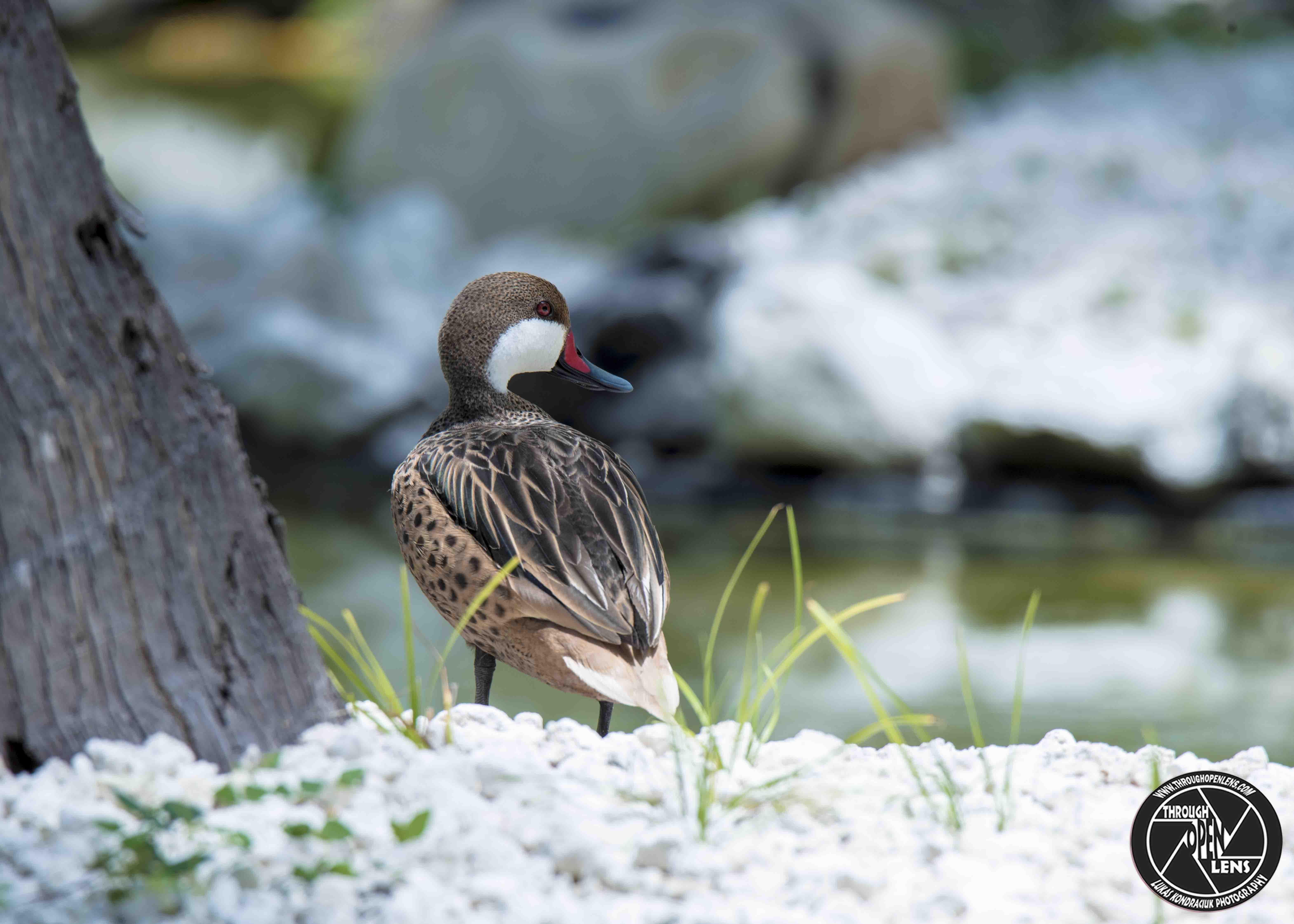
White-Cheeked Pintail

Did you hear about the painter who was hospitalized?

Reports say it was due to too many strokes.

Interesting Fact: It is popular in wildfowl collections, and escapees are frequently seen in a semi-wild condition in Europe. A leucistic (whitish) variant is known in aviculture as the Silver Bahama pintail. ( https://en.wikipedia.org/wiki/White-cheeked_pintail )
You Turn My World Upside Down

F/6.3, 1/60, ISO 640.

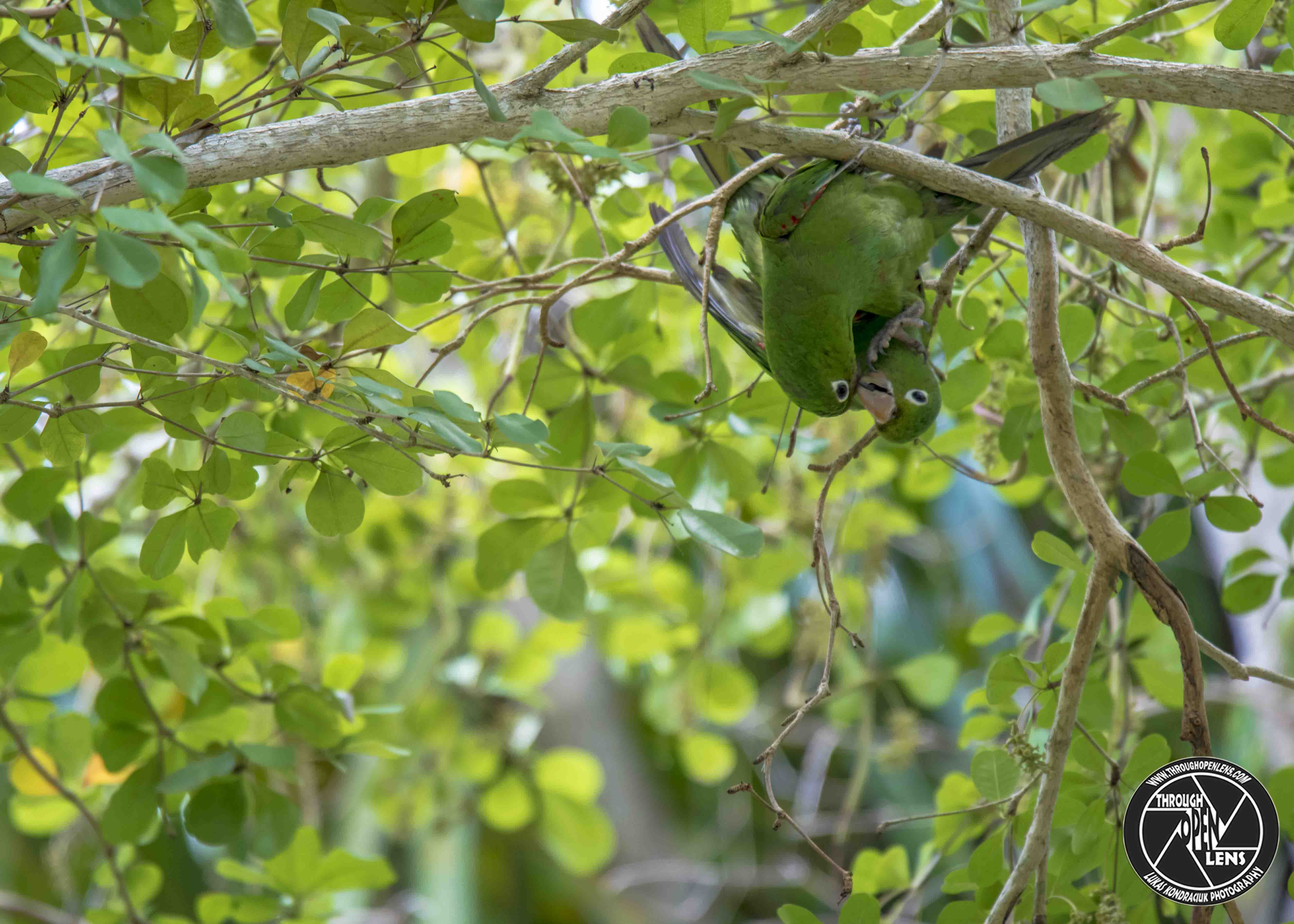
Hispaniolan Amazon Parrots

What’s the difference between a gamer and the calendar?

A calendar has dates.

Interesting Fact: These parrots create nests in tree cavities, the clutch ranges from 2 to 4 eggs maximum, the eggs hatch in about a 30 days and chicks usually fledge at 10 to 12 weeks of age. However people often remove the newborns from the tree cavities and destroy the nest that have been reused over the years and afterwards priving the parrot from reproducing. ( https://en.wikipedia.org/wiki/Hispaniolan_amazon )

I’ll Eat You Up I Love You So!

F/9.0, 1/320, ISO 500.

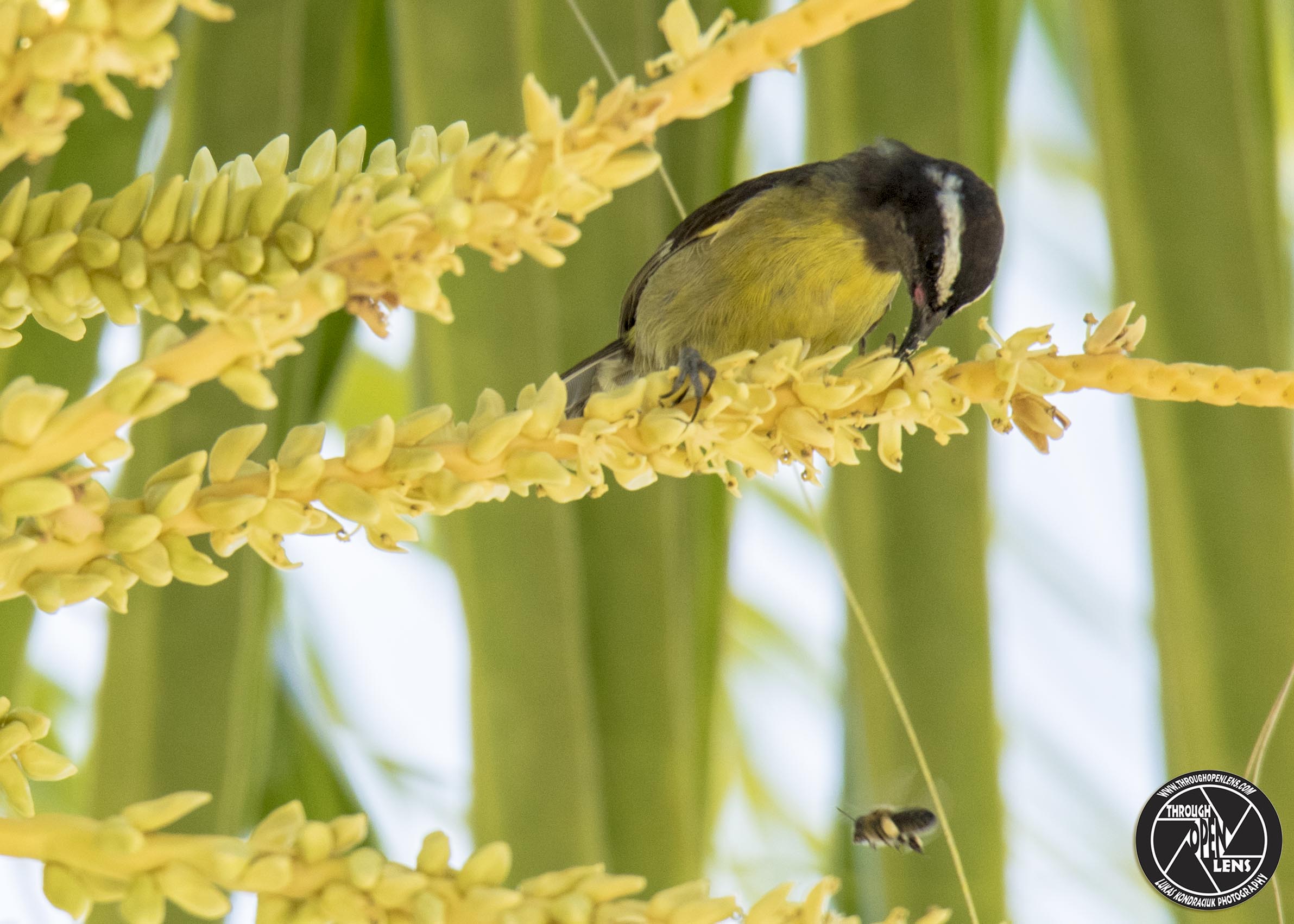
Bananaquit

What did the guitar say to the guitarist?

Pick on someone your own size!

Interesting Fact: Bananaquits build nests with side entrance holes. Several nests may be built, with some used only as sleeping quarters. ( http://identify.whatbird.com/obj/1014/overview/Bananaquit.aspx )

Just The Two Of Us!

F/11.0, 1/500, ISO 320.

Mourning Dove

Two girlfriends are chatting:

My ex-husband was very responsible.

If anything went wrong, he was usually responsible for it.

Interesting Fact: The Mourning Dove is the most widespread and abundant game bird in North America. Every year hunters harvest more than 20 million, but the Mourning Dove remains one of our most abundant birds with a U.S. population estimated at 350 million. ( https://www.allaboutbirds.org/guide/Mourning_Dove/ )


Funny How Everything Goes Your Way When You Stop Giving A F*ck!

F/6.3, 1/160, ISO 125.

Tricolored Heron

Where do sheep go for summer vacation?

The Baa-hamas

Interesting Fact: Angsty teenagers aren’t just a human phenomenon. As Tricolored Herons get older they often lunge and snap at their parents when they arrive at the nest with food. To appease the youngsters, parents greet them with bows.  ( https://www.allaboutbirds.org/guide/Tricolored_Heron/overview )  

Don’t Turn Around Just Walk Away!

F/9.0, 1/320, ISO 160.

White-Cheeked Pintail

Why didn’t the elephant pack a suitcase for summer vacation?

Because he uses a trunk.

Interesting Fact: Like many southern ducks, the sexes are similar. It is mainly brown with white cheeks and a red-based grey bill (young birds lack the pink). It cannot be confused with any other duck in its range. ( https://en.wikipedia.org/wiki/White-cheeked_pintail )

Life Is More Fun When You Open Your Mouth!

F/7.1, 1/200, ISO 250.

Green Heron

Why can’t you hear a pterodactyl in the bathroom?

Because it has a silent pee.

Interesting Fact: The male selects a secluded site within his territory, usually in a large fork of a tree or bush, with overhanging branches to conceal the nest. Green Herons use many plant species as nest sites pines, oaks, willows, box elder, cedar, honey locust, hickory, sassafrass, and mangroves. The nest is usually on or over the water, but may be up to a half-mile away. It may be anywhere from ground level to 30 feet off the ground (occasionally higher). ( https://www.allaboutbirds.org/guide/Green_Heron/lifehistory )

Careful I Bite!

F/7.1, 1/200, ISO 160.

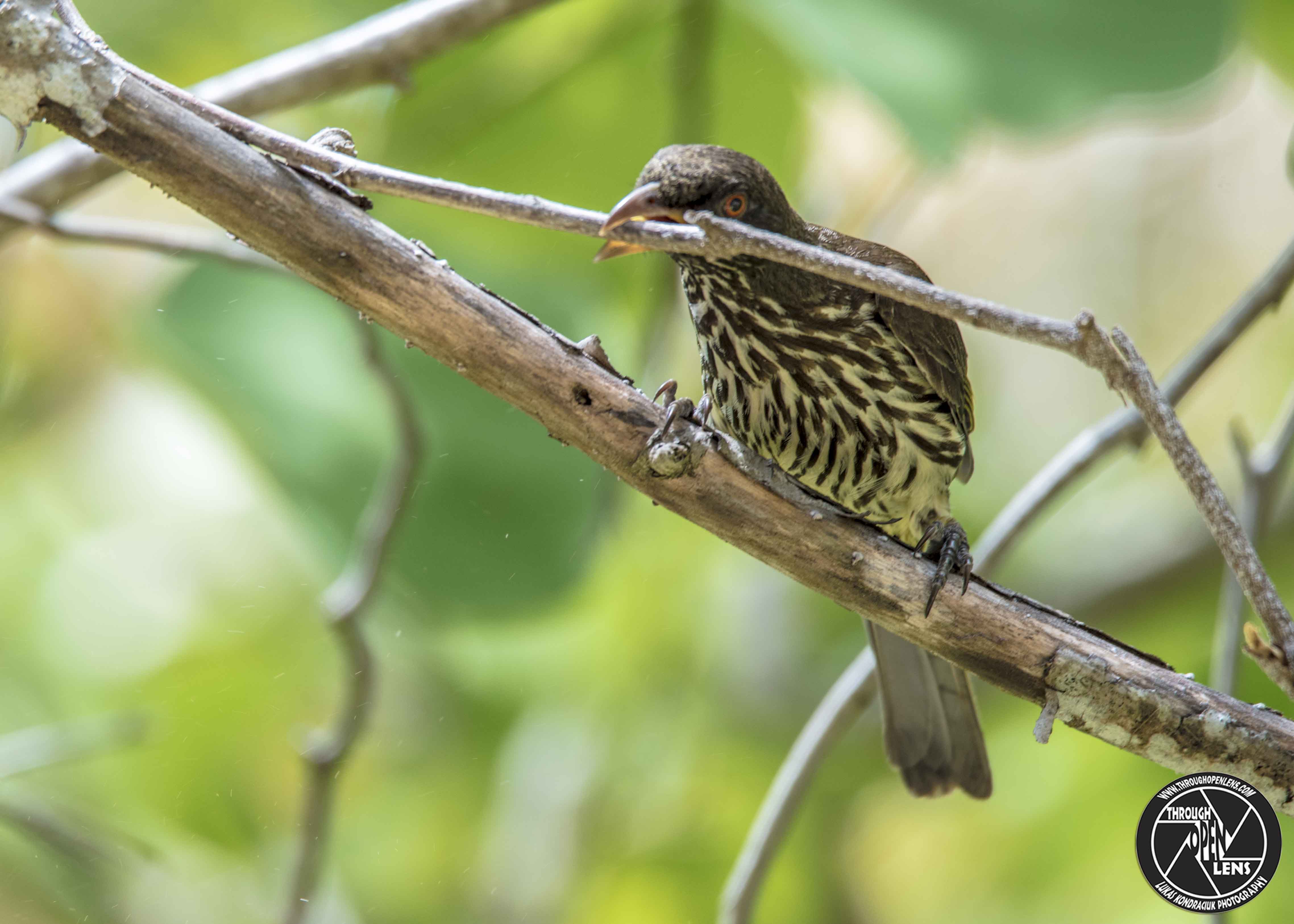
Palmchat

What did the Zen Buddhist say to the hotdog vendor?

Make me one with everything.

Interesting Fact: Palmchats are about 20 cm (8 in) in length. They are olive-brown above, and cream-buff, heavily streaked with brown, below. Their rumps and the edges of their primary feathers are dark yellow-green. They have strong yellow bills and russet eyes. They lack the soft silky plumage of the waxwings or silky-flycatchers. Adults are alike in appearance; immature birds have dark throats. ( https://en.wikipedia.org/wiki/Palmchat )

So High!

F/11.0, 1/500, ISO 320.

Hispaniolan Amazon Parrot

What did the cat say after eating two robins lying in the sun?

I just love baskin’ robins.

Interesting Fact: As with other amazons, it prefers forested areas where food is plentiful. This parrot lives in the wood forests in Haiti and the Dominican Republic. However over the recent years they have been captured out of their natural habitat illegally for pet trades or just to keep them as pets which are very popular in the Dominican Republic. Right now[when?] the population ranges from 10,000 to 19,000 in the wild and decreasing. ( https://en.wikipedia.org/wiki/Hispaniolan_amazon )

Sometime You Have To Flip Out And Go Crazy To Make A Point!

F/9.0, 1/320, ISO 320.

Greater Antillean grackle

Where does a bee keep his stinger?

In his honey!

Interesting Fact: The Greater antillean Grackle will eat anything that can fit in its mouth.They eat fruits,bread, plant matter,and small Vertebrates and invertebrates. ( https://en.wikipedia.org/wiki/Greater_Antillean_grackle )