It’s The Little Things That Makes Life Big

F/5.0, 1/60, ISO 320.

White-Tailed Deer Fawn

How do you save a deer during hunting season?

You hang on for deer life.

Interesting Fact: White-tailed deer hide their fawns on the forest floor or in tall grass to keep them safe. ( http://www.nationalgeographic.com/animals/mammals/w/white-tailed-deer/ )

Ask Us About Our Hole?

F/6.3, 1/125, ISO 320.

Eastern chipmunks

What do you call a rooster who wakes you up at the same time every morning?

An alarm cluck!

Interesting Fact: The eastern chipmunk defends its burrow and lives a solitary life, except during mating season. Females usually produce one or two litters of three to five young.[5] The two breeding seasons are from February to April and from June to August. During the winter, the chipmunk may enter long periods of torpor, but does not truly hibernate. ( https://en.wikipedia.org/wiki/Eastern_chipmunk )


What The Fox!

F/6.3, 1/30, ISO 500.

Red Fox 

What do you call a drunk shark?

Hammered Head

Interesting Fact: Red foxes are usually together in pairs or small groups consisting of families, such as a mated pair and their young, or a male with several females having kinship ties. The young of the mated pair remain with their parents to assist in caring for new kits.[8] The species primarily feeds on small rodents, though it may also target rabbitsgame birdsreptilesinvertebrates[6] and young ungulates.[6] Fruit and vegetable matter is also eaten sometimes.[9] Although the red fox tends to kill smaller predators, including other fox species, it is vulnerable to attack from larger predators, such as wolvescoyotesgolden jackals and medium- and large-sized felines. ( https://en.wikipedia.org/wiki/Red_fox )


Hey, these are my nuts!

F/5.6, 1/160, ISO 800.

Eastern Chipmunk

Why did the skeleton burp?

Because it didn’t have the guts to fart.

Interesting Fact: A chipmunk’s cheeks can expand to three times the size of its head and they have pouches in their cheeks where they hold their food until they get back to store it in their burrows ( http://www.pets4homes.co.uk/pet-advice/fun-interesting-facts-about-chipmunks.html )


HEY BOO BOO!!!

F/6.3, 1/60. ISO 640.

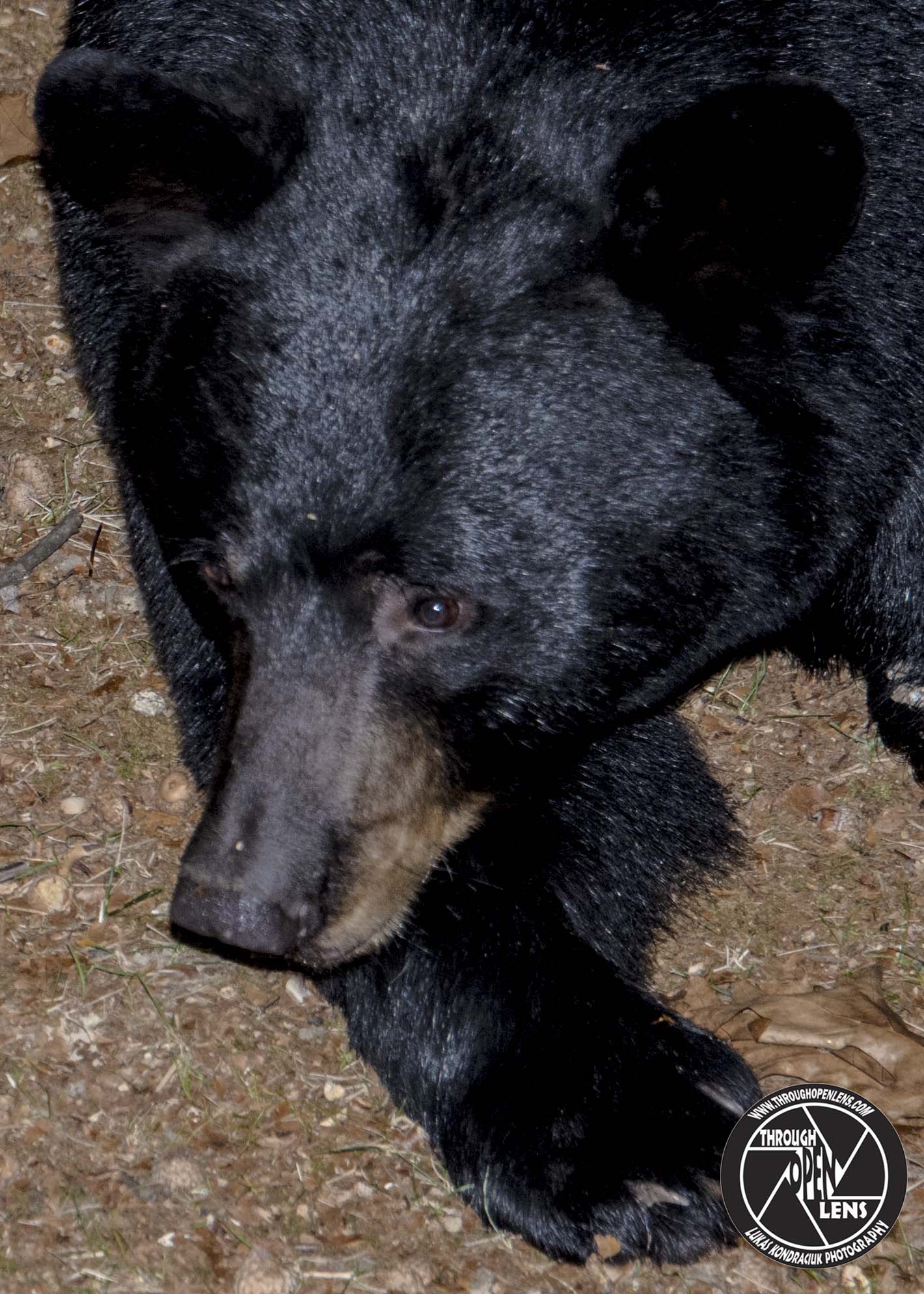
American Black Bear

How does a tree get on the internet?

He logs in

Interesting Fact: American black bears have better eyesight and hearing than humans. Their keenest sense is their sense of smell, which is about seven times more sensitive than a domestic dog’s.[64] American black bears are excellent and strong swimmers, swimming for pleasure and to feed (largely on fish). ( https://en.wikipedia.org/wiki/American_black_bear )

Hey Handsome!

F/9.0, 1/320, ISO 250.

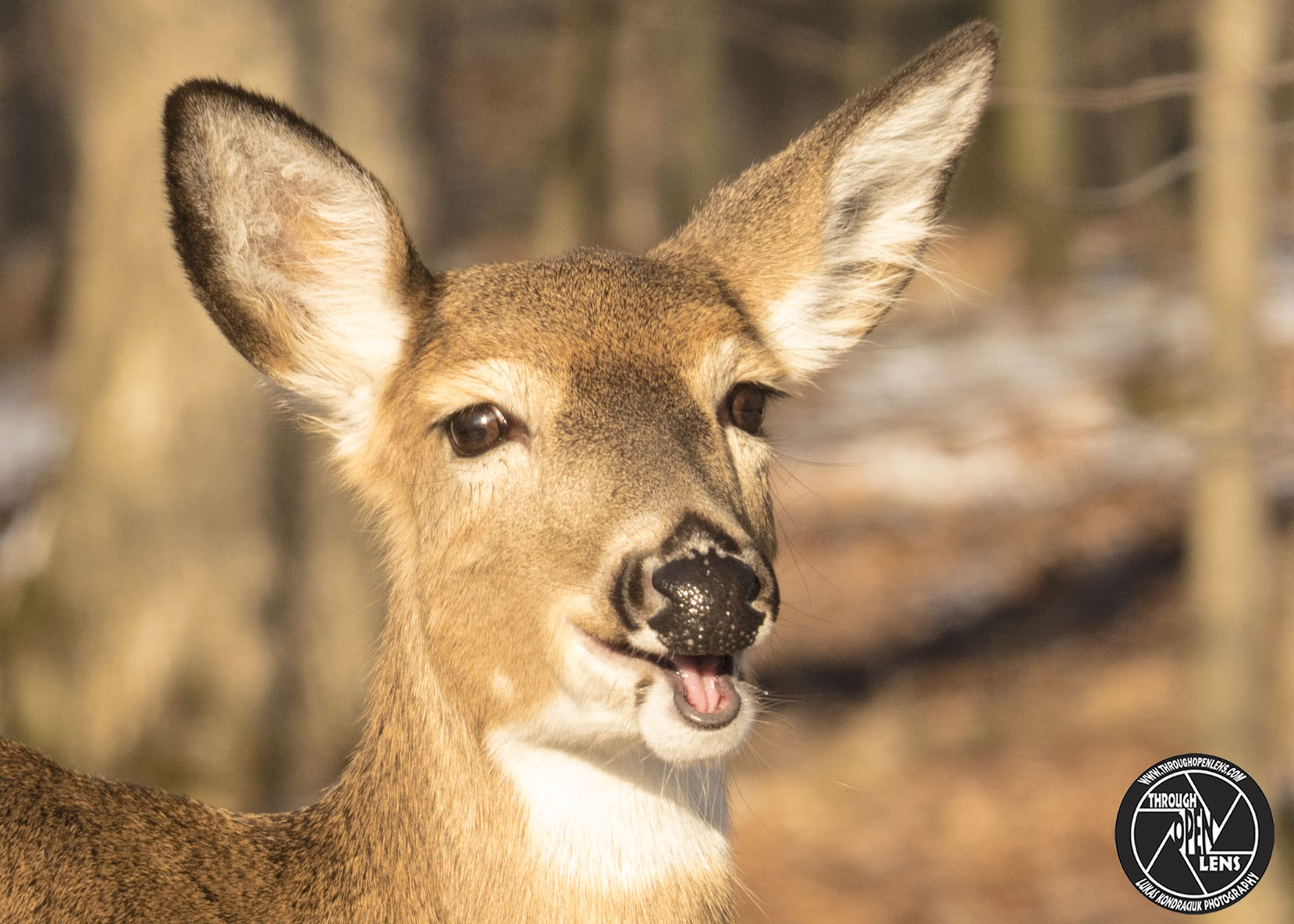
White-Tailed Deer

Did you hear the joke about the butter?

I do not think I should tell you because you might spread it around…

Interesting Fact: Males compete for the opportunity of breeding females. Sparring among males determines a dominance hierarchy.[61] Bucks attempt to copulate with as many females as possible, losing physical condition, since they rarely eat or rest during the rut. The general geographical trend is for the rut to be shorter in duration at increased latitude. Many factors determine how intense the “rutting season” will be; air temperature is a major one. Any time the temperature rises above 40 °F (4 °C), the males do much less traveling looking for females, else they will be subject to overheating or dehydrating. Another factor for the strength in rutting activity is competition. If numerous males are in a particular area, then they compete more for the females. If fewer males or more females are present, then the selection process will not need to be as competitive. ( https://en.wikipedia.org/wiki/White-tailed_deer )

Stay With Me, Sway With Me!

F/6.3, 1/60, ISO 640.

American Black Bear

What do you call a knight who lets people borrow his stuff?

Sir lends a lot

Interesting Facts: When winter arrives, black bears spend the season dormant in their dens, feeding on body fat they have built up by eating ravenously all summer and fall. They make their dens in caves, burrows, brush piles, or other sheltered spots—sometimes even in tree holes high above the ground. Black bears den for various lengths of time governed by the diverse climates in which they live, from Canada to northern Mexico. ( https://www.nationalgeographic.com/animals/mammals/a/american-black-bear/ )


Never Wrestle With A Pig. You Both Get Dirty And The Pig Loves It….

F/5.6, 1/100, ISO 320.

Duroc pig

What do you call a pig with no legs?

A groundhog.

Interesting Fact: The Duroc pig is an older breed of domestic pig. The breed was developed in the United States and formed the basis for many mixed-breed commercial hogs.  ( https://en.wikipedia.org/wiki/Duroc_pig )

Call Me A Teddy Bear Again!

F/6.3, 1/50, ISO 2000.

American Black Bear

Why don’t bears like fast food?

Because they can’t catch it!

Interesting Fact: Solitary animals, black bears roam large territories, though they do not protect them from other bears. Males might wander a 15- to 80-square-mile home range. ( https://www.nationalgeographic.com/animals/mammals/a/american-black-bear/ )