I’m Walking Here!

Common Grackle 2

F/6.3, 1/1600, ISO 250.

Common Grackle 

How do men exercise at the beach?

By sucking in their stomach every time they see a girl in a bikini.

Interesting Fact: Common Grackles are resourceful foragers. They sometimes follow plows to catch invertebrates and mice, wade into water to catch small fish, pick leeches off the legs of turtles, steal worms from American Robins, raid nests, and kill and eat adult birds. ( https://www.allaboutbirds.org/guide/Common_Grackle/lifehistory )

Lazy Like A Log

Log

F/11.0, 1/500, ISO 320.

Pretend you’re in a box, under the ocean, and there’s no way out. How do you survive?

You stop pretending!

Interesting Fact: Beaches became popular as tourist attractions during the 18th century. Today, beachside towns and beach resort areas are a magnet for tourist who come to sunbathe, swim, stroll the beach, build sandcastles, surf and bodyboard. ( http://www.sciencekids.co.nz/sciencefacts/earth/beaches.html )


So What Are We Staring At?!

Great Black-backed Gull

F/13.0, 1/640, ISO 320.

Great Black-backed Gull  

What do you call a seagull when it flies over the bay?

A bagel.

Interesting Fact: This is the largest gull in the world. Its broad wings and powerful appearance give it a regal look that have impressed naturalists for years. In the words of one early observer: “It surely seemed to be a king among the gulls, a merciless tyrant over its fellows, the largest and strongest of its tribe. No weaker gull dared to intrude upon its feudal domain.” ( https://www.allaboutbirds.org/guide/Great_Black-backed_Gull/lifehistory )

Car Is In Garage We Will Poop On The Roof Then!

Brown Pelicans 1

F/5.6, 1/500, ISO 250.

Brown Pelicans

Do you know what the white stuff in bird poop is?

That’s bird poop, too!

Interesting Fact: Pelicans incubate their eggs with the skin of their feet, essentially standing on the eggs to keep them warm. In the mid-twentieth century the pesticide DDT caused pelicans to lay thinner eggs that cracked under the weight of incubating parents. After nearly disappearing from North America in the 1960s and 1970s, Brown Pelicans made a full comeback thanks to pesticide regulations. ( https://www.allaboutbirds.org/guide/Brown_Pelican/lifehistory )


Look Out I’m A Biter!

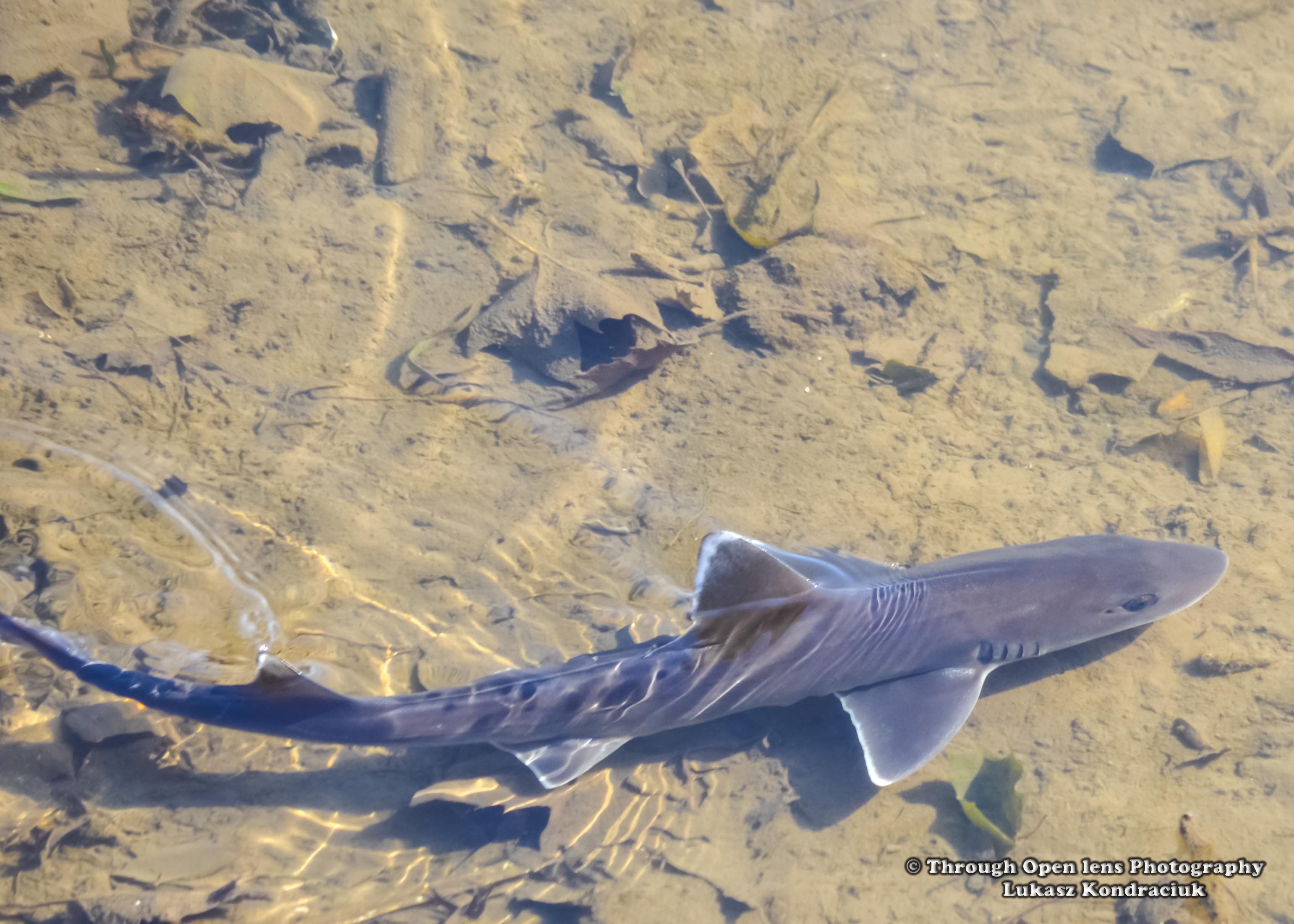
Shark Week 2016

Bull Shark

F/5.6, 1/500, ISO 320.

Deadliest Shark In The World

Bull Shark ( Baby )

For five years, two sharks and a dolphin have worked side by side every day as window washers, and every night after work they stopped for a drink. One day, disaster struck, and the dolphin fell to his death. The police came to the site and began asking questions. “Where does he live?” The sharks shrugged their shoulders. “Is he married?” The sharks didn’t know. “What is his name?” The sharks shrugged again. “You worked with this guy for five years and you don’t know anything about him?” the cop asked. “I know something about him,” one shark volunteered. “He has two assholes.” “What are you talking about?” said the cop. “Well,” said the shark, “Whenever we go for a drink after work the bartended says, ‘Here comes the dolphin with the two assholes.'”

Interesting Fact:  Bull sharks are aggressive, common, and usually live near high-population areas like tropical shorelines. They are not bothered by brackish and freshwater, and even venture far inland via rivers and tributaries. ( http://animals.nationalgeographic.com/animals/fish/bull-shark/ )


Go Away! I’m Really Focused Here

Great Blue Heron 3

F/7.1, 1/800, ISO 200.

Great Blue Heron

Two neighbors are talking to each other.
First neighbor: Do you know that my dog is so smart, he waits for the newspaper to drop at the doorstep and then delivers it to me?
Second neighbor: Of course, I know that very well.
First neighbor: Really, well then, how?
Second neighbor: My dog came and told me.

Interesting Fact: Great Blue Herons congregate at fish hatcheries, creating potential problems for the fish farmers. A study found that herons ate mostly diseased fish that would have died shortly anyway. Sick fish spent more time near the surface of the water where they were more vulnerable to the herons.  ( https://www.allaboutbirds.org/guide/Great_Blue_Heron/lifehistory )

Feed Me!

Heermann's Gull

F/7.1, 1/800, ISO 200.

Heermann’s Gull

If someone ever says, “What are you staring at?”

Say “I don’t know, give me a minute.”

Interesting Fact: The Heermann’s Gull, like many other gulls, frequently steals food from other birds. The Brown Pelican is a frequent victim. An adult Heermann’s Gull is most likely to try to steal food from an adult pelican, and an immature gull is more likely to steal from an immature pelican. ( https://www.allaboutbirds.org/guide/Heermanns_Gull/lifehistory )

And I Ran, I Ran So Far Away!

Sanderling

F/7.1, 1/800, ISO 200.

Sanderling

Did you hear about the race between the lettuce and the tomato?

The lettuce was a “head” and the tomato was trying to “ketchup”!

Interesting Fact: The Sanderling’s mating system varies from area to area and possibly from year to year. Sanderlings are usually monogamous, but in some cases the female breeds with multiple males in a row within a single breeding season. ( https://www.allaboutbirds.org/guide/Sanderling/lifehistory )

I Need A Hug!

Common Tern 1

F/7.1, 1/800, ISO 200.

Common Tern

Knock! Knock!

Who’s there?

Lettuce.

Lettuce who?

Lettuce in already!

Interesting Fact: Common Terns living along the coast drink salt water. They do not seek fresh water even when it is available nearby. Like many seabirds, they have nasal glands that excrete the excess salt. ( https://www.allaboutbirds.org/guide/Common_Tern/lifehistory )