Start Every Day With A Smile

F/8.0, 1/250, ISO 320.

Azaleas

Why are trees very forgiving?

Because in the Fall they “Let It Go” and in the Spring they “turn over a new leaf”.

Interesting Fact:Azaleas/əˈzliə/ are flowering shrubs in the genus Rhododendron, particularly the former sections Tsutsuji (evergreen) and Pentanthera (deciduous). Azaleas bloom in spring, their flowers often lasting several weeks. Shade tolerant, they prefer living near or under trees. They are part of the family Ericaceae.
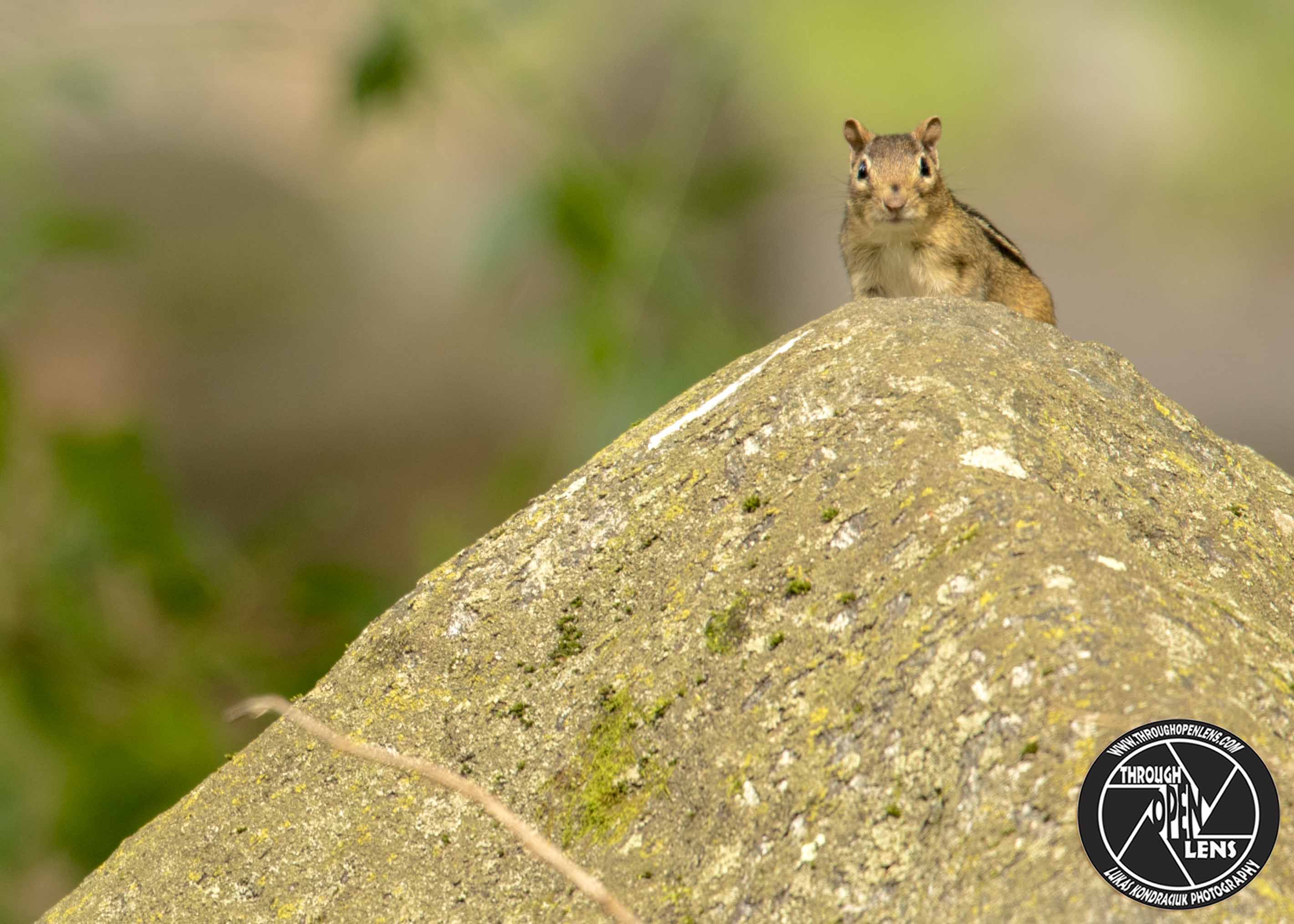
Im On Top Of The World!

F/6.3, 1/100, ISO 250.

Chipmunk

Why was the chipmunk late for work?

Traffic was NUTS.

Interesting Fact: Their shrill, repeated, birdlike chirp is usually made upon sensing a threat but is also thought to be used as a mating call by females. Chipmunks are solitary creatures and normally ignore one another except during the spring, when mating takes place. After a 30-day gestation, a litter of two to eight is born. The young stay with their parents for two months before they begin to gather their own provisions for the winter ahead. ( https://www.nationalgeographic.com/animals/mammals/group/chipmunks/ )

Adventure Is Just Outside Your Window

F/5.6, 1/125, ISO250.

What did the oak tree say when autumn came around?

Leaf me alone.

Interesting Fact: The word autumn comes from the ancient Etruscan root autu- and has within it connotations of the passing of the year.[11] It was borrowed by the neighbouring Romans, and became the Latin word autumnus.[12] After the Roman era, the word continued to be used as the Old French word autompne (automne in modern French) or autumpne in Middle English,[13] and was later normalised to the original Latin. In the Medieval period, there are rare examples of its use as early as the 12th century, but by the 16th century, it was in common use. ( https://en.wikipedia.org/wiki/Autumn

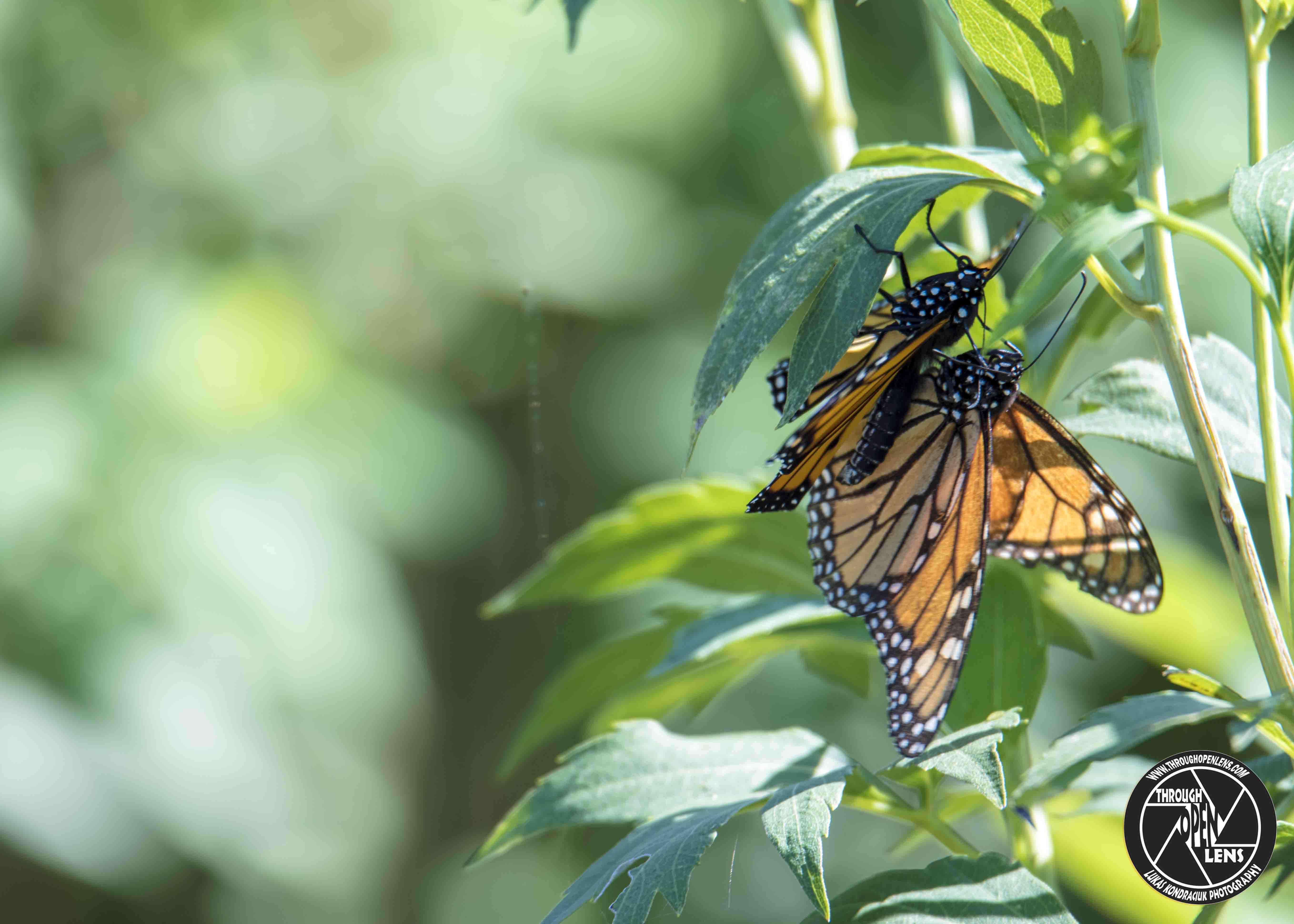
Social Butterfly!

F/6.3, 1/160, ISO 160.

Butterfly

What do you call a belt with a watch on it?

A waist of time.

Interesting Fact:  Butterflies in their adult stage can live from a week to nearly a year depending on the species. Many species have long larval life stages while others can remain dormant in their pupal or egg stages and thereby survive winters.[30] The Melissa Arctic (Oeneis melissa) overwinters twice as a caterpillar.[31] Butterflies may have one or more broods per year. The number of generations per year varies from temperate to tropical regions with tropical regions showing a trend towards multivoltinism. ( https://en.wikipedia.org/wiki/Butterfly#Biology )

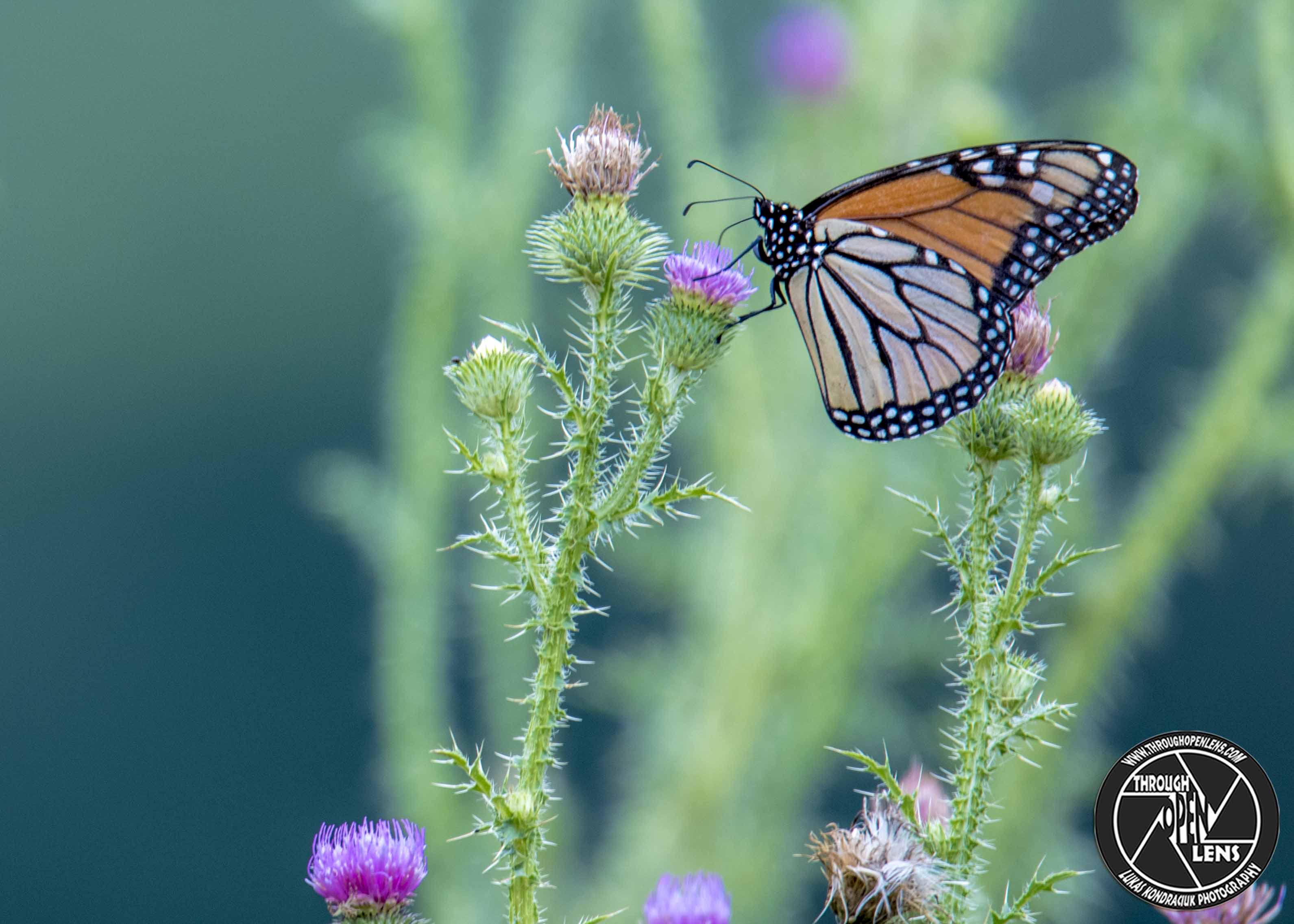
When Butterflies Fall In Love, Do They Feel Humans In Their Stomach?

F/6.3, 1/100, ISO 320.

Butterfly

What did the grape say when it was stepped on?

Nothing, it just let out a little wine.

Interesting Fact:  Butterflies are insects in the macrolepidopteranclade Rhopalocera from the orderLepidoptera, which also includes moths. Adult butterflies have large, often brightly coloured wings, and conspicuous, fluttering flight. The group comprises the large superfamilyPapilionoidea, which contains at least one former group, the skippers (formerly the superfamily “Hesperioidea”) and the most recent analyses suggest it also contains the moth-butterflies (formerly the superfamily “Hedyloidea”). Butterfly fossils date to the Paleocene, which was about 56 million years ago.  ( https://en.wikipedia.org/wiki/Butterfly )

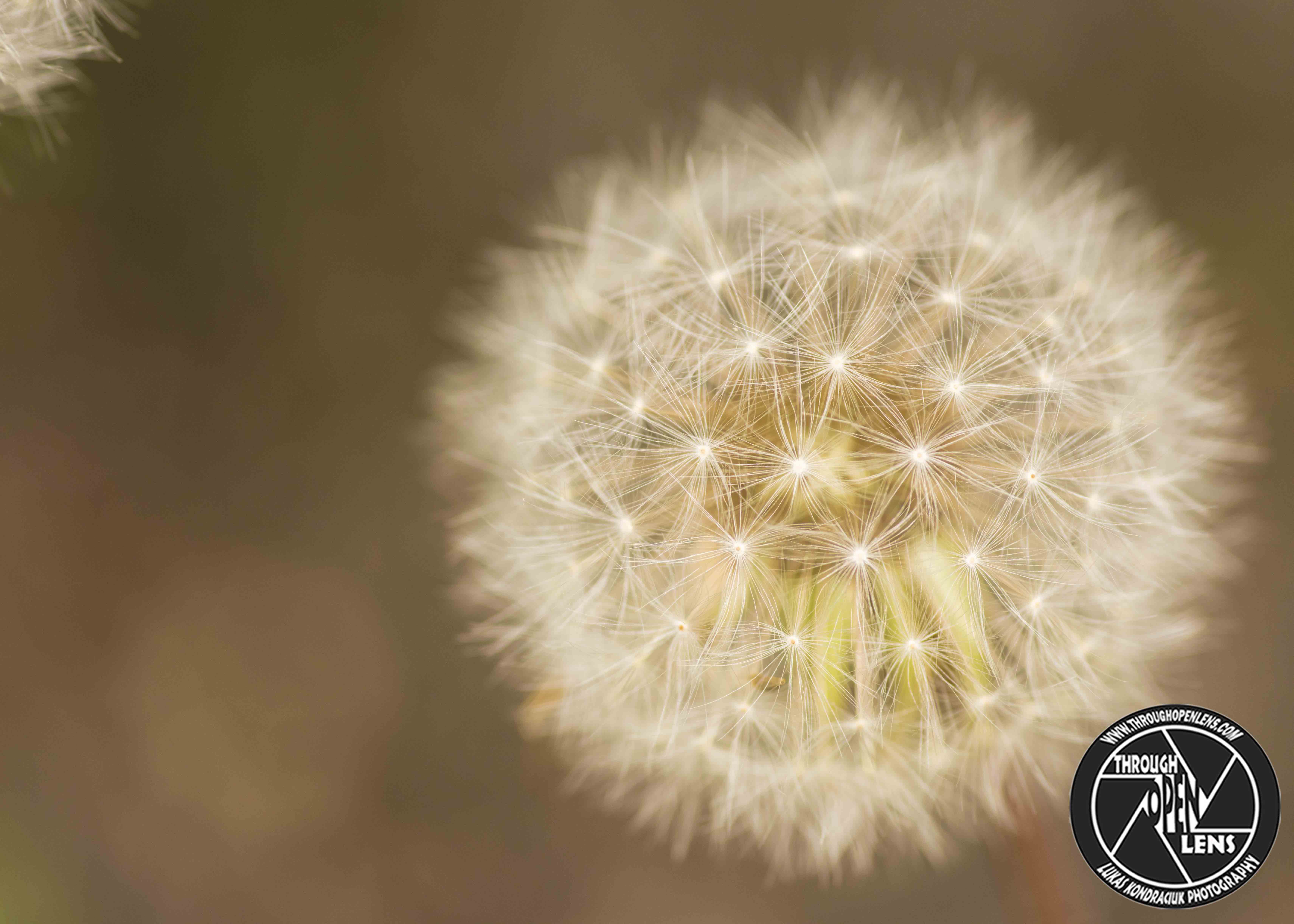
Blow Me

F/7.1, 1/200, ISO 500.

Dandelion ( Taraxacum )

What did the alien dandelion say to the earthly dandelion?

Take me to your weader!

Interesting Fact: Dandelions are thought to have evolved about 30 million years ago in Eurasia.[18]Fossil seeds of †Taraxacum tanaiticum have been recorded from the Pliocene of southern Russia.[19] Dandelions have been used by humans for food and as a herb for much of recorded history.[20] “They were well known to ancient Egyptians, Greeks and Romans, and have been used in Chinese traditional medicine for over a thousand years. Dandelions probably arrived in North America on the Mayflower – not as stowaways, but brought on purpose for their medicinal benefits,” according to the Maine Organic Farmers and Gardeners Association. ( https://en.wikipedia.org/wiki/Taraxacum#History )

You Really CHANGED!

F/9.0, 1/320, ISO 320.

Butterfly

What’s the secret to telling a good postman joke?

It’s all in the delivery

Interesting Fact: Butterflies feed primarily on nectar from flowers. Some also derive nourishment from pollen,[54] tree sap, rotting fruit, dung, decaying flesh, and dissolved minerals in wet sand or dirt. Butterflies are important as pollinators for some species of plants. In general, they do not carry as much pollen load as bees, but they are capable of moving pollen over greater distances.[55] Flower constancy has been observed for at least one species of butterfly. ( https://en.wikipedia.org/wiki/Butterfly )


What Am I Going To Do Today?

F/9.0, 1/320, ISO 320.

Eastern Chipmunk

Why did the tiny ghost join the football team?

He heard they needed a little team spirit.

Interesting Fact: It has several bird-like or chattering calls; one is a trill at the rate of 130 vibrations per minute and another is a lower-pitched, clicking sound. ( https://en.wikipedia.org/wiki/Eastern_chipmunk )

Ask Us About Our Hole?

F/6.3, 1/125, ISO 320.

Eastern chipmunks

What do you call a rooster who wakes you up at the same time every morning?

An alarm cluck!

Interesting Fact: The eastern chipmunk defends its burrow and lives a solitary life, except during mating season. Females usually produce one or two litters of three to five young.[5] The two breeding seasons are from February to April and from June to August. During the winter, the chipmunk may enter long periods of torpor, but does not truly hibernate. ( https://en.wikipedia.org/wiki/Eastern_chipmunk )


Hey, these are my nuts!

F/5.6, 1/160, ISO 800.

Eastern Chipmunk

Why did the skeleton burp?

Because it didn’t have the guts to fart.

Interesting Fact: A chipmunk’s cheeks can expand to three times the size of its head and they have pouches in their cheeks where they hold their food until they get back to store it in their burrows ( http://www.pets4homes.co.uk/pet-advice/fun-interesting-facts-about-chipmunks.html )