I Chill Harder Than You Party!

F/ 6.3, 1/60, ISO 320.

Wood Duck

What are those things you blow on and make wishes?

Breathalyzers

Interesting Fact: They are strong fliers and can reach speeds of 30 mph. Wood Ducks are not territorial, with the exception that a male may fight off other males that approach his mate too closely.  ( https://www.allaboutbirds.org/guide/Wood_Duck/lifehistory )

Once You Stop Chasing The Wrong Things, The Right Ones Catch You.

F/9.0, 1/320, ISO 160.

Wood Duck

How does a man show he’s planning for the future?

He buys two cases of Beer instead of one.

Interesting Fact: Wood ducks cavities are typically places where a branch has broken off and the tree’s heartwood has subsequently rotted. Woodpecker cavities are used less frequently. Wood Ducks cannot make their own cavities. The nest tree is normally situated near to or over water, though Wood Ducks will use cavities up to 1.2 miles from water. ( https://www.allaboutbirds.org/guide/Wood_Duck/lifehistory )


Quack, Damn You!

F/7.1, 1/200, ISO 160.

White-Cheeked Pintail 

Did you hear the one about the airplane?

Oh, never mind, it’s probably over your head.

Joke provided by:  Russell Smith ecstaticeclectica.com

Interesting Fact: The White-cheeked Pintail was first described in 1758 by Carolus Linnaeus, Swedish botanist, physician and zoologist. ( http://identify.whatbird.com/obj/1029/overview/White-cheeked_Pintail.aspx )


Time To Start Dabbling!

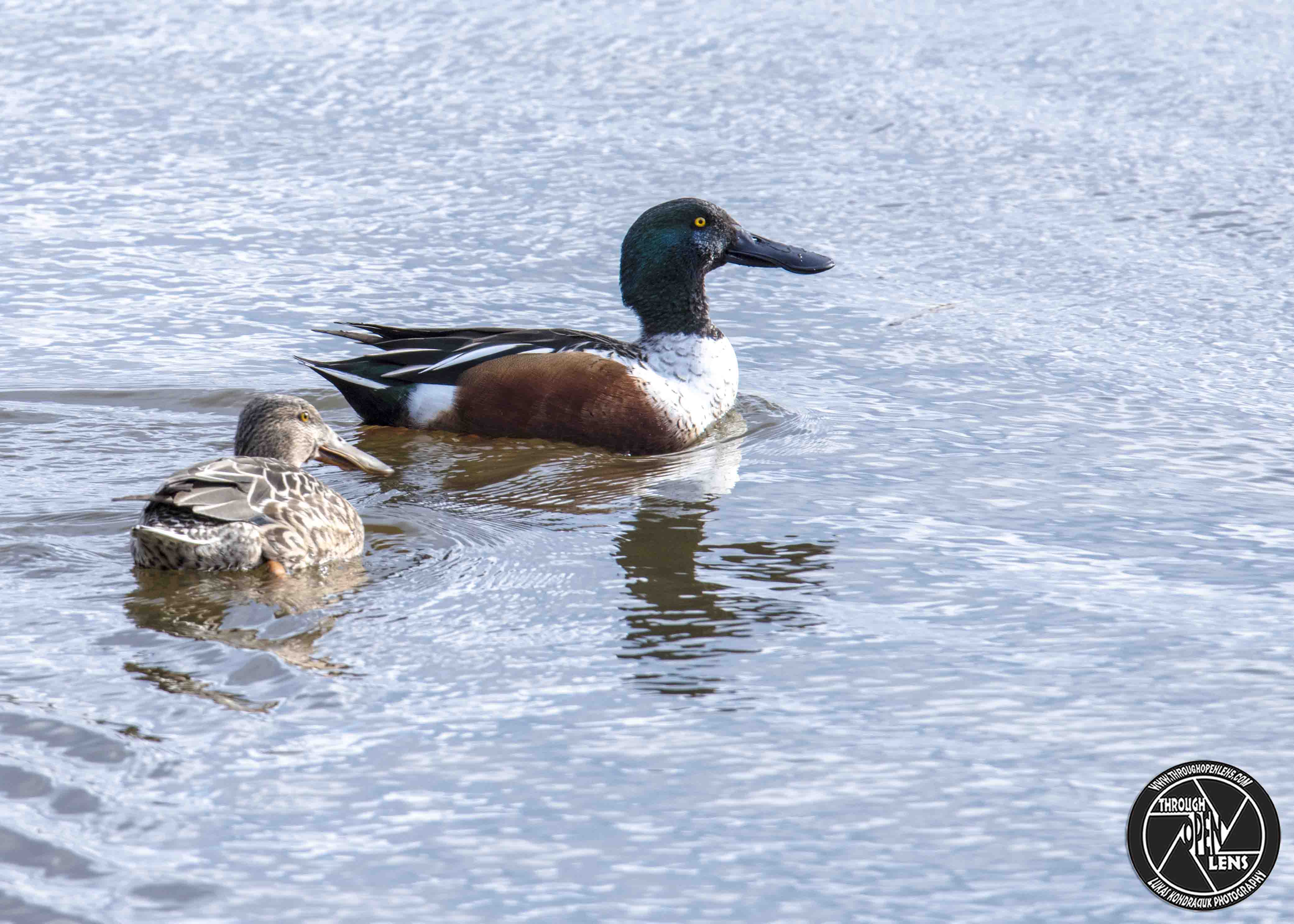
F/10.0, 1/400, ISO 400.

Northern Shoveler 

What do you call a dinosaur that sits on nails?

Megasaurus (mega sore ass).

Interesting Fact: Northern Shoveler pairs are monogamous, and remain together longer than pairs of other dabbling duck species. ( https://www.allaboutbirds.org/guide/Northern_Shoveler/lifehistory )


When I Dip You Dip We Dip!

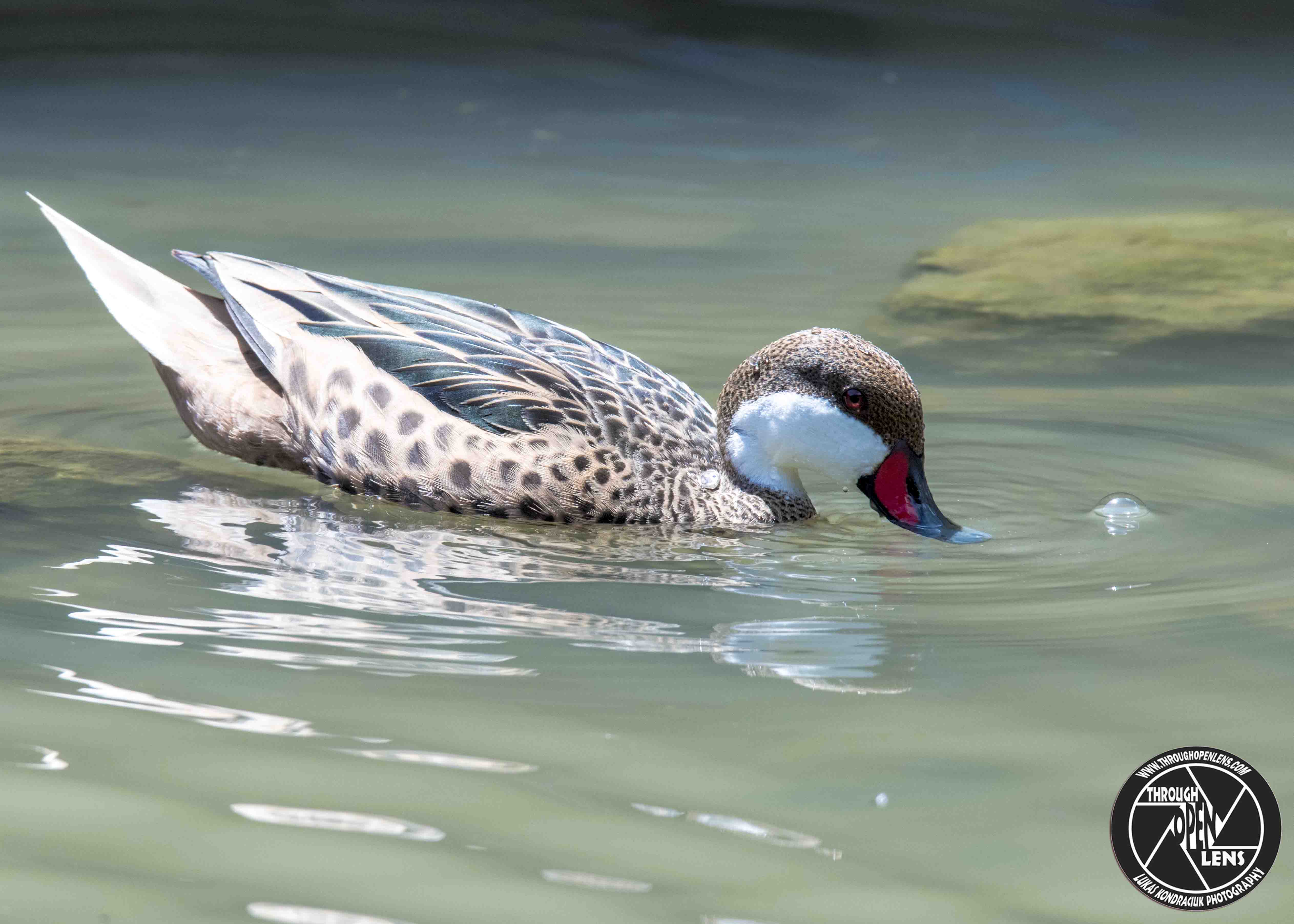
F/11.0, 1/500, ISO 800.

White-Cheeked Pintail 

Why did the coffee taste like mud?

It was fresh ground

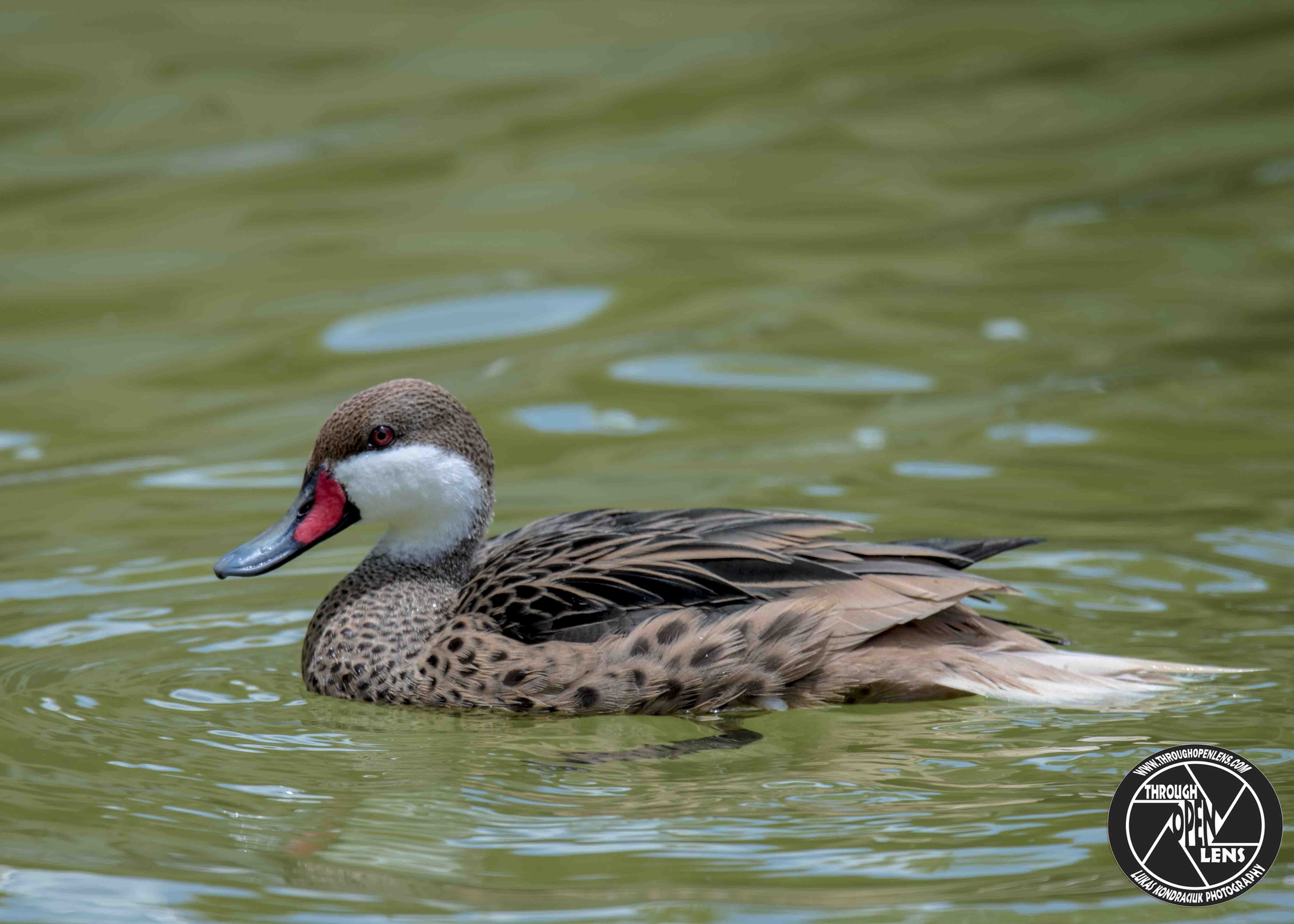
Interesting Fact: White-cheeked Pintail: This species is a native of the Caribbean Islands, South America, and the Galapagos Islands. Within the United States, it is a rare to casual visitor in southern Florida. This bird is found near rivers, lakes, and ponds, as well as along costal marshes and rocky or sandy seashores. The White-cheeked Pintail was first described in 1758 by Carolus Linnaeus, Swedish botanist, physician and zoologist. ( http://identify.whatbird.com/obj/1029/overview/White-cheeked_Pintail.aspx )

Making A Big Splash Today!

Happy 4th of July Everyone!

F/8.0, 1/250, ISO 160.

White-Cheeked Pintail

Did you hear about the painter who was hospitalized?

Reports say it was due to too many strokes.

Interesting Fact: It is popular in wildfowl collections, and escapees are frequently seen in a semi-wild condition in Europe. A leucistic (whitish) variant is known in aviculture as the Silver Bahama pintail. ( https://en.wikipedia.org/wiki/White-cheeked_pintail )

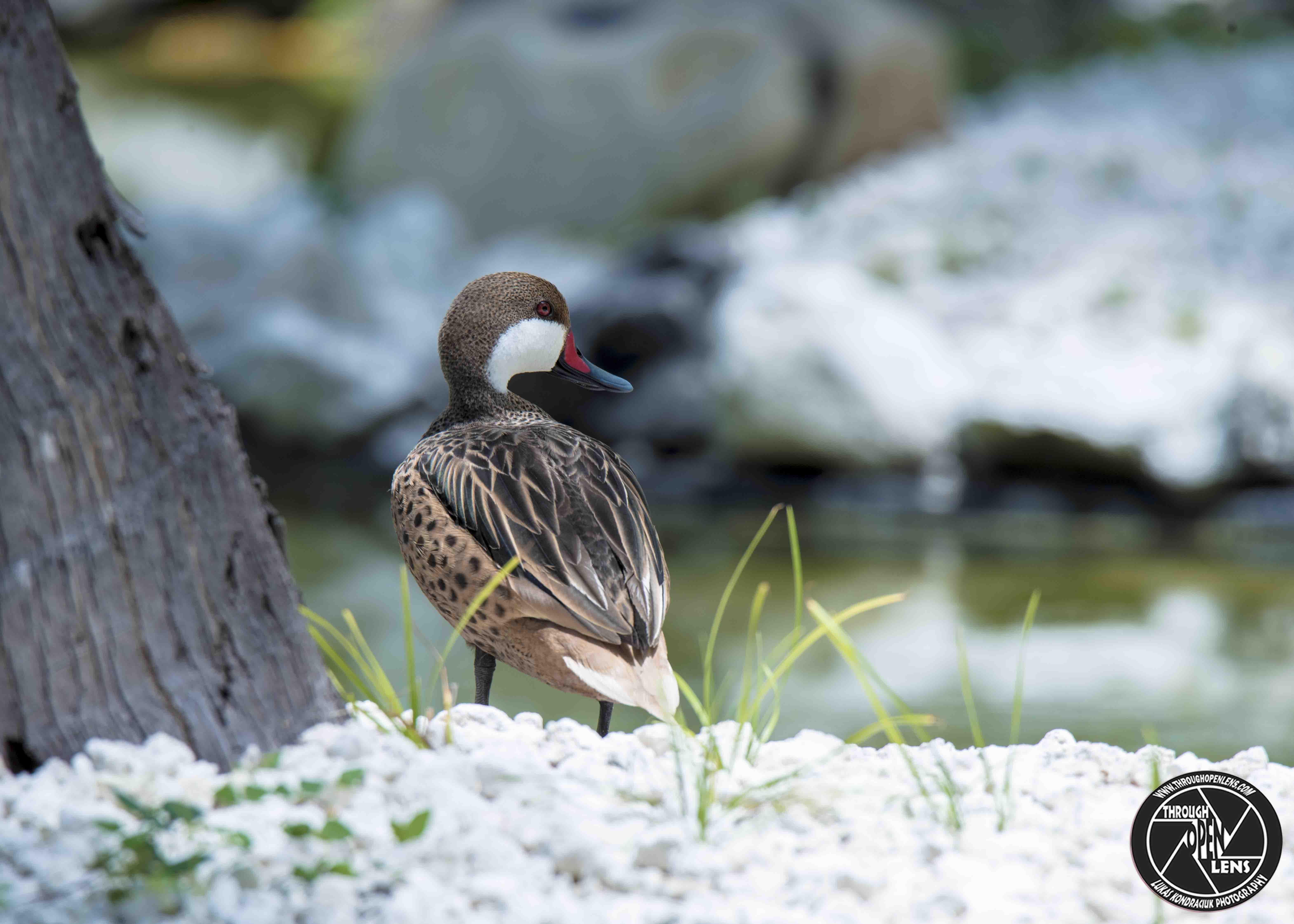
Don’t Turn Around Just Walk Away!

F/9.0, 1/320, ISO 160.

White-Cheeked Pintail

Why didn’t the elephant pack a suitcase for summer vacation?

Because he uses a trunk.

Interesting Fact: Like many southern ducks, the sexes are similar. It is mainly brown with white cheeks and a red-based grey bill (young birds lack the pink). It cannot be confused with any other duck in its range. ( https://en.wikipedia.org/wiki/White-cheeked_pintail )

That Moment That You Realize It Wasn’t A Fart!

F/6.3, 1/125, ISO 400.

White-cheeked pintail

When is a door sweet and tasty?

When its jammed!

Interesting Fact: The white-cheeked pintail feeds on aquatic plants and small creatures obtained by dabbling. The nest is on the ground under vegetation and near water. ( https://en.wikipedia.org/wiki/White-cheeked_pintail )

Save Water Take Baths With A Friend!

F/11.0, 1/500, ISO 400.

Northern Shoveler

What did the duck say when he dropped the dishes?

“I hope I didn’t quack any!”

Interesting Fact: Females use their body, feet, and bill to make a small depression on the ground about 8 inches wide. The nest scrape is usually surrounded on at least three sides by vegetation and lined with downy feathers. ( https://www.allaboutbirds.org/guide/Northern_Shoveler/lifehistory )


Let’s Swim Away Together!

F/9.0, 1/320, ISO 200.

Wood Ducks

A man and a woman have just had their 50th wedding anniversary.

The husband turns to his wife and asks, “What do you want to do to celebrate our anniversary dear?”

She replies, “Let’s run upstairs and make love.”

He turns to her and says, “Well make up your mind, we can’t do both!”

Interesting Fact: Egg-dumping, or “intraspecific brood parasitism” is common in Wood Ducks—females visit other Wood Duck cavities, lay eggs in them, and leave them to be raised by the other female. This may have been made more common by the abundance and conspicuousness of artificial nest boxes; in some areas it happens in more than half of all nests. Individual females typically lay 10-11 eggs per clutch, but some very full nests have been found containing 29 eggs, the result of egg-dumping. ( https://www.allaboutbirds.org/guide/Wood_Duck/lifehistory#behavior )