I Woke Up Early, There Was No Worm!

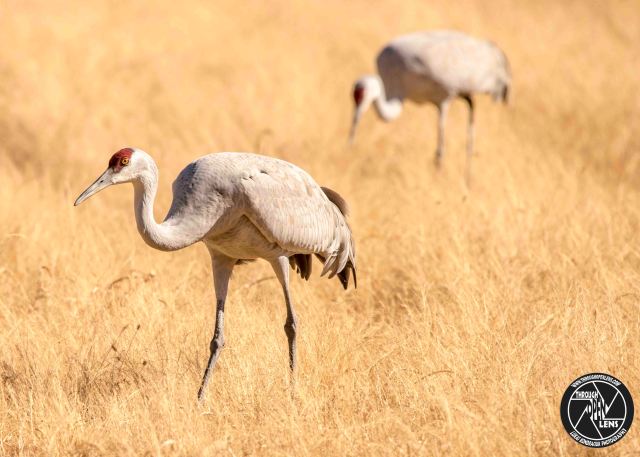
F/10.0, 1/400, ISO 250.

Sandhill Crane

Where do fortune tellers dance?

At the crystal ball.

Interesting Fact: The earliest Sandhill Crane fossil, estimated to be 2.5 million years old, was unearthed in the Macasphalt Shell Pit in Florida. ( https://www.allaboutbirds.org/guide/Sandhill_Crane/ )

I Know I Know I Am Standing Up For Myself!

F/6.3, 1/160, ISO 320.

Common Gallinule

Why is there only one Yogi Bear?

Because when they tried to make another one, they made a Boo-Boo.

Interesting Fact: The long-toed Common Gallinule walks atop floating vegetation and soft soils in a crouched position while slowly flicking its tail up. Seldom do you see them fly, but when they do, their flight is labored. They stride through water pumping their head forward with tail held horizontally and wings held up over the back. ( https://www.allaboutbirds.org/guide/Common_Gallinule/lifehistory )


It May Look Like I’m Doing Nothing. But In My Head, I’m Quite Busy.

F/9.0, 1/320, ISO 160.

Sandhill Cranes 

Why are baseball players so cool?

They always have their fans there!

Interesting Fact: During migration and winter the family units group together with other families and nonbreeders, forming loose roosting and feeding flocks—in some places numbering in the tens of thousands. Eggs, nestlings, and injured or sick adults may be hunted by foxes, raccoons, coyotes, wolves, bobcats, crows, ravens, eagles, and owls. Cranes attack aerial predators by leaping into the air and kicking their feet forward. They threaten terrestrial predators by spreading their wings and hissing, eventually resorting to kicking. ( https://www.allaboutbirds.org/guide/Sandhill_Crane/lifehistory )


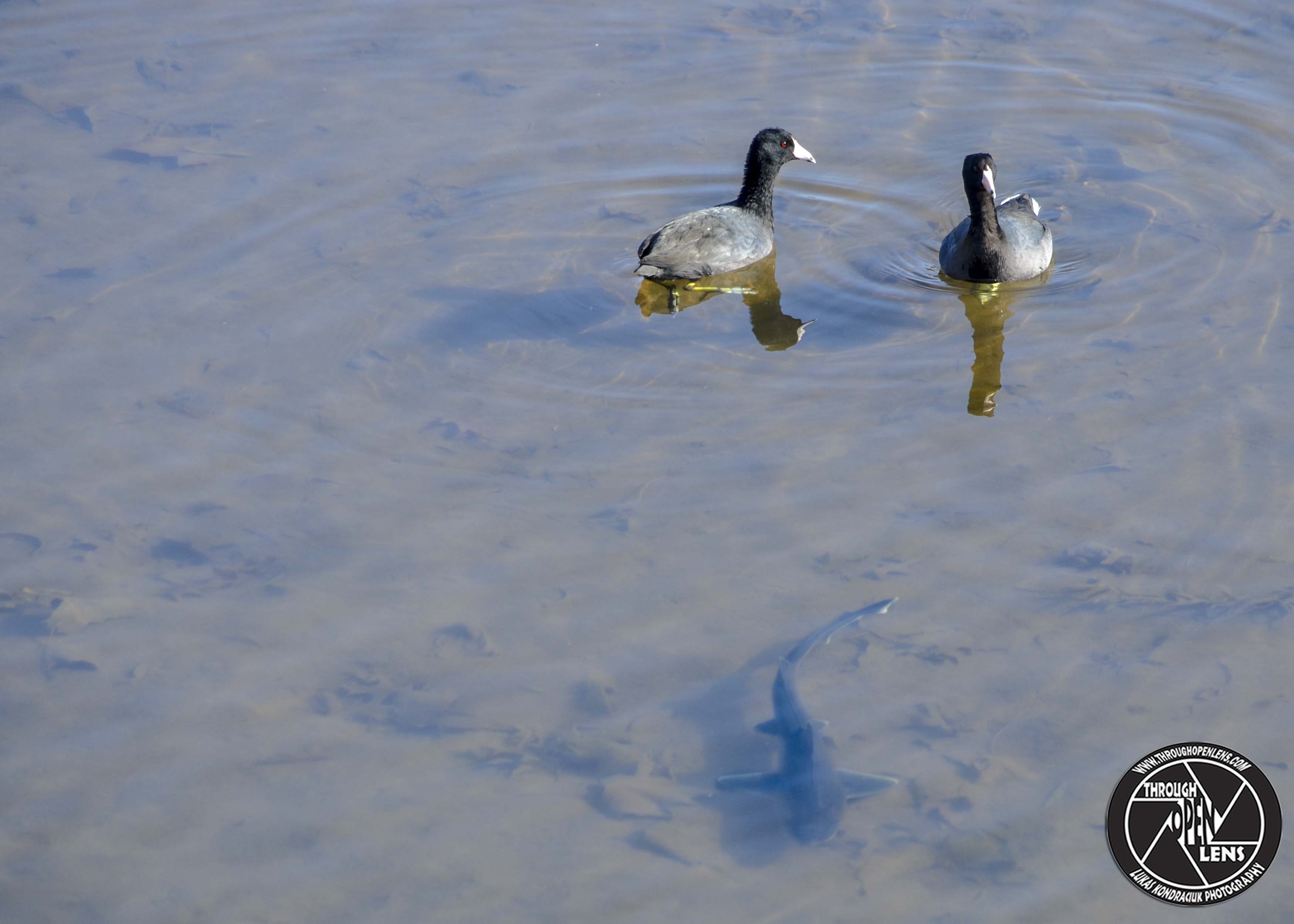
Duuun-Dunn-Dunn-Duh-Duh-Duh-Nuh-Nuh-Nuh-Nuuh!!!

F/5.6, 1/500, ISO 250.

Shark Week 

American Coot

Spiny Dogfish Shark

Why do sharks make terrible lawyers?

They’re too nice!

Interesting Fact: Although it swims like a duck, the American Coot does not have webbed feet like a duck. Instead, each one of the coot’s long toes has broad lobes of skin that help it kick through the water. The broad lobes fold back each time the bird lifts its foot, so it doesn’t impede walking on dry land, though it supports the bird’s weight on mucky ground. ( https://www.allaboutbirds.org/guide/American_Coot )