Why The Long Face?

F/6.3, 1/160, ISO 200.

Common Eider 

What did one toilet say to the other toilet?

You look a bit flushed.

Interesting Facts: This species dives for crustaceans and molluscs, with mussels being a favoured food. The eider will eat mussels by swallowing them whole; the shells are then crushed in their gizzard and excreted. When eating a crab, the eider will remove all of its claws and legs, and then eat the body in a similar fashion. ( https://en.wikipedia.org/wiki/Common_eider )

I Have My Goldeneye On You!

F/9.0, 1/320, ISO 160.

Common Goldeneye

Why did the cookie go to the hospital?

He felt crummy!

Interesting Fact: In winter and early spring, male Common Goldeneyes perform a complex series of courtship displays that includes up to 14 moves with names like “masthead,” “bowsprit,” and “head throw kick,” in which the male bends his head back to touch his rump, then thrusts forward and kicks up water with his feet. ( https://www.allaboutbirds.org/guide/Common_Goldeneye/

If A Turtle Loses It’s Shell Is It Naked Or Homeless?

F/7.1, 1/200, ISO 200.

Common Snapping Turtle

What kind of photos does a turtle take?

Shellfies.

Interesting Fact: In their environment, they are at the top of the food chain, causing them to feel less fear or aggression in some cases. When they encounter a species unfamiliar to them such as humans, in rare instances, they will become curious and survey the situation and even more rarely may bump their nose on a leg of the person standing in the water. Although snapping turtles have fierce dispositions,[16] when they are encountered in the water or a swimmer approaches, they will slip quietly away from any disturbance or may seek shelter under mud or grass nearby.[17] Common snapping turtles are very aggressive if caught, and have a strong enough bite to easily amputate human fingers. ( https://en.wikipedia.org/wiki/Common_snapping_turtle#Behavior )

I’m Walking Here!

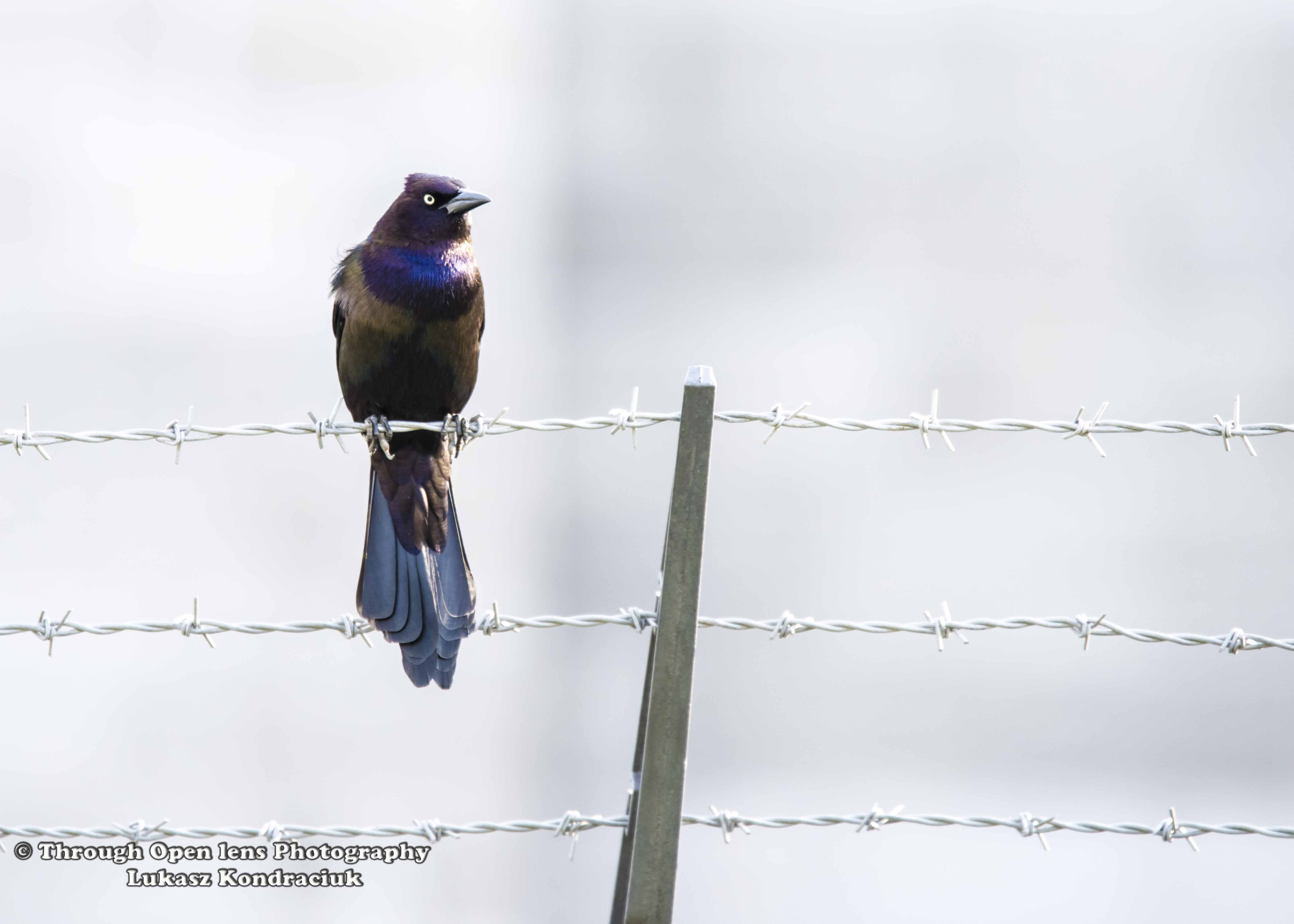
Common Grackle 2

F/6.3, 1/1600, ISO 250.

Common Grackle 

How do men exercise at the beach?

By sucking in their stomach every time they see a girl in a bikini.

Interesting Fact: Common Grackles are resourceful foragers. They sometimes follow plows to catch invertebrates and mice, wade into water to catch small fish, pick leeches off the legs of turtles, steal worms from American Robins, raid nests, and kill and eat adult birds. ( https://www.allaboutbirds.org/guide/Common_Grackle/lifehistory )

Because I’m Bad, I’m Bad, Really, Really Bad

Common Grackle 1

F/7.1, 1/200, ISO 320.

Common Grackle  

A guy walks into an antique store and buys a grandfather clock, he walks out of the shop with it and accidentally walks into a drunk guy. (they both fall over and the clock gets smashed to bits)
The guy says to the drunk, “Why don’t you watch where your going?” and the drunk says, “Why don’t you carry a wrist watch like everybody else?”

Interesting Fact: You might see a Common Grackle hunched over on the ground, wings spread, letting ants crawl over its body and feathers. This is called anting, and grackles are frequent practitioners among the many bird species that do it. The ants secrete formic acid, the chemical in their stings, and this may rid the bird of parasites. In addition to ants, grackles have been seen using walnut juice, lemons and limes, marigold blossoms, chokecherries, and mothballs in a similar fashion. ( https://www.allaboutbirds.org/guide/Common_Grackle/lifehistory )

SNOW!!! And Away I GO!!!

Common Merganser flying

F/5.3, 1/160, ISO 800.

Common Merganser

What did the parrot say when he saw a duck?

Polly want a quacker!

Interesting Fact: Common Mergansers are sometimes called sawbills, fish ducks, or goosanders. The word “merganser” comes from the Latin and roughly translates to “plunging goose”—a good name for this very large and often submerged duck. ( https://www.allaboutbirds.org/guide/Common_Merganser/lifehistory )

We Are Always Landing On Our Feet

Common Merganser

F/8.0, 1/2000, ISO 800.

Common Merganser

Duck Week Last Day

A duck walks into a bar and says to the bar tender “I’ll have a beer”.

The bartender says “Hey! where did you come from?”

The duck says “I’m working the construction site across the street”.

And the bartender says, “Well why are you working construction when you could be making millions in the circus?”

And the duck said “What would the circus want with a brick laying duck?”


Interesting Fact: You may see gulls trailing flocks of foraging Common Mergansers. They wait for the ducks to come to the surface and then try to steal their prey rather than fishing on their own. Occasionally even a Bald Eagle will try to steal a fish from a merganser. ( https://www.allaboutbirds.org/guide/Common_Merganser/lifehistory )

Keep Calm And Swim On!

Common Loon Juvenile

F/6.3, 1/1000, ISO 560.

Common Loon ( Juvenile )

Day 208 /365

How do people swimming in the ocean say HI to each other?

They Wave!

Interesting Fact: Loons are well equipped for their submarine maneuvers to catch fish. Unlike most birds, loons have solid bones that make them less buoyant and better at diving. They can quickly blow air out of their lungs and flatten their feathers to expel air within their plumage, so they can dive quickly and swim fast underwater. Once below the surface, the loon’s heart slows down to conserve oxygen. ( http://www.allaboutbirds.org/guide/common_loon/lifehistory )

Snow Again!

Common Merganser

F/6.3, 1/800, ISO 800.

Common Merganser

Day 60 / 365

You quack me up!

Interesting Fact: These large fish-eaters have serrated edges to their bills to help them grip their prey. Along with the Smew and the other Mergansers, they are often known as “sawbills.” ( http://identify.whatbird.com/obj/416/_/Common_Merganser.aspx )