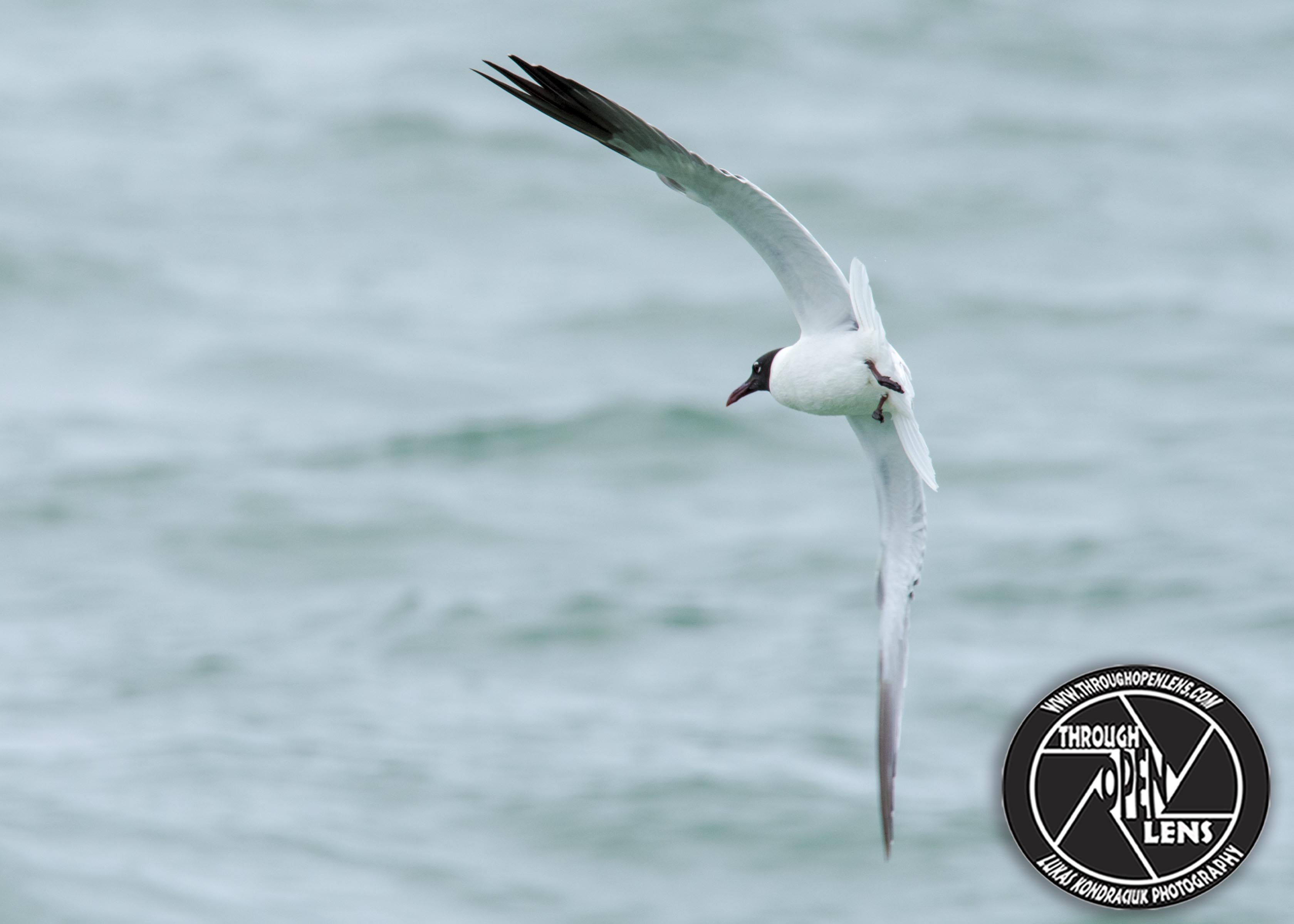
Fox News!

F/10.0, 1/400, ISO 500.

Red Fox

What does a skeleton order at a restaurant?

Spare ribs!

Interesting Fact: Like a cat’s, the fox’s thick tail aids its balance, but it has other uses as well. A fox uses its tail (or “brush”) as a warm cover in cold weather and as a signal flag to communicate with other foxes. ( http://www.nationalgeographic.com/animals/mammals/r/red-fox/ )

Basic Maneuvers!

F/11.0, 1/500, ISO  320.

Laughing Gull

Why is a river rich?

It has banks on both sides.

Interesting Fact:  The adult Laughing Gull removes the eggshells from the nest after the eggs hatch. If the shells are not removed, a piece can become lodged on top of the slightly smaller unhatched third egg and prevent it from hatching. ( https://www.allaboutbirds.org/guide/Laughing_Gull/lifehistory )

Not Fair You Are Peeking!

F/8.0, 1/250, ISO 200.

White-Tailed Deer 

How does NASA organize a birthday party?

They planet!

Interesting Fact: Males compete for the opportunity of breeding females. Sparring among males determines a dominance hierarchy.[63] Bucks attempt to copulate with as many females as possible, losing physical condition, since they rarely eat or rest during the rut. The general geographical trend is for the rut to be shorter in duration at increased latitude. Many factors determine how intense the “rutting season” will be; air temperature is a major one. Any time the temperature rises above 40 °F (4 °C), the males do much less traveling looking for females, else they will be subject to overheating or dehydrating. Another factor for the strength in rutting activity is competition. If numerous males are in a particular area, then they compete more for the females. If fewer males or more females are present, then the selection process will not need to be as competitive. ( https://en.wikipedia.org/wiki/White-tailed_deer )


Waiting Here For You

F/13.0, 1/640, ISO 320.

Great Black-backed Gull

Four high school boys afflicted with spring fever skipped morning classes. After lunch they reported to the teacher that they had a flat tire.

Much to their relief she smiled and said, “Well, you missed a test today so take seats apart from one another and take out a piece of paper.”

Still smiling, she waited for them to sit down. Then she said: “First Question: Which tire was flat?”

Interesting Fact: The Great Black-backed Gull is one of many bird species whose feathers were used for fashionable clothing in the 1800s. After the demise of the feather trade in the early 1900s, Great Black-backed Gull populations increased and spread farther south. Garbage dumps and other sources of human refuse have contributed to their range expansion. ( https://www.allaboutbirds.org/guide/Great_Black-backed_Gull/lifehistory )

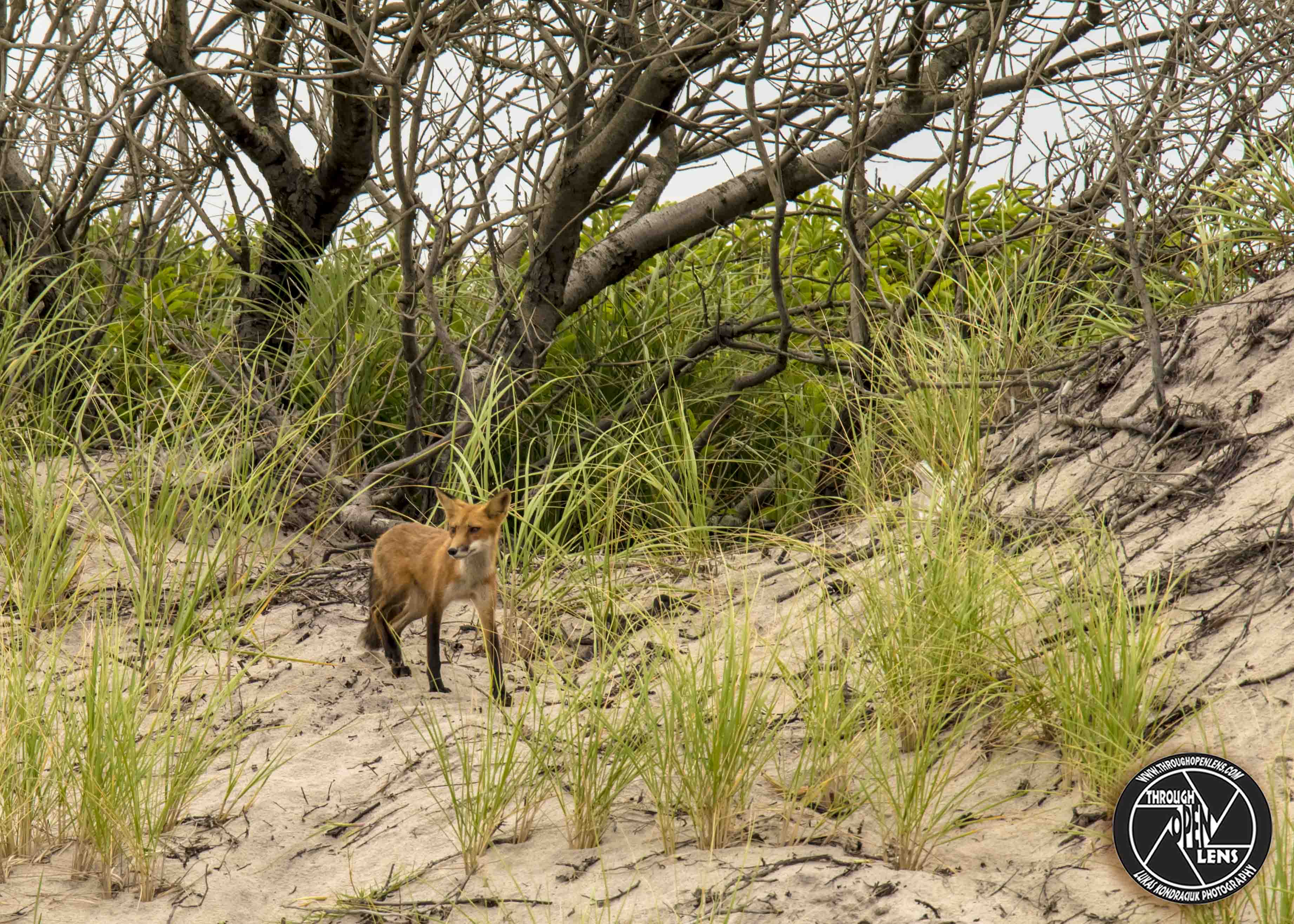
Life Is Better When You’re Laughing

F/11.0, 1/500, ISO 320.

Laughing Gull  

Why do hamburgers go to the gym?

To get better buns

Interesting Fact: The Laughing Gull is normally diurnal, or active during the day. During the breeding season it forages at night as well. It usually looks for food along the beach at night, but will also hover to catch insects around lights. ( https://www.allaboutbirds.org/guide/Laughing_Gull/lifehistory )


Why You All Up In My Business!

osprey

F/5.6, 1/500, ISO200.

Osprey

What does the man in the moon do when his hair gets too long?

Eclipse it!

Interesting Fact: Ospreys hunt by diving to the water’s surface from some 30 to 100 feet (9 to 30 meters) up. They have gripping pads on their feet to help them pluck fish from the water with their curved claws and carry them for great distances. In flight, ospreys will orient the fish headfirst to ease wind resistance. ( https://www.nationalgeographic.com/animals/birds/o/osprey/ )

I Believe I Can Fly!

Franklin's Gull 1

F/14.0, 1/640, ISO 320.

Franklin’s Gull

What did the pig say at the beach on a hot summer’s day?

I’m bacon!

Interesting Fact: In breeding plumage, and sometimes in nonbreeding plumage as well, the Franklin’s Gull often shows a rosy pink cast (rarely salmon) on its chest and abdomen. This color is most apparent on the shafts and bases of its feathers. The color fades as the breeding season progresses as the pigment is broken down by sunlight.  ( https://www.allaboutbirds.org/guide/Franklins_Gull/lifehistory )


Lazy Like A Log

Log

F/11.0, 1/500, ISO 320.

Pretend you’re in a box, under the ocean, and there’s no way out. How do you survive?

You stop pretending!

Interesting Fact: Beaches became popular as tourist attractions during the 18th century. Today, beachside towns and beach resort areas are a magnet for tourist who come to sunbathe, swim, stroll the beach, build sandcastles, surf and bodyboard. ( http://www.sciencekids.co.nz/sciencefacts/earth/beaches.html )


Ready, Set, Go!

Vesper Sparrow

F/7.1, 1/200, ISO 320.

Vesper Sparrow

Couples first day at a resort decided to hit the beach.
When the guy went back to there room to get something to drink, one of the hotel maids was making the bed.
He grabbed his cooler and was on my way out when he paused and asked, “Can we drink beer on the beach?”
“Sure,” she said, “but I have to finish the rest of the rooms beforehand.”

Interesting Fact: The Vesper Sparrow responds quickly to changes in habitat; it is often the first species to occupy reclaimed mine sites and abandon old farm fields as they return to forest.  ( https://www.allaboutbirds.org/guide/Vesper_Sparrow/lifehistory )

Where Are We?

House Finches

F/10.0, 1/400, ISO 200.

House Finch

What did the bra say to the hat?

You go on ahead while I give these two a lift!

Interesting Fact: The total House Finch population across North America is staggering. Scientists estimate between 267 million and 1.4 billion individuals. ( https://www.allaboutbirds.org/guide/House_Finch/lifehistory )