When I Was Born I Was So Surprised I Didn’t Talk For A Year And Half

F/5.6, 1/800, ISO 250.

White-throated Sparrow

What do you call a fake noodle?

An Impasta

Interesting Fact:  White-throated Sparrows eat mainly the seeds of grasses and weeds, including ragweed and buckwheat, as well as fruits of sumac, grape, cranberry, mountain ash, rose, blueberry, blackberry, and dogwood. In summer they eat large numbers of insects that they catch on the forest floor or, occasionally on quick flights out from low vegetation. These include dragonflies, wasps, stinkbugs, beetles, flies, and caterpillars, as well as spiders, millipedes, centipedes, and snails. Parents feed their nestlings almost exclusively animal matter. During winter, White-throated Sparrows readily visit bird feeders for millet and black oil sunflower seeds. In spring they eat the tender buds, blossoms, and young seeds of oak, apple, maple, beech, and elm. ( https://www.allaboutbirds.org/guide/White-throated_Sparrow/lifehistory )


I See You Watching Me!

brown-thrasher

F/6.3, 1/160, ISO 320.

Brown Thrasher

A bird was flying south for Winter, but he had left it too late and was frozen solid in a storm. He dropped down into a pasture of cows. The biggest, fattest cow was doing a crap there, and the bird landed in it.

At first he was disgusted, until he realised the poo was thawing him out! He started crying out for joy as the ice melted. A cat that was nearby heard the cries, walked over, saw the bird and ate it

There are three morals to this story:

1. Not everyone who gets you into sh*t is your enemy

2. Not everyone who gets you out of sh*t is your friend

3. If you are in s#!t, keep your mouth shut

Interesting Fact: Brown Thrashers are accomplished songsters that may sing more than 1,100 different song types and include imitations of other birds, including Chuck-will’s-widows, Wood Thrushes, and Northern Flickers. ( https://www.allaboutbirds.org/guide/Brown_Thrasher/lifehistory )

I Was Going To Give You A Nesty Look… But I See You Already Have One…

osprey-1

F/7.1, 1/800, ISO 200.

Osprey

Why doesn’t Dracula have any friends?

Because he is a pain in the neck.

Interesting Fact: An Osprey may log more than 160,000 migration miles during its 15-to-20-year lifetime. Scientists track Ospreys by strapping lightweight satellite transmitters to the birds’ backs. The devices pinpoint an Osprey’s location to within a few hundred yards and last for 2-3 years. During 13 days in 2008, one Osprey flew 2,700 miles—from Martha’s Vineyard, Massachusetts, to French Guiana, South America.  ( https://www.allaboutbirds.org/guide/Osprey/lifehistory )

Sometimes What You Looking For Comes When You’re Not Looking At All.

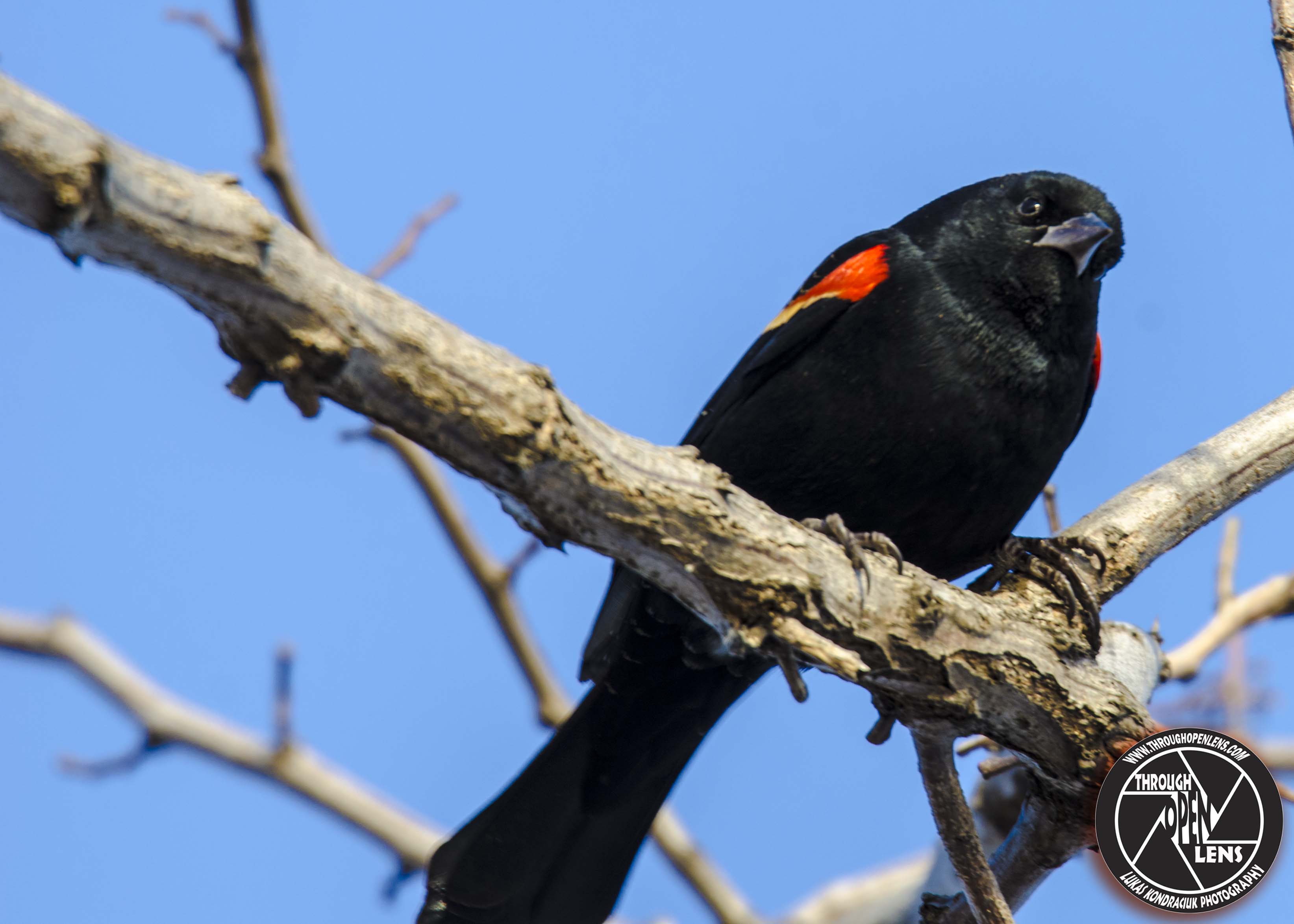
red-winged-blackbird

F/8.0, 1/125, ISO 180.

Red-winged Blackbird

Why can’t you tell an egg a joke?

Because it will crack up

Interesting Fact: Male Red-winged Blackbirds fiercely defend their territories during the breeding season, spending more than a quarter of daylight hours in territory defense. He chases other males out of the territory and attacks nest predators, sometimes going after much larger animals, including horses and people. ( https://www.allaboutbirds.org/guide/Red-winged_Blackbird/lifehistory )

Not In A Tweeting Mood!

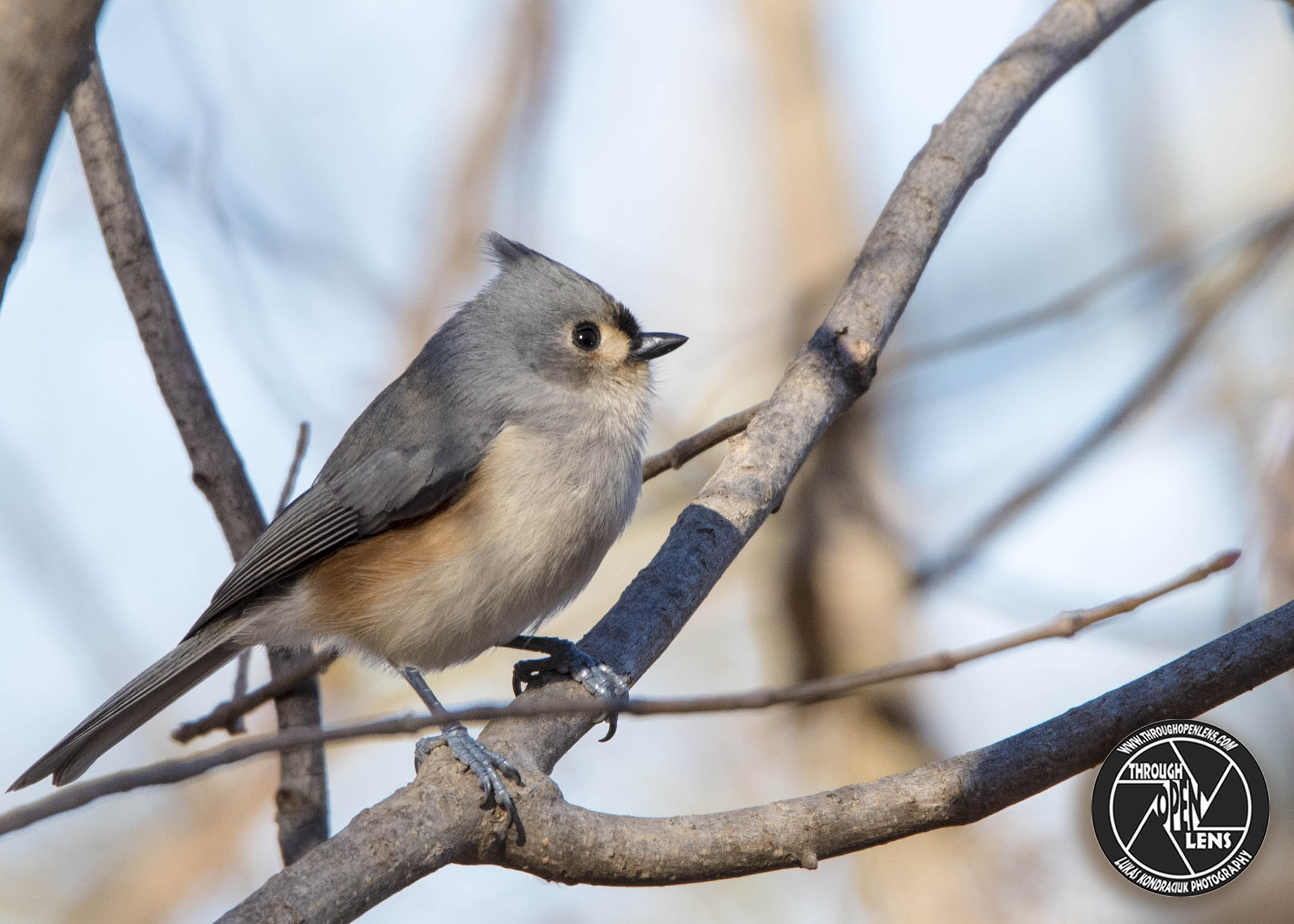
tufted-titmouse-3

F/10.0, 1/400, ISO 400.

Tufted Titmouse

Why did the storm trooper buy an iphone?

He couldn’t find the Droid he was looking for.

Interesting Fact: Tufted Titmice often line the inner cup of their nest with hair, sometimes plucked directly from living animals. The list of hair types identified from old nests includes raccoons, opossums, mice, woodchucks, squirrels, rabbits, livestock, pets, and even humans. ( https://www.allaboutbirds.org/guide/Tufted_Titmouse/lifehistory )


Branch Manager

yellow-rumped-warbler

F/9.0, 1/320, ISO 500.

Yellow-Rumped Warbler

What did the tree do when the bank closed?

It started its own branch.

Interesting Fact: Male Yellow-rumped Warblers tend to forage higher in trees than females do. ( https://www.allaboutbirds.org/guide/Yellow-rumped_Warbler/lifehistory )


Cold Doesn’t Bother Me Anyway.

F/6.3, 1/160, ISO 320.

Dark-eyed Junco 

What do ghosts serve for dessert?

I Scream.

Interesting Fact: The female chooses the nest site, typically in a depression or niche on sloping ground, rock face, or amid the tangled roots of an upturned tree. Around people, juncos may nest in or underneath buildings. Occasionally, juncos nest above the ground on horizontal branches (rarely as high as 45 feet), window ledges, and in hanging flower pots or light fixtures. ( https://www.allaboutbirds.org/guide/Dark-eyed_Junco/lifehistory )


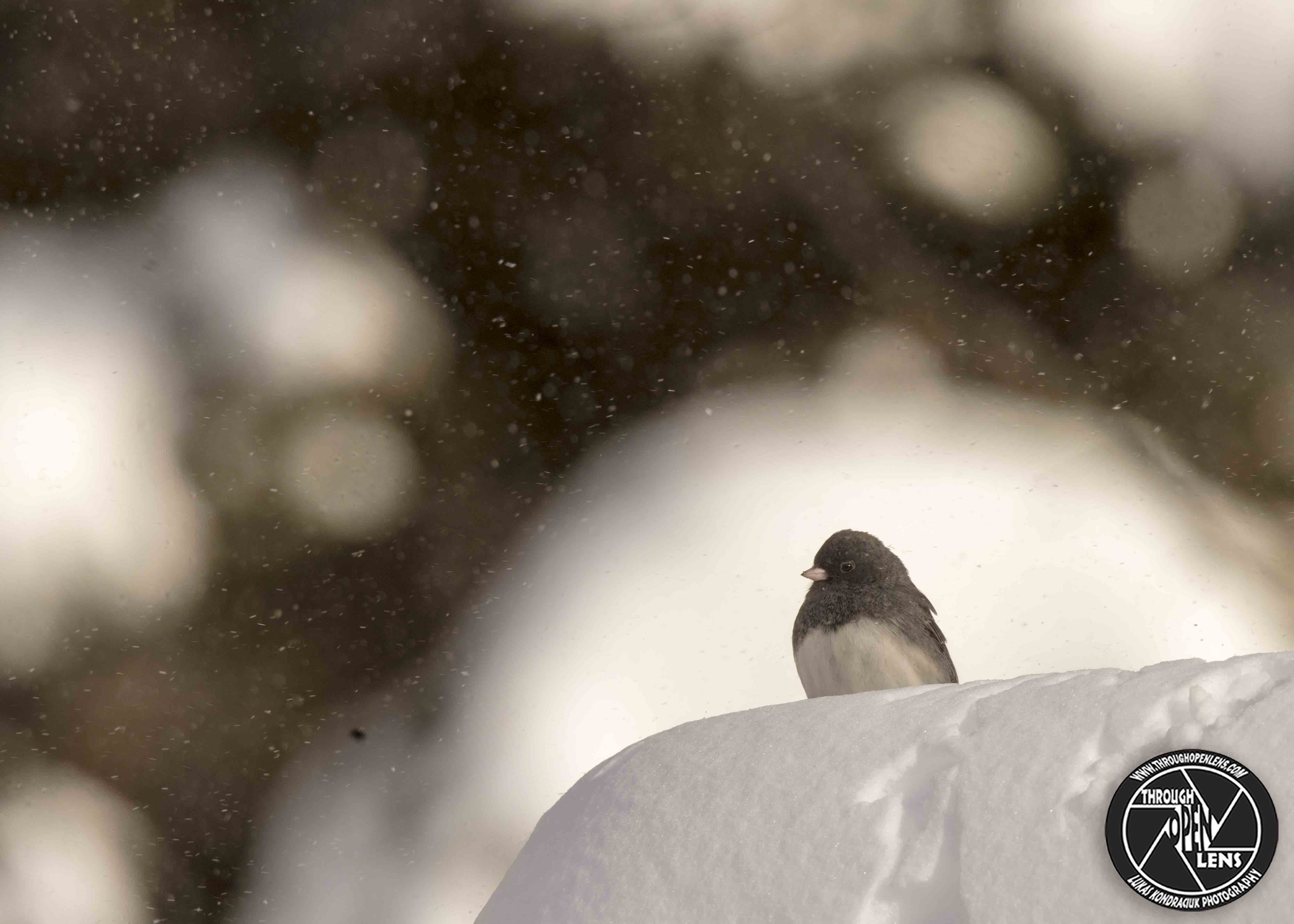
Let It Snow!

F/10.0, 1/800, ISO 250.

Dark-eyed Junco

What do you call an old snowman?

Water!

Interesting Fact: The oldest recorded Dark-eyed Junco was at least 11 years, 4 months old when it was recaptured and rereleased during banding operations in West Virginia in 2001. It had been banded in the same state in 1991. ( https://www.allaboutbirds.org/guide/Dark-eyed_Junco/lifehistory )

A Bird Does Not Sing Becauces It Has An Answer. It Sings Because It Has A Song.

F/6.3, 1/100, ISO 320.

Tufted Titmouse

What is the snowman’s breakfast?…

Frosted flakes!

Interesting Fact: The Black-crested Titmouse of Texas and Mexico has at times been considered just a form of the Tufted Titmouse. The two species hybridize where they meet, but the hybrid zone is narrow and stable over time. They differ slightly in the quality of their calls, and show genetic differences as well. ( https://www.allaboutbirds.org/guide/Tufted_Titmouse/lifehistory )

Nooo, Go Away You Are Bothering Me!

Tree Swallow

F/5,6, 1/400, ISO 125.

Tree Swallow

How do you make a water bed more bouncy?

Use spring water.

Interesting Fact: The Tree Swallow—which is most often seen in open, treeless areas—gets its name from its habit of nesting in tree cavities. They also take readily to nest boxes.  ( http://www.allaboutbirds.org/guide/tree_swallow/lifehistory )