Have You Hugged A Tree Today?

F/8.0, 1/250, ISO 320.

Brown Creeper

How do you make a tissue dance?

Put a little boogie in it.

Interesting Fact: The Brown Creeper builds a hammock-like nest behind a loosened flap of bark on a dead or dying tree. It wasn’t until 1879 that naturalists discovered this unique nesting strategy. ( https://www.allaboutbirds.org/guide/Brown_Creeper/lifehistory )

You Can Stop Driving Me Crazy,I Can Walk From Here!

F/11.0, 1/500, ISO 200.

Snowy Egret

A little boy asked his father, “Daddy, how much does it cost to get married?”

And the father replied, “I don’t know, son, I’m still paying for it.”

Interesting Fact: During the breeding season, adult Snowy Egrets develop long, wispy feathers on their backs, necks, and heads. In 1886 these plumes were valued at $32 per ounce, which was twice the price of gold at the time. Plume-hunting for the fashion industry killed many Snowy Egrets and other birds until reforms were passed in the early twentieth century. The recovery of shorebird populations through the work of concerned citizens was an early triumph and helped give birth to the conservation movement. ( https://www.allaboutbirds.org/guide/Snowy_Egret )

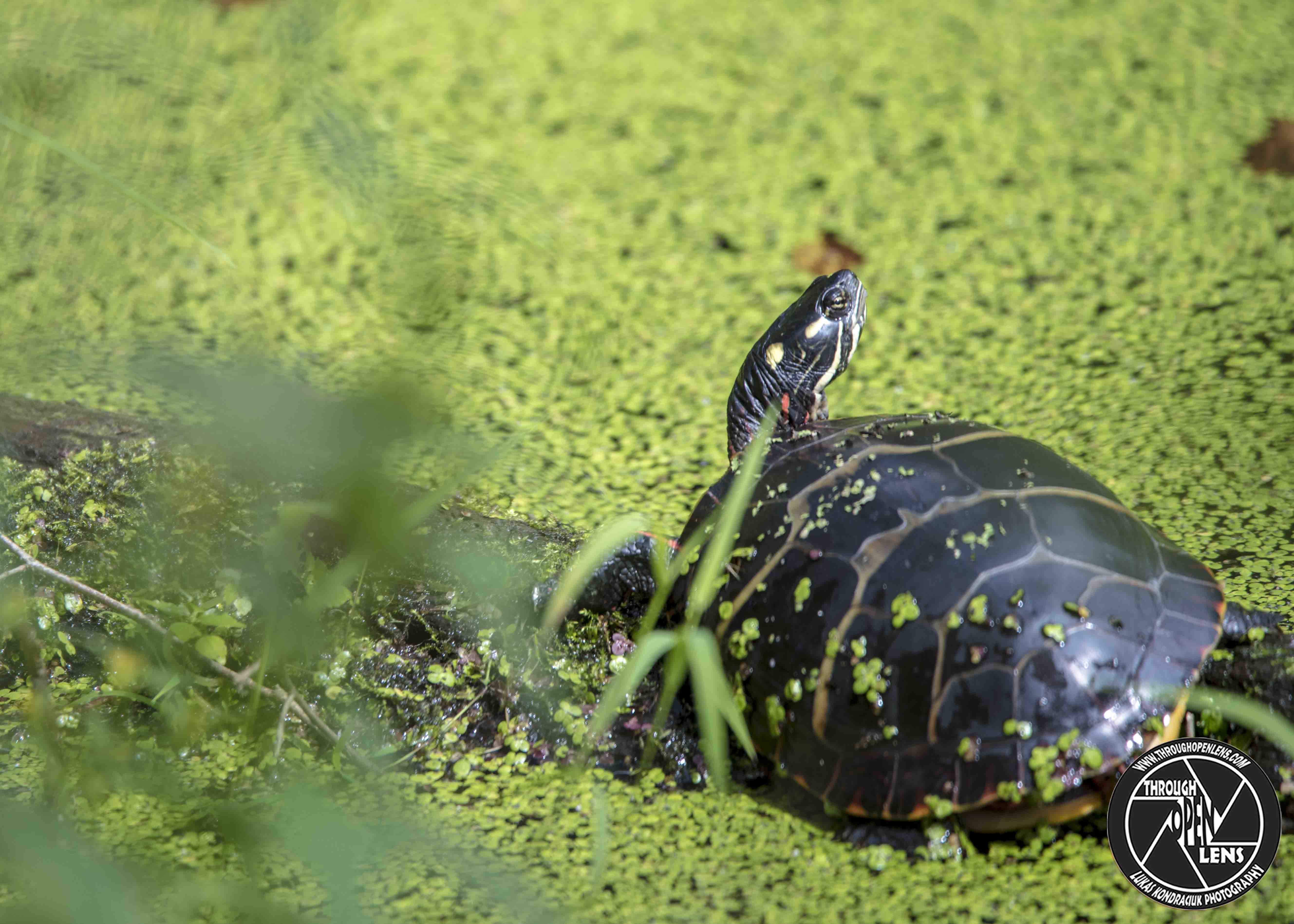
Turtle Power!

F/6.3, 1/125, ISO 200.

Red-Eared Slider Turtle 

What did one elevator say to the other?

I think I’m coming down with something!

Interesting Fact: Red-eared sliders are almost entirely aquatic, but as they are cold-blooded, they leave the water to sunbathe to regulate their temperature.  ( https://en.wikipedia.org/wiki/Red-eared_slider )

Keep Calm And Hop On!

F/8.0, 1/250, ISO 250.

Desert Cottontail Rabbit

What do rabbits say before they eat?

Lettuce pray.

Interesting Fact: Due to the variable temperature of living conditions, desert cottontails must be adequate thermoregulators to minimize water loss during the hotter seasons and require shaded areas of their environment to conduct evaporative water loss through thermal heat transfer. In open-desert areas, they can withstand for a short period with extremely high temperatures of around 45 °C and have a large evaporative water loss capacity of around 1.5% body mass/hour, though cottontails can withstand longer in an ideal environment with shaded areas. To cope with evaporative heat loss, they do panting and undergo changes in production of their basal metabolic rate in relation to the ambient temperature of the environment. Ears of desert cottontails make up 14% of their body size and may help with thermoregulation. ( https://en.wikipedia.org/wiki/Desert_cottontail )

Sing… The World Needs More Music!

F/8.0, 1/250, ISO 320.

Yellow Warbler Immature (Northern)

How do you make an egg laugh?

Tell it a yolk.

Interesting Fact: In addition to the migratory form of the Yellow Warbler that breeds in North America, several other resident forms can be found in Mexico, Central America, and the Caribbean. Males in these populations can have chestnut caps or even chestnut covering the entire head. ( https://www.allaboutbirds.org/guide/Yellow_Warbler/overview )