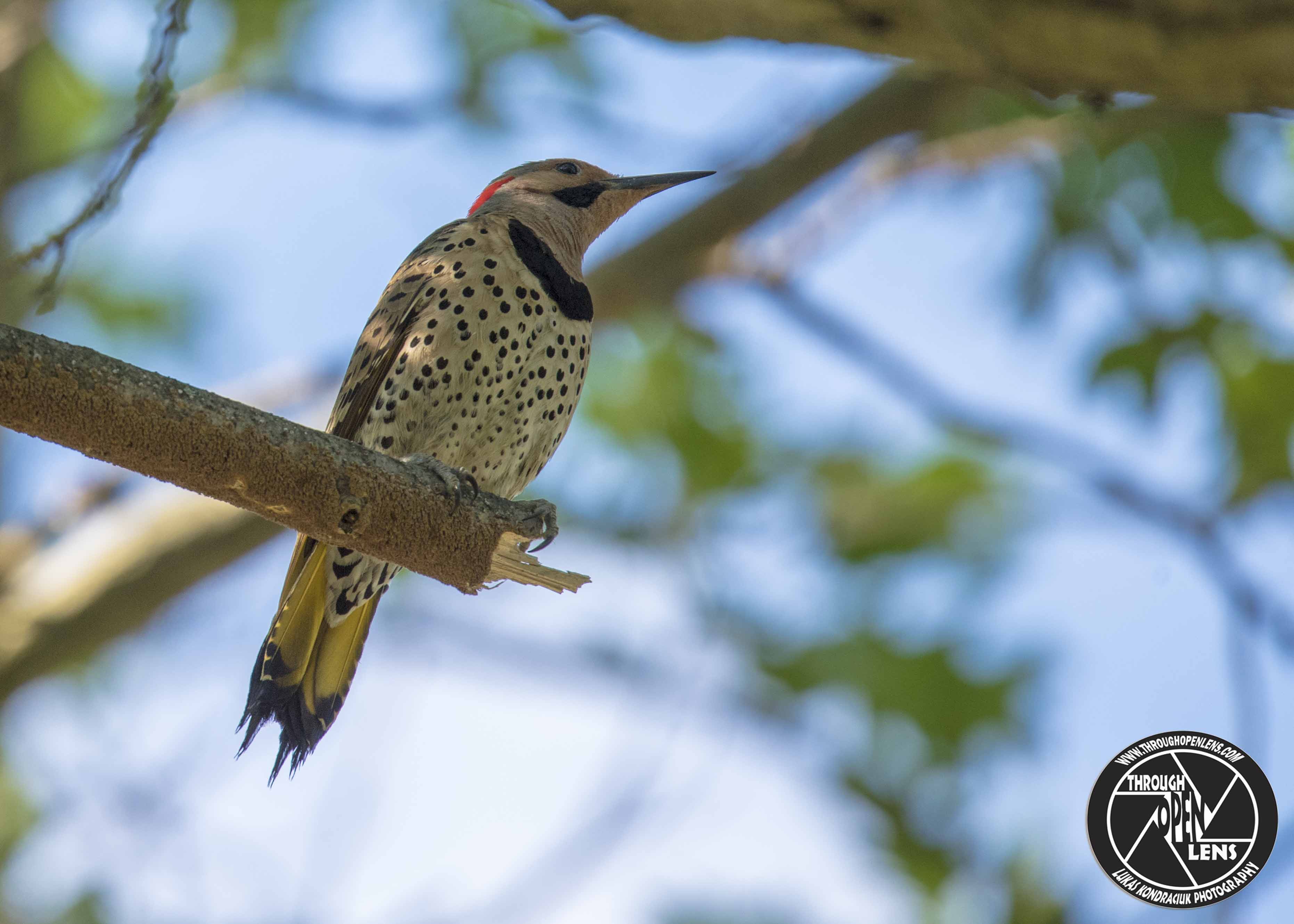
I Have Been Thinking To Buy A Drill.

F/8.0, 1/250, ISO 500.

Northern Flicker 

What is a mattress’ favorite season?

Spring.

Interesting Fact: Northern Flickers usually excavate nest holes in dead or diseased tree trunks or large branches. In northern North America look for nests in trembling aspens, which are susceptible to a heartrot that makes for easy excavation. Unlike many woodpeckers, flickers often reuse cavities that they or another species excavated in a previous year. ( https://www.allaboutbirds.org/guide/Northern_Flicker/lifehistory )



Hi There!

F/7.1, 1/200, ISO 400.

Hispaniolan Amazon Parrots

What goes tick tick woof woof?

A watch dog.

Interesting Fact: As with other amazons, it prefers forested areas where food is plentiful. This parrot lives in the wood forests in Haiti and the Dominican Republic. However over the recent years they have been captured out of their natural habitat illegally for pet trades or just to keep them as pets which are very popular in the Dominican Republic. Right now[when?] the population ranges from 10,000 to 19,000 in the wild and decreasing. ( https://en.wikipedia.org/wiki/Hispaniolan_amazon )

Shh… I’m Hiding From Negative People.

F/8.0, 1/250, ISO 320.

Northern Flicker 

What did the math text book say to the Shakespeare text book?

I’ve already got a lot of problems, and I don’t need any of your drama.

Interesting Fact: Although it can climb up the trunks of trees and hammer on wood like other woodpeckers, the Northern Flicker prefers to find food on the ground. Ants are its main food, and the flicker digs in the dirt to find them. It uses its long barbed tongue to lap up the ants. ( https://www.allaboutbirds.org/guide/Northern_Flicker/ )


This Tree Taste Really Weird To Me?!

F/6.3, 1/160, ISO 320.

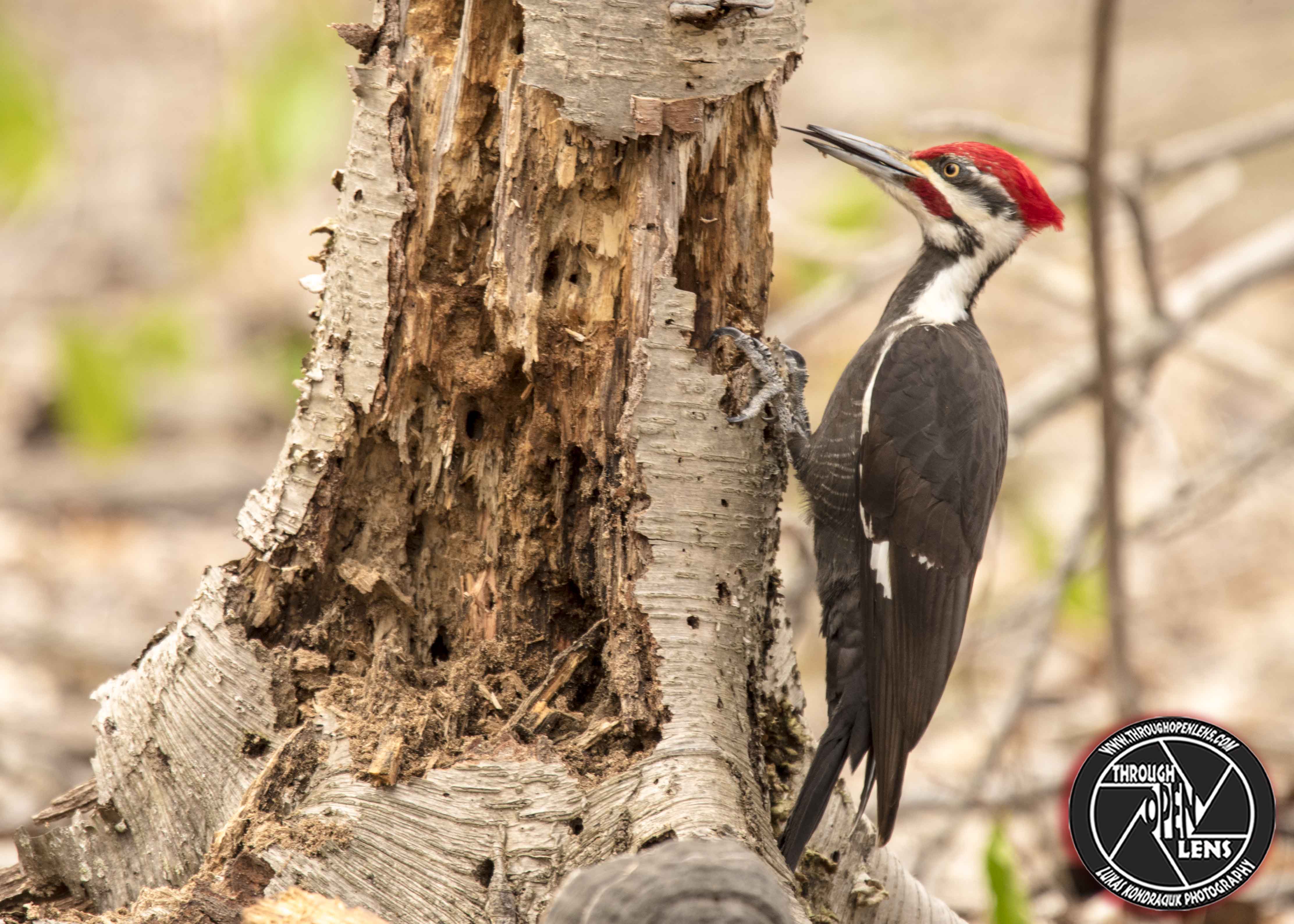
Pileated Woodpecker

Why did the belt go to jail?

Because it held up a pair of pants!

Interesting Fact: The Pileated Woodpecker digs characteristically rectangular holes in trees to find ants. These excavations can be so broad and deep that they can cause small trees to break in half. ( https://www.allaboutbirds.org/guide/Pileated_Woodpecker/lifehistory )

Peck Me If You Can!

F/9.0, 1/1250, ISO 800.

Red-Bellied Woodpecker

Why did the owl, owl?

Because the woodpecker would peck ‘er!

Interesting Fact: A Red-bellied Woodpecker can stick out its tongue nearly 2 inches past the end of its beak. The tip is barbed and the bird’s spit is sticky, making it easier to snatch prey from deep crevices. Males have longer, wider-tipped tongues than females, possibly allowing a breeding pair to forage in slightly different places on their territory and maximize their use of available food. ( https://www.allaboutbirds.org/guide/Red-bellied_Woodpecker/lifehistory )


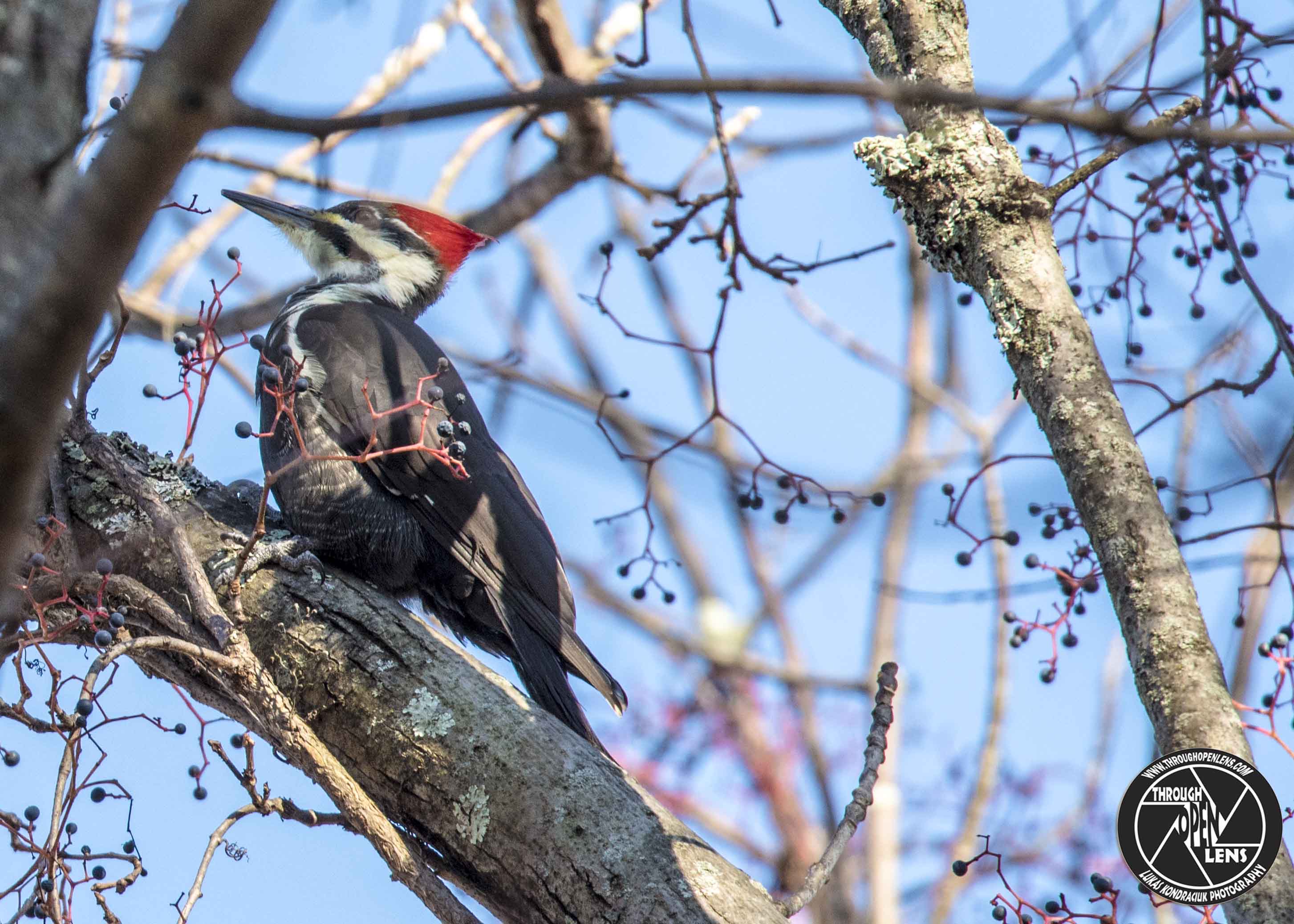
Peck Like There Is No Tomorrow!

F/9.0, 1/320, ISO 400.

Pileated Woodpecker 

Why do mummies make great spies?

They’re good at keeping things under wraps.

Interesting Fact: Pileated Woodpeckers forage in large, dead wood—standing dead trees, stumps, or logs lying on the forest floor. They make impressive rectangular excavations that can be a foot or more long and go deep inside the wood. These holes pursue the tunnels of carpenter ants, the woodpecker’s primary food. The birds also use their long, barbed tongues to extract woodboring beetle larvae (which can be more than an inch long) or termites lying deep in the wood. ( https://www.allaboutbirds.org/guide/Pileated_Woodpecker/lifehistory )

Keep On Knockin!

F/8.0, 1/800, ISO 800.

Red-Bellied Woodpecker 

What did one traffic light say to the other?

Don’t look at me while I’m changing!

Interesting Fact: These birds often stick to main branches and trunks of trees, where they hitch in classic woodpecker fashion, leaning away from the trunk and onto their stiff tail feathers as they search for food hiding in bark crevices. ( https://www.allaboutbirds.org/guide/Red-bellied_Woodpecker/lifehistory )


Seriously?? Not Another Knock-Knock Joke!

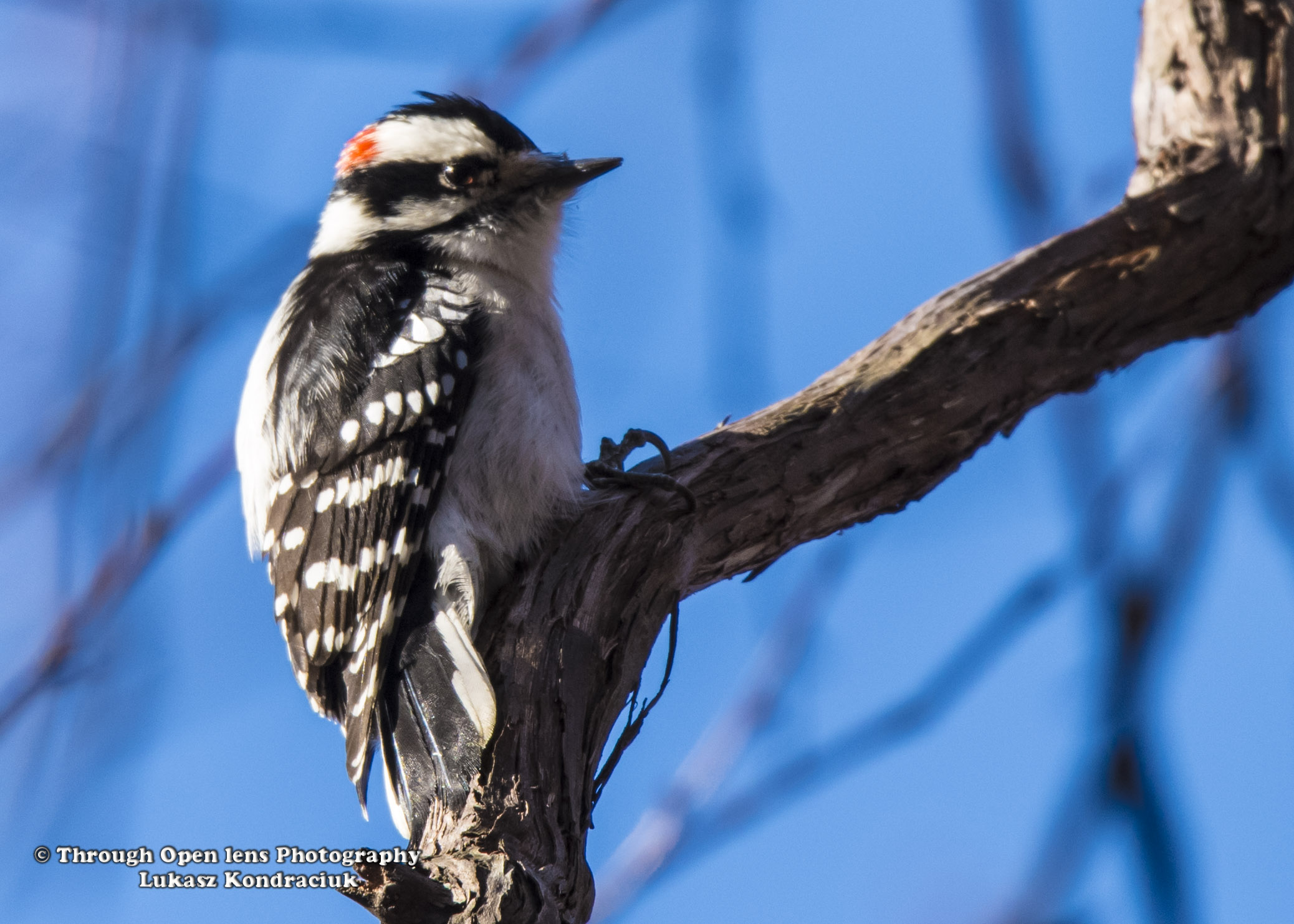
Downy Woodpecker 1

F/9.0, 1/320, ISO 400.

Downy Woodpecker

Knock! Knock!

Who’s there?

Luke.

Luke who?

Luke through the keyhole to see!

Interesting Fact: Male and female Downy Woodpeckers divide up where they look for food in winter. Males feed more on small branches and weed stems, and females feed on larger branches and trunks. Males keep females from foraging in the more productive spots. When researchers have removed males from a woodlot, females have responded by feeding along smaller branches. ( https://www.allaboutbirds.org/guide/Downy_Woodpecker/lifehistory )

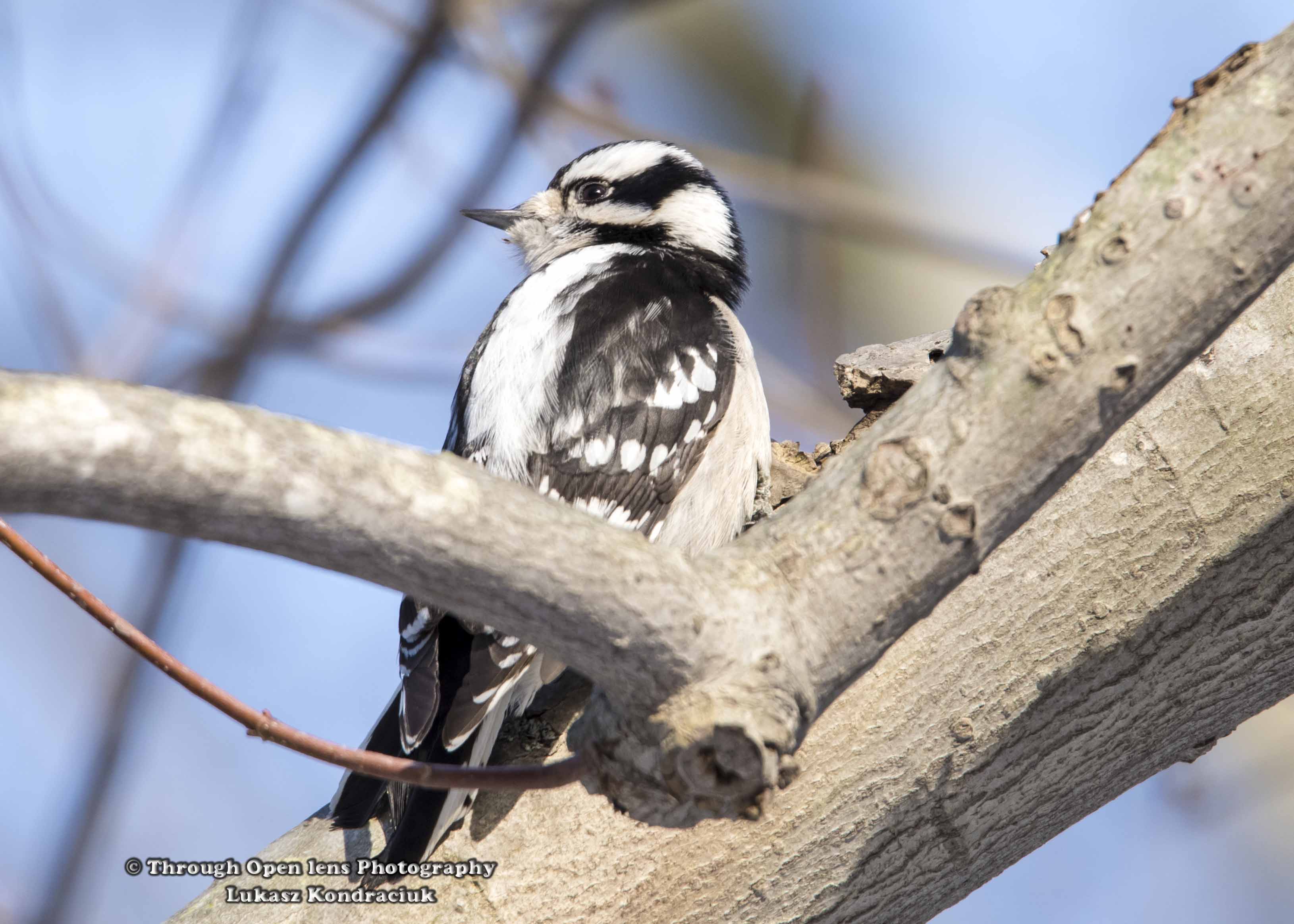
Knock Knock!

Downy Woodpecker

F/ 9.0, 1/320, ISO 320

Downy Woodpecker

What do you get if you cross a woodpecker with a carrier pigeon ?

A bird who knocks before delivering its message !

Interesting Fact: The Downy Woodpecker eats foods that larger woodpeckers cannot reach, such as insects living on or in the stems of weeds. You may see them hammering at goldenrod galls to extract the fly larvae inside. ( https://www.allaboutbirds.org/guide/Downy_Woodpecker/lifehistory )

Just Pecking Away!

Red-Bellied Woodpecker


F/ 6.3, 1/125, ISO 800.

Red-Bellied Woodpecker

I went to the zoo today and asked if they had any talking parrots.

The zookeeper said they didn’t, but they had a woodpecker that knew morse code.

Interesting Fact: You may occasionally see a Red-bellied Woodpecker flying quickly and erratically through the forest, abruptly changing direction, alighting for an instant and immediately taking off again, keeping up a quick chatter of calls. Scientists categorize this odd behavior as a type of play that probably helps young birds practice the evasive action they may one day need. ( https://www.allaboutbirds.org/guide/Red-bellied_Woodpecker/lifehistory )