Everyday May Not Be Good, But There Is Something Good In Everyday.

F/9.0, 1/250, ISO 320.

Muskrat

Why did the dog sit in the shade?

Because he didn’t want to be a hot dog!

Interesting Fact: Native Americans have long considered the muskrat to be a very important animal. Some predict winter snowfall levels by observing the size and timing of muskrat lodge construction.[26]  In several Native American creation myths, the muskrat dives to the bottom of the primordial sea to bring up the mud from which the earth is created, after other animals have failed in the task. ( https://en.wikipedia.org/wiki/Muskrat#Behavior )

 

Hey, these are my nuts!

F/5.6, 1/160, ISO 800.

Eastern Chipmunk

Why did the skeleton burp?

Because it didn’t have the guts to fart.

Interesting Fact: A chipmunk’s cheeks can expand to three times the size of its head and they have pouches in their cheeks where they hold their food until they get back to store it in their burrows ( http://www.pets4homes.co.uk/pet-advice/fun-interesting-facts-about-chipmunks.html )


Duuun-Dunn-Dunn-Duh-Duh-Duh-Nuh-Nuh-Nuh-Nuuh!!!

F/5.6, 1/500, ISO 250.

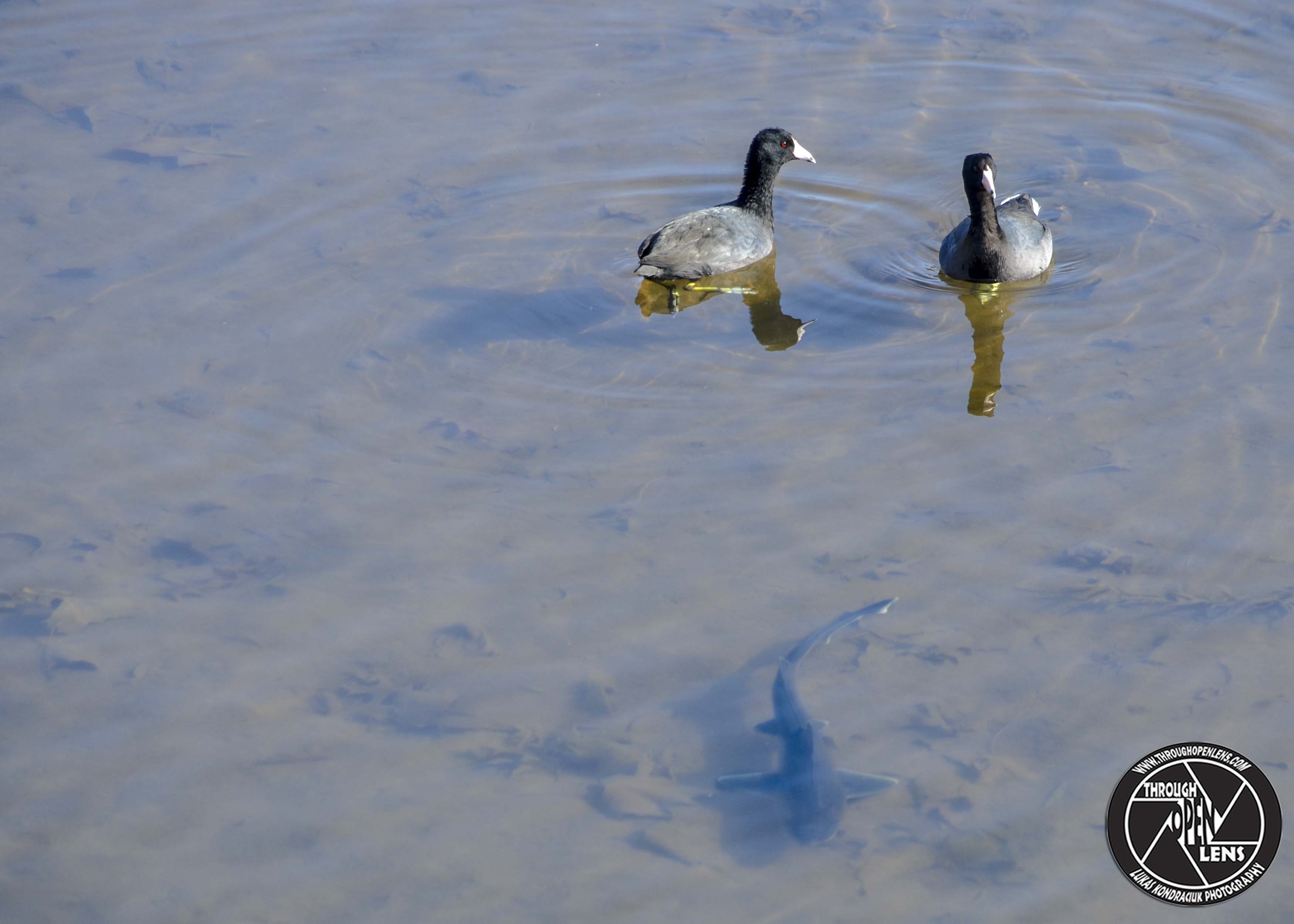
Shark Week 

American Coot

Spiny Dogfish Shark

Why do sharks make terrible lawyers?

They’re too nice!

Interesting Fact: Although it swims like a duck, the American Coot does not have webbed feet like a duck. Instead, each one of the coot’s long toes has broad lobes of skin that help it kick through the water. The broad lobes fold back each time the bird lifts its foot, so it doesn’t impede walking on dry land, though it supports the bird’s weight on mucky ground. ( https://www.allaboutbirds.org/guide/American_Coot )

In A World Full Of Fish Be A Shark

Shark Week 

F/5.6, 1/500, ISO 360.

Spiny Dogfish Shark

What did the seal with the broken arm say to the shark?

Do not consume if seal is broken.

Interesting Fact: This shark is known to hunt in packs that can range up into the thousands. They are aggressive hunters and have a sizable diet that can range from squid, fish, crab, jellyfish, sea cucumber, shrimp and other invertebrates. ( https://en.m.wikipedia.org/wiki/Spiny_dogfish )

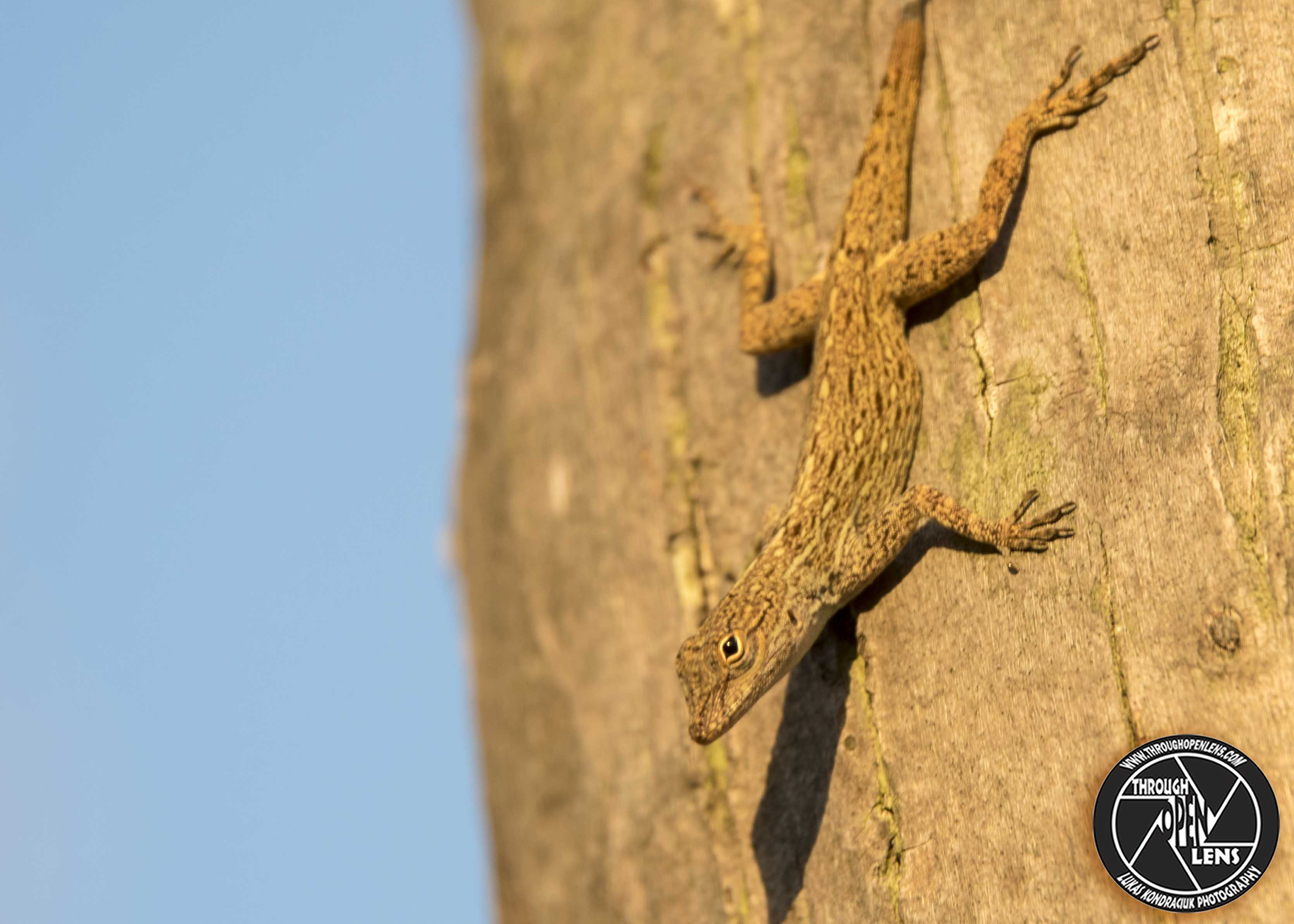
You Are A Lizard Not A Wizard!

F/7.1, 1/200, ISO 125.

Anolis Cristatellus ( Crested Anole ) 

What do you call a lizard that sings for a Rap Records?

A Rap-tile!

Interesting Fact: When looking for a mate or defending its territory, this anole will display its dewlap and perform “push-ups” to establish dominance. Males aggressively defend territories when mating, but only rarely does this result in physical combat. As a defense against predators, they autotomize their tails. ( https://en.wikipedia.org/wiki/Anolis_cristatellus )

I Am Not Liable If You Falling Asleep Count Sheep!

F/8.0, 1/250, ISO 320.

Sheep

What do you call a sheep that is always quiet?

A shhhheep!

Interesting Fact: The exact line of descent between domestic sheep and their wild ancestors is unclear.[1] The most common hypothesis states that Ovis aries is descended from the Asiatic (O. orientalis) species of mouflon.[2]:5 Sheep were among the first animals to be domesticated by humankind (although the domestication of dogs may be over 20,000 years earlier); the domestication date is estimated to fall between 11,000 and 9,000 B.C in Mesopotamia.[2]:4[3]:11–14[4]:2[5] The rearing of sheep for secondary products, and the resulting breed development, began in either southwest Asia or western Europe.[6] Initially, sheep were kept solely for meat, milk and skins. Archaeological evidence from statuary found at sites in Iran suggests that selection for woolly sheep may have begun around 6000 BC,[2]:5[3]:11 and the earliest woven wool garments have been dated to two to three thousand years later. ( https://en.wikipedia.org/wiki/Sheep#History )