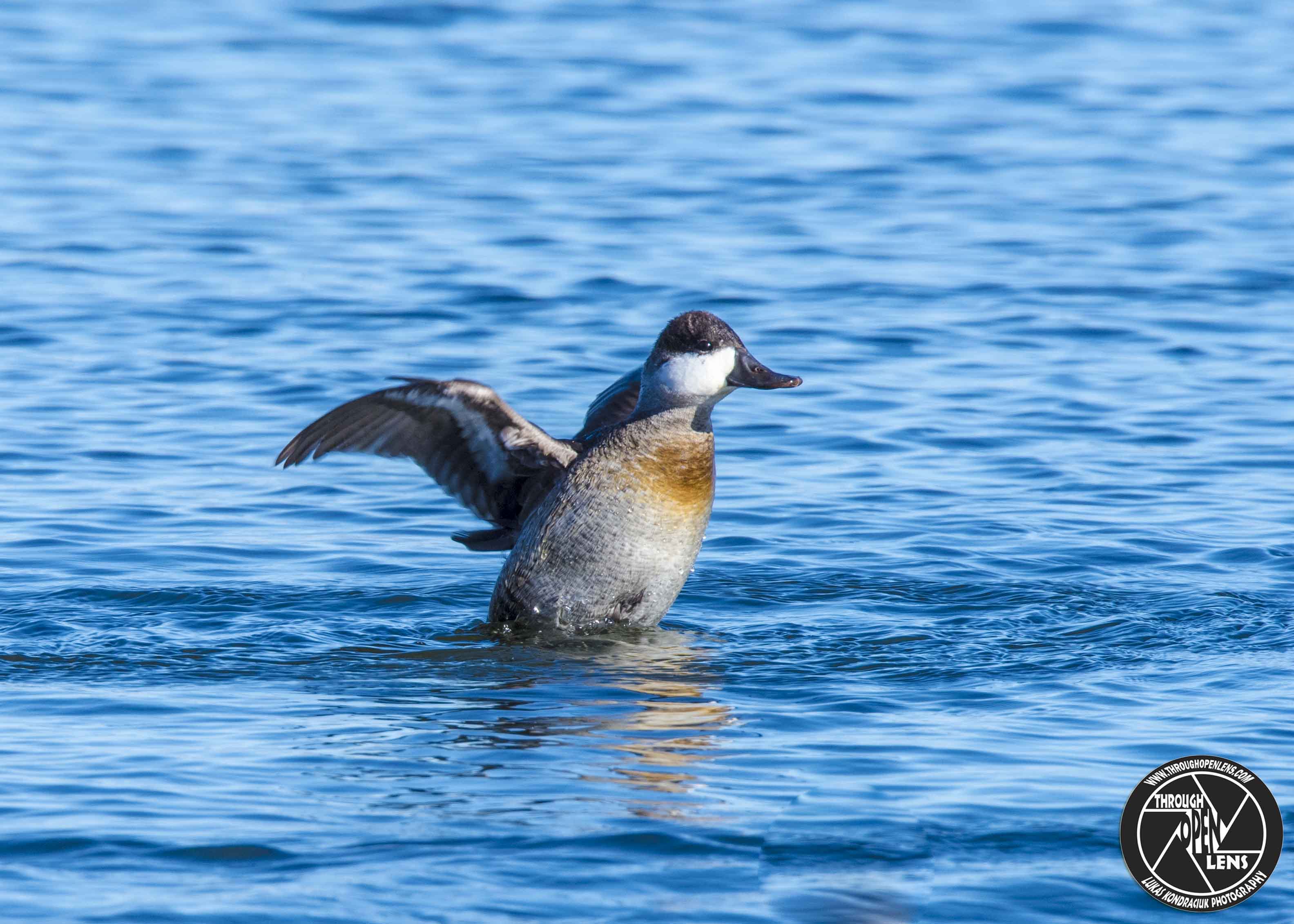
Like I Give A Duck!

F/11.0, 1/500, ISO 320.

Ruddy Duck 

Why do bees have sticky hair?

They use honey-combs.

Interesting Fact: Though Ruddy Ducks are native to the Americas, one population became established in England after captive ducks escaped in 1952. This population grew to about 3,500 individuals by 1992, and now appears to be expanding into the Netherlands, France, Belgium, and Spain. ( Ruddy Duck Overview, All About Birds, Cornell Lab of Ornithology )

A Good Joke Always Quacks Me Up!

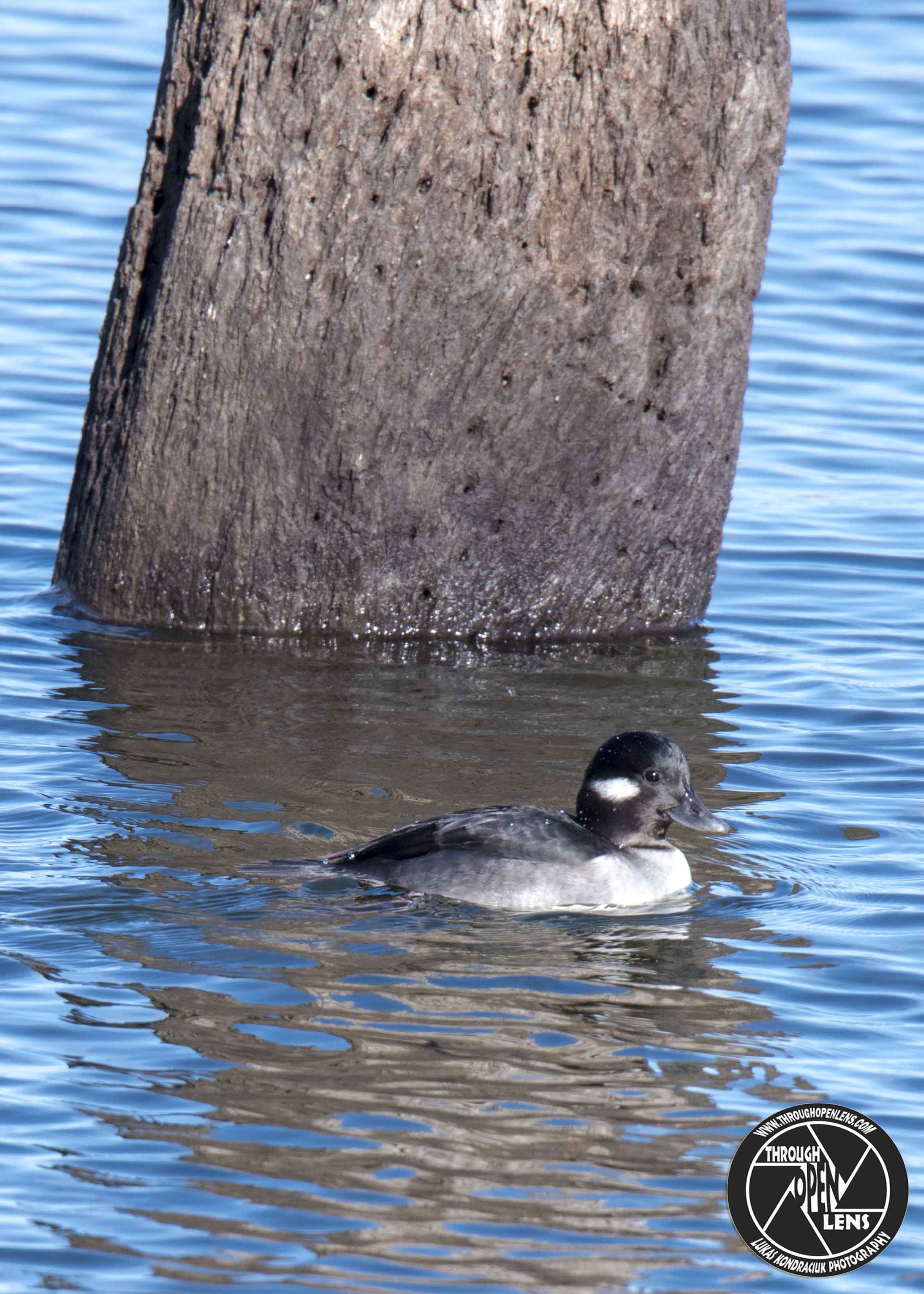
F/10.0, 1/400, ISO 320.

Bufflehead Duck ( Female )

Why couldn’t the bicycle stand up by itself?

It was two tired.

Interesting Fact: They hold their wings tightly against their bodies underwater and use only their feet to propel themselves. At the end of a dive, they may bob to the surface like a cork. Throughout the day they alternate between bouts of feeding, swimming alertly, preening, and sleeping. ( Bufflehead Life History, All About Birds, Cornell Lab of Ornithology )


A Good Mood Is Like A Balloon, One Little Prick Is All It Takes To Ruin It.

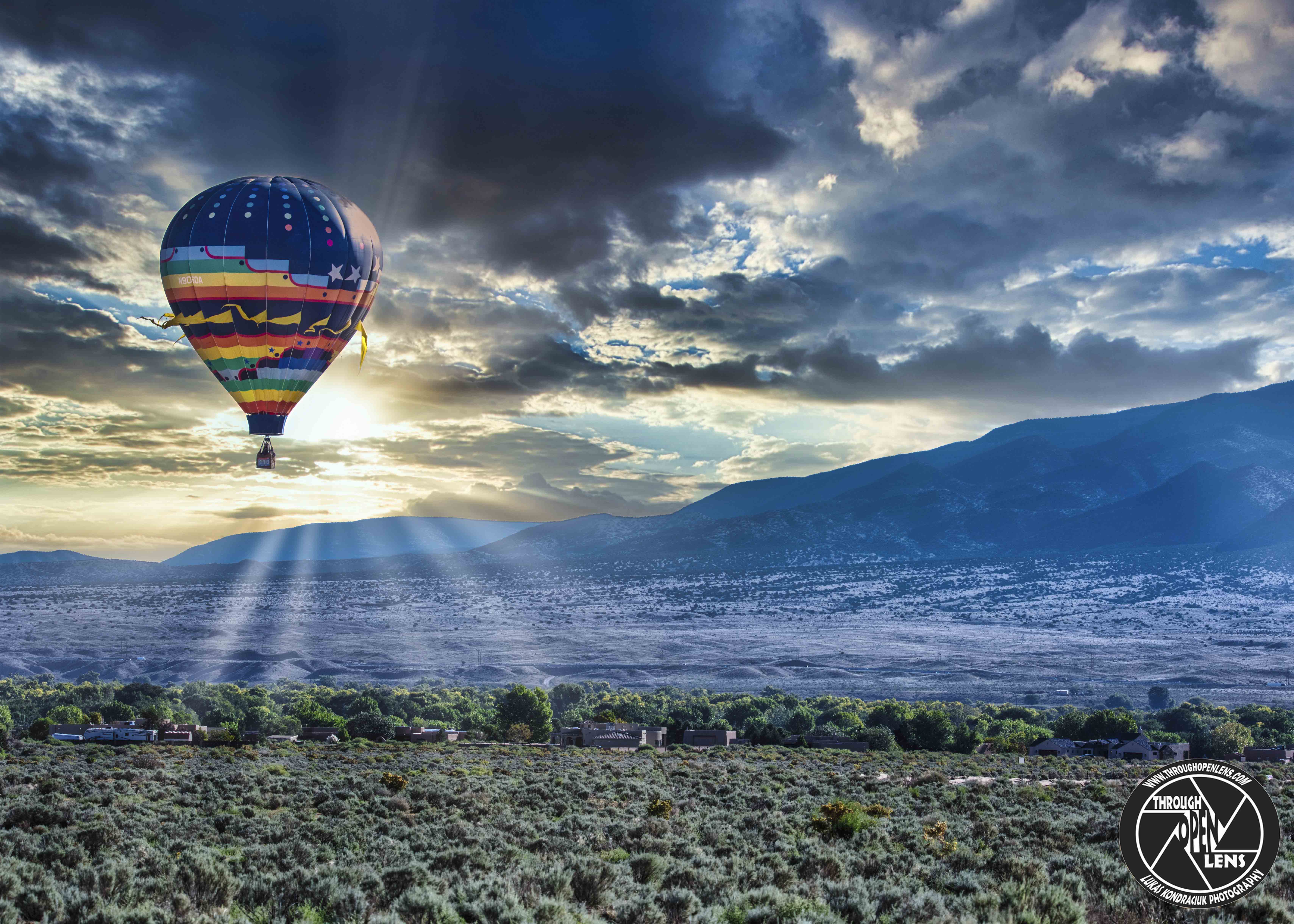
F/11.0, 1/500, ISO 250, Photoshop.

Rio Rancho, New Mexico. 

Did you hear the rumor about butter?

Well, I’m not going to spread it!

Interesting Fact: The great majority of Rio Rancho was originally part of the Town of Alameda Grant, which was founded by Spanish settlers in 1710. By the early 20th century, much of the land grant had been sold to land investment companies. Amrep Corporation purchased 55,000 acres (22,000 ha) in 1961 and turned the land into a housing development called “Rio Rancho Estates”, with the first families moving in the early 1960s. Amrep contracted with Ezio Valentini, one of the original developers of Cape Coral, Florida, to design and implement a unique marketing plan to conduct land-sales, dinner-party program in northern states to open offices in 14 states. The population grew ten-fold between 1970 and 1980 and the City of Rio Rancho was incorporated in 1981. The opening of a large Intel Corporation plant in 1981 had a major economic impact on the city. ( Rio Rancho, New Mexico – Wikipedia )



Stand Tall, Stand Proud. Know That You Are Unique And Magnificent. You Do Not Need The Approval Of Others.

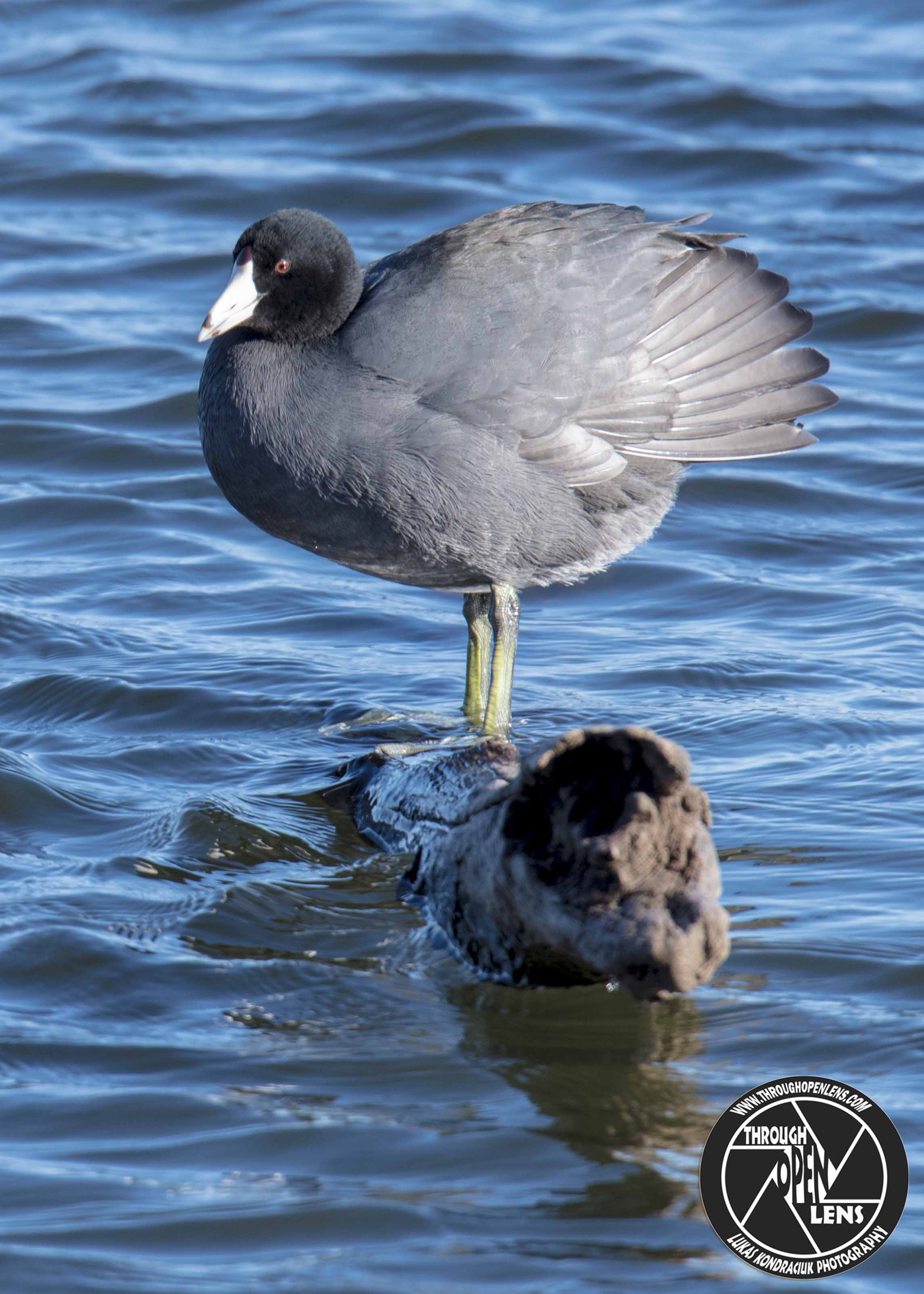
F/9.0, 1/320, ISO 320.

American Coot 

How do you get a squirrel to like you?

Act like a nut.

Interesting Fact: The ecological impact of common animals, like this ubiquitous waterbird, can be impressive when you add it all up. One estimate from Back Bay, Virginia, suggested that the local coot population ate 216 tons (in dry weight) of vegetation per winter. ( American Coot Overview, All About Birds, Cornell Lab of Ornithology )


If You Keep Chasing Your Dreams, One Day You’ll Catch Them.

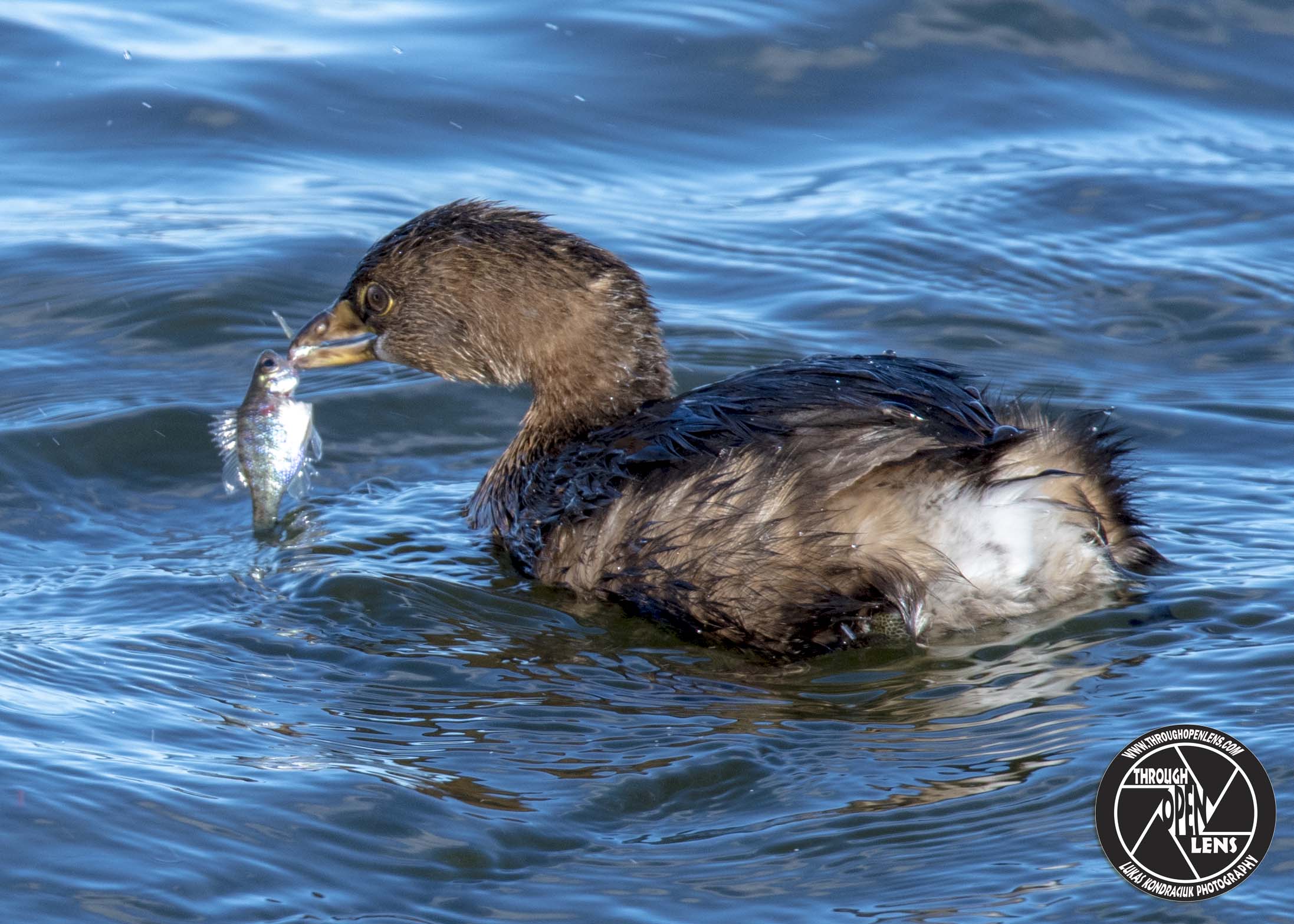
F/10.0, 1/400, ISO 320. 

Pied-Billed Grebe

What happened to the car with an engine made of wood?

It wooden go.

Interesting Fact: The Latin genus name for “grebe” means “feet at the buttocks”—an apt descriptor for these birds, whose feet are indeed located near their rear ends. This body plan, a common feature of many diving birds, helps grebes propel themselves through water. Lobed (not webbed) toes further assist with swimming. Pied-billed Grebes pay for their aquatic prowess on land, where they walk awkwardly. ( Pied-billed Grebe Overview, All About Birds, Cornell Lab of Ornithology )


Happy New Year! Here’s To Having A Fresh Start At Binge Eating, Boozing, And Slacking Off!

F/5.0, 1/60, ISO 800, Photoshop. 

What Does it Mean If You Were Born In September?

That your parents started the new year with a BANG!

Interesting Fact: During the Middle Ages in Western Europe, while the Julian calendar was still in use, authorities moved New Year’s Day, depending upon locale, to one of several other days, including March 1, March 25, Easter, September 1, and December 25. Beginning in 1582, the adoptions of the Gregorian calendar has meant that many national or local dates in the Western World and beyond have changed to using one fixed date for New Year’s Day, January 1. ( New Year – Wikipedia )