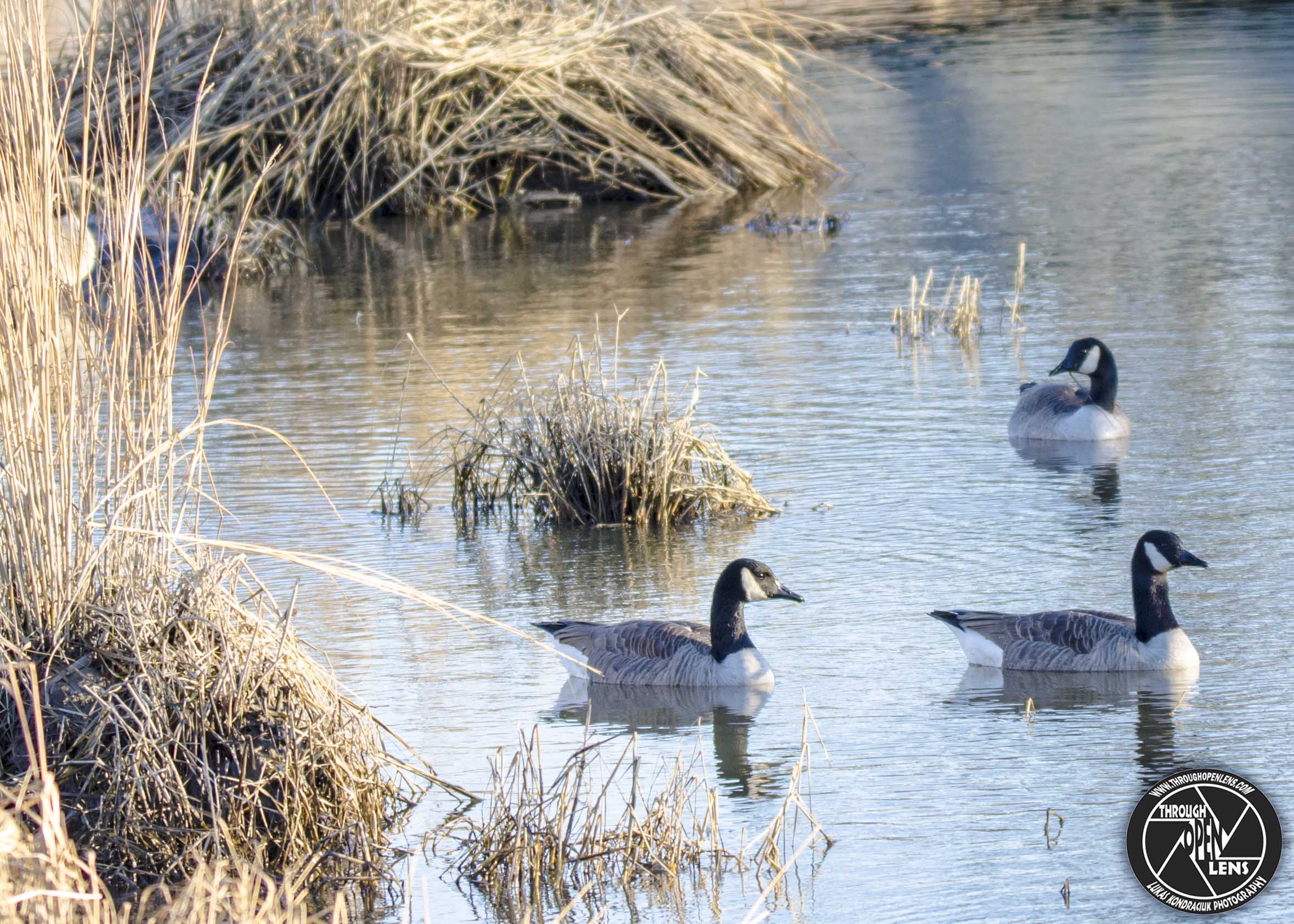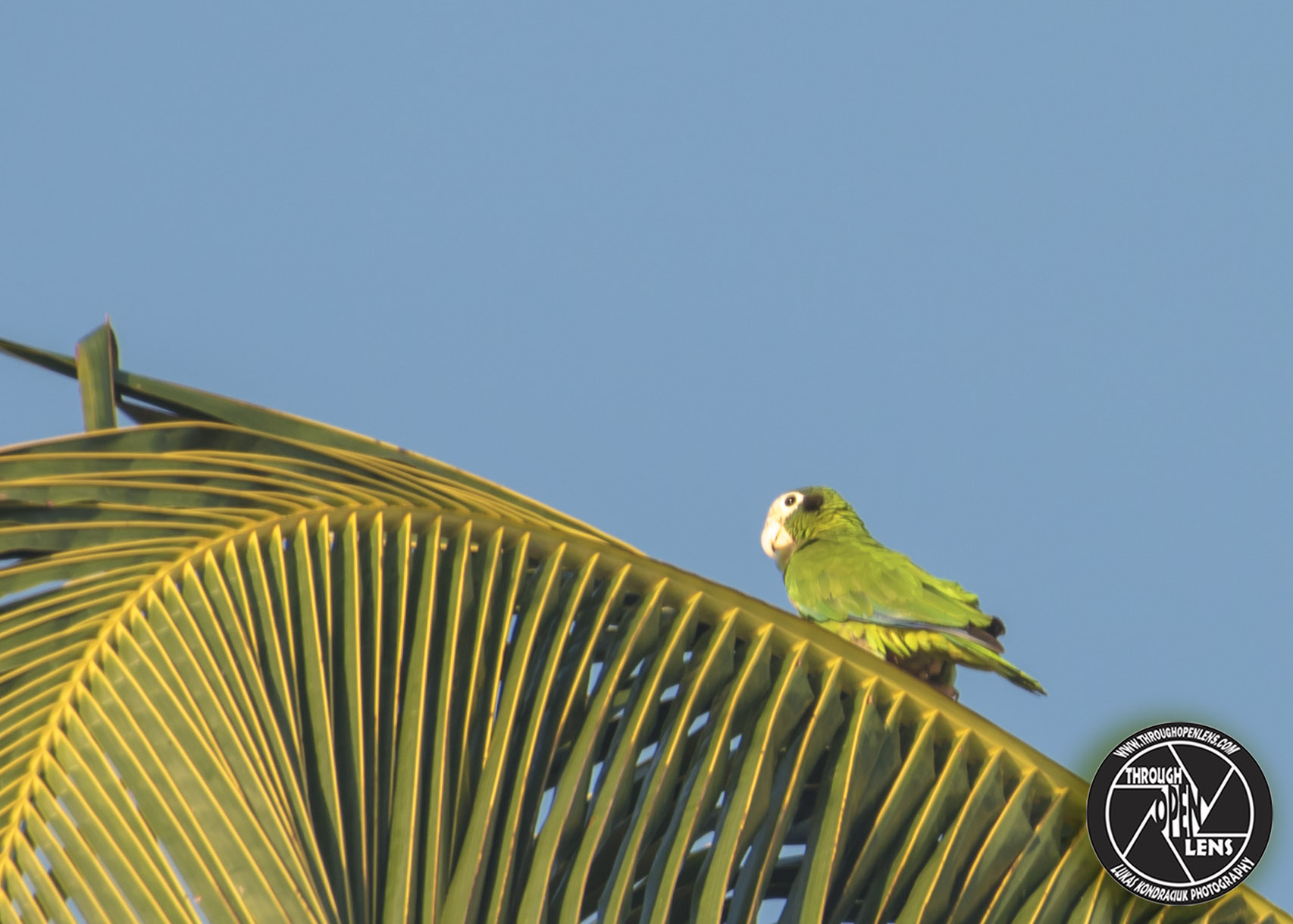
Of Course I Talk To Myself… Sometimes I Need Expert Advice.

F/6.3, 1/160, ISO 125.

Hispaniolan amazon or Hispaniolan parrot

What do you get when you cross a parrot with a shark?

An animal that talks your head off.

Interesting Fact: As with other amazons, it prefers forested areas where food is plentiful. This parrot lives in the wood forests in Haiti and the Dominican Republic. However over the recent years they have been captured out of their natural habitat illegally for pet trades or just to keep them as pets which are very popular in the Dominican Republic. Right now[when?] the population ranges from 10,000 to 19,000 in the wild and decreasing. ( https://en.wikipedia.org/wiki/Hispaniolan_amazon#Habitat_and_distribution )

Call Me A Teddy Bear Again!

F/6.3, 1/50, ISO 2000.

American Black Bear

Why don’t bears like fast food?

Because they can’t catch it!

Interesting Fact: Solitary animals, black bears roam large territories, though they do not protect them from other bears. Males might wander a 15- to 80-square-mile home range. ( https://www.nationalgeographic.com/animals/mammals/a/american-black-bear/ )

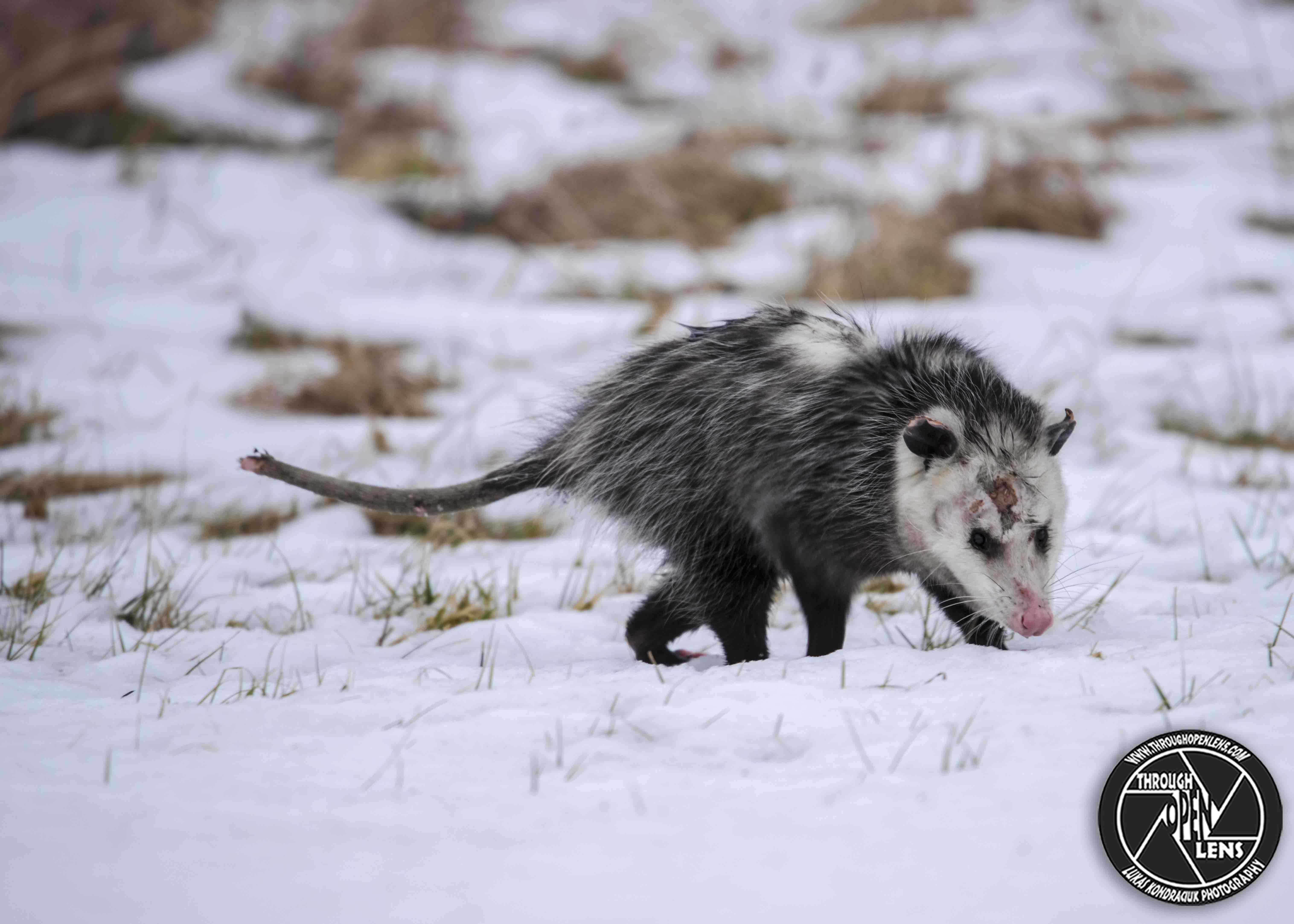
If You Want To Go Running With Me, You’d Better Be Prepared To Walk A Lot.

F/6.3, 1/80, ISO 400.

Opossums

A 3 years old boy sits near a pregnant woman.

Boy: Why do you look so fat?

Pregnant woman: I have a baby inside me.

Boy: Is it a good baby?

Pregnant woman: Yes, it is a very good baby.

Boy: Then why did you eat it?!

Interesting Fact:  These animals are most famous for “playing possum.” When threatened by dogs, foxes, or bobcats, opossums sometimes flop onto their sides and lie on the ground with their eyes closed or staring fixedly into space. They extend their tongues and generally appear to be dead. This ploy may put a predator off its guard and allow the opossum an opportunity to make its escape. ( https://www.nationalgeographic.com/animals/mammals/group/opossums/ )

Don’t Just Stand There, Summer Is Here!

F/5.6, 1/500, ISO 200.

Greater Yellowlegs

What did the pig say on a hot summer day?

I’m bacon!

Interesting Fact:  Greater Yellowlegs eats small aquatic and terrestrial invertebrates, small fish, frogs, and occasionally seeds and berries. ( https://www.allaboutbirds.org/guide/Greater_Yellowlegs/lifehistory )


I Just Did A Weeks Worth Of Cardio After Walking Into A Spider’s Web.

F/8.0, 1/250, ISO 320.

Spider

How do spiders communicate?

Through the World Wide Web.

Interesting Fact: Spiders (order Araneae) are air-breathing arthropods that have eight legs and chelicerae with fangs that inject venom. They are the largest order of arachnids and rank seventh in total species diversity among all other orders of organisms.[2] Spiders are found worldwide on every continent except for Antarctica, and have become established in nearly every habitat with the exceptions of air and sea colonization. As of November 2015[update], at least 45,700 spider species, and 113 families have been recorded by taxonomists.[1] However, there has been dissension within the scientific community as to how all these families should be classified, as evidenced by the over 20 different classifications that have been proposed since 1900. ( https://en.wikipedia.org/wiki/Spider )

At The Quack Of Dawn

F/6.3, 1/160, ISO 250.

Wood Duck

What do you get when a duck bends over?

Buttquack

Interesting Fact: Wood Ducks feed by dabbling or short, shallow dives. They are strong fliers and can reach speeds of 30 mph. Wood Ducks are not territorial, with the exception that a male may fight off other males that approach his mate too closely. ( https://www.allaboutbirds.org/guide/Wood_Duck/lifehistory )


Wet And Wild!

F/5.6, 1/500, ISO 100.

Mallard Ducks

What season is it when you are on a trampoline?

Spring time.

Interesting Fact: Mallards are generalist foragers and will eat a wide variety of food. They don’t dive, but dabble to feed, tipping forward in the water to eat seeds and aquatic vegetation. They also roam around on the shore and pick at vegetation and prey on the ground. During the breeding season, they eat mainly animal matter including aquatic insect larvae, earthworms, snails and freshwater shrimp. During migration, many Mallards consume largely agricultural seed and grain. In city parks, they readily accept handouts from parkgoers.  ( https://www.allaboutbirds.org/guide/Mallard/lifehistory )

If A Turtle Loses It’s Shell Is It Naked Or Homeless?

F/7.1, 1/200, ISO 200.

Common Snapping Turtle

What kind of photos does a turtle take?

Shellfies.

Interesting Fact: In their environment, they are at the top of the food chain, causing them to feel less fear or aggression in some cases. When they encounter a species unfamiliar to them such as humans, in rare instances, they will become curious and survey the situation and even more rarely may bump their nose on a leg of the person standing in the water. Although snapping turtles have fierce dispositions,[16] when they are encountered in the water or a swimmer approaches, they will slip quietly away from any disturbance or may seek shelter under mud or grass nearby.[17] Common snapping turtles are very aggressive if caught, and have a strong enough bite to easily amputate human fingers. ( https://en.wikipedia.org/wiki/Common_snapping_turtle#Behavior )

Laugh And The World Laughs With You, Cackle Maniacally And People Back Away From You Slowly

cackling-goose

F/5.0, 1/400, ISO 400.

Cackling Goose

What did the 30 degree angle say to the 90 degree angle?

“You think you’re always right!”

Interesting Fact: The Cackling Goose was long considered just a small race of the Canada Goose. The smallest four of the eleven recognized races were recently determined to be distinct enough to be their own species. Cackling Goose includes the races known as Taverner’s, Richardson’s, Aleutian, and Cackling geese. Confusingly, the “Lesser Canada Goose” is still a race of the Canada Goose. ( https://www.allaboutbirds.org/guide/Cackling_Goose/lifehistory )

When You Are With The Right Person, Every Day Is Valentine’s Day!

Happy Valentine’s Day!

mallard-love

F/9.0, 1/320, ISO 100.

Mallard

Girl: “I can’t be your valentine for medical reasons.”

Boy: “Really?”

Girl: “Yeah, you make me sick!”

Interesting Fact: Numerous early Christian martyrs were named Valentine.[11] The Valentines honored on February 14 are Valentine of Rome (Valentinus presb. m. Romae) and Valentine of Terni (Valentinus ep. Interamnensis m. Romae).[12] Valentine of Rome was a priest in Rome who was martyred in 269 and was added to the calendar of saints by Pope Galesius in 496 and was buried on the Via Flaminia. The relics of Saint Valentine were kept in the Church and Catacombs of San Valentino in Rome, which “remained an important pilgrim site throughout the Middle Ages until the relics of St. Valentine were transferred to the church of Santa Prassede during the pontificate of Nicholas IV“.[13][14] The flower-crowned skull of Saint Valentine is exhibited in the Basilica of Santa Maria in Cosmedin, Rome. Other relics are found at Whitefriar Street Carmelite Church in Dublin, Ireland. ( https://en.wikipedia.org/wiki/Valentine%27s_Day#History )