My Life Is So Much More Interesting Inside My Head

F/10.0, 1/400, ISO 400.

Ruby-crowned Kinglet

Four high school boys afflicted with spring fever skipped morning classes. After lunch they reported to the teacher that they had a flat tire.

Much to their relief she smiled and said, “Well, you missed a test today so take seats apart from one another and take out a piece of paper.”

Still smiling, she waited for them to sit down. Then she said: “First Question: Which tire was flat?”

Interesting Fact: Ruby-crowned Kinglets breed across far northern North America as well as the western mountains. Most migrate to the southern and southwestern United States and Mexico for the winter—but some mountain populations in the West simply move to lower elevations during the cold months. ( https://www.allaboutbirds.org/guide/Ruby-crowned_Kinglet/maps-range )

Giggity, Giggity, Quack!

F/11.0, 1/500, ISO 500.

Ruddy Duck

What did the calculator say to the cashier?

You can count on me.

Interesting Fact:  Most males pair up with one female each for the duration of the breeding season, but some take multiple mates. Their eggs are proportionally the largest of all waterfowl. The ducklings hatch well-developed and active, receiving minimal care from the mother and none from the father. ( https://www.allaboutbirds.org/guide/Ruddy_Duck/lifehistory )

Always Stretch Before Swimming!

F/11.0, 1/500, ISO 500.

Ruddy Duck

What is crazy and walks along the sides of buildings?

A walnut.

Interesting Fact: Ruddy Ducks are very aggressive toward each other and toward other species, especially during the breeding season. Unlike most ducks, they form pairs only after arriving on the breeding grounds each year. ( https://www.allaboutbirds.org/guide/Ruddy_Duck/lifehistory )

You Really Quack Me Up!

F/10.0, 1/400, ISO 320.

Ruddy Duck

Did you hear about the duck who thought he was a squirrel?

It was one tough nut to quack.

Interesting Fact: Migrating Ruddy Ducks stop in a variety of habitats, most often on large, permanent wetlands, lakes, and reservoirs. They spend the winter throughout the southern half of the breeding range, also moving into wintering habitat that spans most of the United States and extends through Mexico to Central America. Their wintering habitat includes freshwater wetlands, lakes, and reservoirs as well as brackish bays, coastal marshes, and tidal estuaries. ( https://www.allaboutbirds.org/guide/Ruddy_Duck/lifehistory )

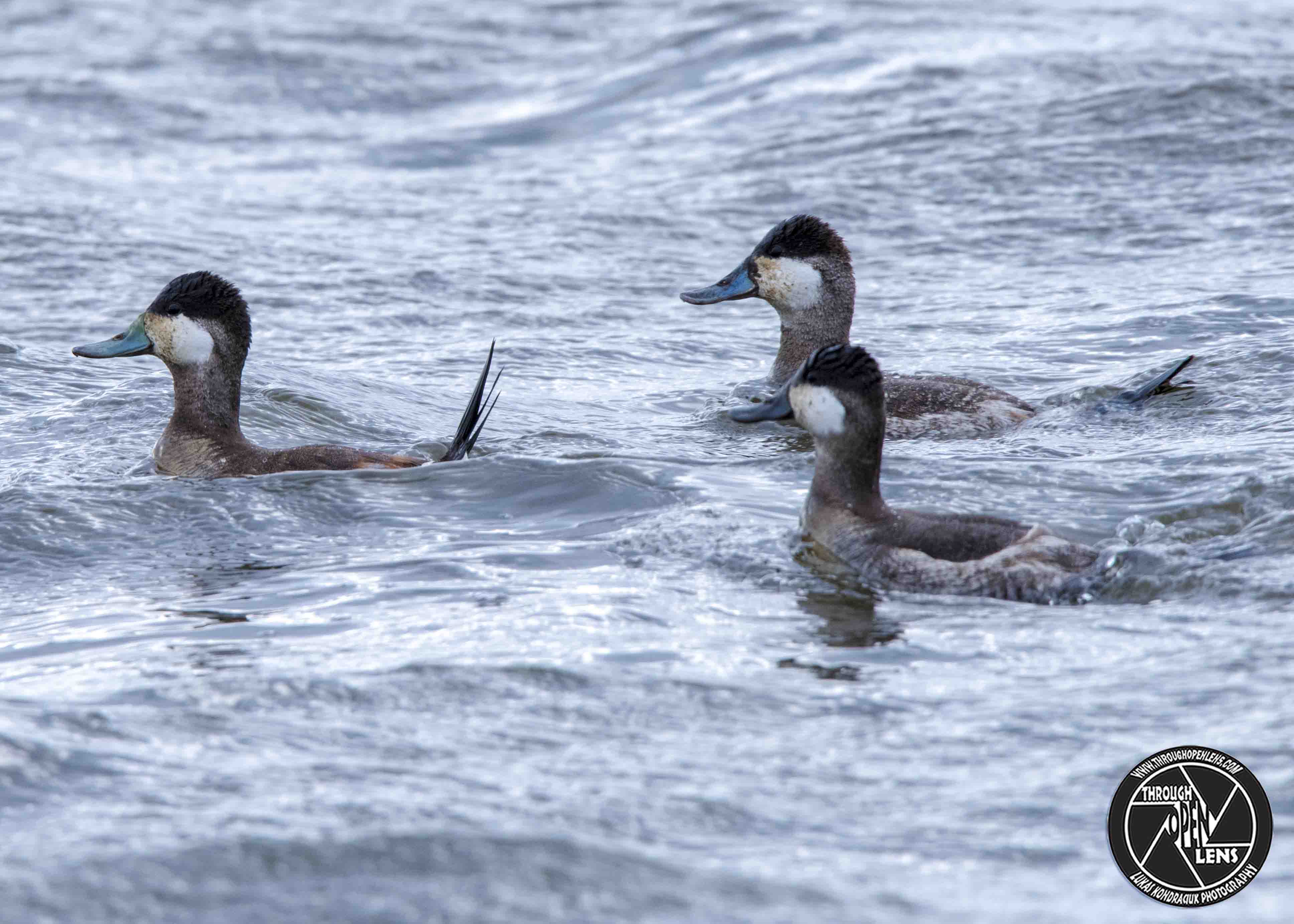
You Know What Guys I Am Getting Sick Of The V Formation!

F/10.0, 1/400, ISO 640.

Ruddy Duck

What do you get when you put four ducks in a box?

A box of quackers!

Interesting Fact: The Ruddy Duck has spiky tail feathers that are used in courtship displays. ( http://identify.whatbird.com/obj/116/overview/Ruddy_Duck.aspx )

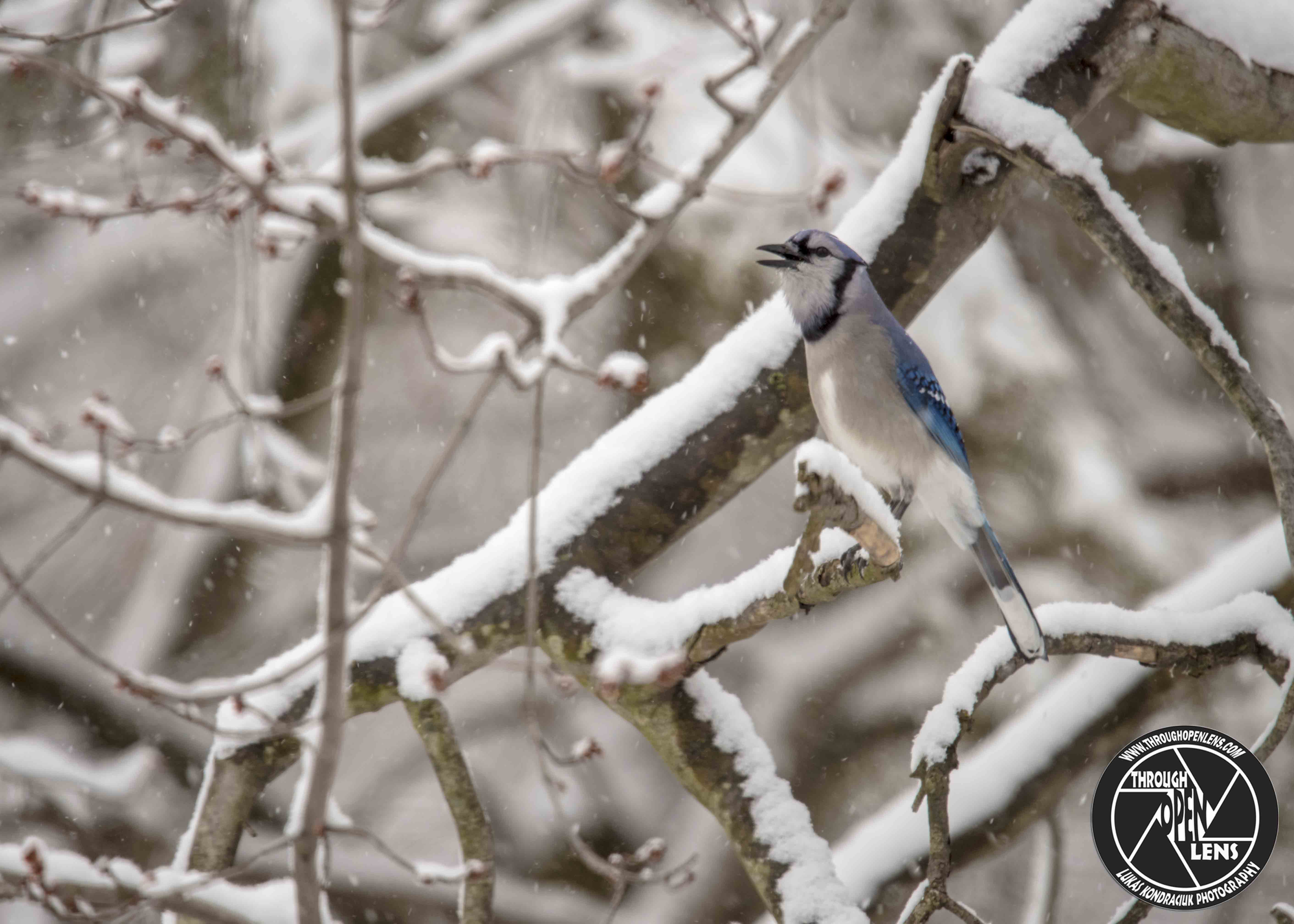
Let It Snow! Let It Snow! The Cold Never Bothered Me Anyway!

F/6.3, 1/160, ISO 400.

Blue Jay

Bobby went in to a pet shop.

He asked the employee, “Can I buy a goldfish?”

The employee: “Do you want an aquarium?”

Bobby: “I don’t care what star sign it is.”

Interesting Fact: Blue Jays are known to take and eat eggs and nestlings of other birds, but we don’t know how common this is. In an extensive study of Blue Jay feeding habits, only 1% of jays had evidence of eggs or birds in their stomachs. Most of their diet was composed of insects and nuts. (  https://www.allaboutbirds.org/guide/Blue_Jay )

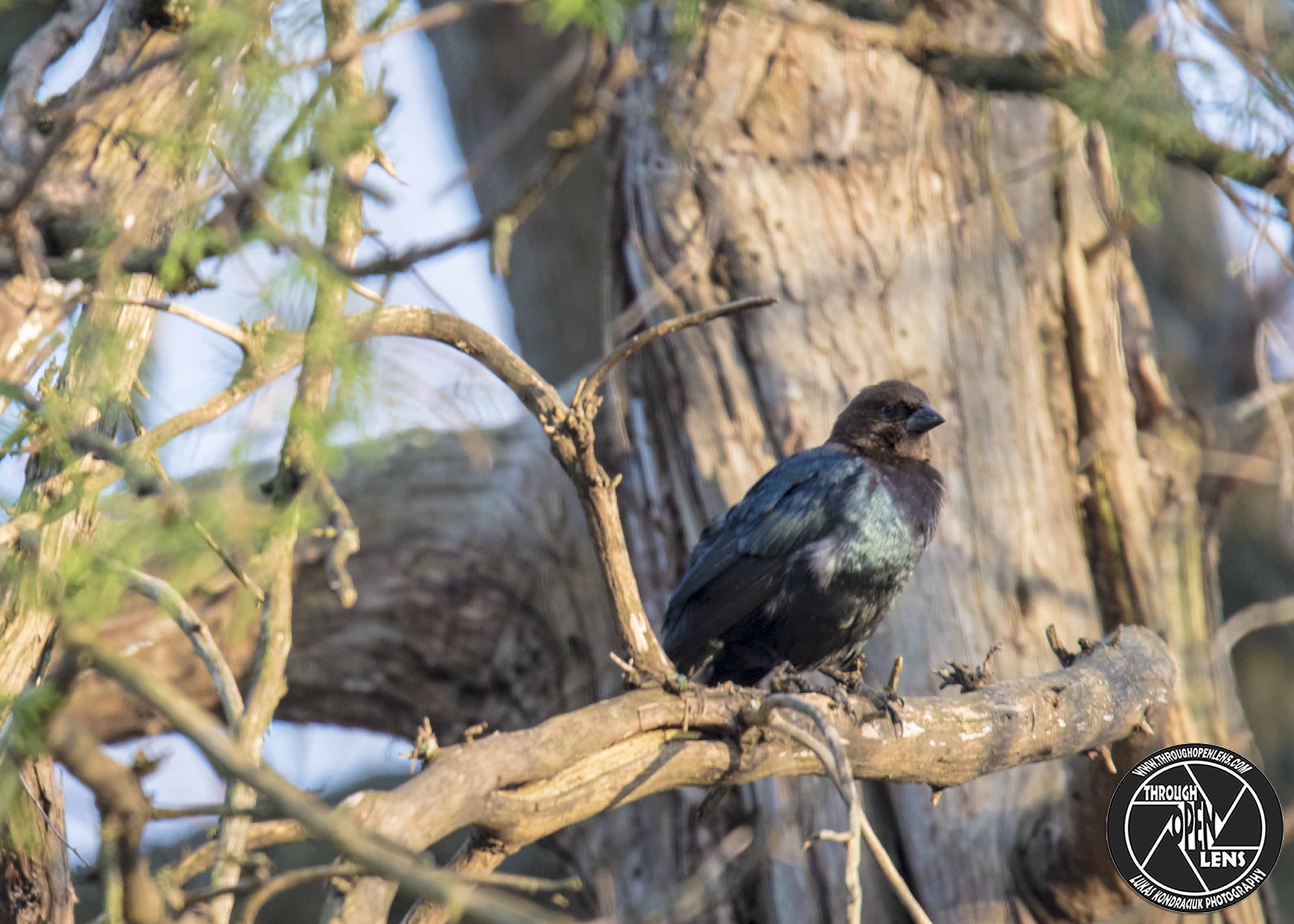
Don’t Questions My Parenting!

F/6.3, 1/80, ISO 500.

Brown-headed Cowbird

I’ve just opened a new restaurant called Karma.

There’s no menu, we just give you what you deserve.

Interesting Fact: The Brown-headed Cowbird is North America’s most common “brood parasite.” A female cowbird makes no nest of her own, but instead lays her eggs in the nests of other bird species, who then raise the young cowbirds. ( https://www.allaboutbirds.org/guide/Brown-headed_Cowbird )

Wait, What Did You Said?

F/7.1, 1/200, ISO 250.

Blue Jay

Why is your foot more special than your other body parts?

Because they have their own soul.

Interesting Fact: Blue Jays are found in all kinds of forests but especially near oak trees; they’re more abundant near forest edges than in deep forest. They’re common in urban and suburban areas, especially where oaks or bird feeders are found. ( https://www.allaboutbirds.org/guide/Blue_Jay/lifehistory )

I Meant To Be Good But There Were Too Many Other Options!

ruby-crowned-kinglet

F/8.0, 1/250, ISO 640.

Ruby-crowned Kinglet

teacher asked : Why are you late for school?

Bobby: Because of the Sign.

Teacher : What Sign?

Bobby : The sign that says “School ahead go slow”

Interesting Fact: The Ruby-crowned Kinglet is a tiny bird that lays a very large clutch of eggs—there can be up to 12 in a single nest. Although the eggs themselves weigh only about a fiftieth of an ounce, an entire clutch can weigh as much as the female herself. ( https://www.allaboutbirds.org/guide/Ruby-crowned_Kinglet/lifehistory )

I Am Very Saucy, You Can Call Me Duck Sauce.

ruddy-duck-2

F/10.0, 1/320, ISO 400.

Ruddy Duck

Why did the scarecrow get promoted?

Because he was outstanding in his field.

Interesting Fact: Pleistocene fossils of Ruddy Ducks, at least 11,000 years old, have been unearthed in Oregon, California, Virginia, Florida, and Illinois. ( https://www.allaboutbirds.org/guide/Ruddy_Duck/lifehistory )