Come At Me Bro!

F/9.0,  1/320, ISO 320.

Cooper’s Hawk

What did the tree say to spring?

What a re-leaf.

Interesting Fact: Dashing through vegetation to catch birds is a dangerous lifestyle. In a study of more than 300 Cooper’s Hawk skeletons, 23 percent showed old, healed-over fractures in the bones of the chest, especially of the furcula, or wishbone. ( https://www.allaboutbirds.org/guide/Coopers_Hawk )

I’m So Fly!

F/11.0, 1/500, ISO 320.

Northern Harrier

A camel meets an elephant.

The elephant asks jokingly: “Why do you have two breasts on your back?”

The camel replies: “With a face like yours, I’d just shut up.”

Interesting Fact: Northern Harriers are the most owl-like of hawks (though they’re not related to owls). They rely on hearing as well as vision to capture prey. The disk-shaped face looks and functions much like an owl’s, with stiff facial feathers helping to direct sound to the ears. ( https://www.allaboutbirds.org/guide/Northern_Harrier

Blue Me!

F/6.3, 1/160, ISO 400.

Eastern Bluebird

Doctor is talking to a patient.

Doctor:  “Do you do sports?”

Patient:  “Does sex count?”

Doctor:  “Yes.”

Patient:  “Then no.”

Interesting Fact: Eastern Bluebirds typically have more than one successful brood per year. Young produced in early nests usually leave their parents in summer, but young from later nests frequently stay with their parents over the winter.  ( https://www.allaboutbirds.org/guide/Eastern_Bluebird/lifehistory )

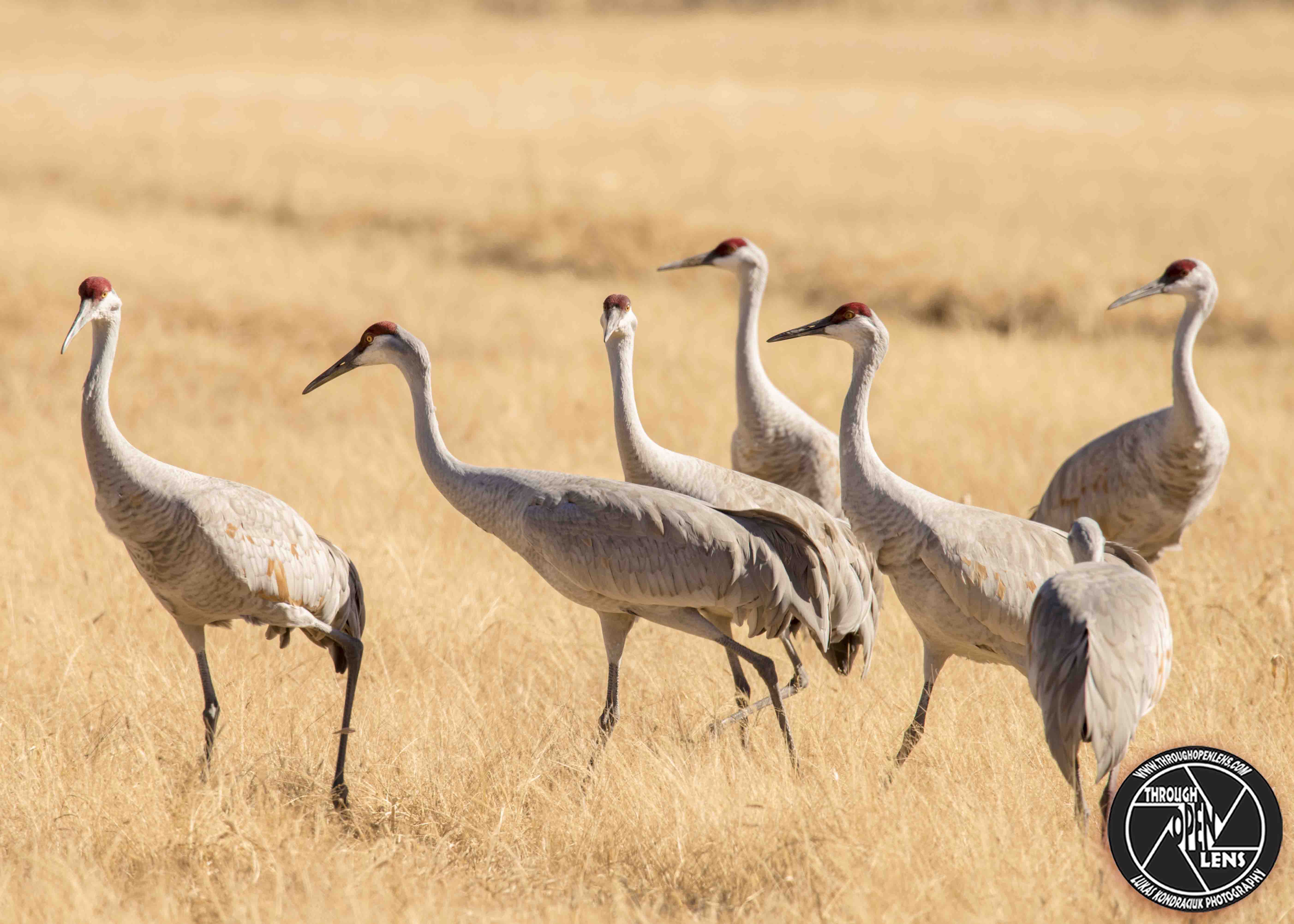
Crane Operators

F/9.0, 1/320, ISO 160.

Sandhill Crane

What bird can lift the most?

A crane.

Interesting Fact:  The Sandhill Crane’s call is a loud, rolling, trumpeting sound whose unique tone is a product of anatomy: Sandhill Cranes have long tracheas (windpipes) that coil into the sternum and help the sound develop a lower pitch and harmonics that add richness. (  https://www.allaboutbirds.org/guide/Sandhill_Crane/lifehistory )