Well…, I Don’t Believe You!

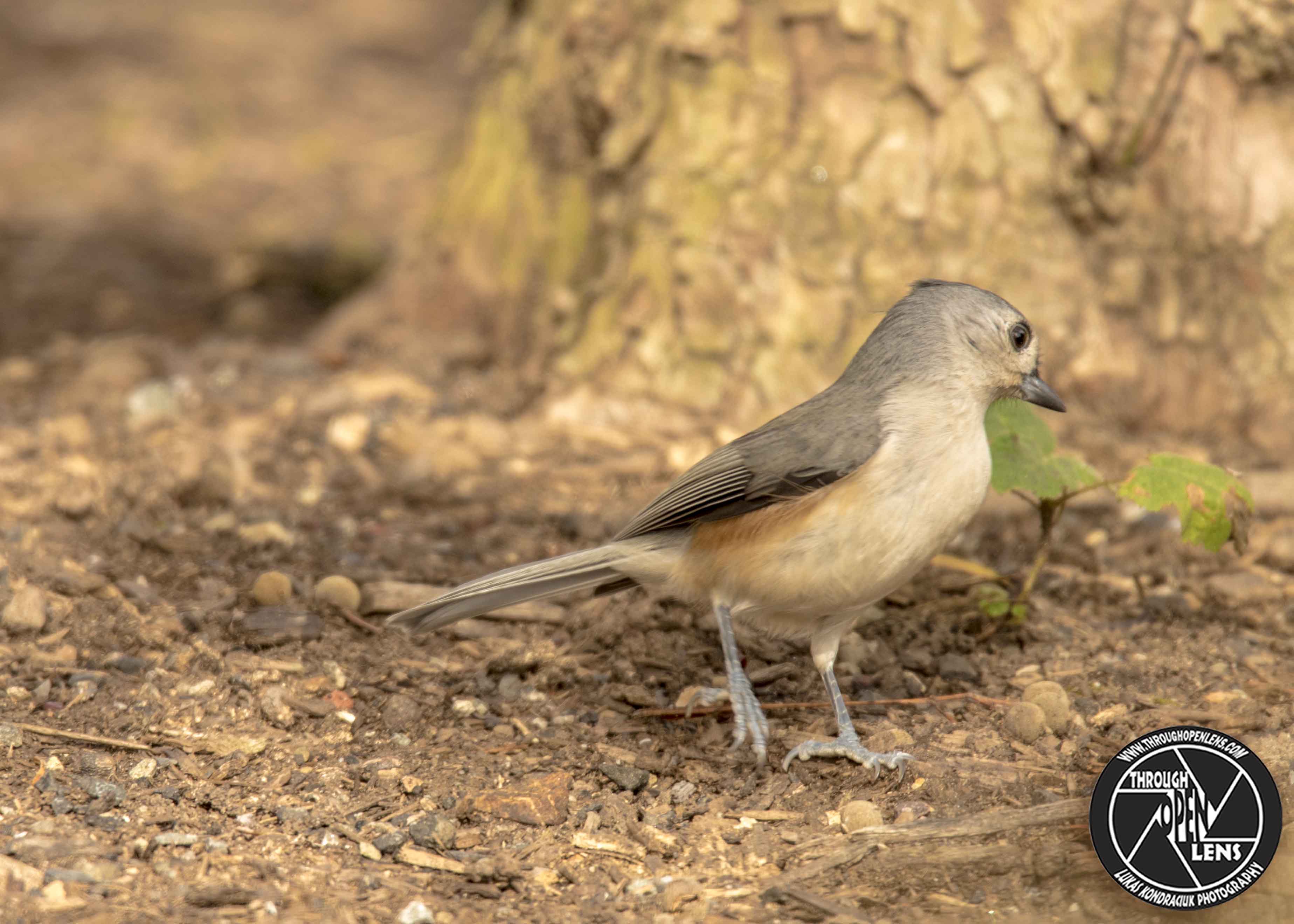
F/7.1, 1/200, ISO 320.

Tufted Titmouse

A tourist was being led through the swamps of Florida.

“Is it true,” he asked, “that an alligator won’t attack you if you carry a flashlight?”

“That depends,” replied the guide, “on how fast you carry the flashlight.”

Interesting Fact: The oldest known wild Tufted Titmouse was at least 13 years, 3 months old. It was banded in Virginia in 1962, and found in the same state in 1974. ( https://www.allaboutbirds.org/guide/Tufted_Titmouse/lifehistory )

I Don’t Stalk. I Investigate!

F/7.1, 1/200, ISO 320.

Black-and-white Warbler 

What do you call a guy who never farts in public?

A private tutor.

Interesting Fact: The Black-and-white Warbler is the only member of the genus Mniotilta. The genus name means “moss-plucking,” a reference to its habit of probing bark and moss for insects.  ( https://www.allaboutbirds.org/guide/Black-and-white_Warbler )

Flap Your Wings Like Bird!

F/6.3, 1/500, ISO 1000.

Golden-crowned Kinglet

Two fish are in a tank.

One turns to the other and says, “Hey, do you know how to drive this thing?”

Interesting Fact: Although it used to nest almost exclusively in boreal spruce-fir forests, the Golden-crowned Kinglet has been expanding its breeding range southward into conifer stands of the Midwest and Appalachians. ( https://www.allaboutbirds.org/guide/Golden-crowned_Kinglet/lifehistory )

You Are My Sunshine

F/7.1, 1/200, ISO 320.

Palm Warbler

Why didn’t the sailors play cards?

Because the captain was on the deck.

Interesting Fact: Canada’s boreal forests stretch for miles and miles. The great boreal forest, often called “North America’s bird nursery,” is the summer home to billions of migratory birds and an estimated 98% of all Palm Warblers. ( https://www.allaboutbirds.org/guide/Palm_Warbler )

Look, I Found Your Business…. It Was All Up In Mine Again!

F/7.1, 1/200, ISO 320.

Northern Cardinal ( Female )

How do you make a lemon drop?

Just let it fall.

Interesting Fact: Northern Cardinals eat mainly seeds and fruit, supplementing these with insects (and feeding nestlings mostly insects). Common fruits and seeds include dogwood, wild grape, buckwheat, grasses, sedges, mulberry, hackberry, blackberry, sumac, tulip-tree, and corn. Cardinals eat many kinds of birdseed, particularly black oil sunflower seed. They also eat beetles, crickets, katydids, leafhoppers, cicadas, flies, centipedes, spiders, butterflies, and moths. ( https://www.allaboutbirds.org/guide/Northern_Cardinal/lifehistory )

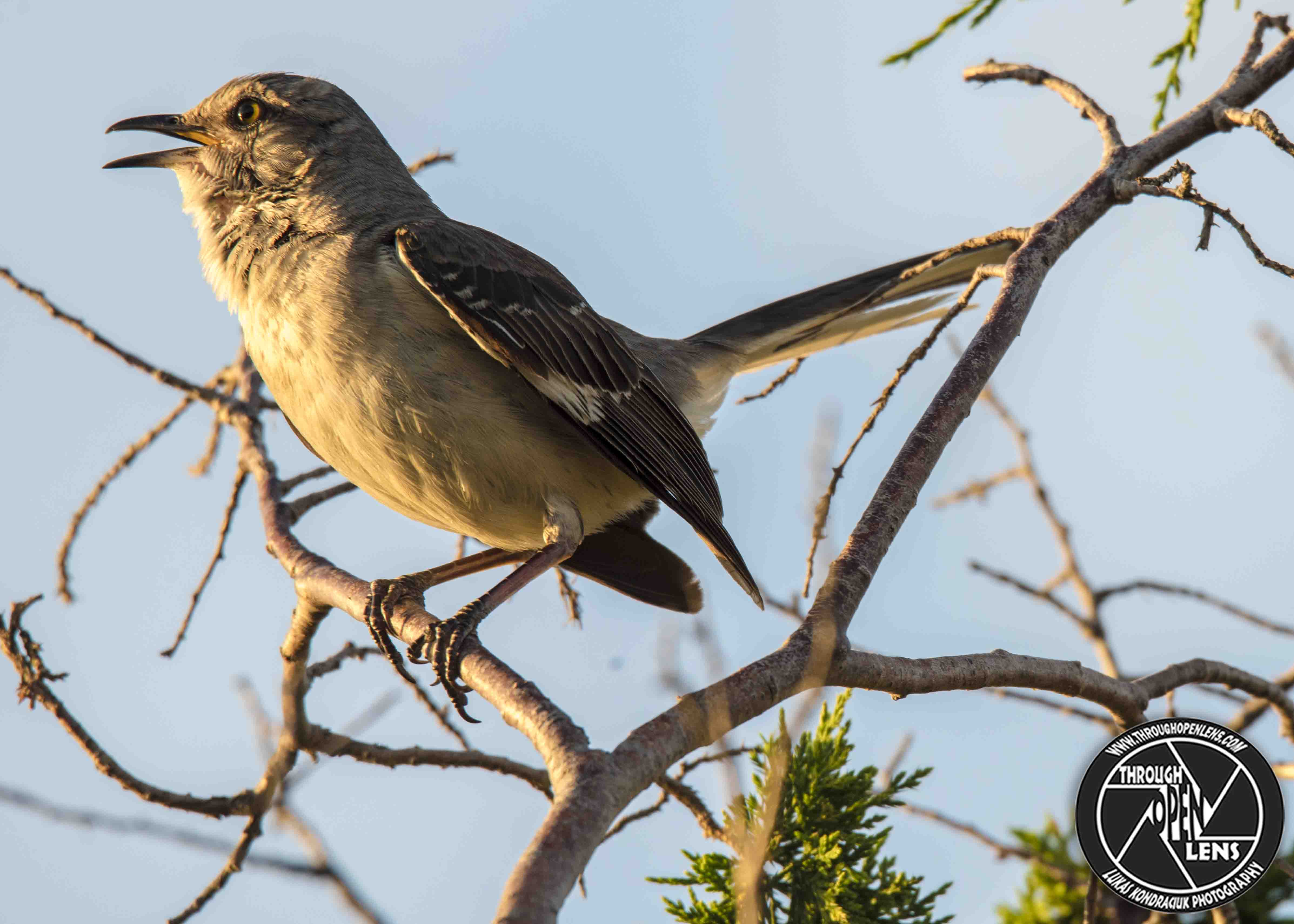
Are You Mocking Me?

F/9.0, 1/320, ISO 250.

Northern Mockingbird

What do you call a snowman in July?

A puddle.

Interesting Fact: It’s not just other mockingbirds that appreciate a good song. In the nineteenth century, people kept so many mockingbirds as cage birds that the birds nearly vanished from parts of the East Coast. People took nestlings out of nests or trapped adults and sold them in cities such as Philadelphia, St. Louis, and New York, where, in 1828, extraordinary singers could fetch as much as $50. ( https://www.allaboutbirds.org/guide/Northern_Mockingbird/lifehistory )

Baby It’s Cold Outside!

F/8.0,1/250, ISO 400.

Northern Cardinal Male 

Why did Scrooge keep a pet lamb?

Because it would say, “Baaaaahh humbug!”

Interesting Fact: Look for Northern Cardinals in dense shrubby areas such as forest edges, overgrown fields, hedgerows, backyards, marshy thickets, mesquite, regrowing forest, and ornamental landscaping. Cardinals nest in dense foliage and look for conspicuous, fairly high perches for singing. Growth of towns and suburbs across eastern North America has helped the cardinal expand its range northward. ( https://www.allaboutbirds.org/guide/Northern_Cardinal/lifehistory )


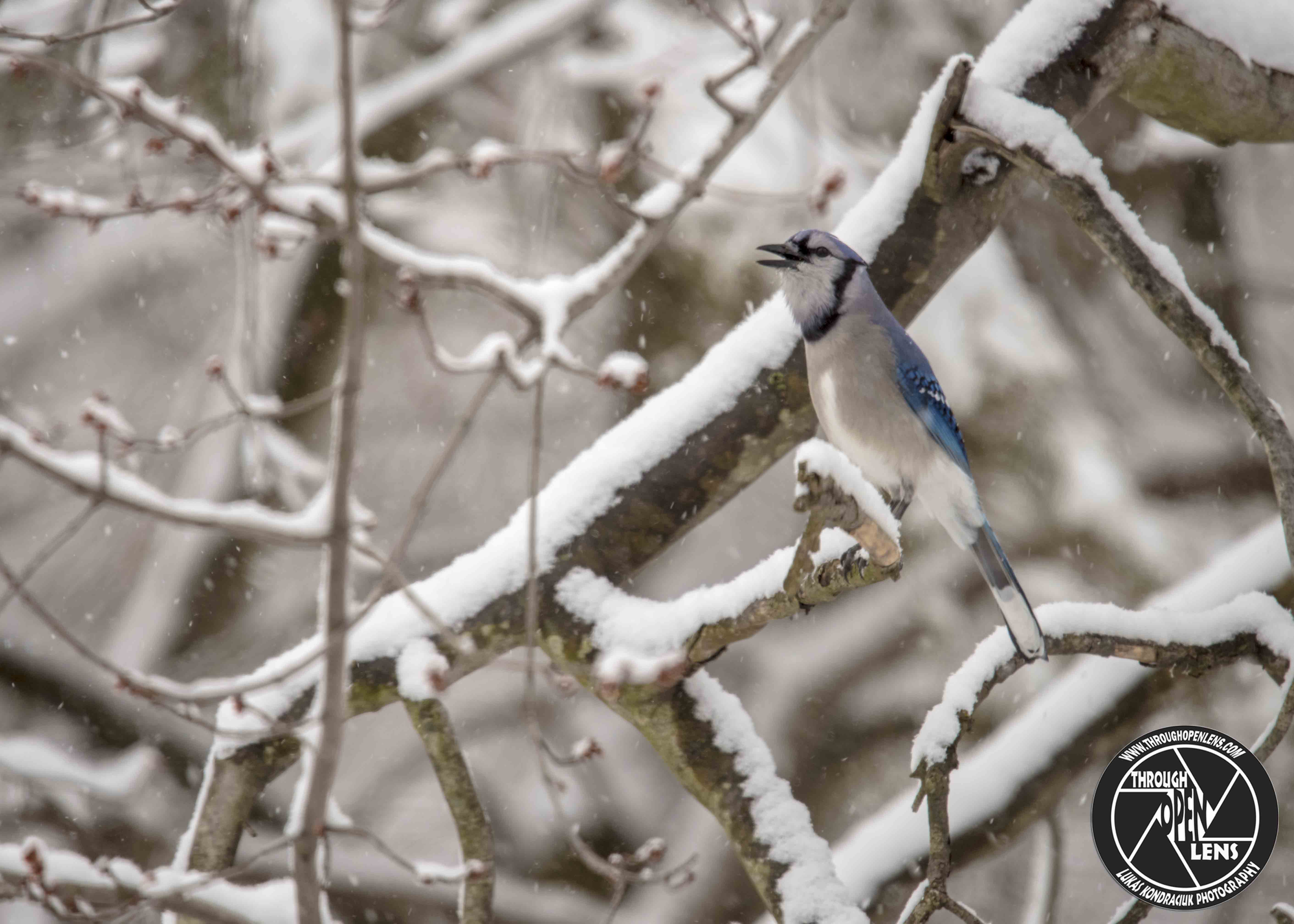
Let It Snow! Let It Snow! The Cold Never Bothered Me Anyway!

F/6.3, 1/160, ISO 400.

Blue Jay

Bobby went in to a pet shop.

He asked the employee, “Can I buy a goldfish?”

The employee: “Do you want an aquarium?”

Bobby: “I don’t care what star sign it is.”

Interesting Fact: Blue Jays are known to take and eat eggs and nestlings of other birds, but we don’t know how common this is. In an extensive study of Blue Jay feeding habits, only 1% of jays had evidence of eggs or birds in their stomachs. Most of their diet was composed of insects and nuts. (  https://www.allaboutbirds.org/guide/Blue_Jay )

I Am As Low As Your Lowrider!

F/9.0, 1/320, ISO 250.

Carolina Wren 

How do you drown a Hipster?

In the mainstream.

Interesting Fact: They are known to build multiple nests to confuse predators. ( http://identify.whatbird.com/obj/677/overview/Carolina_Wren.aspx )


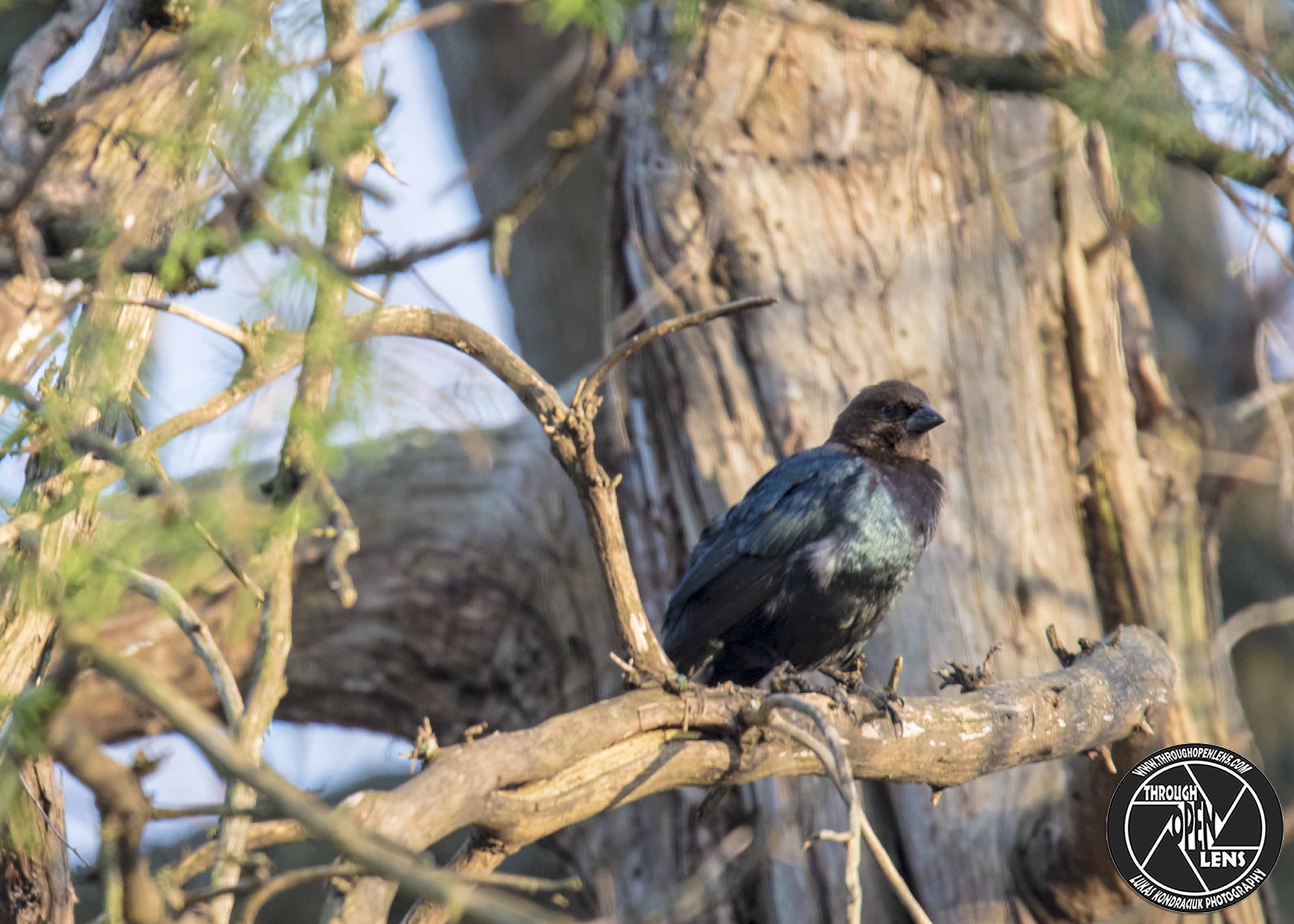
Don’t Questions My Parenting!

F/6.3, 1/80, ISO 500.

Brown-headed Cowbird

I’ve just opened a new restaurant called Karma.

There’s no menu, we just give you what you deserve.

Interesting Fact: The Brown-headed Cowbird is North America’s most common “brood parasite.” A female cowbird makes no nest of her own, but instead lays her eggs in the nests of other bird species, who then raise the young cowbirds. ( https://www.allaboutbirds.org/guide/Brown-headed_Cowbird )