Catching Some Rays And Then Making Some Waves!

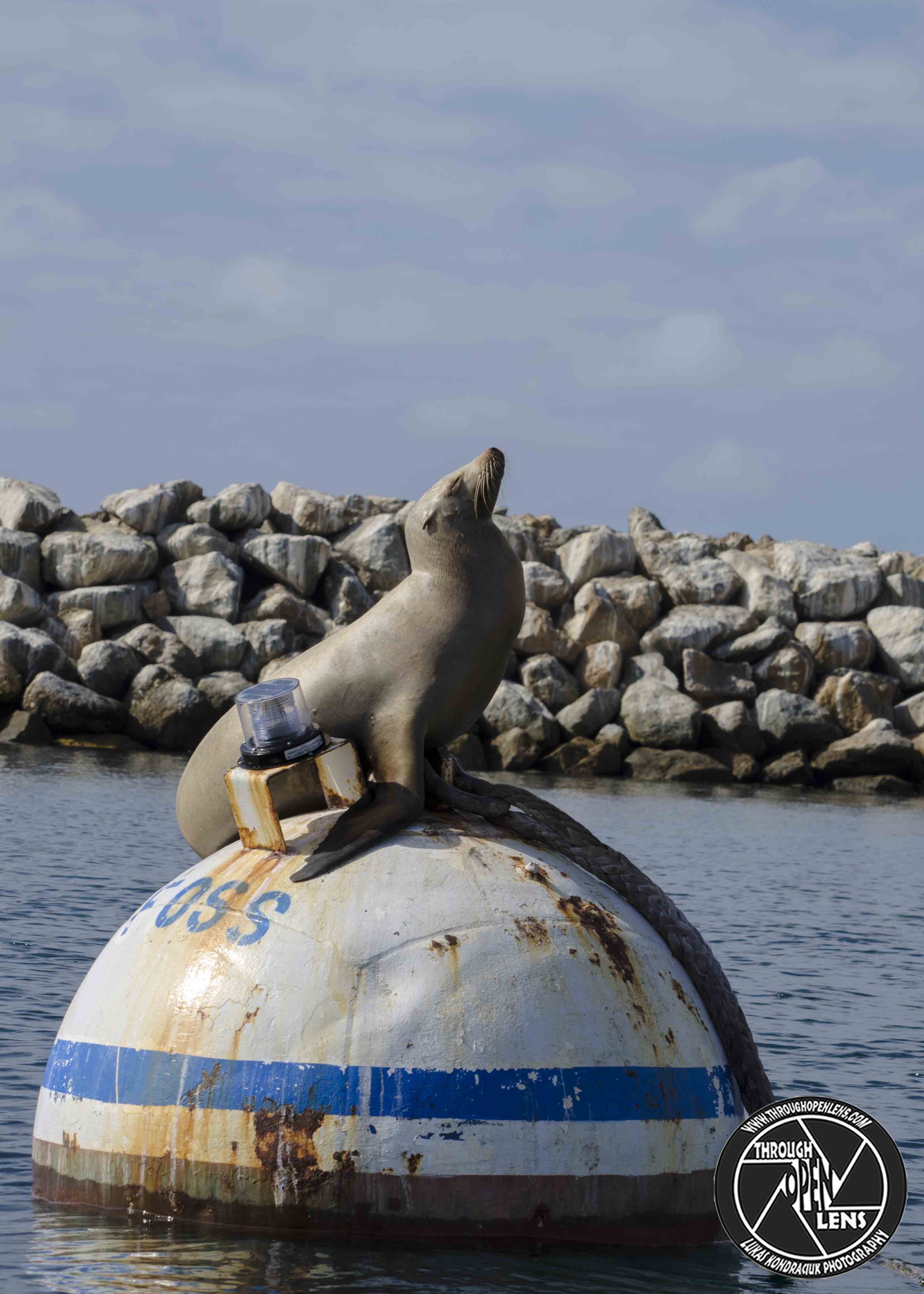
F/9.0, 1/320, ISO 100.

California Sea Lion

What do you call a seal in the desert?

Lost.

Interesting Fact:  The California sea lion is a sleek animal, faster than any other sea lion or seal. These eared seals top out at speeds of some 25 miles (40 kilometers) an hour. ( http://animals.nationalgeographic.com/animals/mammals/california-sea-lion/ )

Gonzo Would Be Jealous!

F/7.1, 1/800, ISO 200.

Whimbrel

What Do You Call a Beach that Keeps Losing Sand?

A Shore Loser.

Interesting Fact: In many regions, the primary winter food of the Whimbrel is crab. The curve of the Whimbrel’s bill nicely matches the shape of fiddler crab burrows. The bird reaches into the crab’s burrow, extracts the crab, washes it if it is muddy, and sometimes breaks off the claws and legs before swallowing it. Indigestible parts are excreted in fecal pellets.  ( https://www.allaboutbirds.org/guide/Whimbrel/lifehistory )


I Wish Exerciseing Was As Easy As Eating!

F/5.6, 1/2000, ISO 320.

Anna’s Hummingbird ( Female )

What do you call a crocodile that likes to bowl?

An Alley-Gator

Interesting Fact:  On rare occasions, bees and wasps may become impaled on the bill of an Anna’s Hummingbird, causing the bird to starve to death. ( https://www.allaboutbirds.org/guide/Annas_Hummingbird )

Sometimes Sitting Still Is The Best Move You Can Make.

F/6.3, 1/160, ISO 160.

Prairie Falcon

What do you get when you put a candle in a suit of armor?

A knight light.

Interesting Fact: Prairie Falcons are among the species of birds that seem to play—they’ve been seen dropping dried cow manure in midair and then diving to catch it. Like young ball players flipping a baseball to themselves, this may be a way to sharpen their coordination skills. ( https://www.allaboutbirds.org/guide/Prairie_Falcon/overview )

Are You Looking At Me?!

F/5.6, 1/80, ISO 320.

California Scrub-Jay

How did the barber win the race?

He knew a short cut.

Interesting Fact: You might see California Scrub-Jays standing on the back of a mule deer. They’re eating ticks and other parasites. The deer seem to appreciate the help, often standing still and holding up their ears to give the jays access. ( https://www.allaboutbirds.org/guide/California_Scrub-Jay/overview )

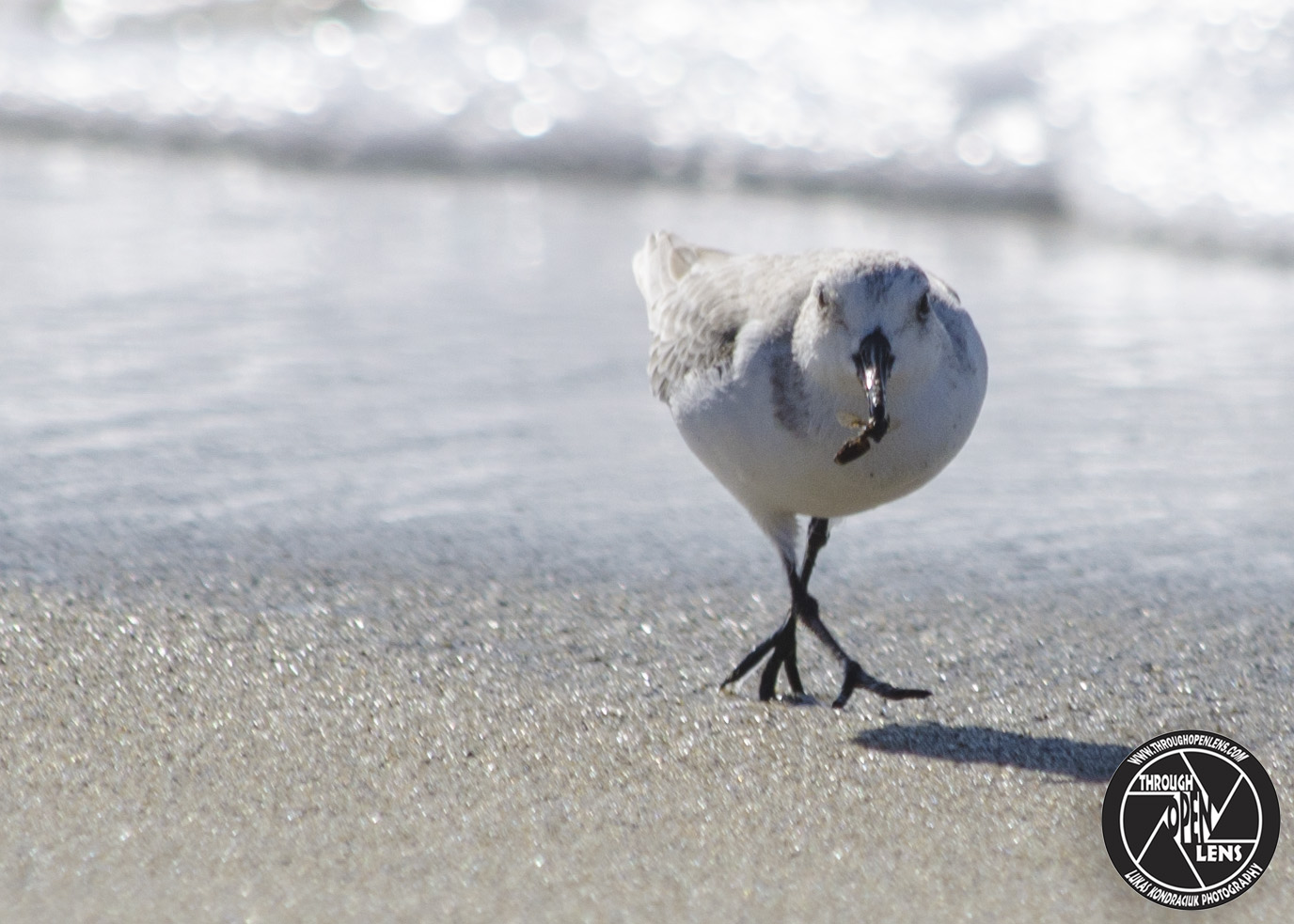
I Will Eat This!

sanderling-eating

F/8.0, 1/1000, ISO 200.

Sanderling

Bobby: “I am on my sea food diet right now”

Joey:  “How does it work?”

Bobby: “Whenever I see food I eat it!”

Interesting Fact: Long-distance migrant. Some Sanderlings travel as few as 1,800 miles to coastal New England, while others fly more than 6,000 miles to temperate South America. Even individuals that winter on the same beach can take different migration routes and may end up on different breeding grounds. ( https://www.allaboutbirds.org/guide/Sanderling/lifehistory )

We Are All Winging it!

F/5.6, 1/2000, ISO 320.

Anna’s Hummingbird ( Female )

Why do bees have sticky hair?

Because they use honeycombs.

Interesting Fact: Hummingbirds are strictly a New World animal. They fascinated the first Europeans who arrived on the continent. Christopher Columbus wrote about them and many wondered if they were a cross between a bird and an insect (at one point being called “flybirds”). Later, their feathers became fashionable ornaments in Europe (a practice that has thankfully fallen out of favor). ( https://www.allaboutbirds.org/guide/Annas_Hummingbird/overview )

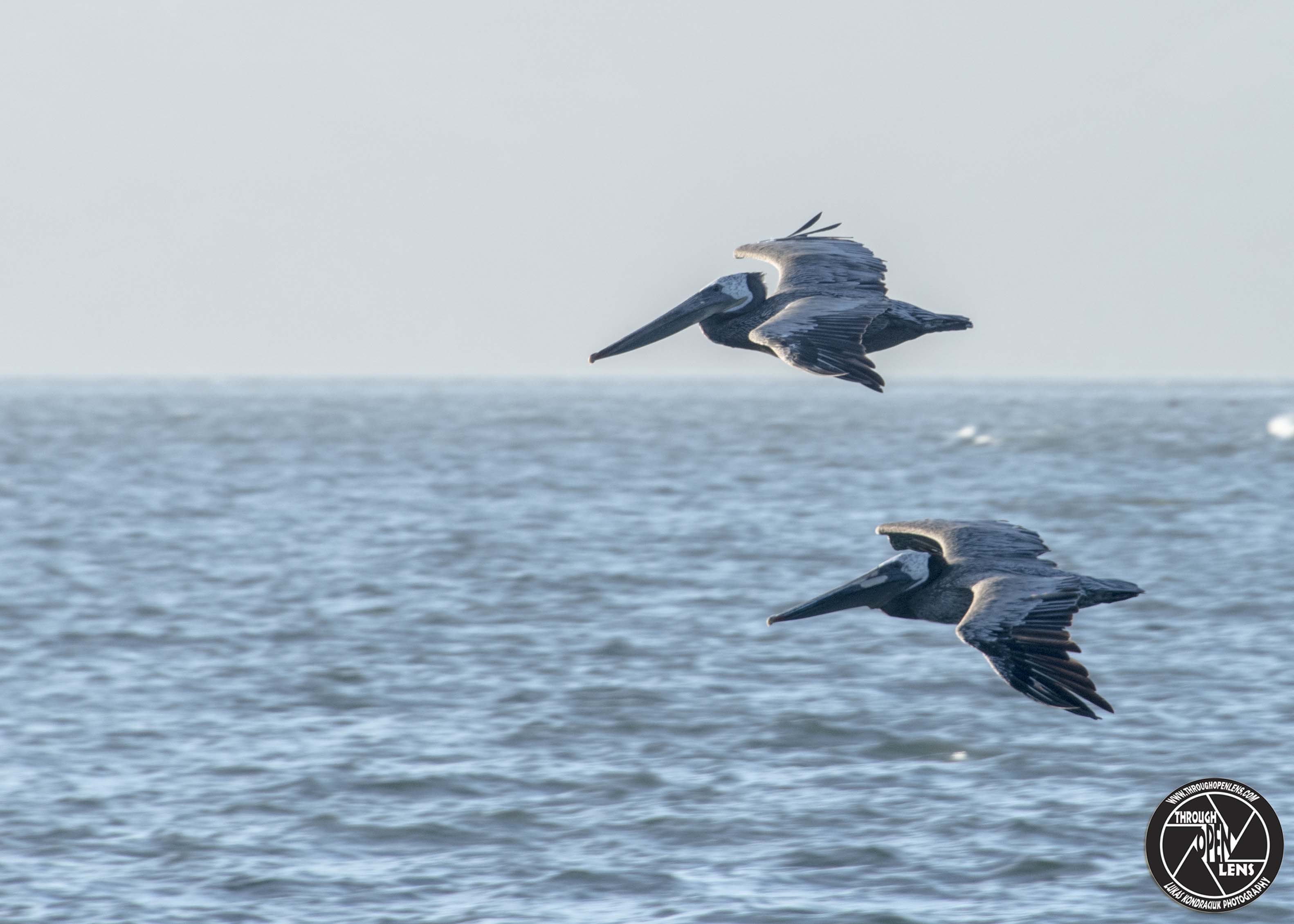
You Never Leave Your Wingman!

F/ 9.0, 1/320, ISO 250.

Brown Pelicans 

Why does Piglet smell so bad?

Because he plays with Pooh.

Interesting Fact: Pelicans usually feed above estuaries and shallow ocean waters within 12 miles of shore, but sometimes venture over the deeper waters past the narrow continental shelf of the Pacific coast. They occasionally feed by sitting on the surface and seizing prey with their bills, like other pelican species, usually when a dense school of fish is close to the surface and the water is too shallow and muddy to plunge. They also steal food from other seabirds, scavenge dead animals, and eat invertebrates such as prawns. ( https://www.allaboutbirds.org/guide/Brown_Pelican/lifehistory )

When Someone Yells STOP I Don’t Know Whether It’s In The Name Of Love, It’s Hammer Time, Or I Should Smell The Flowers.

F/5.3, 1/800, ISO 320.

Anna’s Hummingbird ( Female )

How do angels greet each other?

They say Halo

Interesting Fact: Anna’s Hummingbirds normally have a body temperature of around 107 degrees Fahrenheit—that’s a scorching temperature for a human. When outside temperatures fall, Anna’s and many other species of hummingbirds enter torpor. Their breathing and heart rate slow, and their body temperature can fall as low as 48 degrees Fahrenheit. When the temperature warms, the hummingbirds can become active again in a few minutes. ( https://www.allaboutbirds.org/guide/Annas_Hummingbird/ )


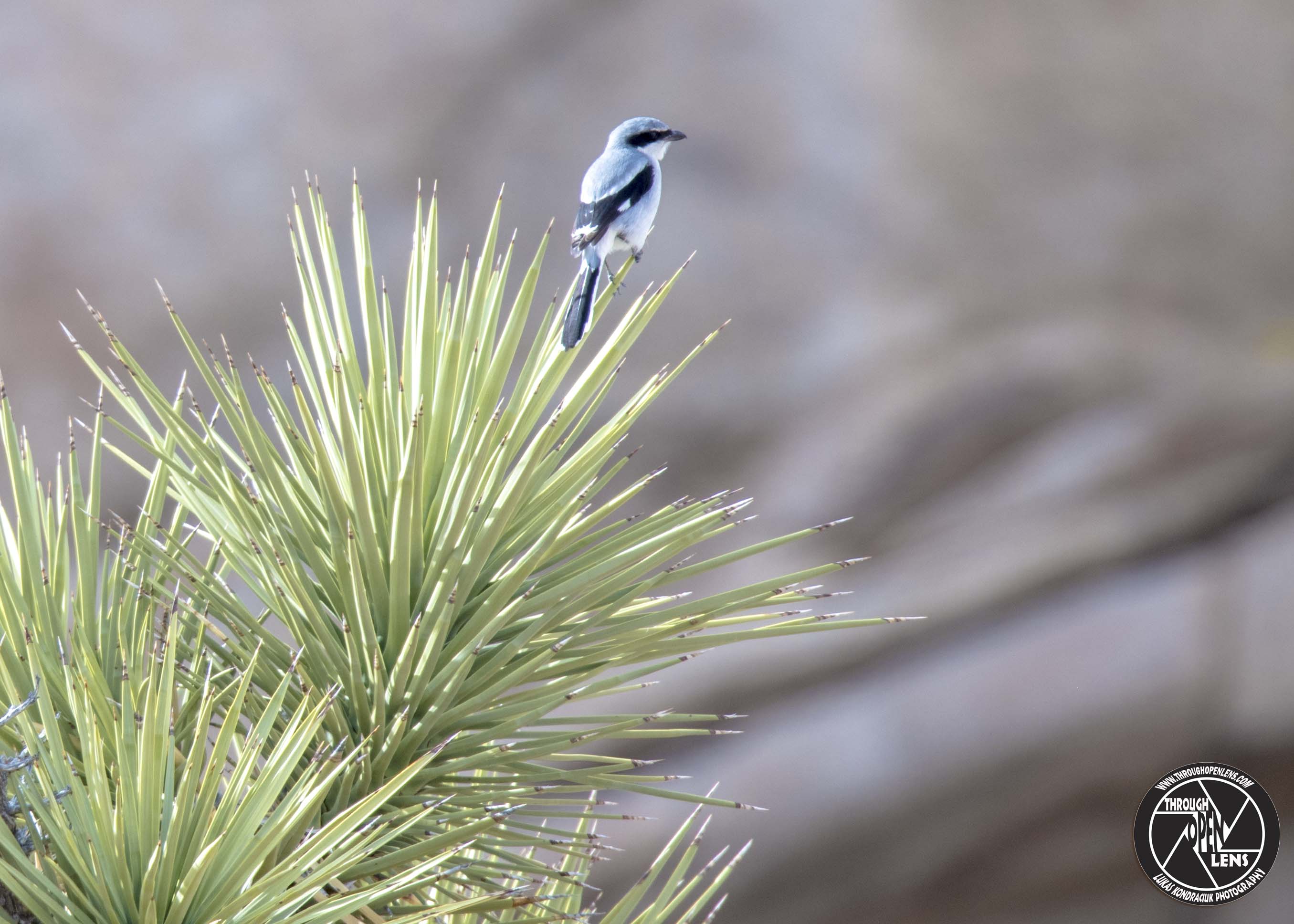
Life Is Like A Cactus, Full Of Pricks, But Also Very Beautiful.

F/8.0, 1/250, ISO 250.

Loggerhead Shrike

What is a soldiers least favorite month of the year?

March

Interesting Fact: Loggerhead Shrikes impale noxious prey such as monarch butterflies and eastern narrow-mouthed toads—then wait for up to three days to eat them, which allows time for the poisons to break down. These shrikes also eat the heads and abdomens of toxic lubber grasshoppers, while discarding the insect’s poisonous thorax. ( https://www.allaboutbirds.org/guide/Loggerhead_Shrike )