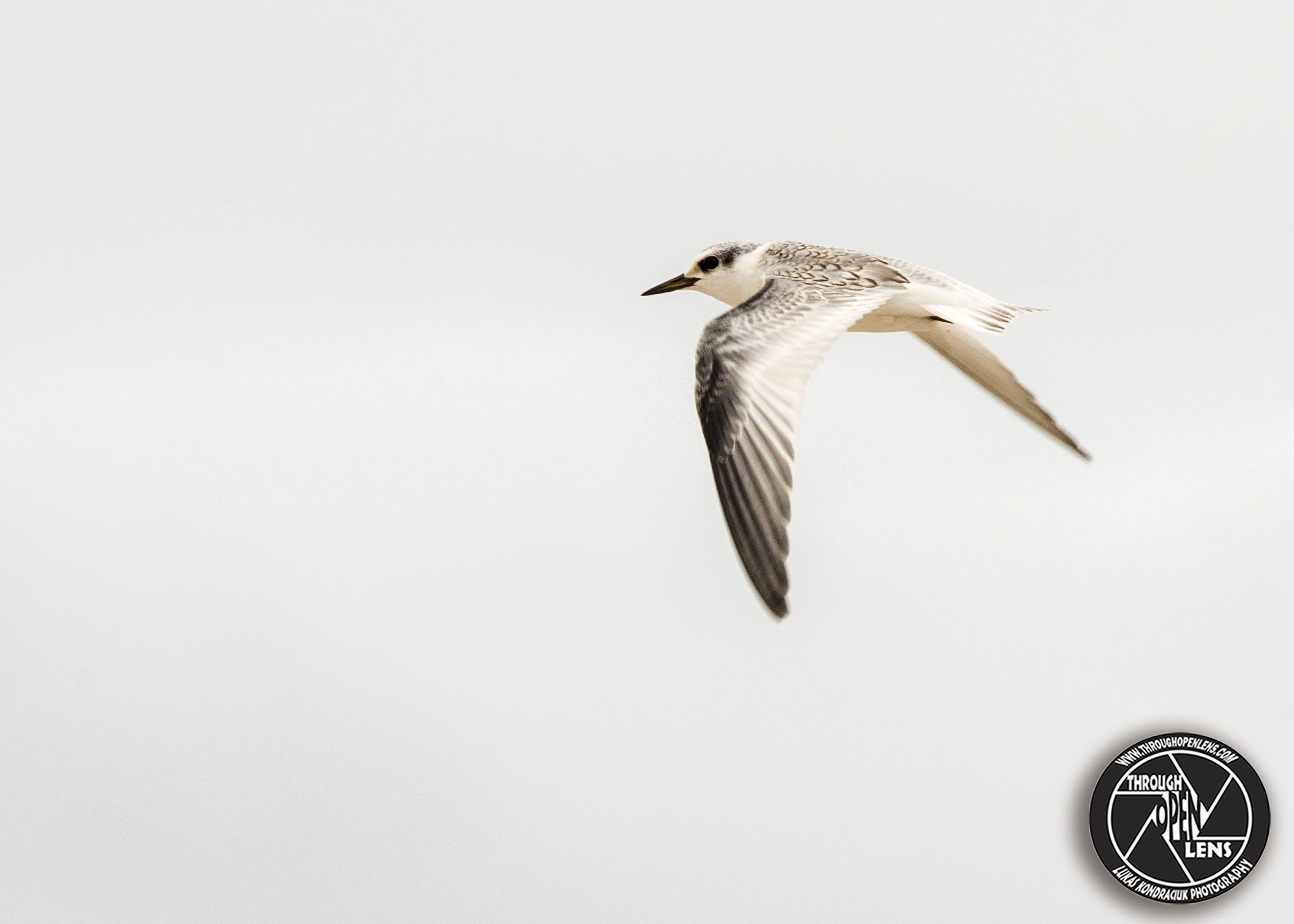
I Can Fly, Fly Away I Will Rise Up And Fly Away!

F/13.0, 1/640, IOS 400.

Common Tern ( Juvenile )

Why was the computer tired when he got home?

Because he had a hard drive.

Interesting Fact: The oldest recorded Common Tern was at least 25 years, 1 month old, when it was recaptured and rereleased during banding operations in New York. ( https://www.allaboutbirds.org/guide/Common_Tern/lifehistory )
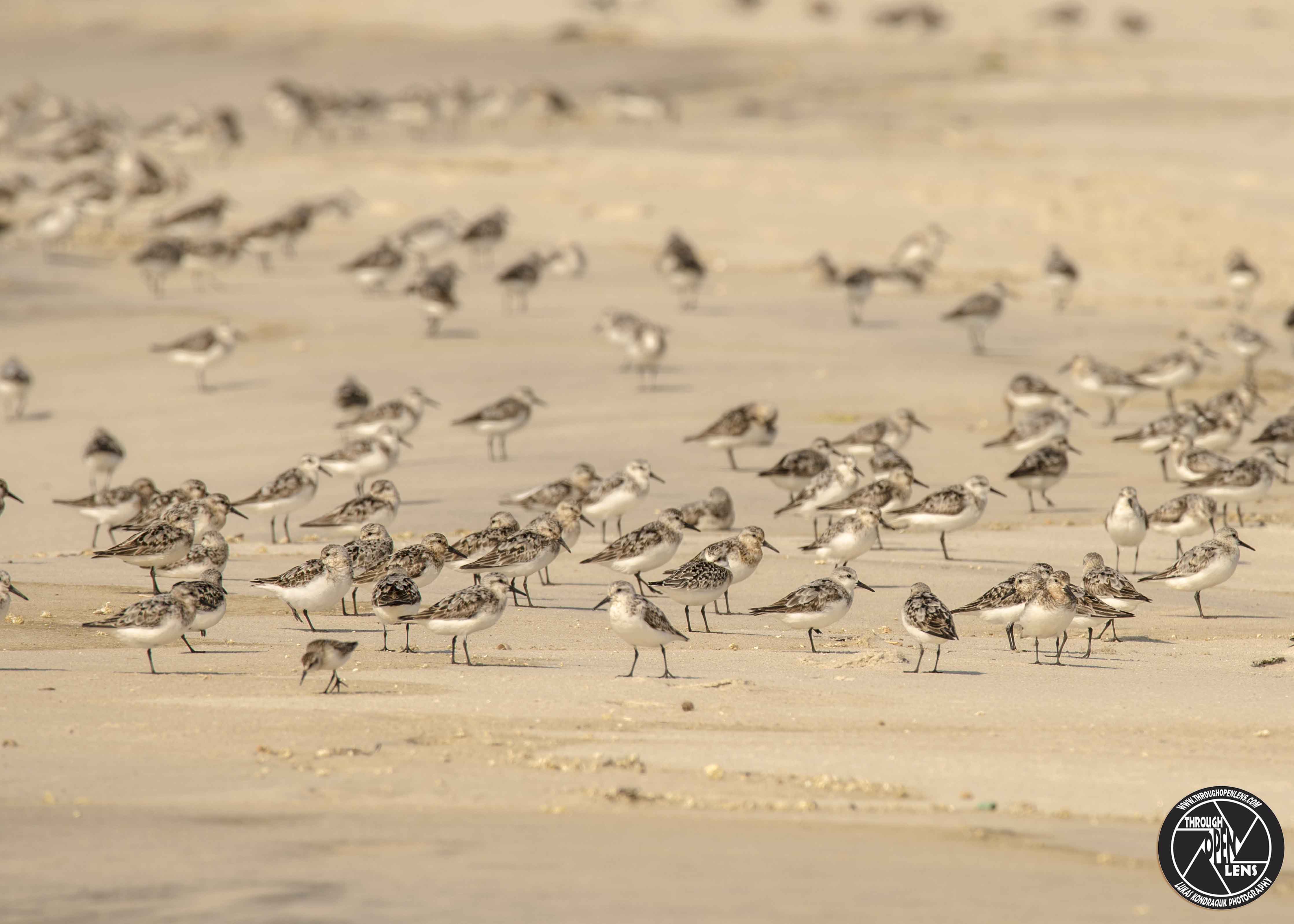
Don’t Stand So, Don’t Stand So, Don’t Stand So, Close To Me!

F/10.0, 1/400, ISO 125.

Semipalmated Sandpipers 

Where do you learn to make ice cream?

Sundae school.

Interesting Fact: Semipalmated Sandpipers from eastern populations probably undertake nonstop transoceanic flights of 3,000 – 4,000 km (1,900 – 2,500 mi) from New England and southern Canada to South America, powered by extensive fat reserves. ( https://www.allaboutbirds.org/guide/Semipalmated_Sandpiper/ )

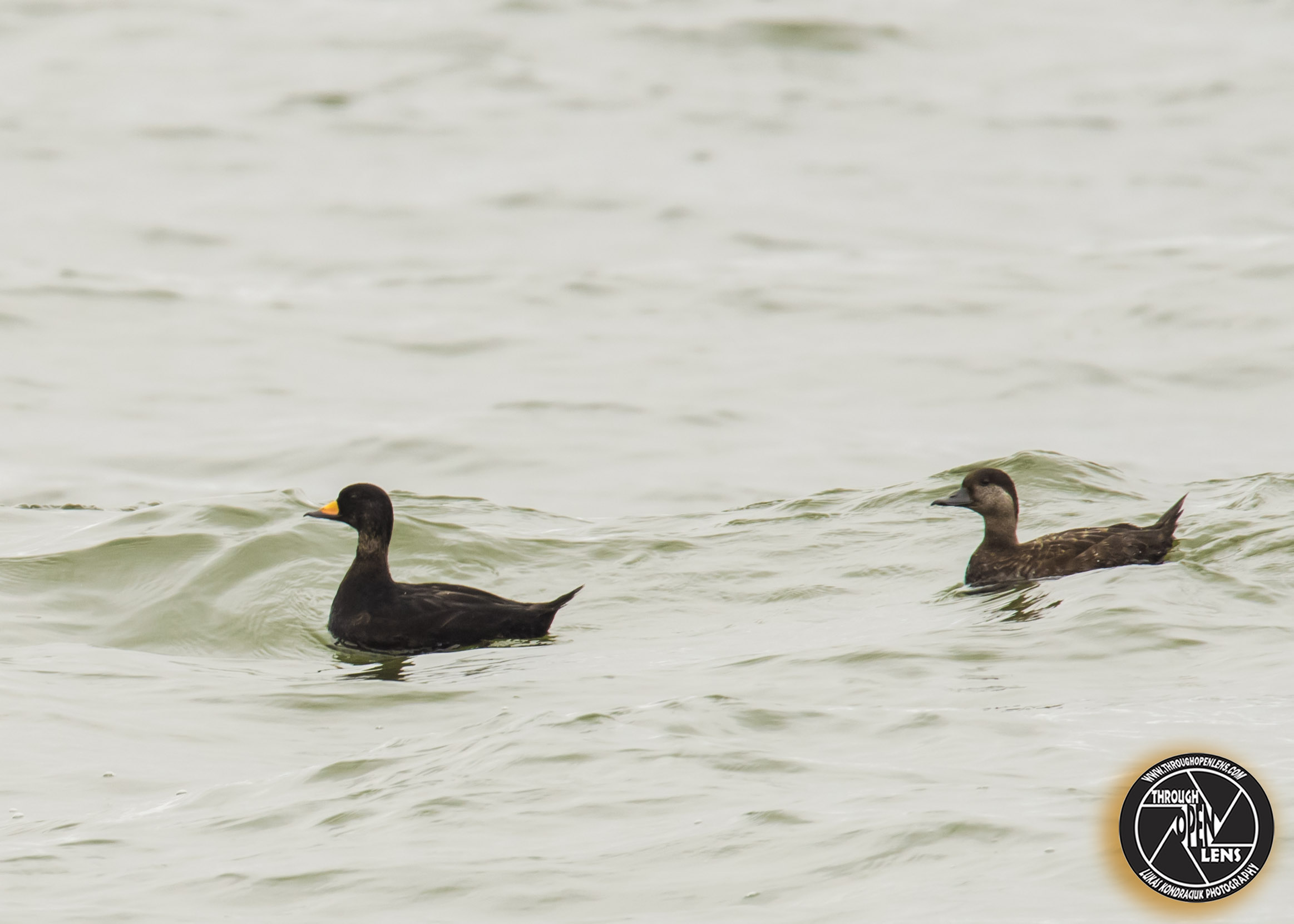
Keep Calm And Quack Quack!

F/11.0, 1/500, ISO 500.

Black Scoter

Mother: What did you learn in school today

Son: How to write.

Mother: What did you write?

Son: I don’t know, they haven’t taught us how to read yet!

Interesting Fact: The Black Scoter is divided into two subspecies. In the form found in Europe, the “Common Scoter,” the male has a larger swollen knob at the base of the upper bill that is black on the sides with a yellow stripe on top, not entirely yellow. ( https://www.allaboutbirds.org/guide/Black_Scoter/lifehistory )


Sitting Like A King

F/13.0, 1/640, ISO 320.

Eastern Kingbirds

Why does a dog stay in a shadow.

Because it doesn’t want to be a Hotdog.

Interesting Fact: Kingbirds sometimes catch small frogs, treating them the same way they deal with large insects: beating them against a perch and swallowing them whole. Eastern Kingbirds apparently rely almost completely on insects and fruit for moisture; they are rarely seen drinking water. ( https://www.allaboutbirds.org/guide/Eastern_Kingbird/lifehistory )


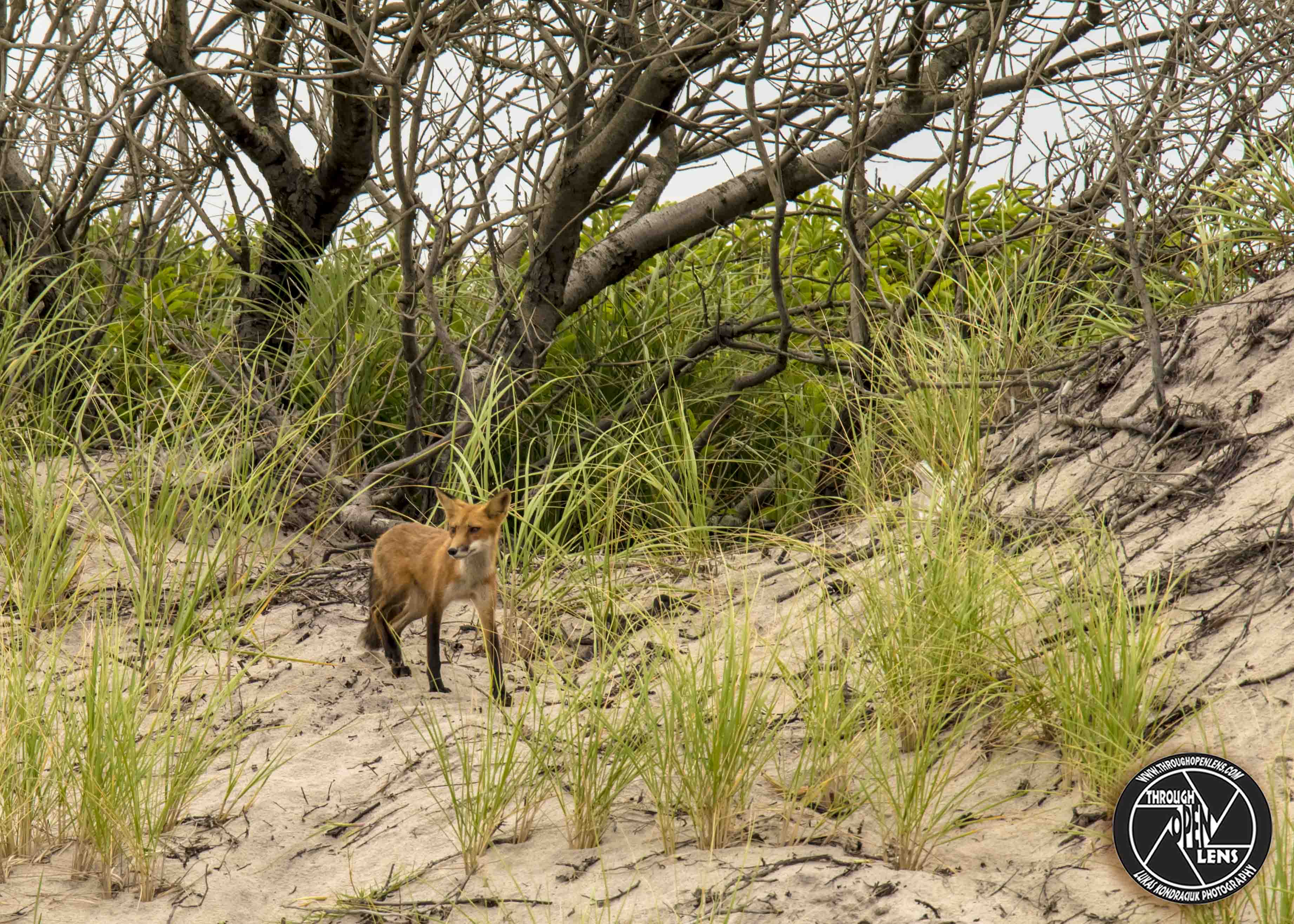
Fox News!

F/10.0, 1/400, ISO 500.

Red Fox

What does a skeleton order at a restaurant?

Spare ribs!

Interesting Fact: Like a cat’s, the fox’s thick tail aids its balance, but it has other uses as well. A fox uses its tail (or “brush”) as a warm cover in cold weather and as a signal flag to communicate with other foxes. ( http://www.nationalgeographic.com/animals/mammals/r/red-fox/ )

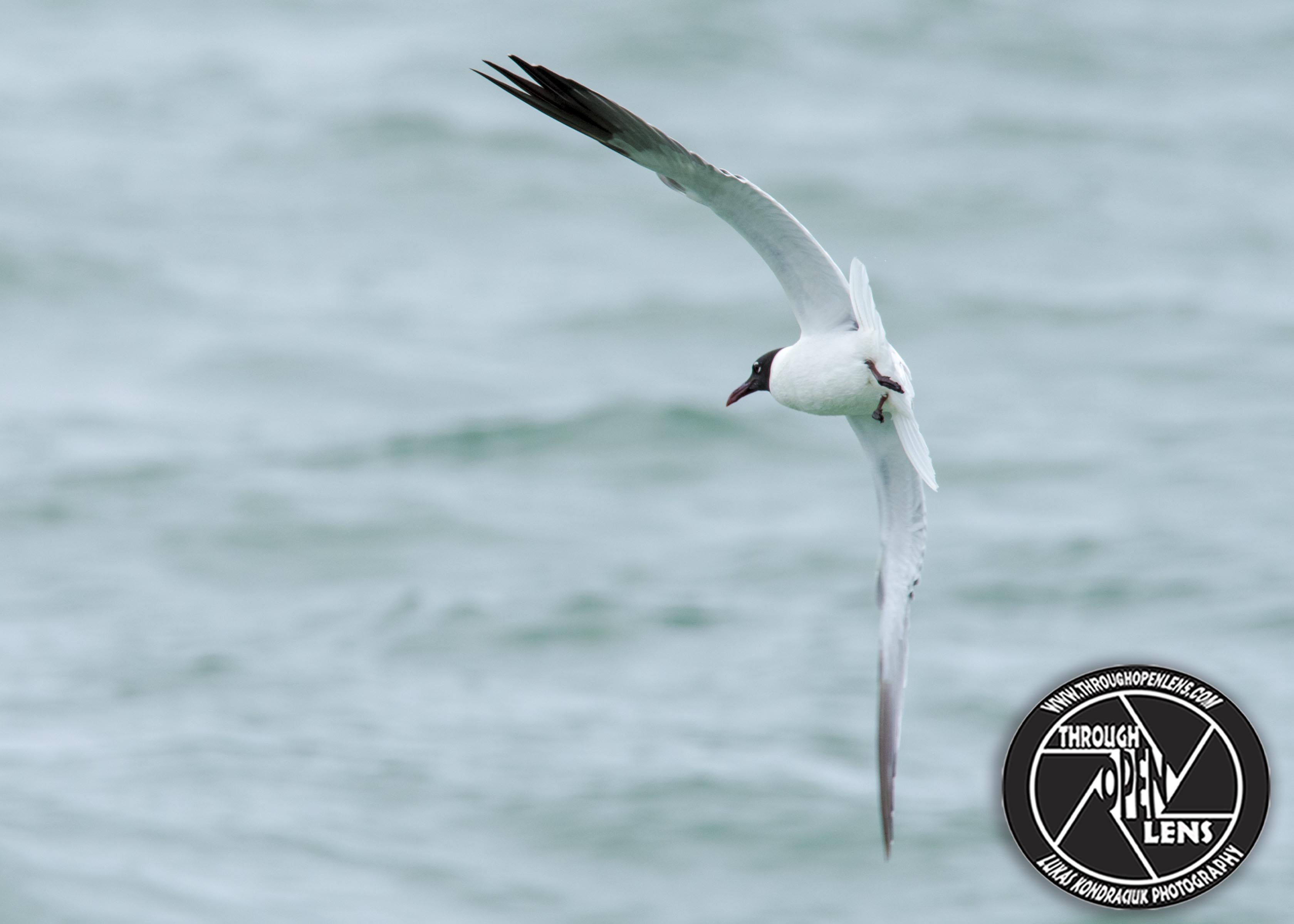
Basic Maneuvers!

F/11.0, 1/500, ISO  320.

Laughing Gull

Why is a river rich?

It has banks on both sides.

Interesting Fact:  The adult Laughing Gull removes the eggshells from the nest after the eggs hatch. If the shells are not removed, a piece can become lodged on top of the slightly smaller unhatched third egg and prevent it from hatching. ( https://www.allaboutbirds.org/guide/Laughing_Gull/lifehistory )

Not Fair You Are Peeking!

F/8.0, 1/250, ISO 200.

White-Tailed Deer 

How does NASA organize a birthday party?

They planet!

Interesting Fact: Males compete for the opportunity of breeding females. Sparring among males determines a dominance hierarchy.[63] Bucks attempt to copulate with as many females as possible, losing physical condition, since they rarely eat or rest during the rut. The general geographical trend is for the rut to be shorter in duration at increased latitude. Many factors determine how intense the “rutting season” will be; air temperature is a major one. Any time the temperature rises above 40 °F (4 °C), the males do much less traveling looking for females, else they will be subject to overheating or dehydrating. Another factor for the strength in rutting activity is competition. If numerous males are in a particular area, then they compete more for the females. If fewer males or more females are present, then the selection process will not need to be as competitive. ( https://en.wikipedia.org/wiki/White-tailed_deer )


He Tried To Imagine The Sound Of The Color Red

F/8.0, 1/250, ISO 800.

Scarlet Tanager

What happened when the two antennas got married?

Well, the ceremony was kinda boring, but the reception was great!

Interesting Fact: The female Scarlet Tanager sings a song similar to the male’s, but softer, shorter, and less harsh. She sings in answer to the male’s song and while she is gathering nesting material. ( https://www.allaboutbirds.org/guide/Scarlet_Tanager/overview )