Together We Can Quack Everything!

F/9.0, 1/320, ISO 500.

Canvasback 

Did you hear about the duck with a drug problem?

He was a quackhead.

Interesting Fact: Canvasbacks are social outside of the breeding season; they gather in large rafts by the thousands to tens of thousands. Only when winter food is scarce or clumped do they defend foraging areas against other Canvasbacks. During spring and early in the breeding season, they act more aggressively. Threat displays include putting the bill in the water or on the chest, jabbing, pumping the head, or chasing.  ( https://www.allaboutbirds.org/guide/Canvasback/lifehistory )
My Nose Has Done More Running This Winter Than I Have.

american-wigeon

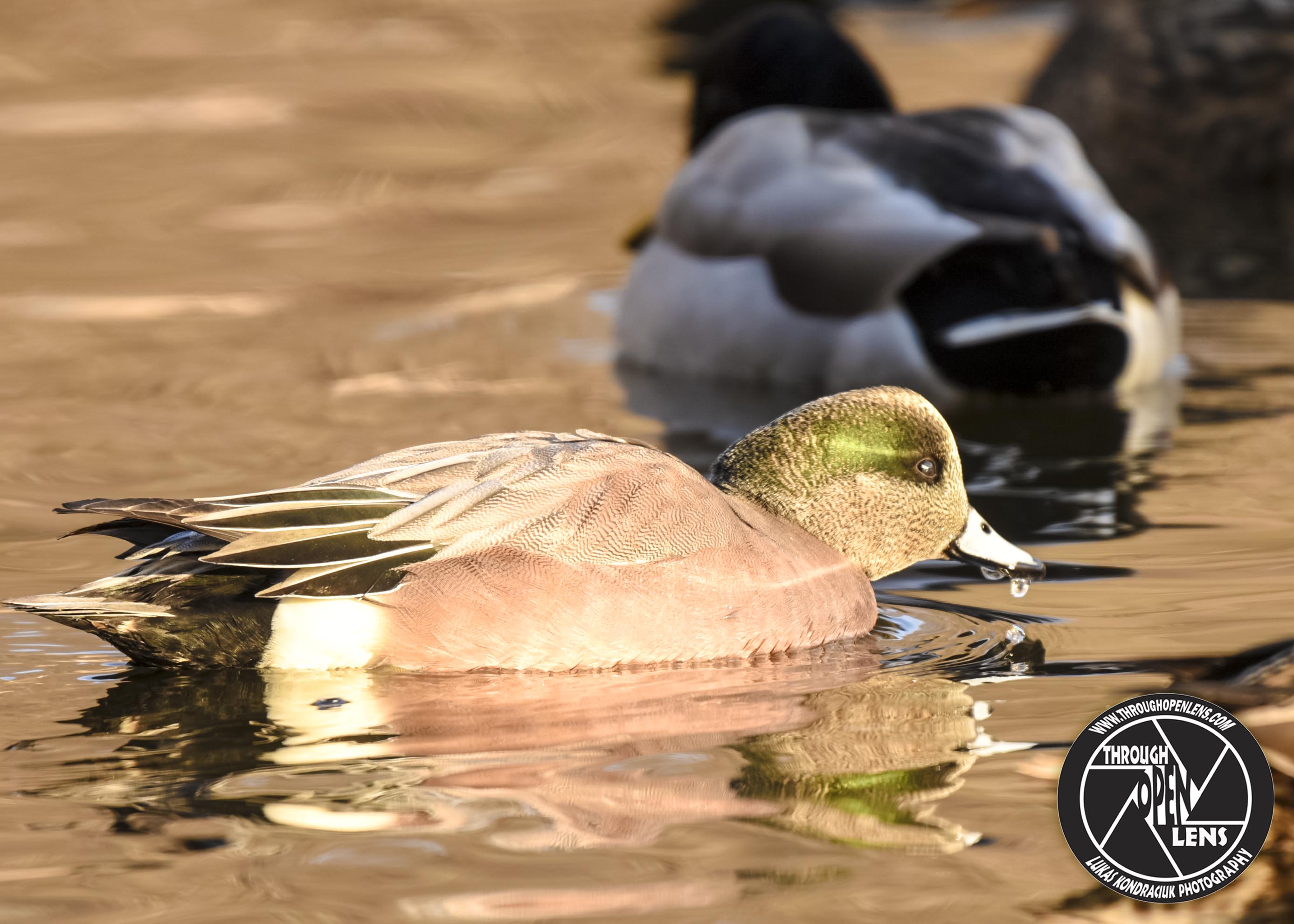
F/7.1, 1/200, ISO 320.

American Wigeon

I went to a really emotional wedding over the weekend.

Even the cake was in tiers.

Interesting Fact: The American Wigeon’s short bill enables it to exert more force at the bill tip than other dabbling ducks, thus permitting efficient dislodging and plucking of vegetation.  ( https://www.allaboutbirds.org/guide/American_Wigeon/lifehistory )

Life Is Like A Camera Focus On What’s Important & You’ll Capture It Perfectly.

F/11.0, 1/125, ISO 125.

Cooper’s Hawk

Why was the snowman sad?

Cause he had a meltdown.

Interesting Fact: Cooper’s Hawks build nests in pines, oaks, Douglas-firs, beeches, spruces, and other tree species, often on flat ground rather than hillsides, and in dense woods. Nests are typically 25-50 feet high, often about two-thirds of the way up the tree in a crotch or on a horizontal branch. ( https://www.allaboutbirds.org/guide/Coopers_Hawk/lifehistory )

I’ve Been Patiently Waiting For A Someone To Fly By!

F/9.0, 1/320, ISO 400.

Cooper’s Hawk

What did the hamburger name his daughter?

Patty!

Interesting Fact: Cooper’s Hawks show the classic accipiter flight style: a few stiff wingbeats followed by short glides. But in pursuit of prey their flight becomes powerful, quick, and very agile, allowing the bird to thread its way through tree branches at top speed. Courting birds display by flying with slow wingbeats, then gliding with wings held in a V. Males make a bowing display to females after pairing and before beginning to build the nest. ( https://www.allaboutbirds.org/guide/Coopers_Hawk/lifehistory )

I Consider Myself A Readhead!

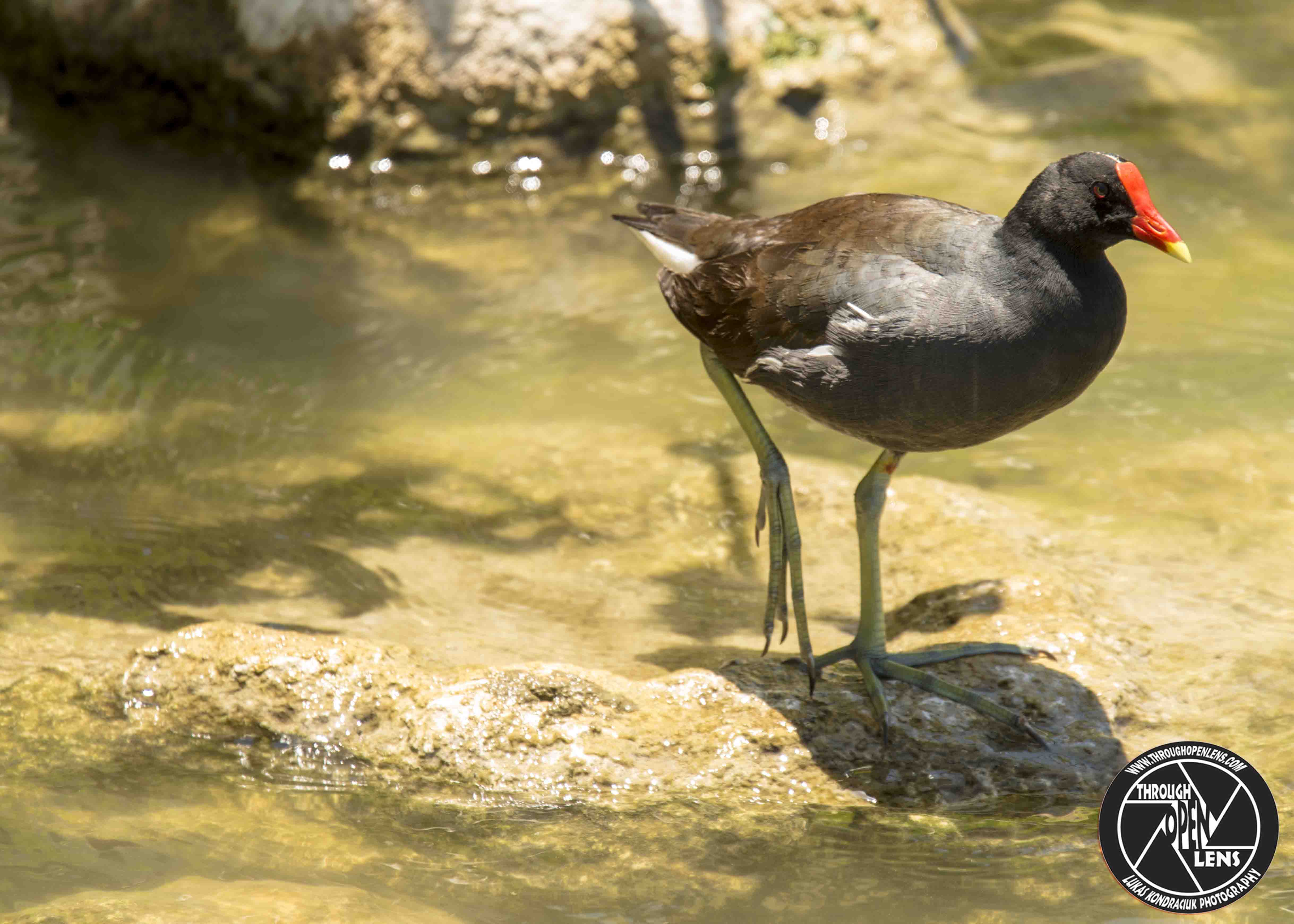
F/9.0, 1/320, ISO 160.

Common Gallinule

Why did the boy tiptoe past the medicine cabinet?

He didn’t want to wake the sleeping pills!

Interesting Fact:  Common Gallinules expanded their range northward during the twentieth century. They started breeding in Pennsylvania for the first time in 1904; now they breed as far north as the Maritime Provinces of Canada. ( https://www.allaboutbirds.org/guide/Common_Gallinule )

Being Unique Is Better… Then Being Perfect.

F/7.1, 1/200, ISO 160.

Common Gallinule

Why shouldn’t you marry a tennis player?

Because love means nothing to them!

Interesting Fact: The Common Gallinule has long toes that make it possible to walk on soft mud and floating vegetation. The toes have no lobes or webbing to help with swimming, but the gallinule is a good swimmer anyway. ( https://www.allaboutbirds.org/guide/Common_Gallinule )

The Key To Eating Healthy Is To Avoid Any Food That Has TV Commercial.

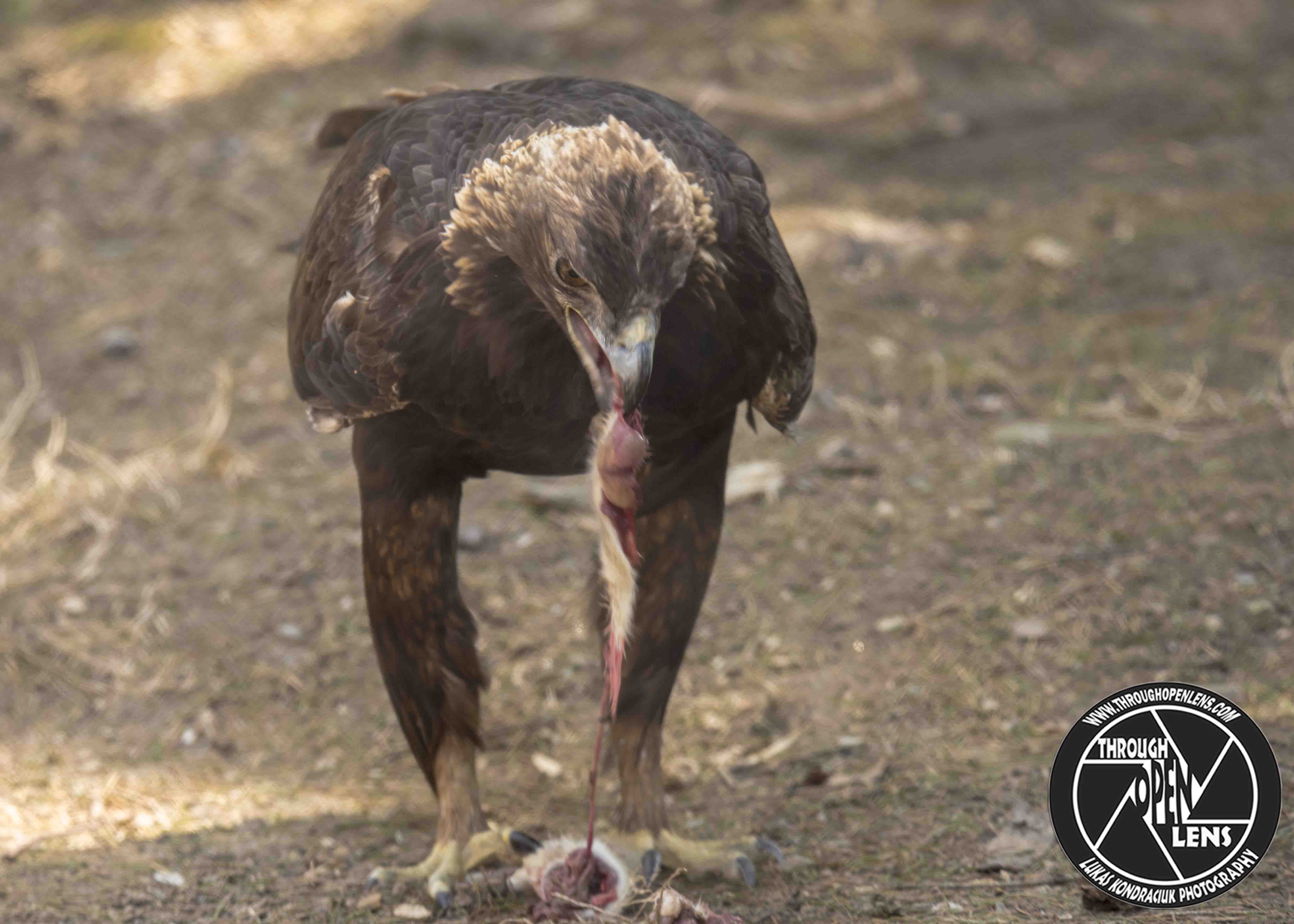
F/6.0, 1/125, ISO 640.

Golden Eagle

What do you get when you cross fish and an elephant?

Swimming trunks.

Interesting Fact: Although capable of killing large prey such as cranes, wild ungulates, and domestic livestock, the Golden Eagle subsists primarily on rabbits, hares, ground squirrels, and prairie dogs. ( https://www.allaboutbirds.org/guide/Golden_Eagle/overview )

I Can Walk On Water!

F/13.0, 1/640, ISO 320.

Ring-billed Gull

Two Police officers are talking:

A naked women robbed a bank.

Nobody could remember her face.

Interesting Fact: Ring-billed Gulls near Tampa Bay, Florida, became accustomed to feasting on garbage at an open landfill site. Then, in 1983, operators replaced the dumping grounds with closed incinerators. The thwarted scavengers found themselves another open dump, but the pattern continues all across the gull’s range. When waste-management practices shift from open landfills to closed incinerators, gull numbers often drop. ( https://www.allaboutbirds.org/guide/Ring-billed_Gull/lifehistory )

Come At Me Bro!

F/9.0,  1/320, ISO 320.

Cooper’s Hawk

What did the tree say to spring?

What a re-leaf.

Interesting Fact: Dashing through vegetation to catch birds is a dangerous lifestyle. In a study of more than 300 Cooper’s Hawk skeletons, 23 percent showed old, healed-over fractures in the bones of the chest, especially of the furcula, or wishbone. ( https://www.allaboutbirds.org/guide/Coopers_Hawk )

I’m Looking Forward To The Weekend. Who’s With Me?

F/9.0, 1/320, ISO 400.

White-throated Sparrow

A man asked a waiter. “What is this fly doing in my soup?”

The waiter replied. “It looks like its swimming sir.”

Interesting Fact:  During the breeding season the males are aggressive, chasing each other off their territories. “White-striped” forms tend to be more aggressive than “tan-striped” forms. Later in the breeding season this aggressiveness declines, and by fall White-throated Sparrows form large flocks that forage together. ( https://www.allaboutbirds.org/guide/White-throated_Sparrow/lifehistory  )