Peck Like There Is No Tomorrow!

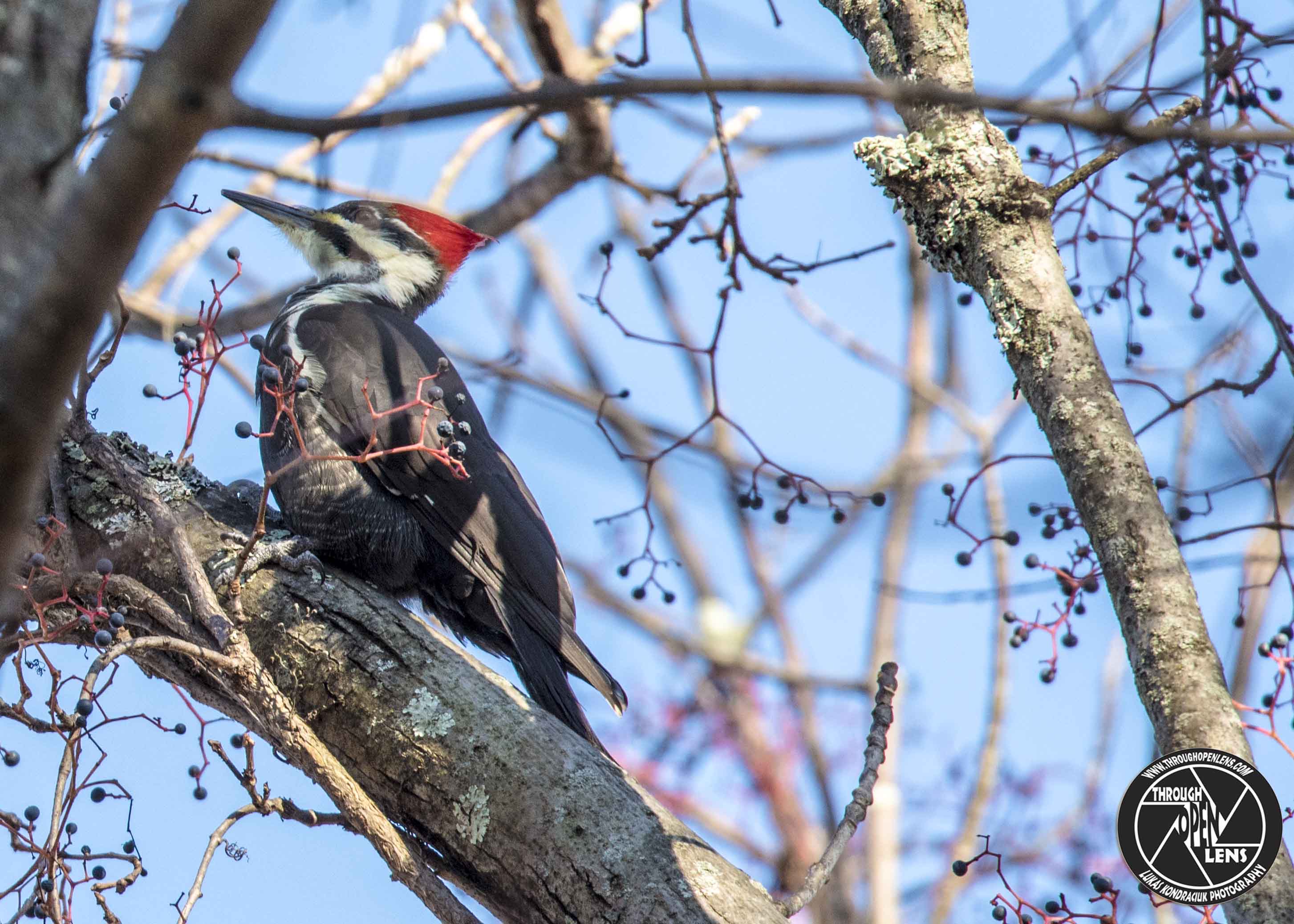
F/9.0, 1/320, ISO 400.

Pileated Woodpecker 

Why do mummies make great spies?

They’re good at keeping things under wraps.

Interesting Fact: Pileated Woodpeckers forage in large, dead wood—standing dead trees, stumps, or logs lying on the forest floor. They make impressive rectangular excavations that can be a foot or more long and go deep inside the wood. These holes pursue the tunnels of carpenter ants, the woodpecker’s primary food. The birds also use their long, barbed tongues to extract woodboring beetle larvae (which can be more than an inch long) or termites lying deep in the wood. ( https://www.allaboutbirds.org/guide/Pileated_Woodpecker/lifehistory )

I Just Love The Way I Feel, Hmmm.

F/11.0, 1/500, ISO 200.

Mute Swan

What do clouds do when they become rich?

They make it rain!

Interesting Fact: Mute Swans form long-lasting pair bonds. Their reputation for monogamy along with their elegant white plumage has helped establish them as a symbol of love in many cultures. ( https://www.allaboutbirds.org/guide/Mute_Swan/lifehistory )

I Hate When I’m Staring At Nothing In Particular, And Then Realize I’m Staring At Someone.

F/9.0, 1/320, ISO 160.

White-breasted Nuthatch

When do people start using their trampoline?

Spring-Time

Interesting Fact: White-breasted Nuthatches forage up, down, and sideways over tree trunks and around large branches. They often (though not always) start high in trees and move down them head first, pausing to crane their necks up and back, toward the horizontal, for a look around. They probe into bark crevices or chip away at wood to find food. When they find large nuts and seeds, they jam them into the bark and hammer them open. White-breasted Nuthatches often store seeds and insects one at a time, and somewhat haphazardly, under loose bark on their territory. They typically hide the food by covering it with a piece of bark, lichen, moss, or snow. ( https://www.allaboutbirds.org/guide/White-breasted_Nuthatch/id )

Admit It. You’re Waiting For Something You Know Won’t Happen.

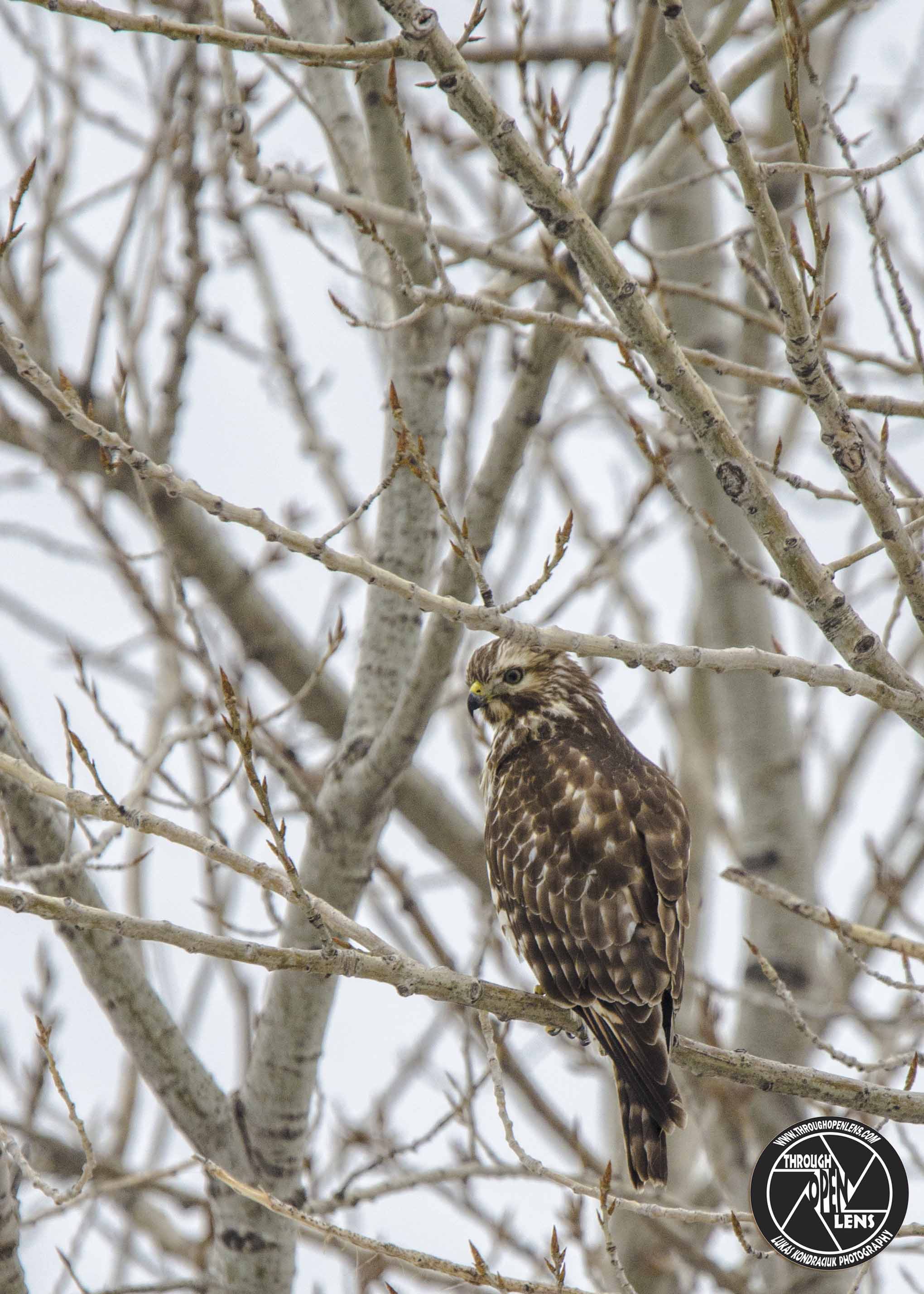
F/6.3, 1/500, ISO 800.

Merlin

What do you get if you cross LSD with birth control?

A trip without the kids!

Interesting Fact: The name “Merlin” comes from esmerillon, the old French name for the species. Merlins used to be called “pigeon hawks” because in flight they look somewhat pigeon-like. Their species name, columbarius, is also a reference to pigeons.  ( https://www.allaboutbirds.org/guide/Merlin )


When I Was Born I Was So Surprised I Didn’t Talk For A Year And Half

F/5.6, 1/800, ISO 250.

White-throated Sparrow

What do you call a fake noodle?

An Impasta

Interesting Fact:  White-throated Sparrows eat mainly the seeds of grasses and weeds, including ragweed and buckwheat, as well as fruits of sumac, grape, cranberry, mountain ash, rose, blueberry, blackberry, and dogwood. In summer they eat large numbers of insects that they catch on the forest floor or, occasionally on quick flights out from low vegetation. These include dragonflies, wasps, stinkbugs, beetles, flies, and caterpillars, as well as spiders, millipedes, centipedes, and snails. Parents feed their nestlings almost exclusively animal matter. During winter, White-throated Sparrows readily visit bird feeders for millet and black oil sunflower seeds. In spring they eat the tender buds, blossoms, and young seeds of oak, apple, maple, beech, and elm. ( https://www.allaboutbirds.org/guide/White-throated_Sparrow/lifehistory )


Sometimes What You Looking For Comes When You’re Not Looking At All.

red-winged-blackbird

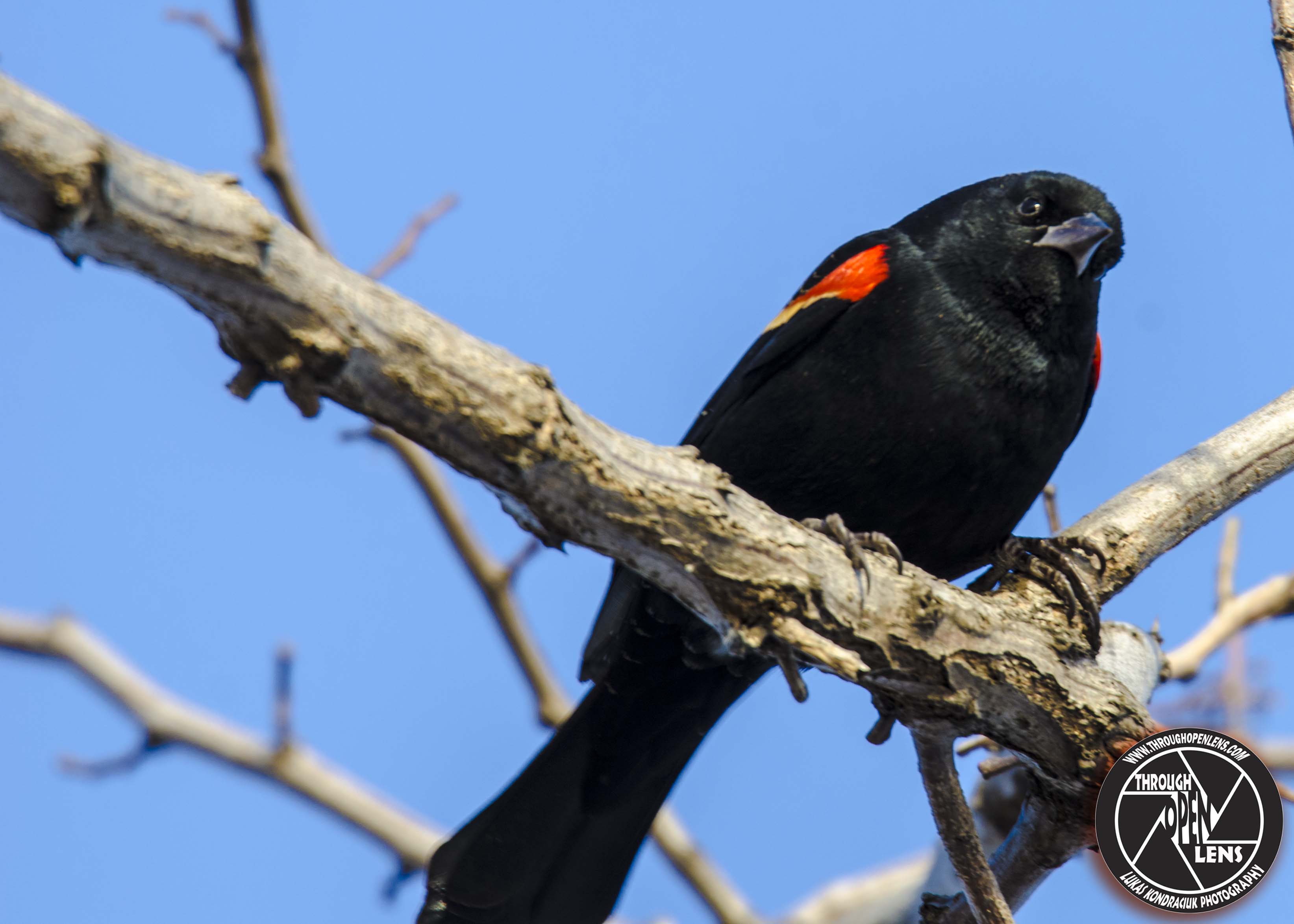
F/8.0, 1/125, ISO 180.

Red-winged Blackbird

Why can’t you tell an egg a joke?

Because it will crack up

Interesting Fact: Male Red-winged Blackbirds fiercely defend their territories during the breeding season, spending more than a quarter of daylight hours in territory defense. He chases other males out of the territory and attacks nest predators, sometimes going after much larger animals, including horses and people. ( https://www.allaboutbirds.org/guide/Red-winged_Blackbird/lifehistory )

Which Way Did He Go, George? Which Way Did He Go?

european-starlings

F/10.0, 1/400, ISO 320.

European Starlings

What’s a good snowing tip?

Never catch snowflakes with your tongue until all the birds have gone south for the winter.

Interesting Fact: All the European Starlings in North America descended from 100 birds set loose in New York’s Central Park in the early 1890s. The birds were intentionally released by a group who wanted America to have all the birds that Shakespeare ever mentioned. It took several tries, but eventually the population took off. Today, more than 200 million European Starlings range from Alaska to Mexico, and many people consider them pests.  ( https://www.allaboutbirds.org/guide/European_Starling/lifehistory )


Not In A Tweeting Mood!

tufted-titmouse-3

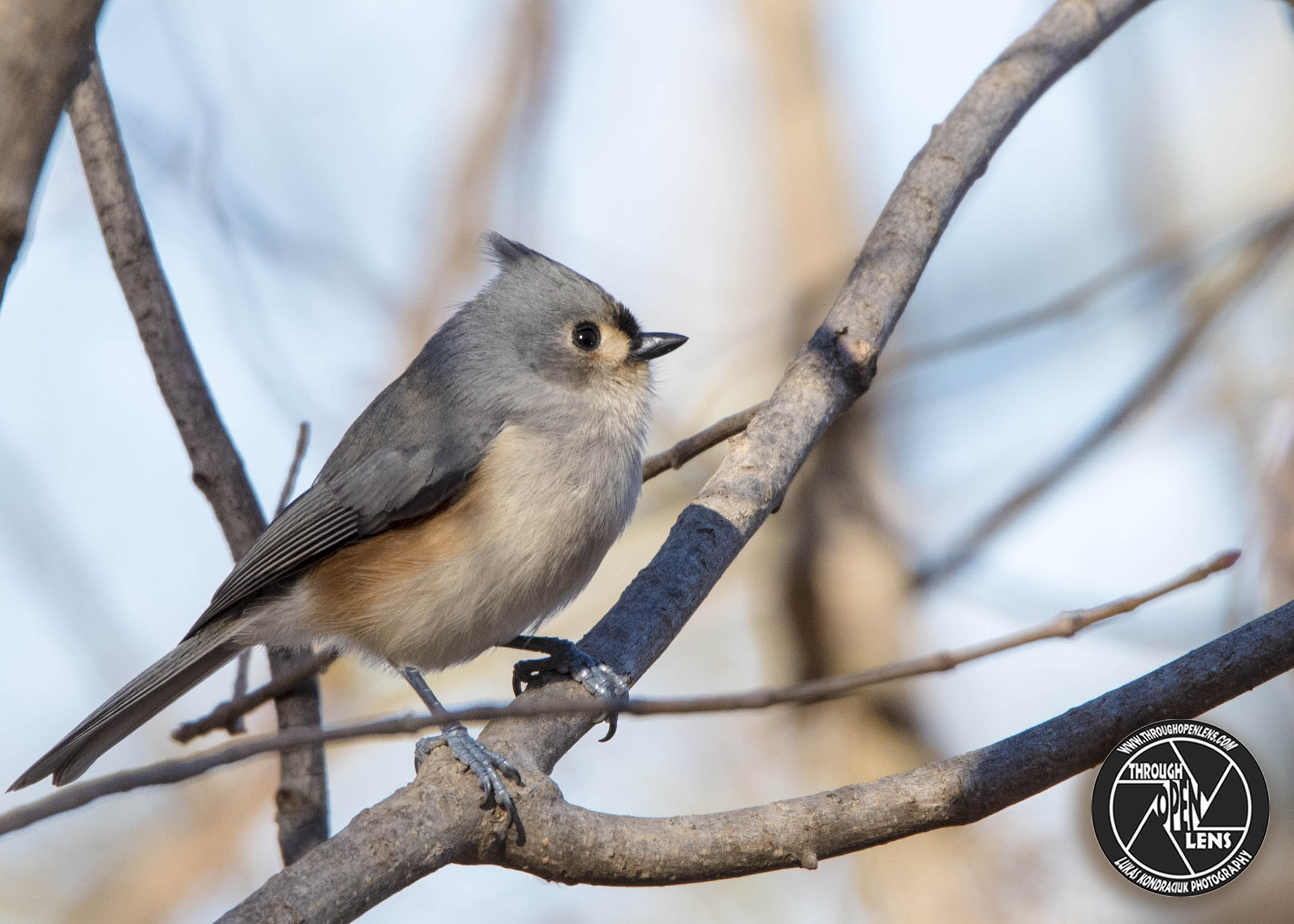
F/10.0, 1/400, ISO 400.

Tufted Titmouse

Why did the storm trooper buy an iphone?

He couldn’t find the Droid he was looking for.

Interesting Fact: Tufted Titmice often line the inner cup of their nest with hair, sometimes plucked directly from living animals. The list of hair types identified from old nests includes raccoons, opossums, mice, woodchucks, squirrels, rabbits, livestock, pets, and even humans. ( https://www.allaboutbirds.org/guide/Tufted_Titmouse/lifehistory )


I Came In Like A Wrecking Ball!

F/6.3, 1/500, ISO 400.

Black capped Chickadee 

Can your mother predict the future with cards?

Yes! She takes one look at my report card and tells me what will happen when my father gets home.

Interesting Fact: Chickadees are active, acrobatic, curious, social birds that live in flocks, often associating with woodpeckers, nuthatches, warblers, vireos, and other small woodland species. They feed on insects and seeds, but seldom perch within several feet of one another while taking food or eating. Flocks have many calls with specific meanings, and they may contain some of the characteristics of human language. ( https://www.allaboutbirds.org/guide/Black-capped_Chickadee/lifehistory )

Looking For Food In All The Wrong Places

northern-cardinal-5

F/6.3, 1/250, ISO 1600.

Northern Cardinal

Long ago, when sailing ships ruled the waves, a captain and his crew were in danger of being boarded by a pirate ship. As the crew became frantic, the captain bellowed to his First Mate,” Bring me my red shirt! “The First Mate quickly retrieved the captain’s red shirt, which the captain put on and led the crew to battle the pirate boarding party. Although some casualties occurred among the crew, the pirates were repelled. Later that day, the lookout screamed that there were two pirate vessels sending boarding parties. The crew cowered in fear, but the captain, calm as ever bellowed, ” Bring me my red shirt!” And once again the battle was on. However, the Captain and his crew repelled both boarding parties, though this time more casualties occurred. Weary from the battles, the men sat around on deck that night recounting the day’s occurrences when an ensign looked to the Captain and asked,’ Sir, why did you call for your red shirt before the battle? “The Captain, giving the ensign a look that only a captain can give, exhorted,’ If I am wounded in battle, the red shirt does not show the wound and thus, you men will continue to fight unafraid.’ The men sat in silence marveling at the courage of such a man. As dawn came the next morning, the lookout screamed that there were pirate ships, 10 of them, all with boarding parties on their way. The men became silent and looked to the Captain, their leader, for his usual command. The Captain, calm as ever, bellowed,” Bring me my brown pants!”

Interesting Fact: Look for Northern Cardinals in dense shrubby areas such as forest edges, overgrown fields, hedgerows, backyards, marshy thickets, mesquite, regrowing forest, and ornamental landscaping. Cardinals nest in dense foliage and look for conspicuous, fairly high perches for singing. Growth of towns and suburbs across eastern North America has helped the cardinal expand its range northward. ( https://www.allaboutbirds.org/guide/Northern_Cardinal/lifehistory )