By Invitation Only!

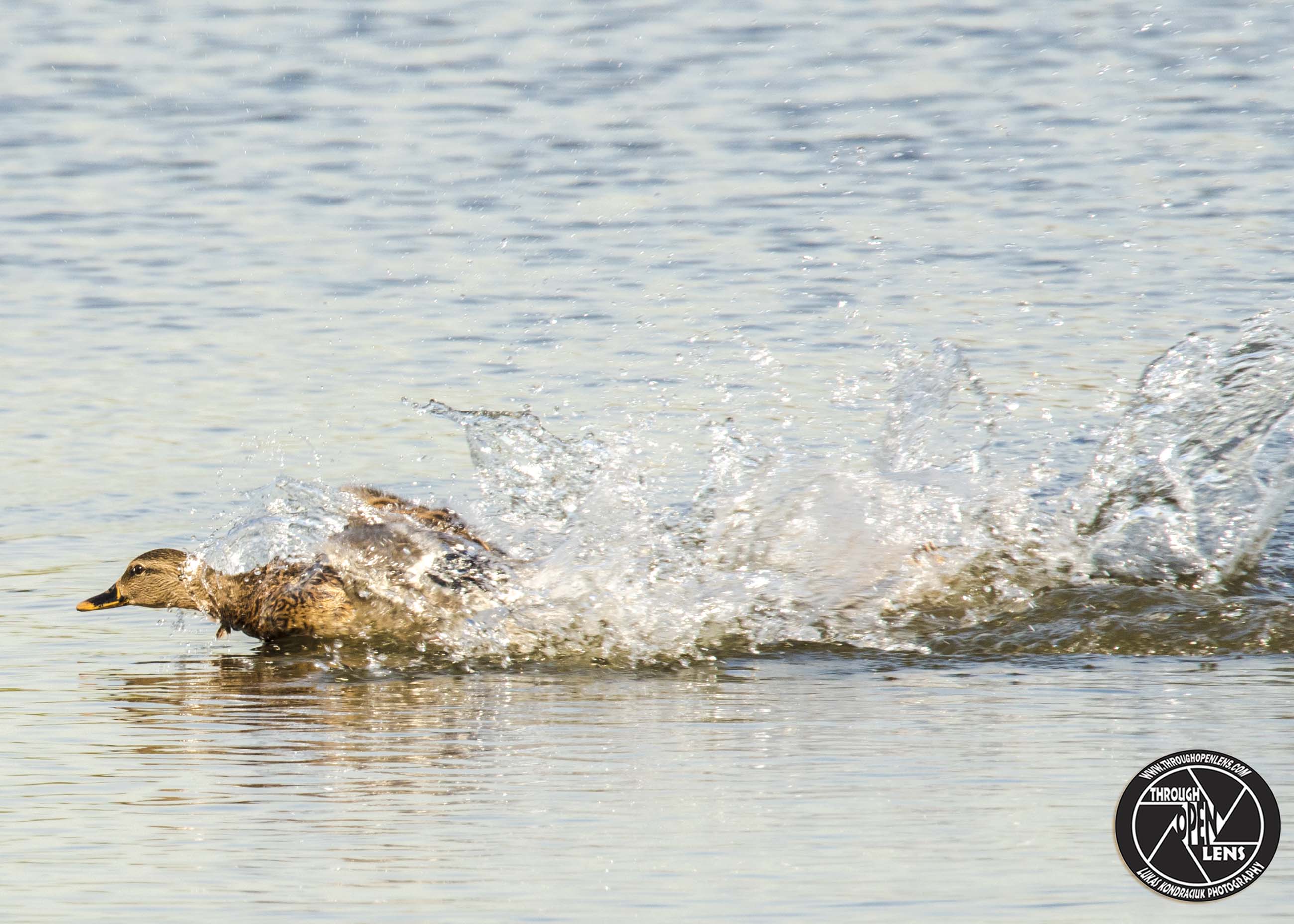
F/5.6, 1/500, ISO 200.

Mallard Female

Why do barbers make good drivers?

They know all the shortcuts.

Interesting Fact: During egg-laying phase, she lines the nest with grasses, leaves, and twigs from nearby. She also pulls tall vegetation over to conceal herself and her nest. After incubation begins, she plucks down feathers from her breast to line the nest and cover her eggs. The finished nest is about a foot across, with a bowl for the eggs that is 1–6 inches deep and 6–9 inches across. ( https://www.allaboutbirds.org/guide/Mallard/lifehistory )
Quack, Damn You!

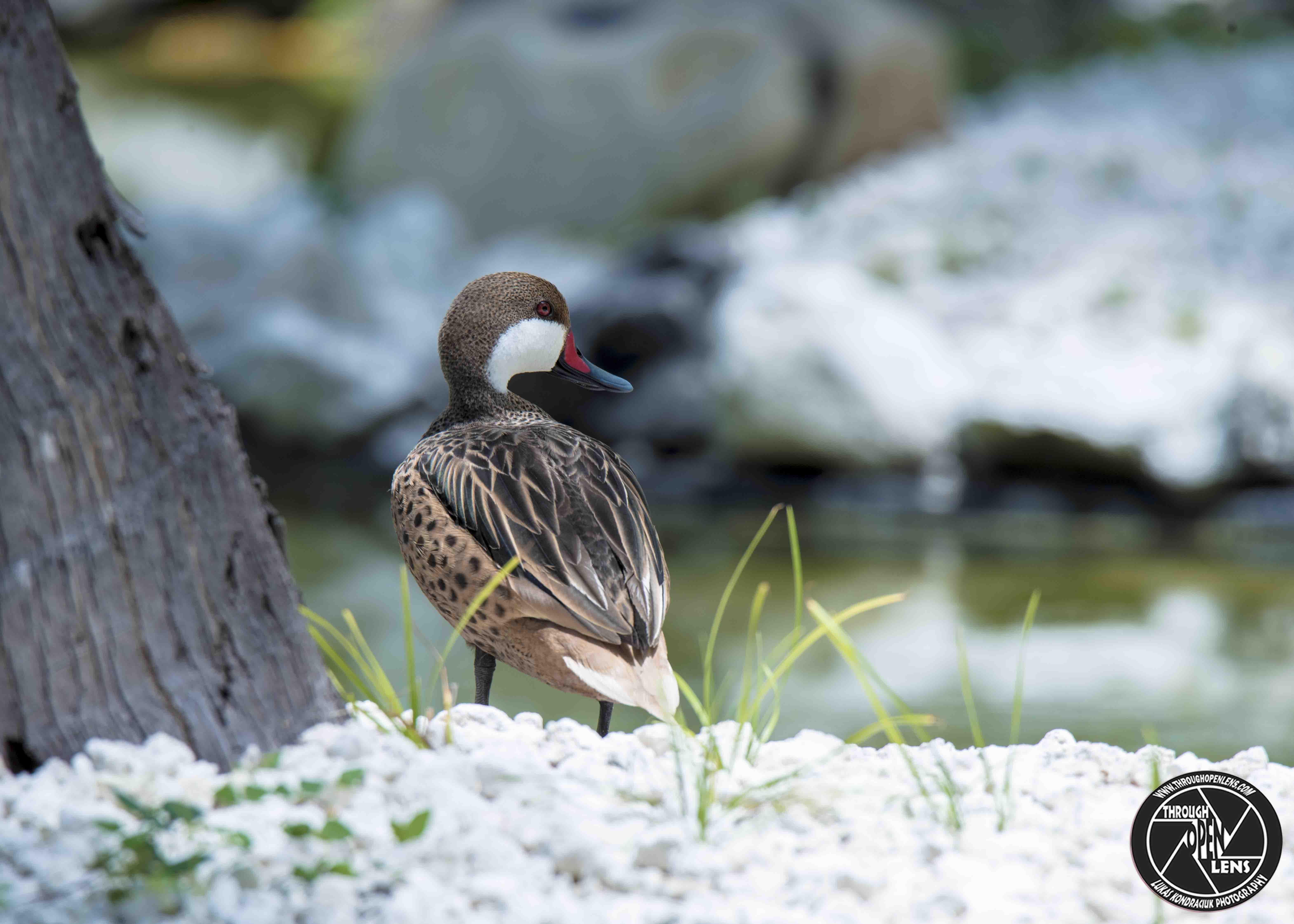
F/7.1, 1/200, ISO 160.

White-Cheeked Pintail 

Did you hear the one about the airplane?

Oh, never mind, it’s probably over your head.

Joke provided by:  Russell Smith ecstaticeclectica.com

Interesting Fact: The White-cheeked Pintail was first described in 1758 by Carolus Linnaeus, Swedish botanist, physician and zoologist. ( http://identify.whatbird.com/obj/1029/overview/White-cheeked_Pintail.aspx )


Time To Start Dabbling!

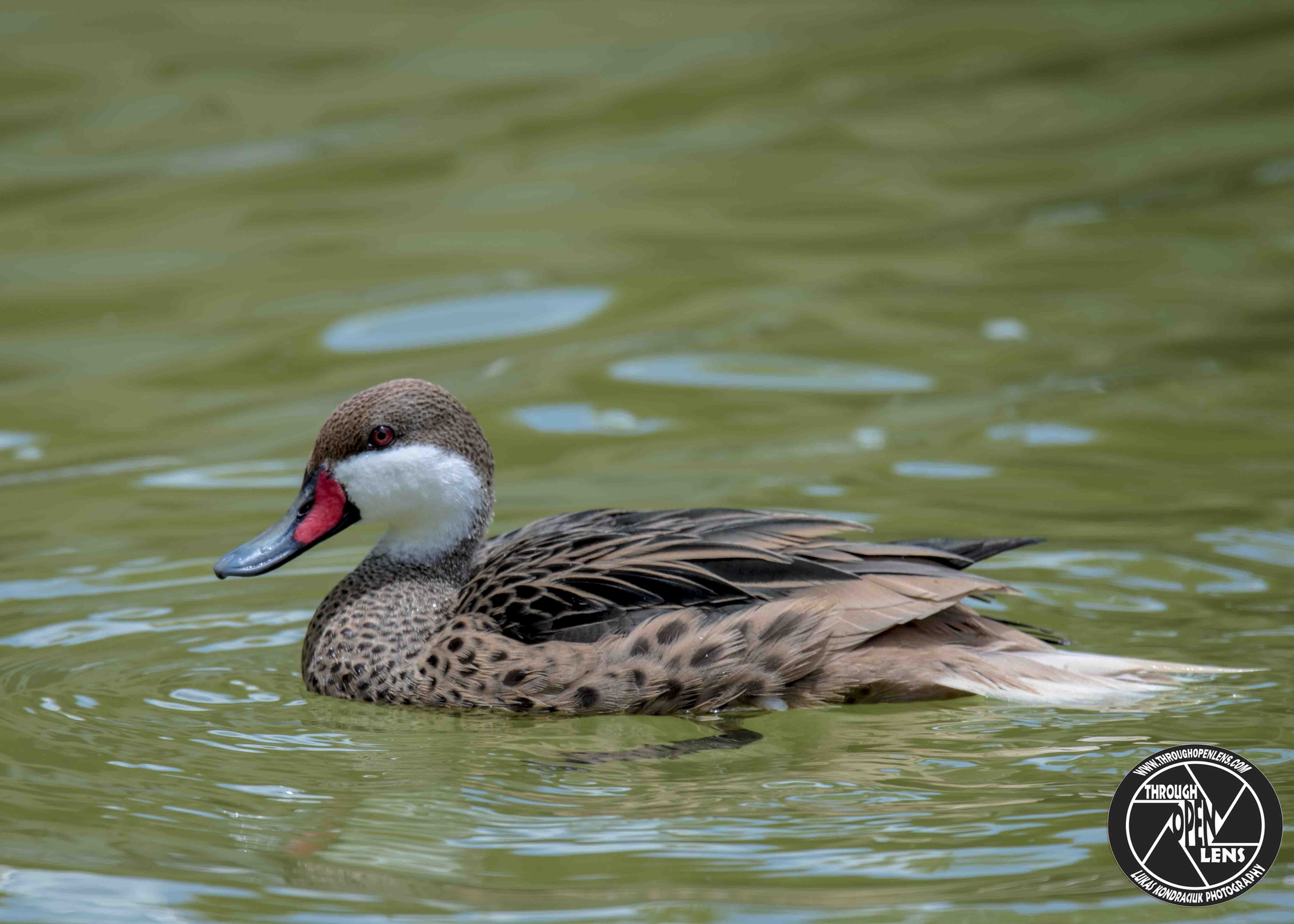
F/10.0, 1/400, ISO 400.

Northern Shoveler 

What do you call a dinosaur that sits on nails?

Megasaurus (mega sore ass).

Interesting Fact: Northern Shoveler pairs are monogamous, and remain together longer than pairs of other dabbling duck species. ( https://www.allaboutbirds.org/guide/Northern_Shoveler/lifehistory )


When I Dip You Dip We Dip!

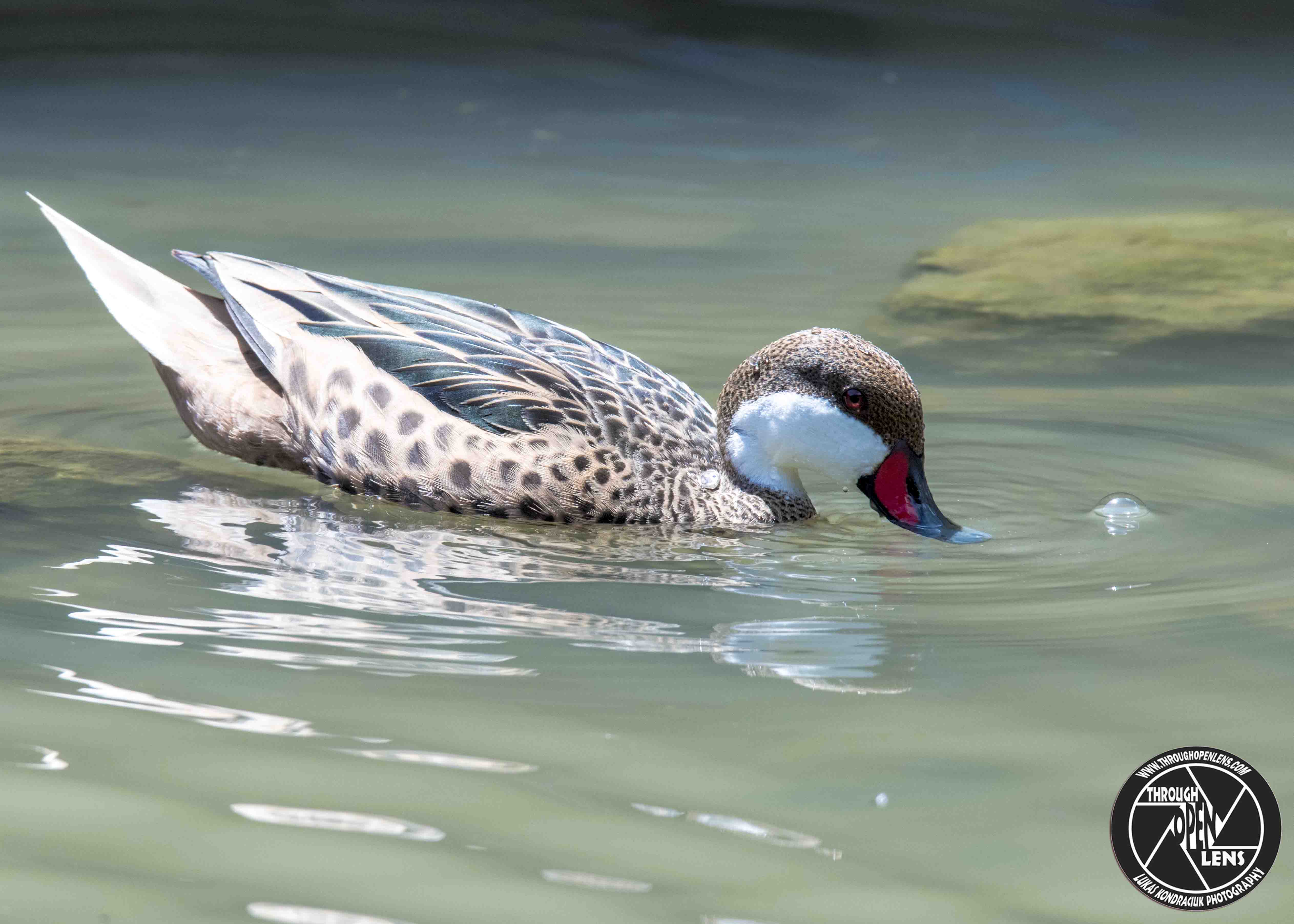
F/11.0, 1/500, ISO 800.

White-Cheeked Pintail 

Why did the coffee taste like mud?

It was fresh ground

Interesting Fact: White-cheeked Pintail: This species is a native of the Caribbean Islands, South America, and the Galapagos Islands. Within the United States, it is a rare to casual visitor in southern Florida. This bird is found near rivers, lakes, and ponds, as well as along costal marshes and rocky or sandy seashores. The White-cheeked Pintail was first described in 1758 by Carolus Linnaeus, Swedish botanist, physician and zoologist. ( http://identify.whatbird.com/obj/1029/overview/White-cheeked_Pintail.aspx )

The Fish Was This Big! I Swear!

F/7.1, 1/200, ISO 320.

Canada Goose

What does a pig put on its paper cut?

Oinkment!

Interesting Fact:  At least 11 subspecies of Canada Goose have been recognized, although only a couple are distinctive. In general, the geese get smaller as you move northward, and darker as you go westward. The four smallest forms are now considered a different species: the Cackling Goose. ( https://www.allaboutbirds.org/guide/Canada_Goose/lifehistory )

Motorboating Is My Thing!

F/11.0, 1/500, ISO 250.

Mallard Female

Which day of the week do chickens hate most?

Fry-day!

Interesting Fact: The female forms a shallow depression or bowl on the ground in moist earth. She does not carry material to the nest but rather pulls vegetation she can reach toward her while sitting on nest. During egg-laying phase, she lines the nest with grasses, leaves, and twigs from nearby. She also pulls tall vegetation over to conceal herself and her nest. ( https://www.allaboutbirds.org/guide/Mallard/lifehistory )
Ain’t No Thang Like A Duck Wing!

F/8.0, 1/250, ISO 200.

American Black Duck

Why did the Skeleton go to the movies by himself?

He had no body to go with him.

Interesting Fact:  Pleistocene fossils of American Black Ducks, at least 11,000 years old, have been unearthed in Florida and Georgia. ( https://www.allaboutbirds.org/guide/American_Black_Duck/lifehistory  )

Making A Big Splash Today!

Happy 4th of July Everyone!

F/8.0, 1/250, ISO 160.

White-Cheeked Pintail

Did you hear about the painter who was hospitalized?

Reports say it was due to too many strokes.

Interesting Fact: It is popular in wildfowl collections, and escapees are frequently seen in a semi-wild condition in Europe. A leucistic (whitish) variant is known in aviculture as the Silver Bahama pintail. ( https://en.wikipedia.org/wiki/White-cheeked_pintail )

Don’t Turn Around Just Walk Away!

F/9.0, 1/320, ISO 160.

White-Cheeked Pintail

Why didn’t the elephant pack a suitcase for summer vacation?

Because he uses a trunk.

Interesting Fact: Like many southern ducks, the sexes are similar. It is mainly brown with white cheeks and a red-based grey bill (young birds lack the pink). It cannot be confused with any other duck in its range. ( https://en.wikipedia.org/wiki/White-cheeked_pintail )

Goose On The Loose!

F/7.1, 1/200, ISO 400.

Domestic Goose in Wild

What did the tooth brush want to become when he grew older?

A broom.

Interesting Fact: The domestication, as Charles Darwin remarks (The Variation of Animals and Plants under Domestication i. 287), is of very ancient date, with archaeological evidence for domesticated geese in Egypt more than 4,000 years ago.[2] They are much larger, and they have been selected for that larger size, with domesticated breeds weighing up to 10 kilograms (22 lb),[2] compared to the maximum of 3.5 kilograms (7.7 lb) for the wild swan goose and 4.1 kilograms (9.0 lb) for the wild greylag goose.[3] This affects their body structure; whereas wild geese have a horizontal posture and slim rear end, domesticated geese lay down large fat deposits toward the tail end, giving a fat rear and forcing the bird into a more upright posture. Although their heavy weight affects their ability to fly, most breeds of domestic geese are capable of flight. ( https://en.m.wikipedia.org/wiki/Domestic_goose )