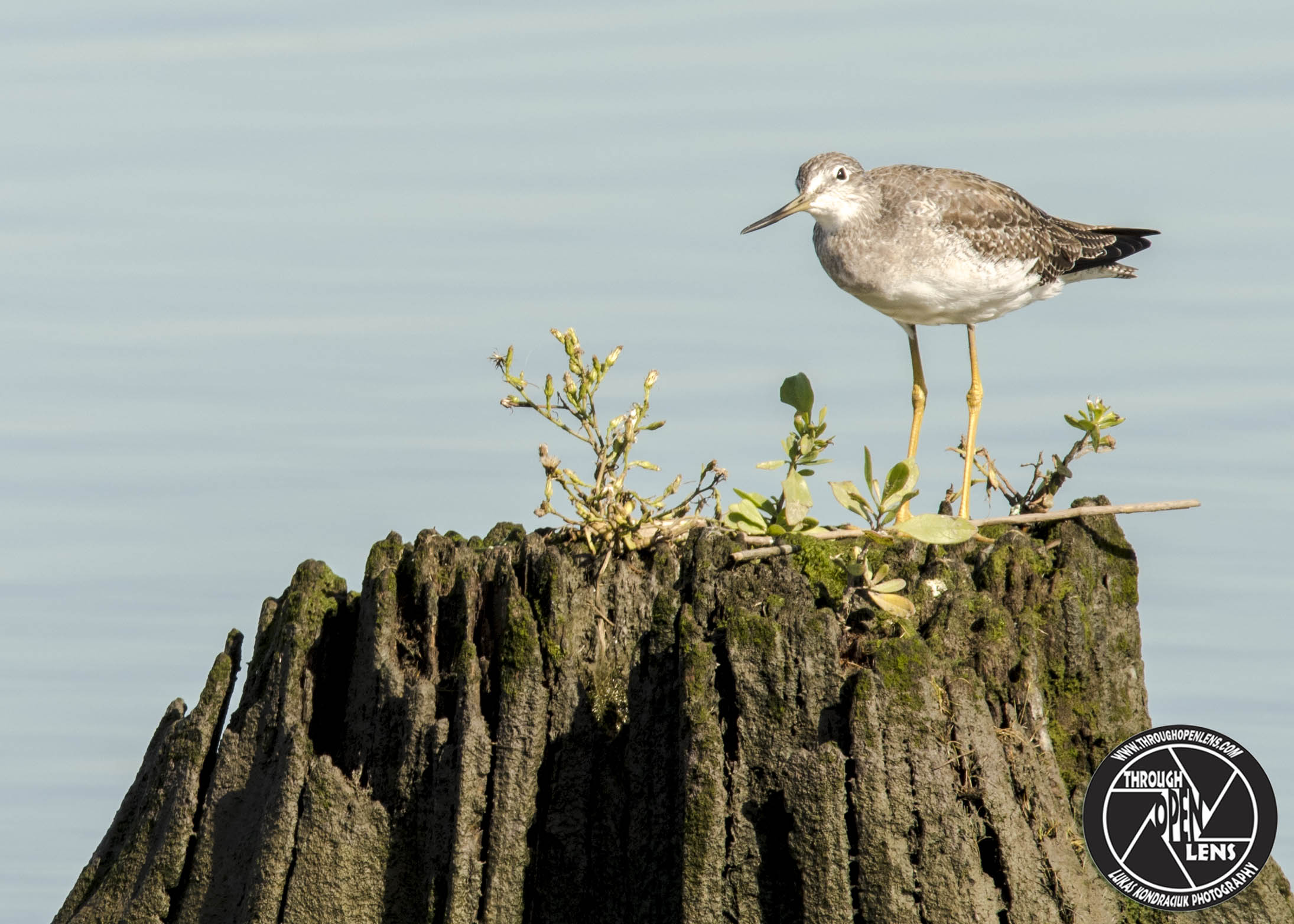
Let The Sea Set You Free.

F/13.0, 1/640, ISO 400.

Common Terns

Why was the math textbook so sad?

He had a lot of problems!

Interesting Fact: The Common Tern is sometimes called the sea swallow. A group of common terns are collectively known as a “committee” of terns. ( http://identify.whatbird.com/mwg/_/0/identify.whatbird.com/obj/465/overview/Common_Tern.aspx )
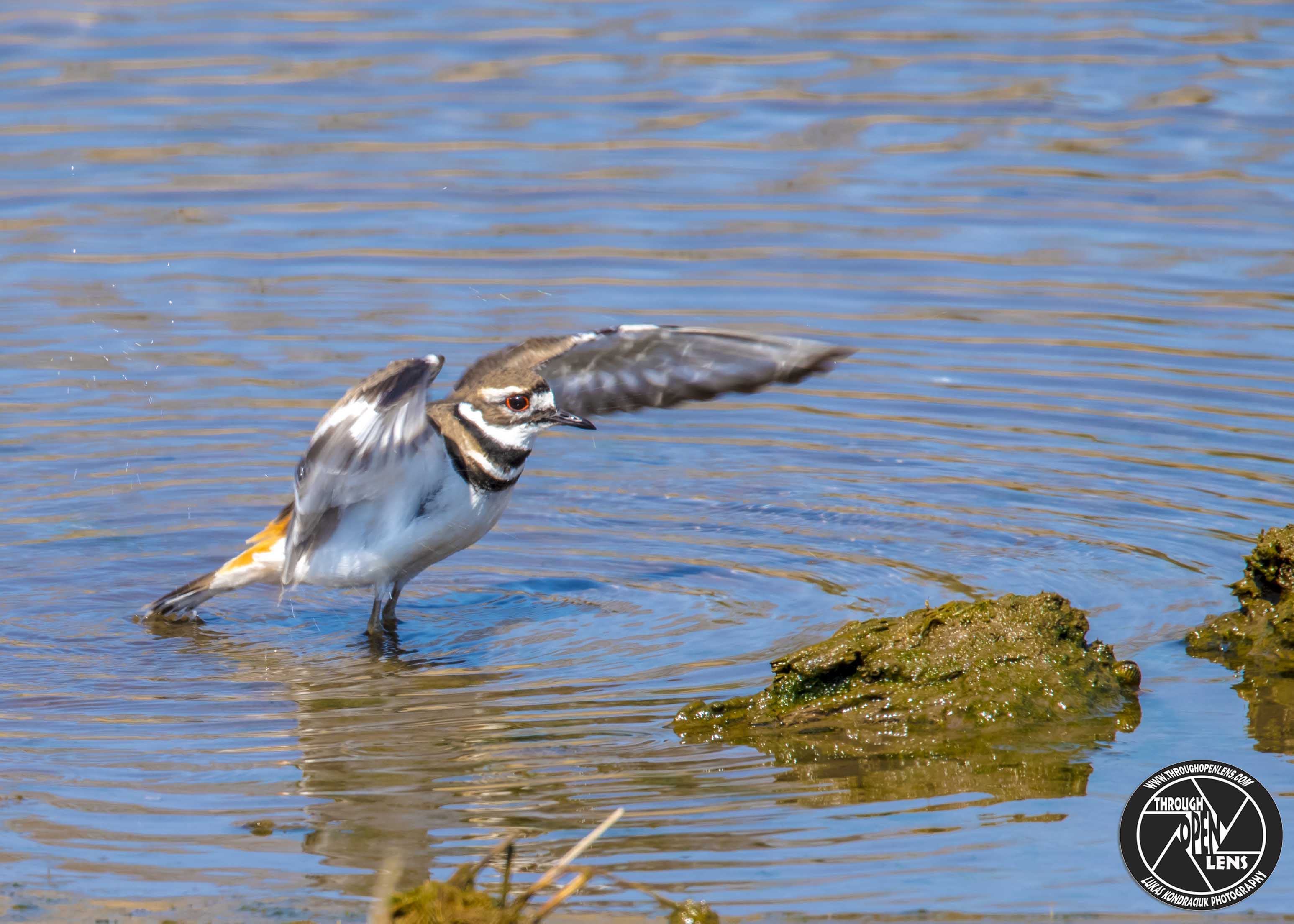
 

Do We Have A Problem, Come At Me Rock!

F/9.0, 1/320, ISO 200.

Killdeer

What kind of rock can fly?

A rock-et!

Interesting Fact: Killdeer get their name from the shrill, wailing kill-deer call they give so often. Eighteenth-century naturalists also noticed how noisy Killdeer are, giving them names such as the Chattering Plover and the Noisy Plover. ( https://www.allaboutbirds.org/guide/Killdeer/lifehistory )


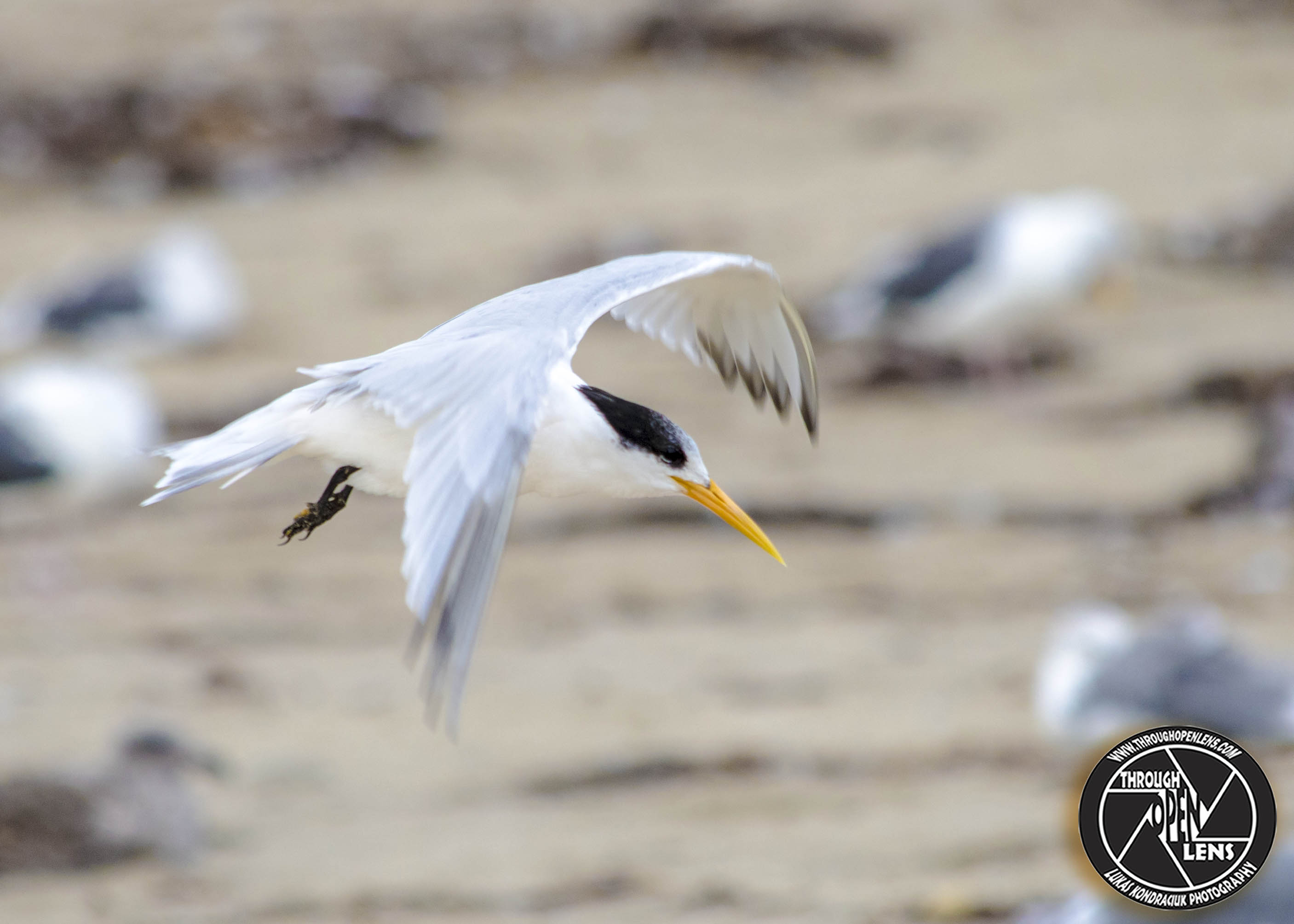
INCOMING!!!

F/5.6, 1/500, ISO 200.

Elegant Tern

What happened when a faucet, a tomato and lettuce were in a race?

The lettuce was ahead, the faucet was running and the tomato was trying to ketchup.

Interesting Fact: Approximately 90-97% of all Elegant Terns nest in one colony on Isla Rasa in the Gulf of California, Mexico. ( https://www.allaboutbirds.org/guide/Elegant_Tern/lifehistory )

You Like My Legs?

F/7.1, 1/200, ISO 250.

Greater Yellowlegs

A bear walks into a bar. He says, “I’ll have a gin… … … … … … … and tonic.”

The bartender says, “Sure, but what about the big pause?”

The bear says, “I was born with them.”

Interesting Fact: A common, tall, long-legged shorebird of freshwater ponds and tidal marshes, the Greater Yellowlegs frequently announces its presence by its piercing alarm calls. ( https://www.allaboutbirds.org/guide/Greater_Yellowlegs/lifehistory )

Fish Out Of The Water!

F/10.0, 1/400, ISO 250.

Common Terns

How do birds fly?

They just wing it!

Interesting Fact: Common Terns nest in colonies on the ground in areas with loose sand, gravel, shell, or cobble pebbles typically less than 350 feet from the water. They tend to choose areas with scattered, low-growing vegetation to provide cover for chicks.  ( https://www.allaboutbirds.org/guide/Common_Tern/lifehistory )

I Am Looking Up To You!

F/5.6, 1/500, ISO 320.

Elegant Tern

How do you organize an outer space party?

You planet.

Interesting Fact: The oldest recorded Elegant Tern was at least 20 years, 11 months old when it was found in California in 2010, the same state where it had been banded in 1989. ( https://www.allaboutbirds.org/guide/Elegant_Tern )

I Been Feeling Puffy Lately!

F/9.0, 1/320, ISO 200.

Killdeer

What do you call a belt with a watch on it?

A waist of time.

Interesting Fact: Killdeer nests are simple scrapes often placed on slight rises in their open habitats. Killdeer may make several scrapes not far away from each other before choosing one to lay in. The duplication may help to confuse predators. ( https://www.allaboutbirds.org/guide/Killdeer/lifehistory )

I Have A Leg Up On You

F/10.0, 1/400, ISO 250.

Greater Yellowlegs

Ghosts are hard to impress.

They boo everything.

Interesting Fact: Their breeding habitat is bogs and marshes in the boreal forest region of Canada and Alaska. They nest on the ground, usually in well-hidden locations near water. The three to four eggs average 50 mm (2.0 in) in length and 33 mm (1.3 in) in breadth and weigh about 28 g (0.99 oz). The incubation period is 23 days. The young leave the nest within 24 hours of hatching and then leave the vicinity of the nest within two days.( https://en.wikipedia.org/wiki/Greater_yellowlegs )

Life Always Offers You A Second Chance. It’s Called Tomorrow.

F/10.0, 1/400, ISO 250.

Greater Yellowlegs

Beer Bottle: You break me, you get 1 year of bad luck!

Mirror: You kiddin’ me? You break me, then you will get 7 years of bad luck! 

Condom: Hahaha… (Condom walks off laughing)

Interesting Fact: These birds forage in shallow water, sometimes using their bills to stir up the water. They mainly eat insects and small fish, as well as crustaceans and marine worms. It often walks in sand or mud and leaves clear tracks; it can be possible to gather information about this species using its tracks. ( https://en.wikipedia.org/wiki/Greater_yellowlegs )

Being Small Works For Me!

F/5.6, 1/500, ISO 220.

Least Sandpiper

Why did the teddy bear say no to dessert?

Because he was stuffed.

Interesting Fact: The Least Sandpiper is the smallest shorebird in the world, weighing in at about 1 ounce and measuring 5-6 inches long. Males are slightly smaller than females. ( https://www.allaboutbirds.org/guide/Least_Sandpiper )