I Lost My Temper, But It Came Back!

F/9.0, 1/250, ISO 160.

Ring-necked Duck

Why did the cookie go to the hospital?

He felt crummy!

Interesting Fact: Ring-necked Ducks feed by diving underwater, rather than by tipping up as “dabbling” ducks do. When diving, they leap forward in an arc to plunge underwater, and they swim using only their feet for propulsion. ( https://www.allaboutbirds.org/guide/Ring-necked_Duck/lifehistory )


Well I’m going down, down, down, down, down, down.

mallard-landing

F/6.0, 1/500, ISO 360.

Mallard  

A Ham sandwich walks into a bar and asks the bartender for a drink.

The bartender says, “Sorry we don’t serve food.”

Interesting Fact:  The Mallard is the ancestor of nearly all domestic duck breeds (everything except the Muscovy Duck). Domestic ducks can be common in city ponds and can be confusing to identify—they may lack the white neck ring, show white on the chest, be all dark, or show oddly shaped crests on the head. ( https://www.allaboutbirds.org/guide/Mallard/lifehistory )

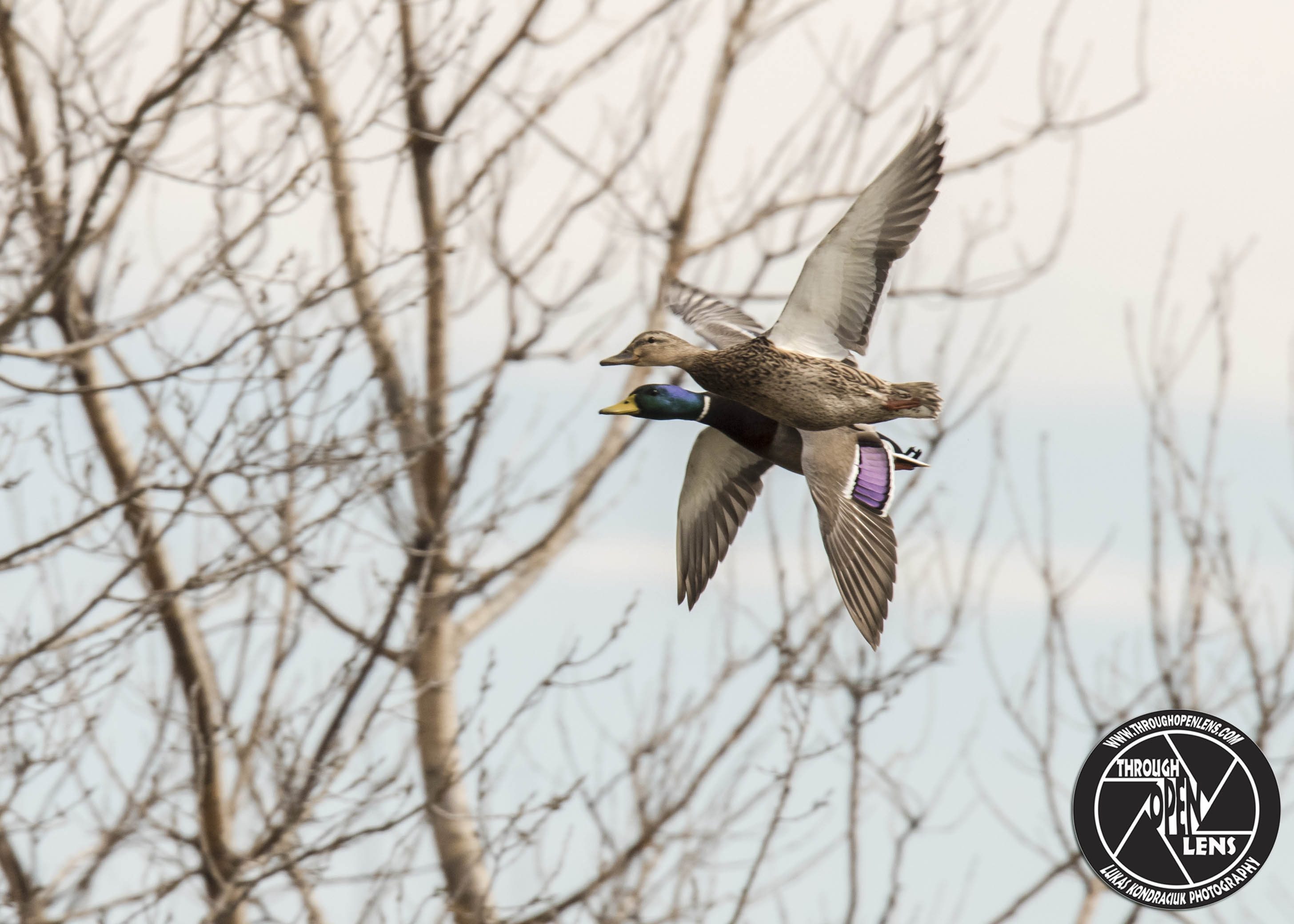
Together We Fly!

F/13.0, 1/640, ISO 400.

Mallard

As a scarecrow, people say I’m outstanding in my field.

But hay, it’s in my jeans.

Interesting Fact: Mallards, like other ducks, shed all their flight feathers at the end of the breeding season and are flightless for 3–4 weeks. They are secretive during this vulnerable time, and their body feathers molt into a concealing “eclipse” plumage that can make them hard to identify. ( https://www.allaboutbirds.org/guide/Mallard )

Chill The Duck Out!

F/10.0, 1/400, ISO 250.

Ring-necked Duck

Why did the duck go to jail?

Because he got caught selling quack.

Interesting Fact: Ring-necked Ducks on their breeding grounds occasionally get attacked by the much larger Common Loon, the Red-necked Grebe, and even the much smaller Pied-billed Grebe. ( https://www.allaboutbirds.org/guide/Ring-necked_Duck/lifehistory )

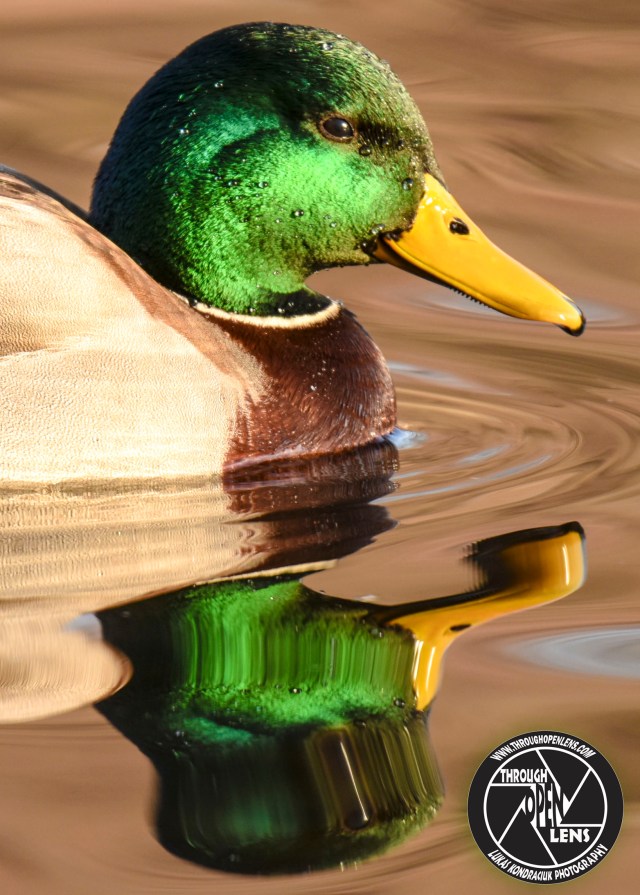
Life Is Only A Reflection Of What We Allow Ourselves To See

mallard-5

F/7.1, 1/200, ISO 320.

Mallard

A duck waddles into a card shop, he waddles his way to the front desk asking the clerk, Do you got any tape?

The clerk replies, No. So the duck waddles away. The very next day at the same time the same duck waddles into the Card Shop he waddles right up to that same clerk asking him, Do you have any tape?

The clerk looking irritated replying in a stern voice, No! We are a card shop we sell cards not tape! And if you ask me again I will nail your bill to the counter!

So the duck just waddles away. At the same time the next day the Duck is waddling into that same card shop He waddles right up to that same clerk asking him, do you have any nails? The clerk says, no. Then the duck replied good!! So do you have any tape?

Interesting Fact: Mallard pairs form long before the spring breeding season. Pairing takes place in the fall, but courtship can be seen all winter. Only the female incubates the eggs and takes care of the ducklings. ( https://www.allaboutbirds.org/guide/Mallard/lifehistory )

Dont Be Afraid to Stick Your Neck Out!

F/9.0, 1/320, ISO 320.

Ring-necked Duck

Why is it hard for a ghost to tell a lie?

Because you can see right through him.

Interesting Fact:  Ring-necked Ducks feed by diving underwater, rather than by tipping up as “dabbling” ducks do. When diving, they leap forward in an arc to plunge underwater, and they swim using only their feet for propulsion. ( https://www.allaboutbirds.org/guide/Ring-necked_Duck/lifehistory )

Wet And Wild!

F/5.6, 1/500, ISO 100.

Mallard Ducks

What season is it when you are on a trampoline?

Spring time.

Interesting Fact: Mallards are generalist foragers and will eat a wide variety of food. They don’t dive, but dabble to feed, tipping forward in the water to eat seeds and aquatic vegetation. They also roam around on the shore and pick at vegetation and prey on the ground. During the breeding season, they eat mainly animal matter including aquatic insect larvae, earthworms, snails and freshwater shrimp. During migration, many Mallards consume largely agricultural seed and grain. In city parks, they readily accept handouts from parkgoers.  ( https://www.allaboutbirds.org/guide/Mallard/lifehistory )