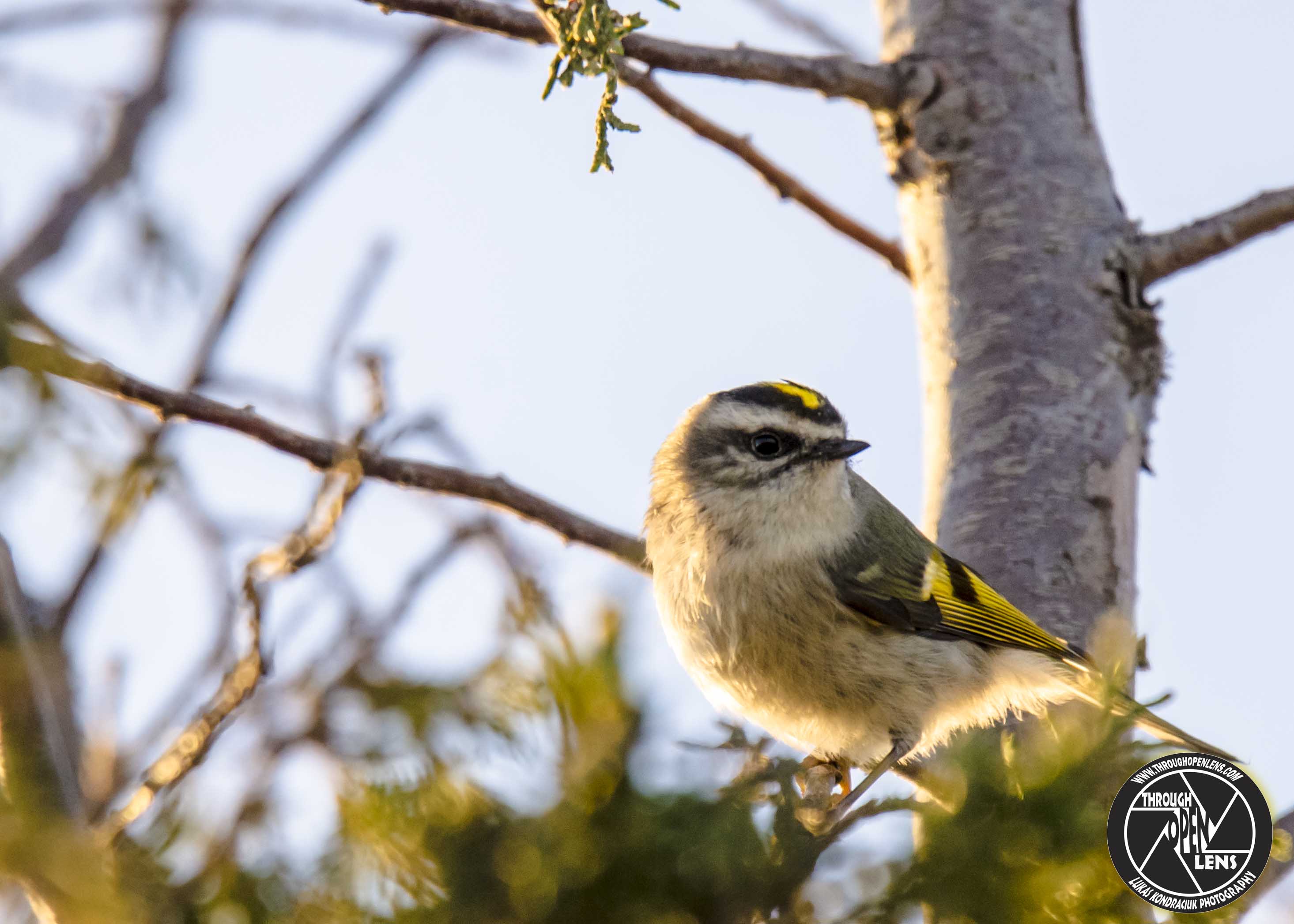
I Meant To Be Good But There Were Too Many Other Options!

ruby-crowned-kinglet

F/8.0, 1/250, ISO 640.

Ruby-crowned Kinglet

teacher asked : Why are you late for school?

Bobby: Because of the Sign.

Teacher : What Sign?

Bobby : The sign that says “School ahead go slow”

Interesting Fact: The Ruby-crowned Kinglet is a tiny bird that lays a very large clutch of eggs—there can be up to 12 in a single nest. Although the eggs themselves weigh only about a fiftieth of an ounce, an entire clutch can weigh as much as the female herself. ( https://www.allaboutbirds.org/guide/Ruby-crowned_Kinglet/lifehistory )
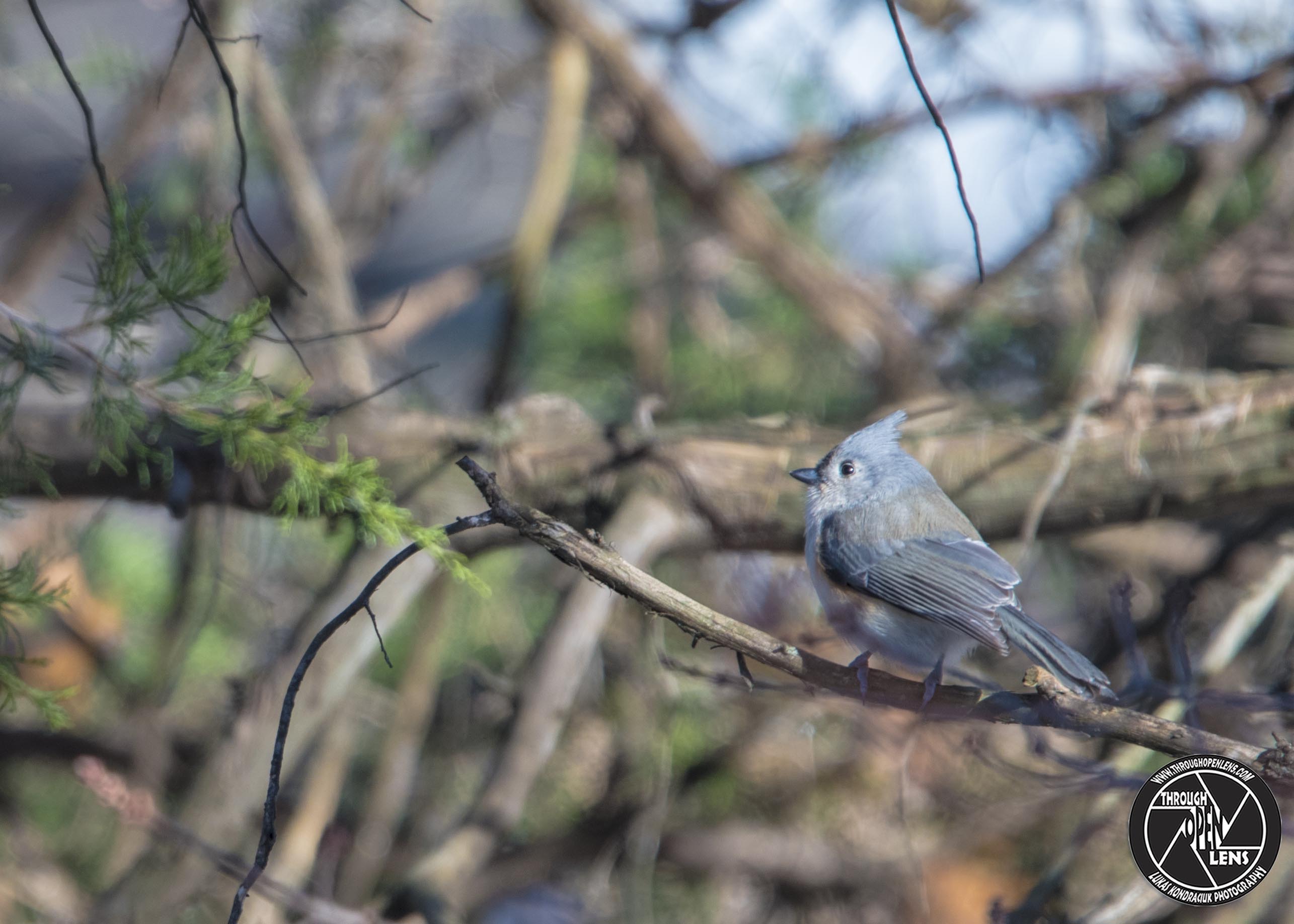
I Had A Dream I Was A Muffler And I Woke Up Exhausted.

F/7.1, 1/200, ISO 250.

Tufted Titmouse

Want to hear a dirty joke?

A kid jumped into a mud puddle.

Want to hear a clean joke?

A kid jumped into the bath.

Interesting Fact:  Tufted Titmice nest in cavities but aren’t able to excavate them on their own. They use natural holes and old nest holes made by several woodpecker species, including large species such as Pileated Woodpecker and Northern Flicker. Additionally, Tufted Titmice also nest in artificial structures including nest boxes, fenceposts, and metal pipes. ( https://www.allaboutbirds.org/guide/Tufted_Titmouse/lifehistory )

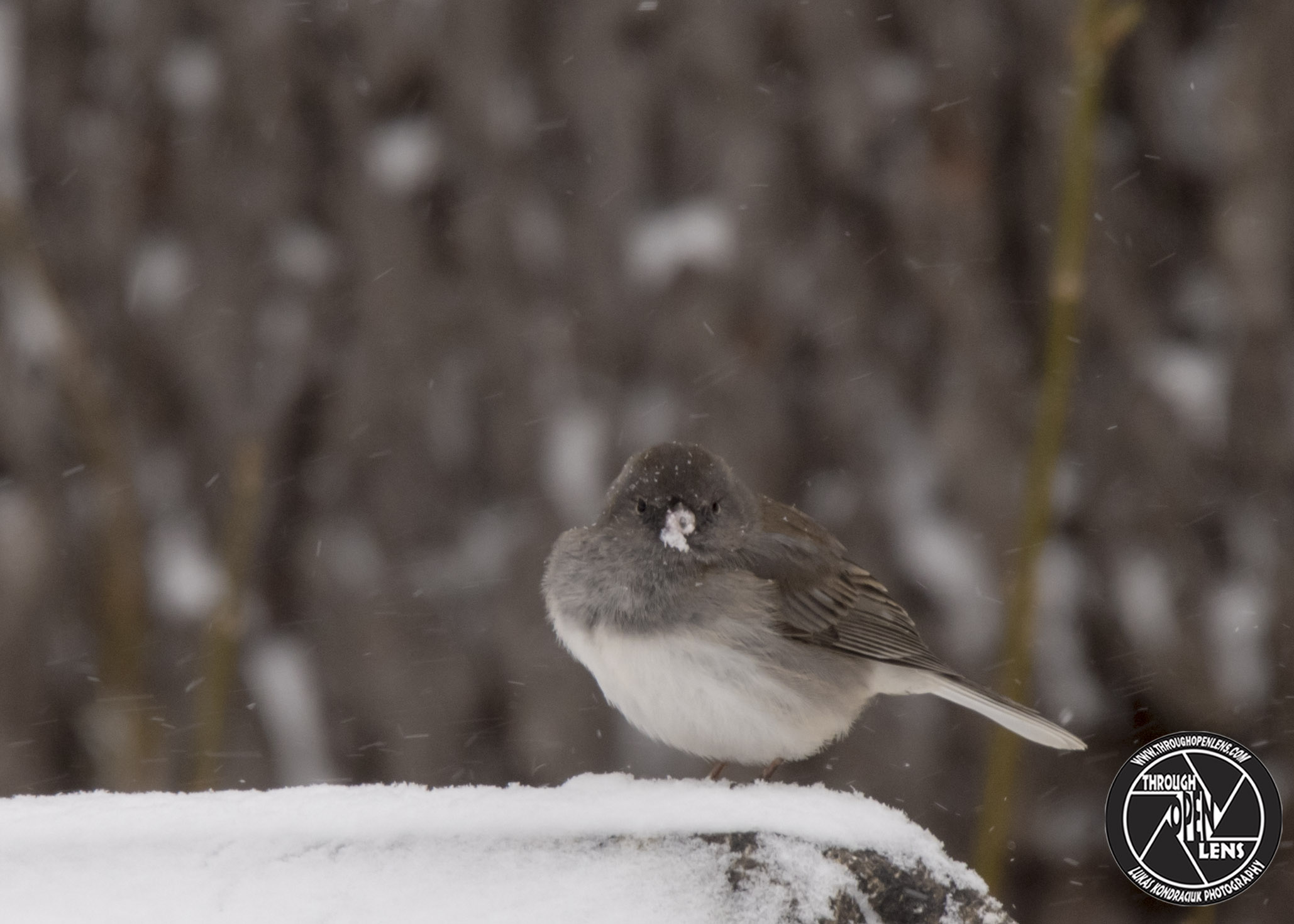
I Am Addicted To Snow!

F/7.1, 1/200, ISO 320.

Dark-eyed Junco

How does a Snowman get to work?

By icicle.

Interesting Fact: Dark-eyed Juncos breed in forests across much of North America and at elevations ranging from sea level to more than 11,000 feet. They are often found in coniferous forests incuding pine, Douglas-fir, spruce, and fir, but also in deciduous forests such as aspen, cottonwood, oak, maple, and hickory. During winter and on migration they use a wider variety of habitats including open woodlands, fields, roadsides, parks, and gardens. ( https://www.allaboutbirds.org/guide/Dark-eyed_Junco/lifehistory )

WHAT DO YOU WANT?!

american-kestrel-1

F/6.3, 1/640, ISO 200.

American Kestrel

Bacon and eggs walk into a bar and order a beer, the bartender says sorry, we don’t serve breakfast.

Interesting Fact:

Sports fans in some cities get an extra show during night games: kestrels perching on light standards or foul poles, tracking moths and other insects in the powerful stadium light beams and catching these snacks on the wing. Some of their hunting flights have even made it onto TV sports coverage.  ( https://www.allaboutbirds.org/guide/American_Kestrel/lifehistory )


I’ve Been Patiently Waiting For A Someone To Fly By!

F/9.0, 1/320, ISO 400.

Cooper’s Hawk

What did the hamburger name his daughter?

Patty!

Interesting Fact: Cooper’s Hawks show the classic accipiter flight style: a few stiff wingbeats followed by short glides. But in pursuit of prey their flight becomes powerful, quick, and very agile, allowing the bird to thread its way through tree branches at top speed. Courting birds display by flying with slow wingbeats, then gliding with wings held in a V. Males make a bowing display to females after pairing and before beginning to build the nest. ( https://www.allaboutbirds.org/guide/Coopers_Hawk/lifehistory )

Stop Waiting For Prince Charming. Get Up And Find Him. The Poor Idiot May Be Stuck In A Tree Or Something.

black-crowned-night-heron-tree

F/10.0, 1/1600, ISO 800.

Black-crowned Night-Heron

Did you know that before you became my best friend, I used to hang out with another girl every single day in her super awesome tree house?

It’s true, but unfortunately we had a falling-out.

Interesting Fact: Scientists find it easy, if a bit smelly and messy, to study the diet of young Black-crowned Night-Herons—the nestlings often disgorge their stomach contents when approached. ( https://www.allaboutbirds.org/guide/Black-crowned_Night-Heron/lifehistory )


Who Do I Crap ON Today?

golden-crowned-kinglet

F/6.3, 1/500, ISO 800.

Golden-crowned Kinglet

Why are pirates so mean?

I don’t know, they just arrrrrrrrr!

Interesting Fact: The Golden-crowned Kinglet usually raises two large broods of young, despite the short nesting season of the northern boreal forest. The female feeds her first brood only up until the day after they leave the nest. She then starts laying the second set of eggs while the male takes care of the first brood. The male manages to feed eight or nine nestlings himself, and he occasionally feeds the incubating female too. ( https://www.allaboutbirds.org/guide/Golden-crowned_Kinglet/lifehistory )

I Have A Headache!

downy-woodpecker-4

F/8.0, 1/250, ISO 320.

Downy Woodpecker

Why did Adele cross the road?

To sing, “Hello from the other side!”

 Interesting Fact: Downy Woodpeckers have been discovered nesting inside the walls of buildings. ( https://www.allaboutbirds.org/guide/Downy_Woodpecker/lifehistory )

Should I Get A Tatoo Of A Human on My Back?

F/8.0, 1/250, ISO 250.

Butterfly

What do Butterfly learn at school?

Mothmatics !

Interesting Fact:  Butterflies are often polymorphic, and many species make use of camouflage, mimicry and aposematism to evade their predators. Some, like the monarch and the painted lady, migrate over long distances. Many butterflies are attacked by parasites or parasitoids, including wasps, protozoans, flies, and other invertebrates, or are preyed upon by other organisms. Some species are pests because in their larval stages they can damage domestic crops or trees; other species are agents of pollination of some plants. Larvae of a few butterflies (e.g., harvesters) eat harmful insects, and a few are predators of ants, while others live as mutualists in association with ants. Culturally, butterflies are a popular motif in the visual and literary arts. ( https://en.wikipedia.org/wiki/Butterfly )

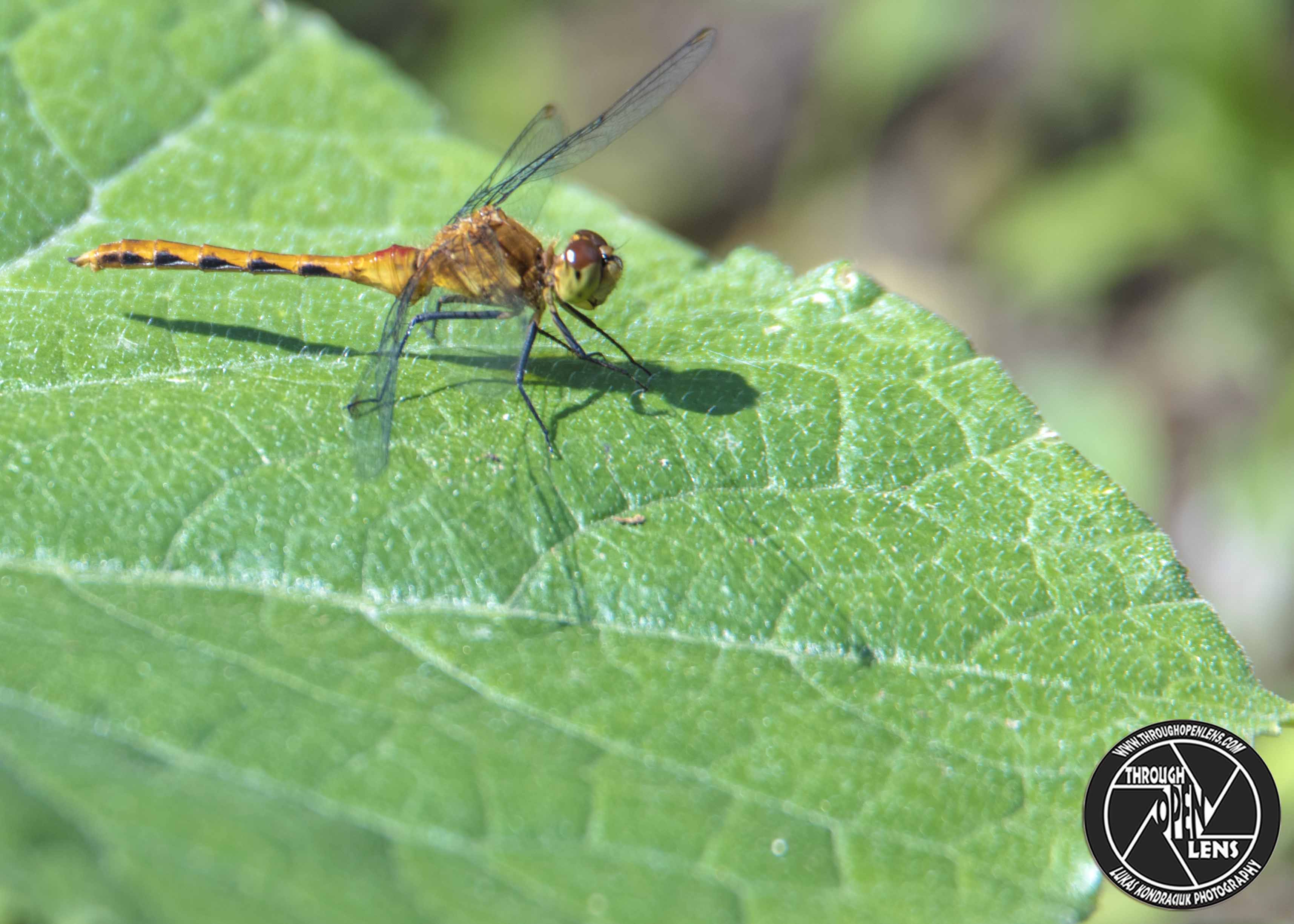
Let Me Give You The Skinney

F/7.1, 1/200, ISO 200.

Dragonfly

What do you get when you cross a parrot with a shark?

An animal that talks your head off.

Interesting Fact: Old and unreliable claims are made that dragonflies such as the southern giant darner can fly up to 60 miles per hour (97 km/h).[50] However, the greatest reliable flight speed records are for other types of insects.[51] In general, large dragonflies like the hawkers have a maximum speed of 10–15 metres per second (22–34 mph) with average cruising speed of about 4.5 metres per second (10 mph).[52] Dragonflies can fly at 100 body-lengths per second, and three lengths per second backwards. ( https://en.wikipedia.org/wiki/Dragonfly#Flight )