Sing… The World Needs More Music!

F/8.0, 1/250, ISO 320.

Yellow Warbler Immature (Northern)

How do you make an egg laugh?

Tell it a yolk.

Interesting Fact: In addition to the migratory form of the Yellow Warbler that breeds in North America, several other resident forms can be found in Mexico, Central America, and the Caribbean. Males in these populations can have chestnut caps or even chestnut covering the entire head. ( https://www.allaboutbirds.org/guide/Yellow_Warbler/overview )

Headbanger!

F/6.3, 1/100, ISO 320.

Pileated Woodpecker

Two men visit a prostitute.

The first man goes into the bedroom. He comes out ten minutes later and says, “Heck. My wife is better than that.”

The second man goes in. He comes out ten minutes later and says, “You know? Your wife IS better.”

Interesting Fact: The Pileated Woodpecker prefers large trees for nesting. In young forests, it will use any large trees remaining from before the forest was cut. Because these trees are larger than the rest of the forest, they present a lightning hazard to the nesting birds. ( https://www.allaboutbirds.org/guide/Pileated_Woodpecker  )

Wish You Were Here, With A Beer!

F/7.1, 1/200, ISO 100.

Punta Cana Domincan Republic Beach 

What did the beach says as the tide came in?

Long time no sea

Interesting Fact: Punta Cana features a tropical wet and dry climate under the Köppen climate classification. The weather is fairly consistent all year, with an average temperature of 26 °C (79 °F). The hot and humid season lasts from May to October, and during the day temperatures might reach 35 °C (95 °F). From November to March, temperatures during the evening are around 20 °C (68 °F). Very little rain falls around the area, primarily because of the mostly flat landscape, a combination of savanna and mountains.  ( https://en.wikipedia.org/wiki/Punta_Cana

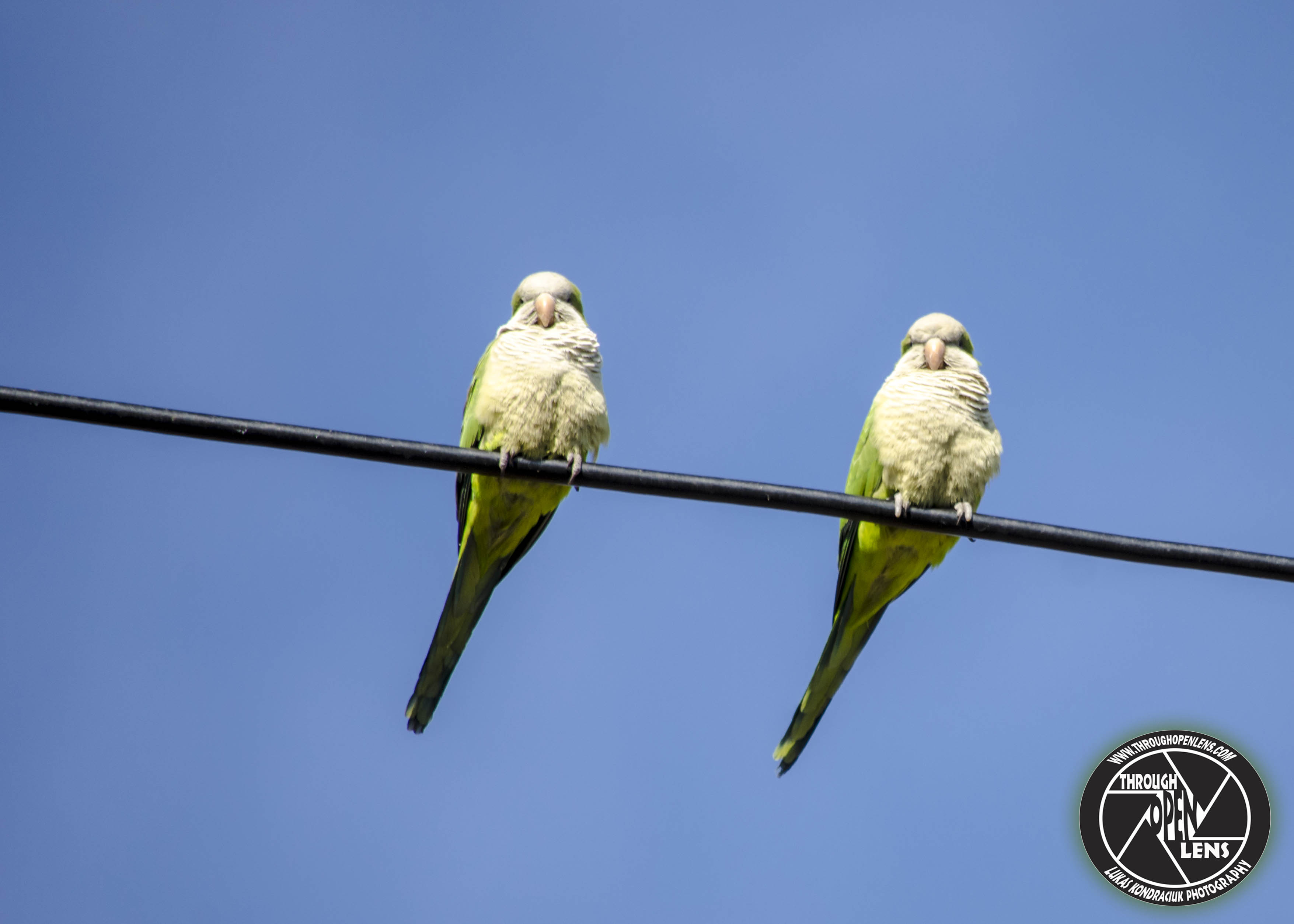
“So What’s So Great About Being OnLine?! “

monk-parakeets-online

F/6.3, 1/640, ISO 200.

Monk Parakeets

What is a parrot’s favorite game?

Hide and Speak!

Interesting Fact: In their native Argentina, Monk Parakeets sometimes adopt old nests of other species. Some ornithologists have suggested that this behavior may have been the first step, evolutionarily speaking, to transitioning from nesting in tree cavities to constructing stick nests. ( https://www.allaboutbirds.org/guide/Monk_Parakeet/lifehistory )

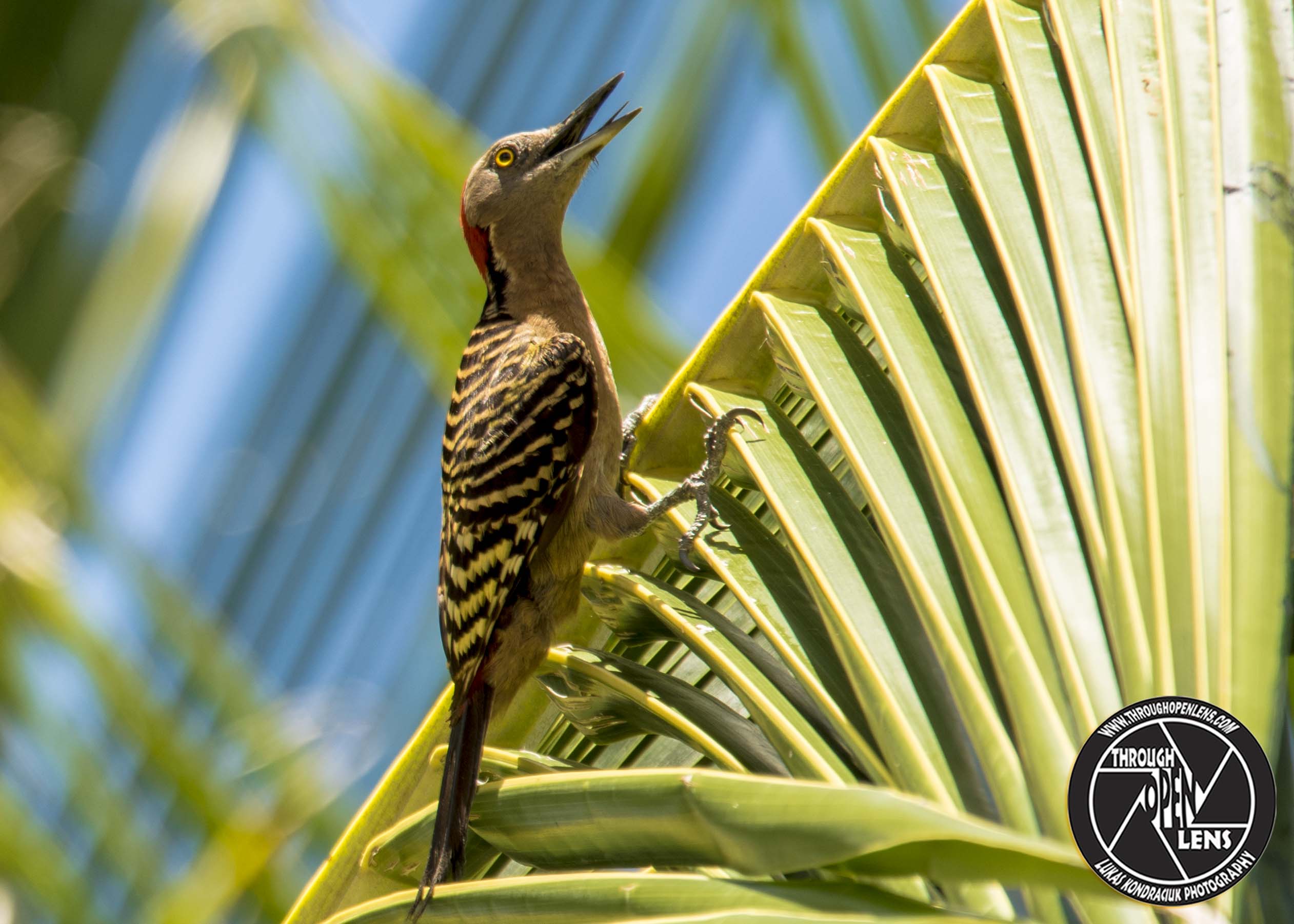
Things Are Looking Up!

F/7.1, 1/200, ISO 160.

Hispaniolan Woodpecker

What can you serve but never eat?

A volleyball.

Interesting Fact: This bird is endemic to Haiti and the Dominican Republic, its range extending from the coasts, over the deserts to the mountains in the centre of the island. It is mostly a woodland bird, found in both wet and dry, broadleaved and coniferous forests, but also occurs in mosaic forests, plantations, cactus scrub, mangrove areas, swamps, grassland, palm groves, wooded agricultural areas and urban parks. ( https://en.wikipedia.org/wiki/Hispaniolan_woodpecker )

Friday Is My Second Favorite F Word My First Is FOOD Definitely FOOD!

F/11.0, 1/500, ISO 320.

Blue-gray Gnatcatcher

Where does a tree store their stuff?

In there Trunk!

Interesting Fact:  The Blue-gray Gnatcatcher’s grayish coloring and long tail, as well as the way it mixes snippets of other birds’ repertoires into its own high, nasal songs, have earned it the nickname “Little Mockingbird.” ( https://www.allaboutbirds.org/guide/Blue-gray_Gnatcatcher )

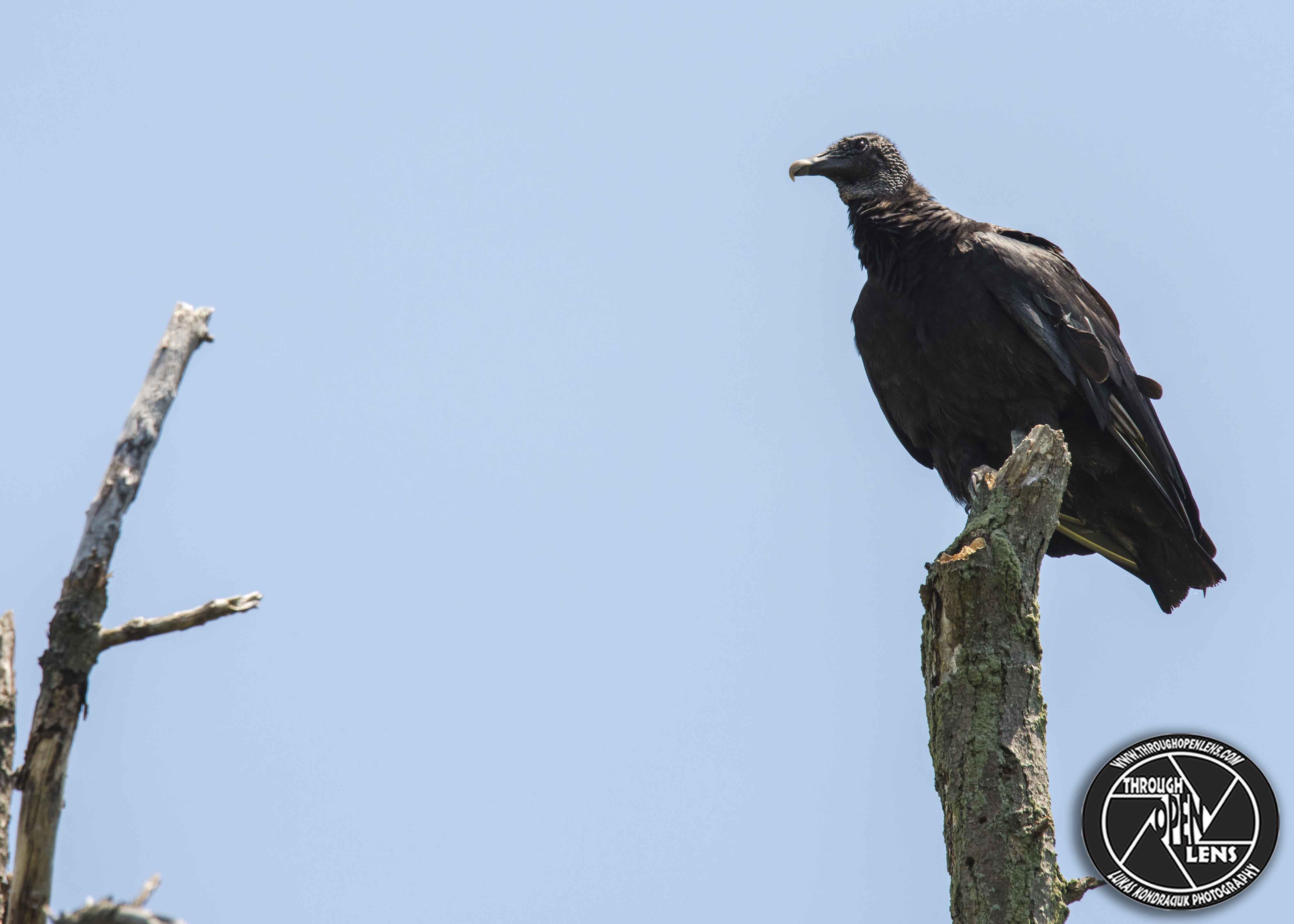
Patience Is Not The Ability To Wait But How You Act While You’re Waiting

F/10.0, 1/400, ISO 400.

Black Vulture

Why can’t you give Elsa a balloon?

Because she will Let it go.

Interesting Fact: Black Vultures lack a voice box and so their vocal abilities are limited to making raspy hisses and grunts. ( https://www.allaboutbirds.org/guide/Black_Vulture/lifehistory )

I Might Be Too Punk Rock For You.

F/ 7.1, 1/200, ISO 1600.

Pileated Woodpecker 

When is it bad luck to be followed by a black cat?

When you’re a mouse.

Interesting Fact: When hammering into this soft wood, Pileated Woodpeckers use their long necks to pull far back from the tree, then make powerful strikes with their heavy bills, pulling with their feet to increase the strength of the blow. The sound is often audible as a heavy thunk, and large chips of wood collect on the ground below. ( https://www.allaboutbirds.org/guide/Pileated_Woodpecker/lifehistory )

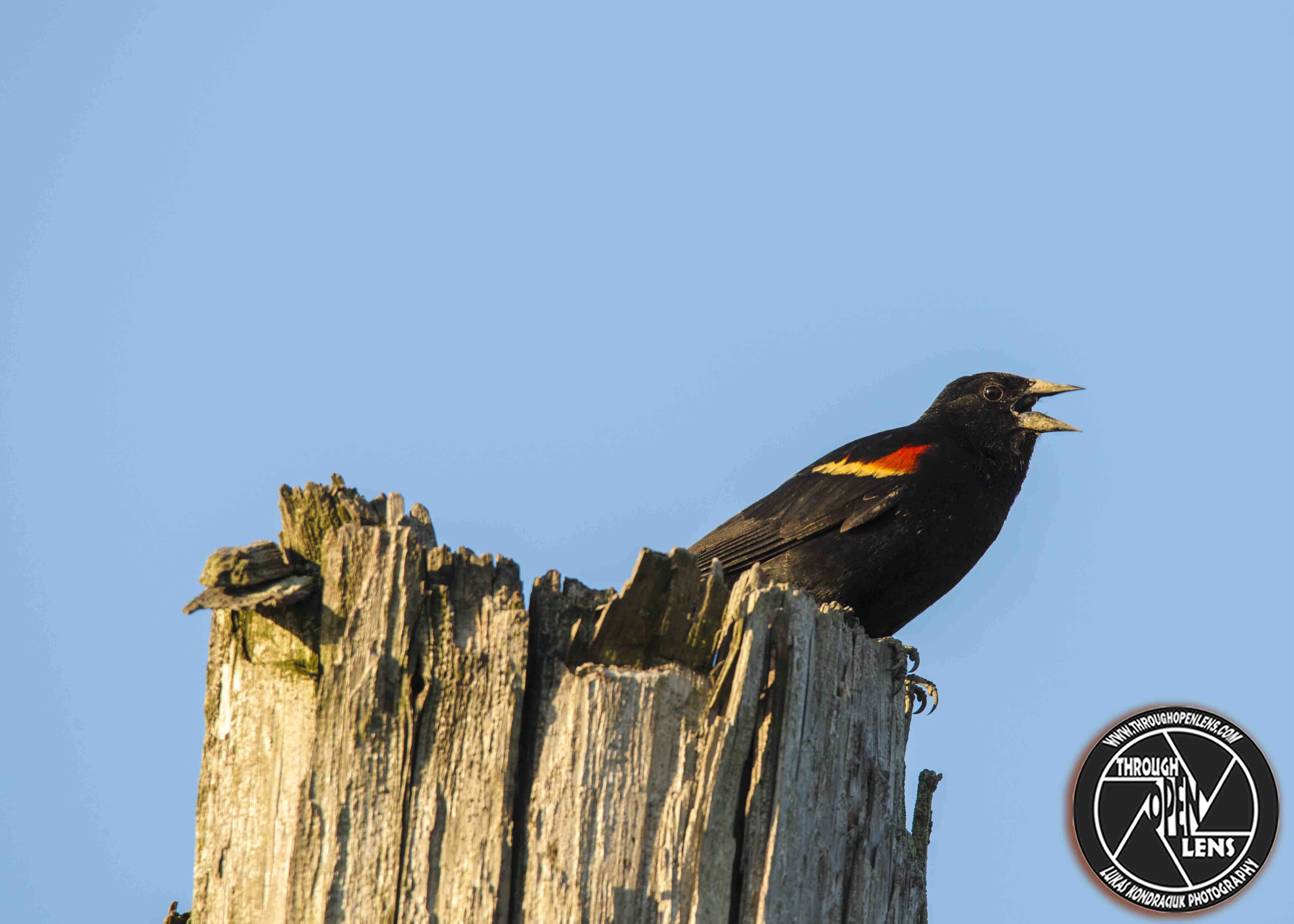
I Always Try To Cheer Myself Up By Singing When I Get Sad. Most Of The Time It Turns Out That My Voice Is Worst Then My Problems.

F/9.0, 1/320, ISO 250.

Red-winged Blackbird

What is the color of the wind?

Blew.

Interesting Fact: Different populations and subspecies of Red-winged Blackbirds vary markedly in size and proportions. An experiment was conducted that moved nestlings between populations and found that the chicks grew up to resemble their foster parents. This study indicated that much of the difference seen between populations is the result of different environments rather than different genetic makeups. ( https://www.allaboutbirds.org/guide/Red-winged_Blackbird/lifehistory  )


I Like This Head Bang Sh*t!

F/13.0, 1/640, ISO 320.

Red-Bellied Woodpecker

Why did the football coach go back to the bank?

To get his quarterback!

Interesting Fact: For birds that nest in cavities, nest holes are precious turf. Red-bellied Woodpeckers have been known to take over the nests of other birds, including the much smaller (and endangered) Red-cockaded Woodpecker. But more often they’re victims to the aggressive European Starling. As many as half of all Red-bellied Woodpecker nests in some areas get invaded by starlings. ( https://www.allaboutbirds.org/guide/Redbellied_Woodpecker/lifehistory )