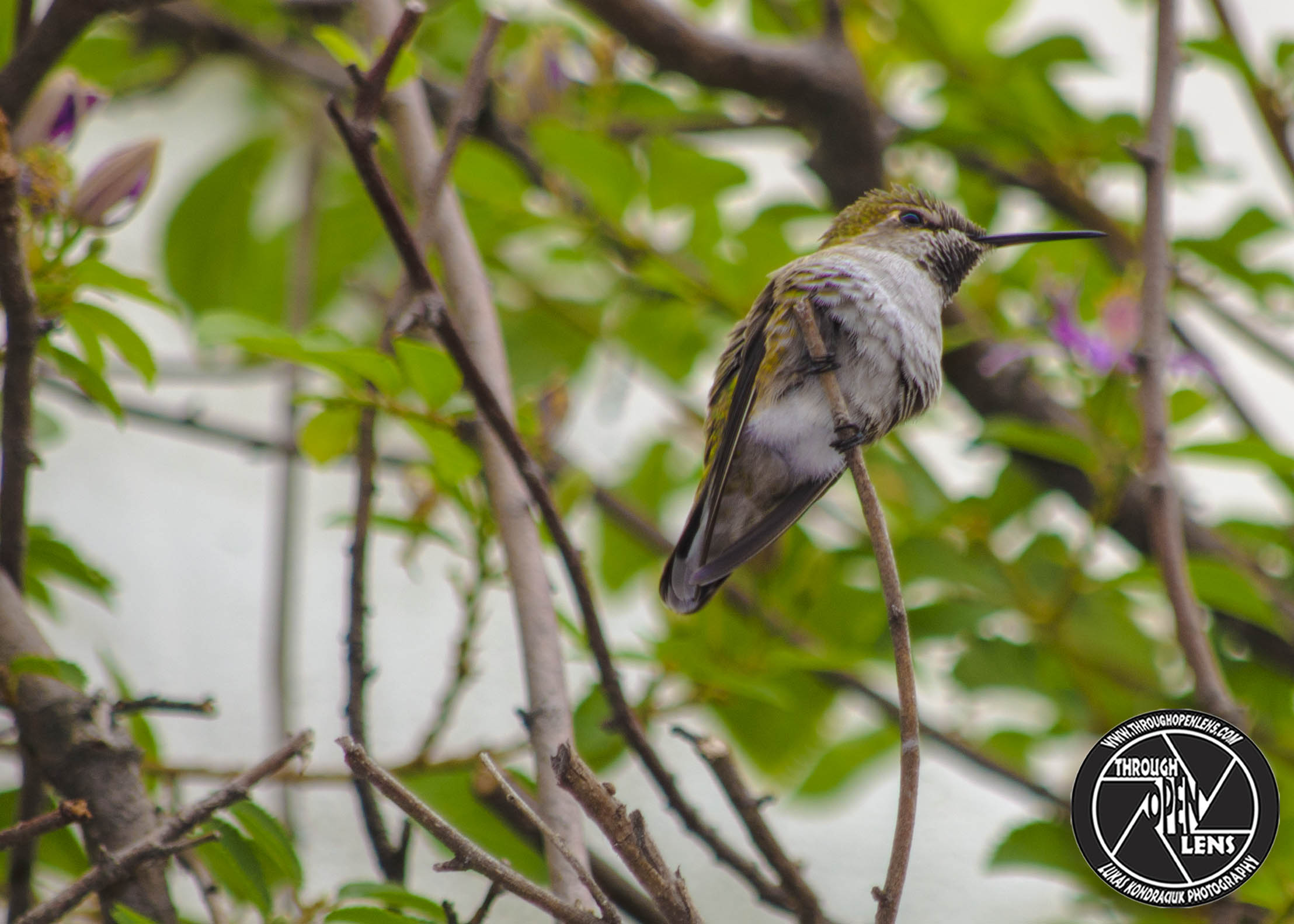
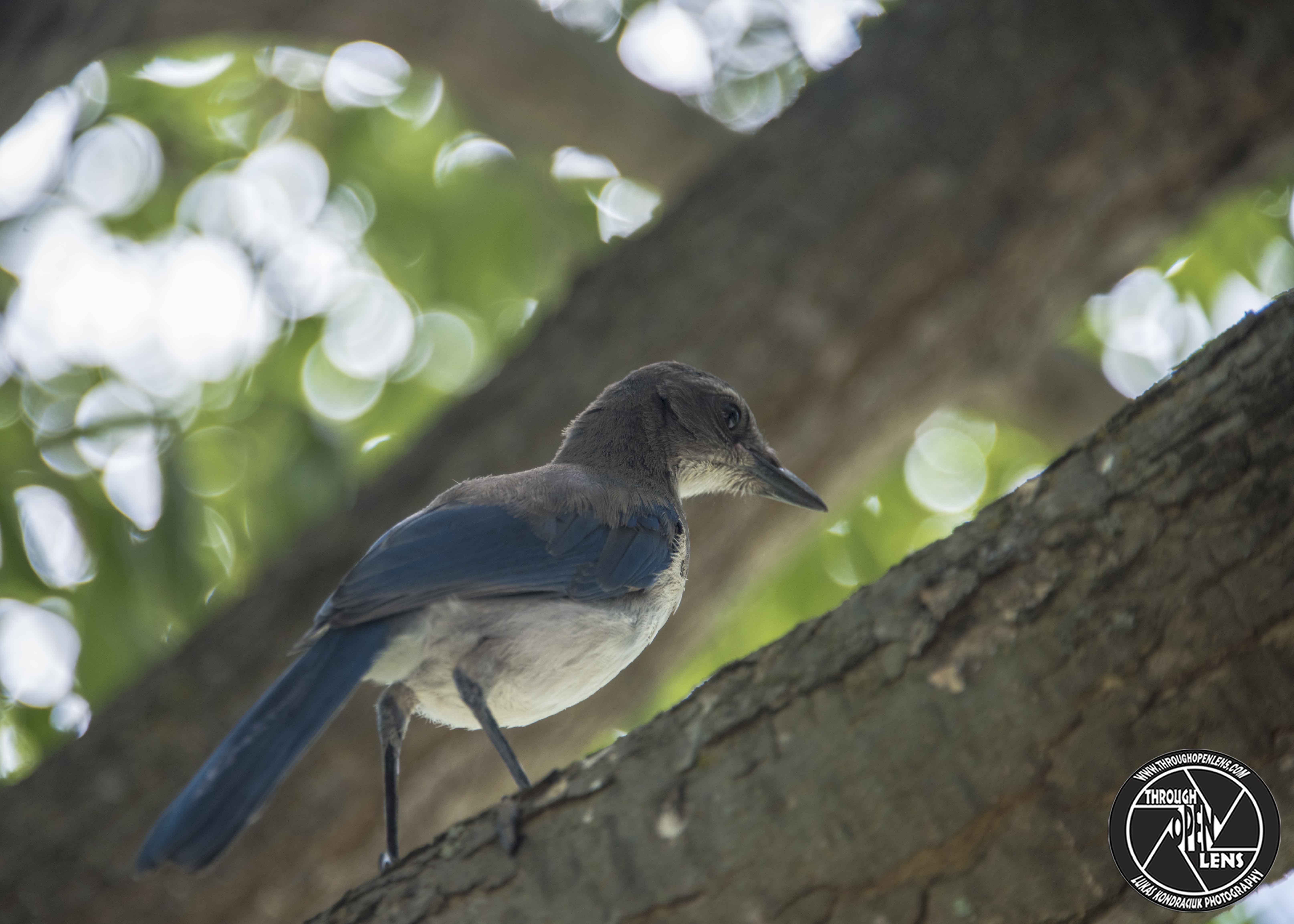
Sky Is Not The Limit It’s Just The Beginning!

F/11.0, 1/500, ISO 200.

Brown pelican

What’s the difference between roast beef and pea soup?

Anyone can roast beef, but nobody can pee soup!

Interesting Fact: Pelicans usually forage during the day, but may feed at night during a full moon. Before swallowing their prey they drain the water from their pouches, while gulls or terns often try to steal fish right out of their beaks. ( https://www.allaboutbirds.org/guide/Brown_Pelican/lifehistory )
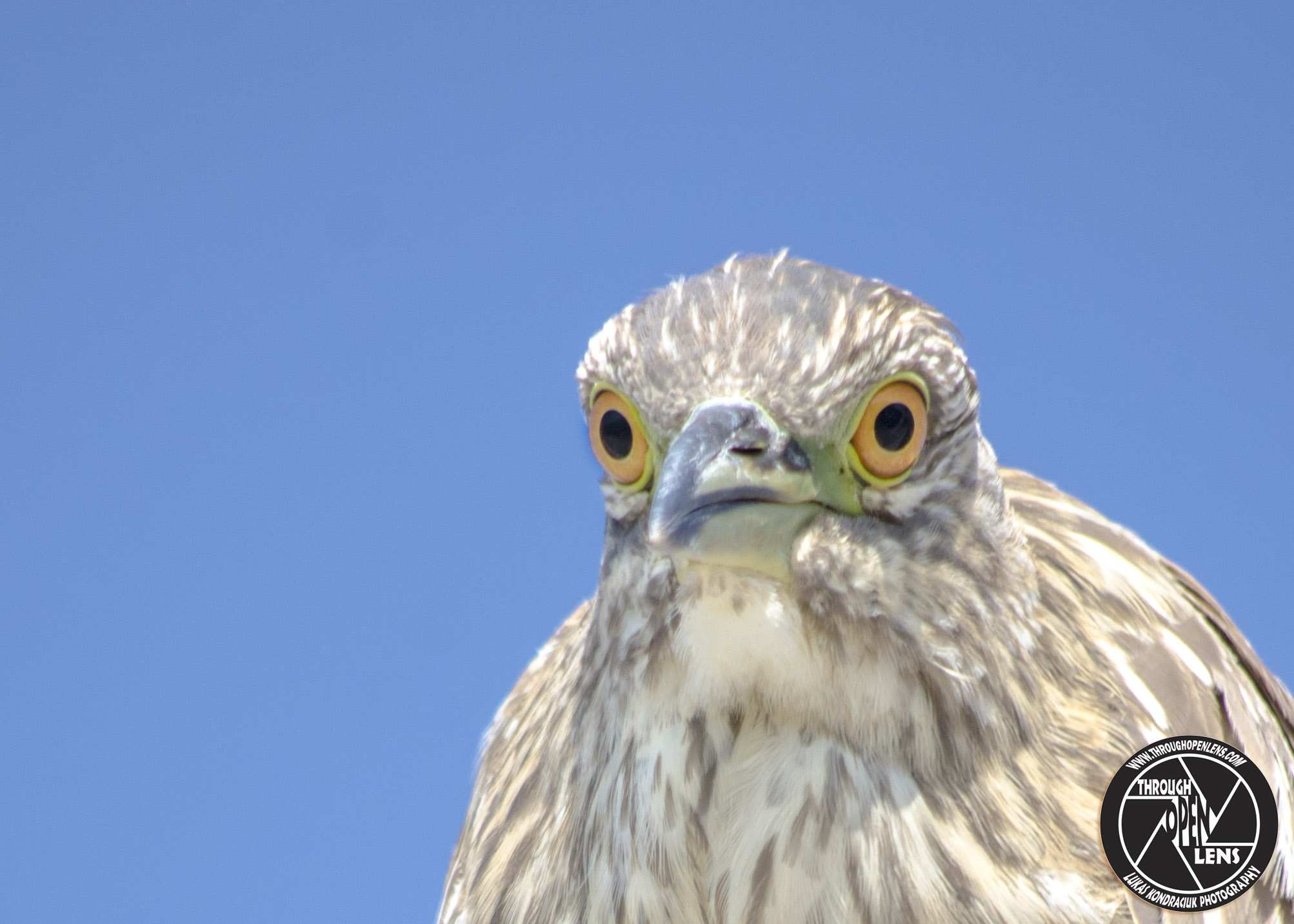
 

Look Into My Eyes!

F/6.3, 1/640, ISO 200.

Black-crowned Night-Heron

What did a tree fighting with autumn say?

That’s it, I’m leaving.

Interesting Fact: The male chooses a nest site in a tree or in cattails—usually in a habitat safe from predators such as on an island, in a swamp, or over water—and then advertises for a female. Black-crowned Night-Herons nest colonially, often with a dozen nests in a single tree. Colonies sometimes last for 50 years or more. ( https://www.allaboutbirds.org/guide/Black-crowned_Night-Heron/lifehistory )


Everyone Tells Me To Keep My Head Up But Food Is Down Here

F/6.3, 1/640, ISO 200.

Willet

Did your hear about the man with a broken left arm and broken left leg?

Don’t worry he’s “ALRIGHT” now!

Interesting Fact: Willets breeding in the interior of the West differ from the Atlantic Coastal form in ecology, shape, and subtly in calls. Western Willets breed in freshwater habitats, and are slightly larger and paler gray. Eastern Willets have stouter bills and more barring on their chest and back. The difference in pitch between the calls of the two subspecies is very difficult for a person to detect, but the birds can hear the difference and respond more strongly to recorded calls of their own type.  ( https://www.allaboutbirds.org/guide/Willet/lifehistory )

Don’t Be Scared To Fly Alone Find A Path That Is Your Own

F/11.0, 1/500, ISO 200.

Brown Pelican

Why Did the Robber Take a Shower?

He wanted to make a clean getaway.

Interesting Fact: While the Brown Pelican is draining the water from its bill after a dive, gulls often try to steal the fish right out of its pouch—sometimes while perching on the pelican’s head. Pelicans themselves are not above stealing fish, as they follow fishing boats and hang around piers for handouts. ( https://www.allaboutbirds.org/guide/Brown_Pelican )

Don’t Bother Me I Am Guarding This Bush!

F/6.3, 1/125, ISO 100.

Rufous Hummingbird

Why did they have to bury George Washington standing up?

Because he could never lie.

Interesting Fact: Rufous Hummingbirds, like most other hummingbirds, beat their wings extremely fast to be able to hover in place. The wingbeat frequency of Rufous Hummingbirds has been recorded at 52–62 wingbeats per second. ( https://www.allaboutbirds.org/guide/Rufous_Hummingbird/lifehistory )


His Feathers Didn’t Go Up, But They Have A Pill For That.

F/5.6, 1/60, ISO 320.

Peafowl

Did you hear the story about the peacock?

It’s a beautiful tail.

Interesting Fact: Peafowl are forest birds that nest on the ground, but roost in trees. They are terrestrial feeders. All species of peafowl are believed to be polygamous. In common with other members of the Galliformes, the males possess metatarsal spurs or “thorns” on their legs used during intraspecific territorial fights with other members of their kind. ( https://en.wikipedia.org/wiki/Peafowl#Behaviour )

If You Dare Come A Little Closer!

F/8.0, 1/1000, ISO 200.

Black-crowned Night-Heron

What did the big chimney say to the little chimney?

“You’re too young to smoke.”

 Interesting Fact: Some populations stay in one place year-round, while others disperse short distances of 5–60 miles. Others migrate farther, such as from Massachusetts to Florida and the Caribbean, or from Alberta to Mexico and Cuba. Migrants follow the coast or the Mississippi River flyway. ( https://www.allaboutbirds.org/guide/Black-crowned_Night-Heron/lifehistory )

Blue Looks Good On You!

F/5.6, 1/160, ISO 320.

California Scrub-Jay

Why did Papa Smurf send Smurfette to see a doctor???

She was always feeling blue…

Interesting Fact: Look closely, and you’ll see an intriguing difference between the California Scrub-Jay and its close relative, Woodhouse’s Scrub-Jay. The bill of a California Scrub-Jay is stout and hooked, giving it extra power and grip as the birds hammer open acorns in their oak woodland habitats. By comparison, Woodhouse’s have thinner, more pointed bills that nimbly reach deep into pinyon pine cones to pull out the pine nuts inside. ( https://www.allaboutbirds.org/guide/California_Scrub-Jay )

Be Different!

F/5.6, 1/500, ISO 360.

Western-Grebe

Why did the traffic light turn red?

You would too if you had to change in the middle of the street!

Interesting Fact:  The Western Grebe, like other grebes, spends almost all its time in water and is very awkward when on land. The legs are so far back on the body that walking is very difficult. Western Grebes are adept swimmers and divers. Courtship happens entirely in the water, including a well-known display known as “rushing,” where two birds turn to one side, lunge forward in synchrony, their bodies completely out of the water, and race across the water side by side with their necks curved gracefully forward. ( https://www.allaboutbirds.org/guide/Western_Grebe/lifehistory )

I’m Sorry I Offended You Whith My Common Sense

F/8.0, 1/250, ISO 250.

Common Murre

Where do polar bears vote?

The North Poll.

Interesting Fact:  In the Atlantic, some populations include “bridled” or “ringed” individuals, which have a white eye-ring and a white line extending backward from the eyes. Bridled birds are more common farther north. ( https://www.allaboutbirds.org/guide/Common_Murre/overview )