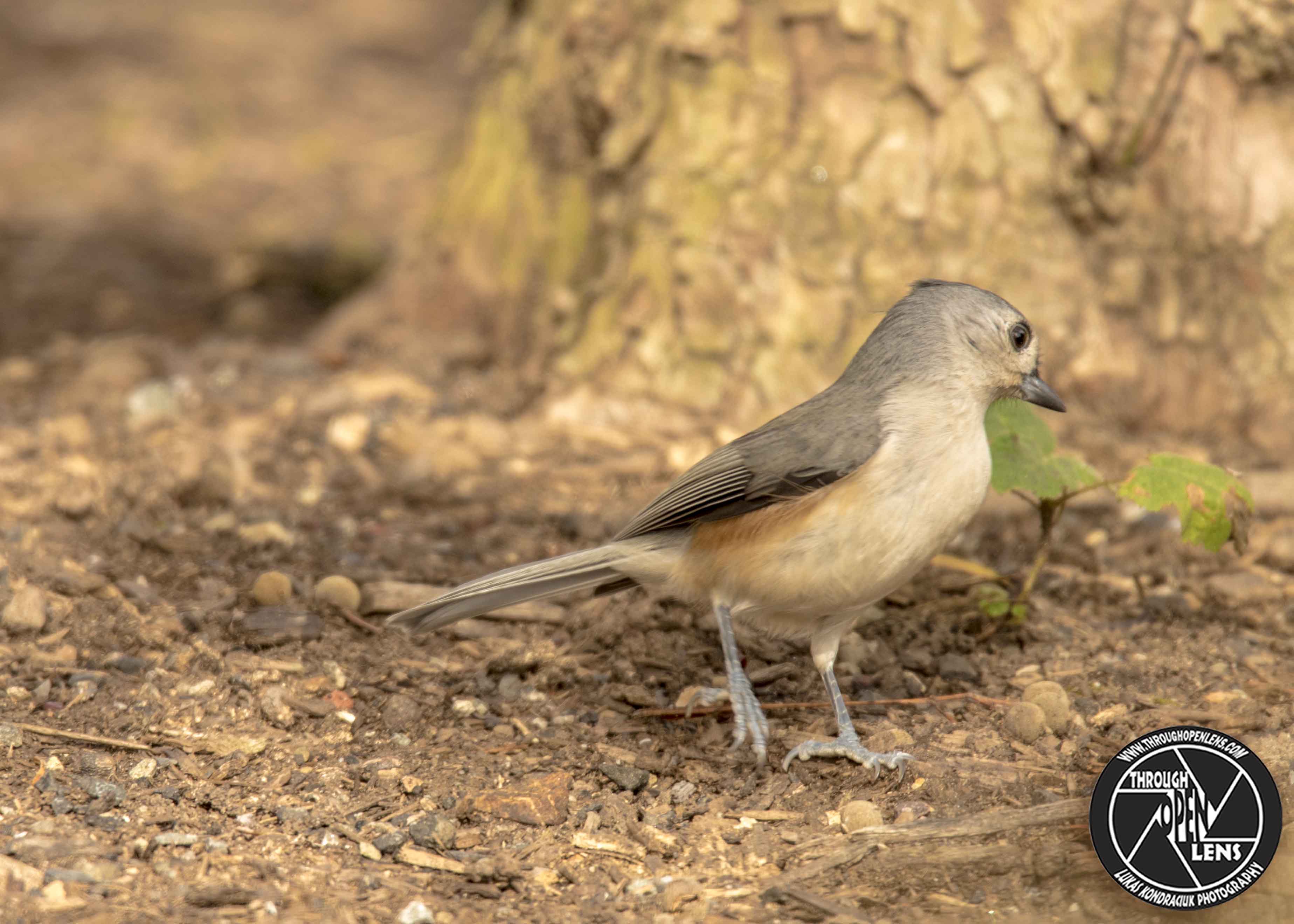
Well…, I Don’t Believe You!

F/7.1, 1/200, ISO 320.

Tufted Titmouse

A tourist was being led through the swamps of Florida.

“Is it true,” he asked, “that an alligator won’t attack you if you carry a flashlight?”

“That depends,” replied the guide, “on how fast you carry the flashlight.”

Interesting Fact: The oldest known wild Tufted Titmouse was at least 13 years, 3 months old. It was banded in Virginia in 1962, and found in the same state in 1974. ( https://www.allaboutbirds.org/guide/Tufted_Titmouse/lifehistory )

You Are My Sunshine

F/7.1, 1/200, ISO 320.

Palm Warbler

Why didn’t the sailors play cards?

Because the captain was on the deck.

Interesting Fact: Canada’s boreal forests stretch for miles and miles. The great boreal forest, often called “North America’s bird nursery,” is the summer home to billions of migratory birds and an estimated 98% of all Palm Warblers. ( https://www.allaboutbirds.org/guide/Palm_Warbler )

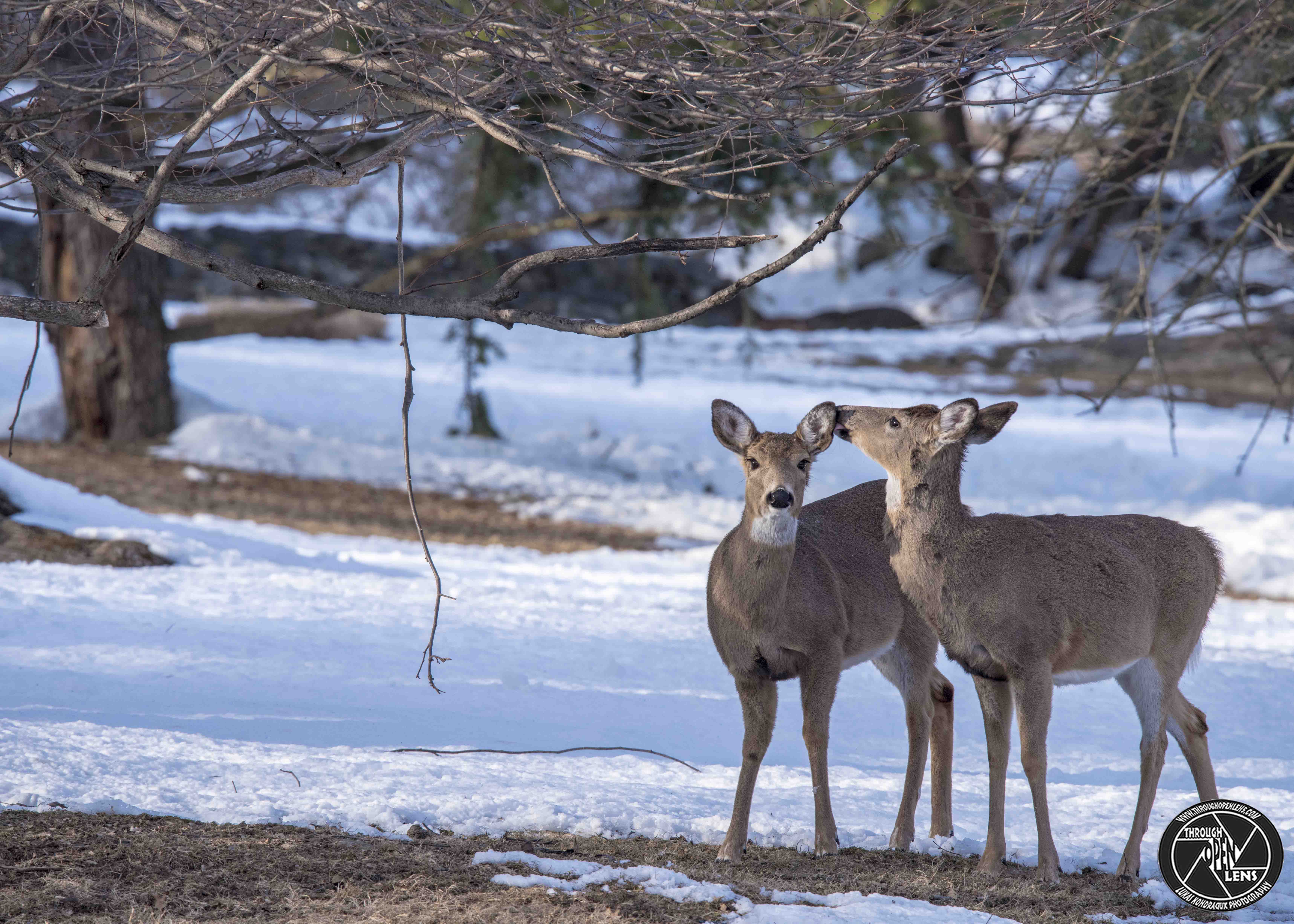
Let Me Tell You A Secret.

F/10.0, 1/400, ISO 640.

White-Tailed Deer

Who did Bambi invite to his birthday party?

His nearest and deer-est friends.

Interesting Fact: Although most often thought of as forest animals depending on relatively small openings and edges, white-tailed deer can equally adapt themselves to life in more open prairie, savanna woodlands, and sage communities as in the Southwestern United States and northern Mexico. These savanna-adapted deer have relatively large antlers in proportion to their body size and large tails. Also, a noticeable difference exists in size between male and female deer of the savannas. The Texas white-tailed deer (O. v. texanus), of the prairies and oak savannas of Texas and parts of Mexico, are the largest savanna-adapted deer in the Southwest, with impressive antlers that might rival deer found in Canada and the northern United States. Populations of Arizona (O. v. couesi) and Carmen Mountains (O. v. carminis) white-tailed deer inhabit montane mixed oak and pine woodland communities.[21] The Arizona and Carmen Mountains deer are smaller, but may also have impressive antlers, considering their size. The white-tailed deer of the Llanos region of Colombia and Venezuela (O. v. apurensis and O. v. gymnotis) have antler dimensions similar to the Arizona white-tailed deer.  ( https://en.wikipedia.org/wiki/White-tailed_deer )

Look, I Found Your Business…. It Was All Up In Mine Again!

F/7.1, 1/200, ISO 320.

Northern Cardinal ( Female )

How do you make a lemon drop?

Just let it fall.

Interesting Fact: Northern Cardinals eat mainly seeds and fruit, supplementing these with insects (and feeding nestlings mostly insects). Common fruits and seeds include dogwood, wild grape, buckwheat, grasses, sedges, mulberry, hackberry, blackberry, sumac, tulip-tree, and corn. Cardinals eat many kinds of birdseed, particularly black oil sunflower seed. They also eat beetles, crickets, katydids, leafhoppers, cicadas, flies, centipedes, spiders, butterflies, and moths. ( https://www.allaboutbirds.org/guide/Northern_Cardinal/lifehistory )

Deer Me To Jump?!

F/13.0, 1/640, ISO1600.

White-Tailed Deer

What is the cheapest kind of meat?

Deer Balls, two for under a Buck!

Interesting Fact: White-tailed deer are generalists and can adapt to a wide variety of habitats.[20] The largest deer occur in the temperate regions of Canada and United States. The northern white-tailed deer (O. v. borealis), Dakota white-tailed deer (O. v. dacotensis), and northwest white-tailed deer (O. v. ochrourus) are some of the largest animals, with large antlers. The smallest deer occur in the Florida Keys and in partially wooded lowlands in the neotropics. ( https://en.wikipedia.org/wiki/White-tailed_deer )


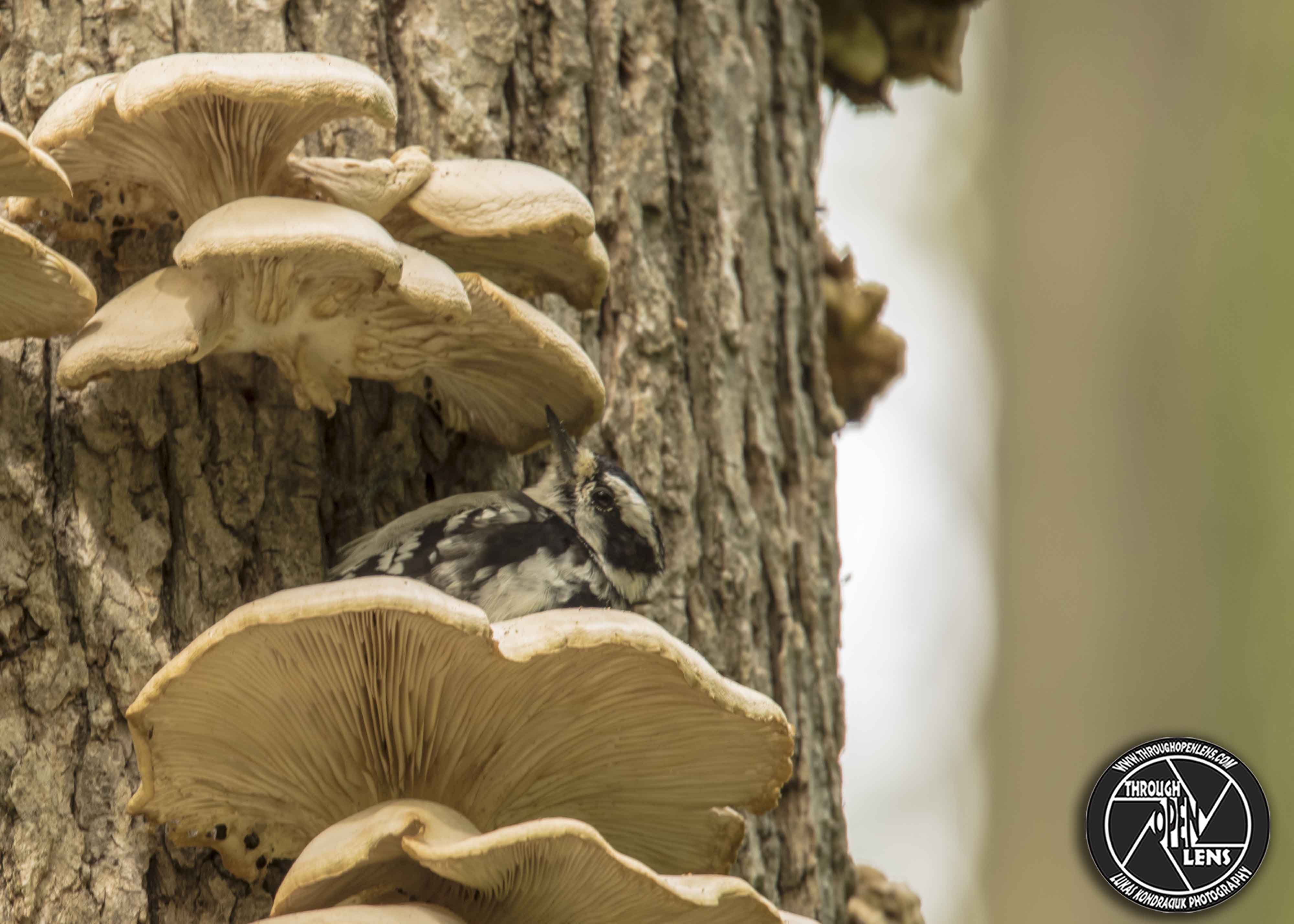
These Mushrooms Are Trippy!

F/6.3, 1/50, ISO 320.

Downy Woodpecker

“Doctor doctor I feel that Im a pack of card. What can I do ?”

Doctor: “I deal with you later.”

Interesting Fact: Downy Woodpeckers have the undulating flight pattern typical of many woodpecker species, alternating quick wingbeats with folding the wings against the body. When having a dispute with another bird, Downy Woodpeckers fan their tails, raise their head feathers, and jerk their beaks from side to side. In spring you may see courtship displays in which males and females fly between trees with slow, fluttering wingbeats that look almost butterfly-like. ( https://www.allaboutbirds.org/guide/Downy_Woodpecker/lifehistory )


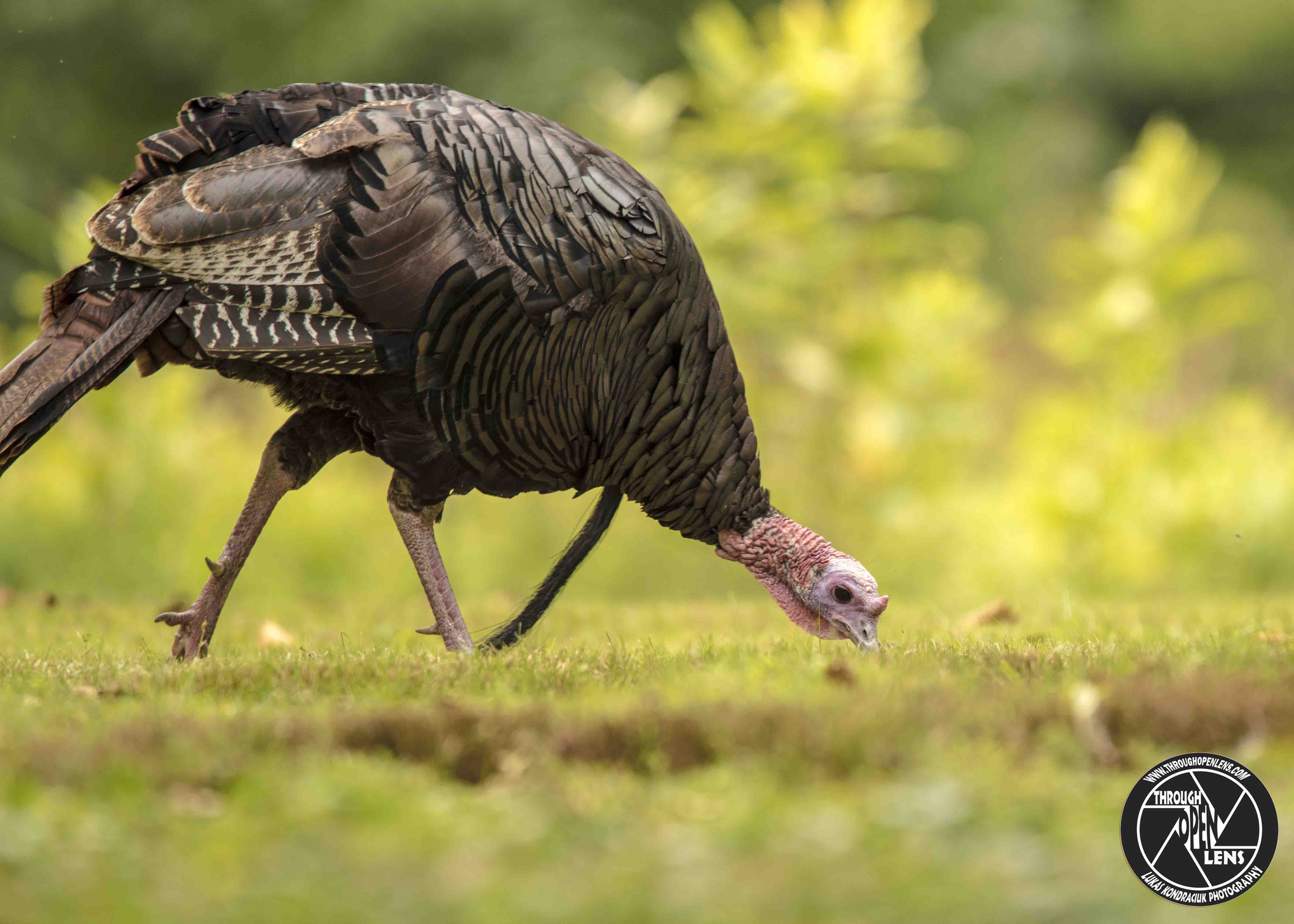
REMEMBER! You Are What You Eat!

HAPPY THANKSGIVING EVERONE!!!

F/7.1, 1/200, ISO 400.

Wild Turkey Female

What did the turkey say to the computer?

Google, Google, Google

Interesting Fact: The female scratches a shallow depression in the soil, about 1 inch deep, 8–11 inches wide, and 9–13 inches long. Wild Turkeys use only the dead leaves or other plant materials already present at the nest site. ( https://www.allaboutbirds.org/guide/Wild_Turkey/lifehistory )


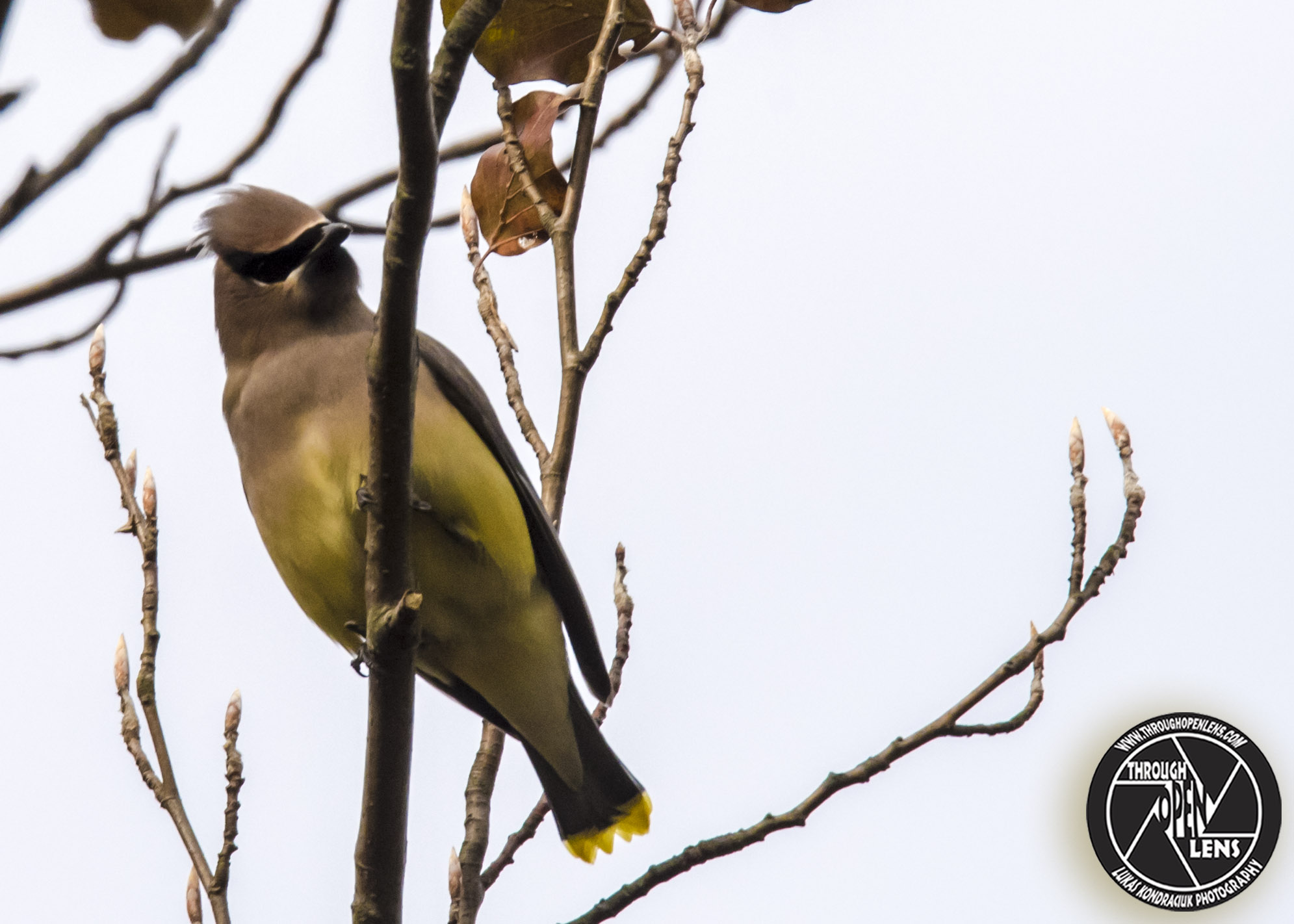
Do I Look Like Cyclops From X-MEN!

F/13.0, 1/640, ISO 400.

Cedar Waxwing

Why was Tigger looking inside the toilet

He was looking for Pooh!

Interesting Fact:  Many birds that eat a lot of fruit separate out the seeds and regurgitate them, but the Cedar Waxwing lets them pass right through. Scientists have used this trait to estimate how fast waxwings can digest fruits. ( https://www.allaboutbirds.org/guide/Cedar_Waxwing/lifehistory )

Keep Looking Up That’s The Secret Of Life

F/7.1, 1/200, ISO 320.

Pileated Woodpecker

What did one eyeball say to the other eyeball?

Between you and me something smells.

Interesting Fact: A Pileated Woodpecker pair stays together on its territory all year round. It will defend the territory in all seasons, but will tolerate new arrivals during the winter. ( https://www.allaboutbirds.org/guide/Pileated_Woodpecker/lifehistory )

Please Keep Off The Grass!

F/8.0, 1/250, ISO 400.

Northern Flicker

What can you hold without ever touching it?

A conversation.

Interesting Fact: The red-shafted and yellow-shafted forms of the Northern Flicker formerly were considered different species. The two forms hybridize extensively in a wide zone from Alaska to the panhandle of Texas. A hybrid often has some traits from each of the two forms and some traits that are intermediate between them. The Red-shafted Flicker also hybridizes with the Gilded Flicker, but less frequently. ( https://www.allaboutbirds.org/guide/Northern_Flicker )