Waiting Here For You

F/13.0, 1/640, ISO 320.

Great Black-backed Gull

Four high school boys afflicted with spring fever skipped morning classes. After lunch they reported to the teacher that they had a flat tire.

Much to their relief she smiled and said, “Well, you missed a test today so take seats apart from one another and take out a piece of paper.”

Still smiling, she waited for them to sit down. Then she said: “First Question: Which tire was flat?”

Interesting Fact: The Great Black-backed Gull is one of many bird species whose feathers were used for fashionable clothing in the 1800s. After the demise of the feather trade in the early 1900s, Great Black-backed Gull populations increased and spread farther south. Garbage dumps and other sources of human refuse have contributed to their range expansion. ( https://www.allaboutbirds.org/guide/Great_Black-backed_Gull/lifehistory )
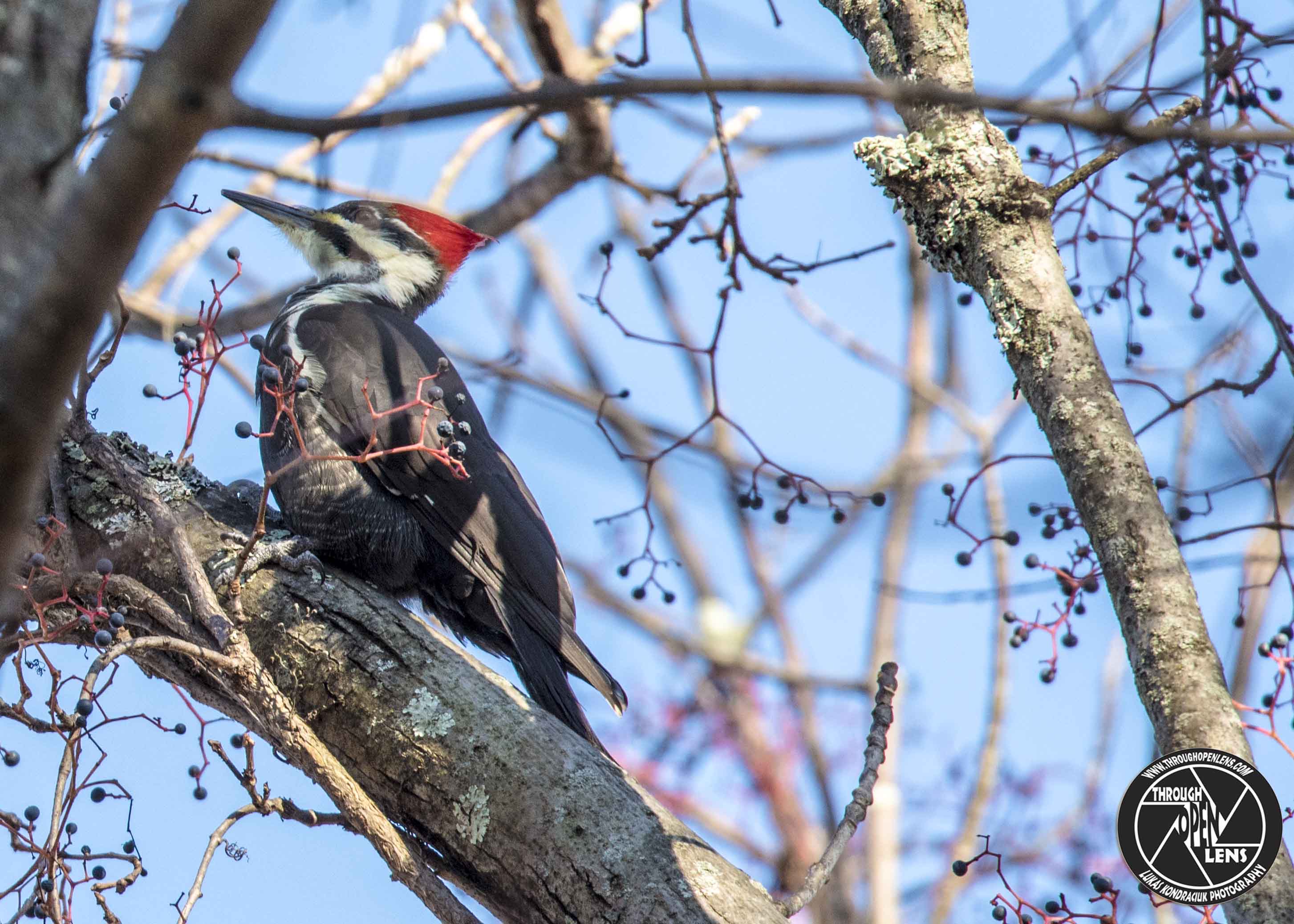
Peck Like There Is No Tomorrow!

F/9.0, 1/320, ISO 400.

Pileated Woodpecker 

Why do mummies make great spies?

They’re good at keeping things under wraps.

Interesting Fact: Pileated Woodpeckers forage in large, dead wood—standing dead trees, stumps, or logs lying on the forest floor. They make impressive rectangular excavations that can be a foot or more long and go deep inside the wood. These holes pursue the tunnels of carpenter ants, the woodpecker’s primary food. The birds also use their long, barbed tongues to extract woodboring beetle larvae (which can be more than an inch long) or termites lying deep in the wood. ( https://www.allaboutbirds.org/guide/Pileated_Woodpecker/lifehistory )

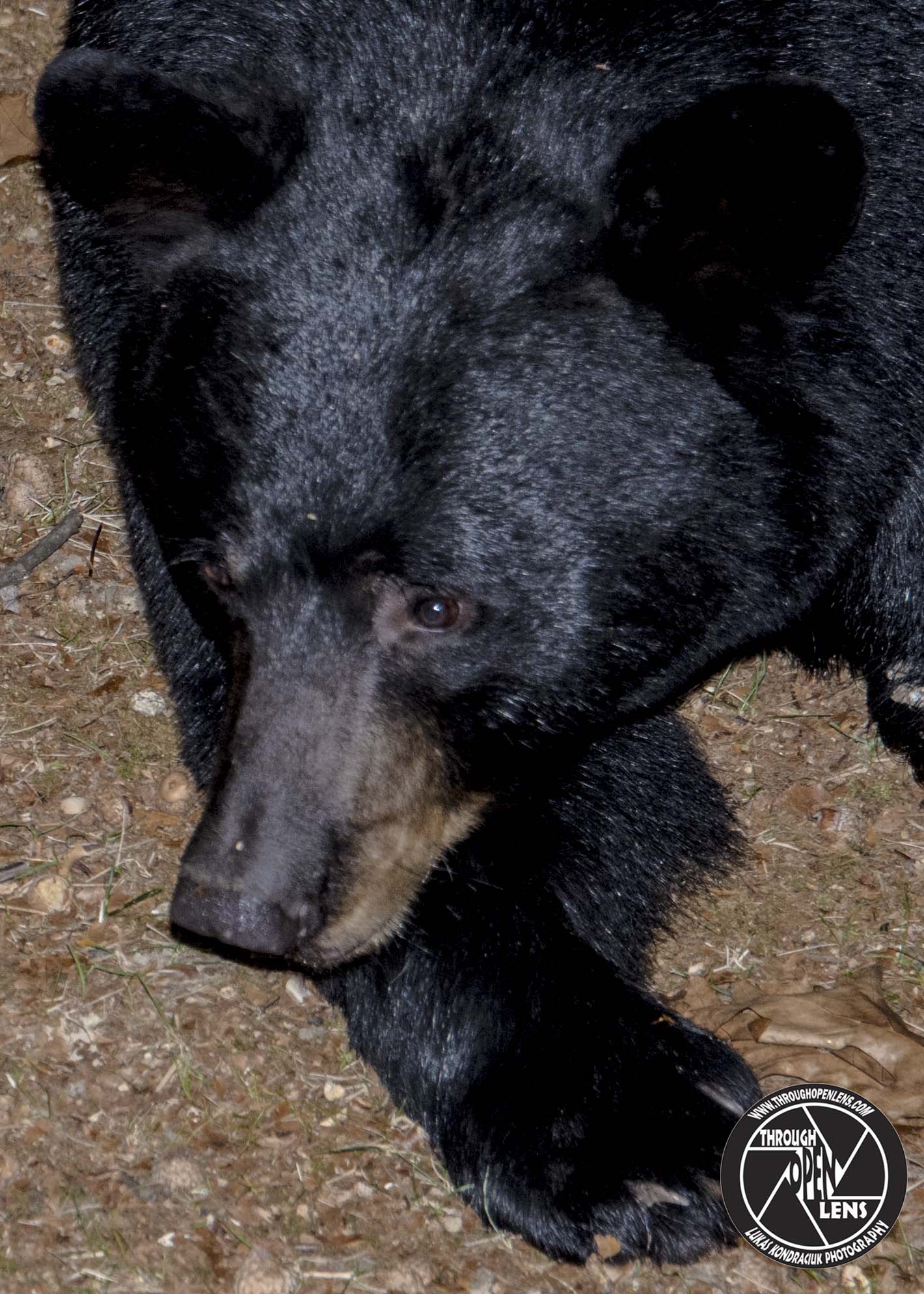
HEY BOO BOO!!!

F/6.3, 1/60. ISO 640.

American Black Bear

How does a tree get on the internet?

He logs in

Interesting Fact: American black bears have better eyesight and hearing than humans. Their keenest sense is their sense of smell, which is about seven times more sensitive than a domestic dog’s.[64] American black bears are excellent and strong swimmers, swimming for pleasure and to feed (largely on fish). ( https://en.wikipedia.org/wiki/American_black_bear )

Double Check!

F/5.6, 1/1600, ISO 400.

Mute Swan

What did the digital clock say to his mother?

Look ma, no hands!

Interesting Fact: All of the Mute Swans in North America descended from swans imported from Europe from the mid 1800s through early 1900s to adorn large estates, city parks, and zoos. Escapees established breeding populations and are now established in the Northeast, Midatlantic, Great Lakes, and Pacific Northwest of the U.S. ( https://www.allaboutbirds.org/guide/Mute_Swan )

Just Be Free!

F/10.0, 1/400, ISO 250.

Wild Turkeys 

What animal should you never play cards with?

A cheetah.

Interesting Fact: Because of their large size, compact bones, and long-standing popularity as a dinner item, turkeys have a better known fossil record than most other birds. Turkey fossils have been unearthed across the southern United States and Mexico, some of them dating from more than 5 million years ago. ( https://www.allaboutbirds.org/guide/Wild_Turkey/lifehistory )


I Just Love The Way I Feel, Hmmm.

F/11.0, 1/500, ISO 200.

Mute Swan

What do clouds do when they become rich?

They make it rain!

Interesting Fact: Mute Swans form long-lasting pair bonds. Their reputation for monogamy along with their elegant white plumage has helped establish them as a symbol of love in many cultures. ( https://www.allaboutbirds.org/guide/Mute_Swan/lifehistory )