Looking For Food In All The Wrong Places

northern-cardinal-5

F/6.3, 1/250, ISO 1600.

Northern Cardinal

Long ago, when sailing ships ruled the waves, a captain and his crew were in danger of being boarded by a pirate ship. As the crew became frantic, the captain bellowed to his First Mate,” Bring me my red shirt! “The First Mate quickly retrieved the captain’s red shirt, which the captain put on and led the crew to battle the pirate boarding party. Although some casualties occurred among the crew, the pirates were repelled. Later that day, the lookout screamed that there were two pirate vessels sending boarding parties. The crew cowered in fear, but the captain, calm as ever bellowed, ” Bring me my red shirt!” And once again the battle was on. However, the Captain and his crew repelled both boarding parties, though this time more casualties occurred. Weary from the battles, the men sat around on deck that night recounting the day’s occurrences when an ensign looked to the Captain and asked,’ Sir, why did you call for your red shirt before the battle? “The Captain, giving the ensign a look that only a captain can give, exhorted,’ If I am wounded in battle, the red shirt does not show the wound and thus, you men will continue to fight unafraid.’ The men sat in silence marveling at the courage of such a man. As dawn came the next morning, the lookout screamed that there were pirate ships, 10 of them, all with boarding parties on their way. The men became silent and looked to the Captain, their leader, for his usual command. The Captain, calm as ever, bellowed,” Bring me my brown pants!”

Interesting Fact: Look for Northern Cardinals in dense shrubby areas such as forest edges, overgrown fields, hedgerows, backyards, marshy thickets, mesquite, regrowing forest, and ornamental landscaping. Cardinals nest in dense foliage and look for conspicuous, fairly high perches for singing. Growth of towns and suburbs across eastern North America has helped the cardinal expand its range northward. ( https://www.allaboutbirds.org/guide/Northern_Cardinal/lifehistory )

Well…This Is Hawkward

red-tailed-hawk-hawkward

F/13.0, 1/640, ISO 320.

Red-tailed Hawk 

Where do animals go when their tails fall off?

The retail store!

Interesting Fact: The Red-tailed Hawk has a thrilling, raspy scream that sounds exactly like a raptor should sound. At least, that’s what Hollywood directors seem to think. Whenever a hawk or eagle appears onscreen, no matter what species, the shrill cry on the soundtrack is almost always a Red-tailed Hawk. ( https://www.allaboutbirds.org/guide/Red-tailed_Hawk/lifehistory )


I Give High A New Meaning!

F/13.0, 1/640, ISO 320.

Northern Harrier

What did the eggs say when the cops showed up?

Everybody scramble!

Interesting Fact: Northern Harriers hunt mostly small mammals and small birds, but they are capable of taking bigger prey like rabbits and ducks. They sometimes subdue larger animals by drowning them. ( https://www.allaboutbirds.org/guide/Northern_Harrier )

A Little Mud Never Hurt Anyone!

F/10.0, 1/400, ISO 320.

Northern Pintail Ducks

What did one tube of glue say to the other tube of glue?

We have to stick together.

Interesting Fact: Males and females also lift their chins to greet each other and sometimes tip their chins when threatened. Pairs form on the wintering grounds, but males often mate with other females on the breeding grounds, and pairs only stay together for a single breeding season. Courting males stretch their necks up and tip their bills down while giving a whistle call. Males also preen behind their wing to expose the green speculum. Interested females follow males with head bobbing, preening, and clucking. ( https://www.allaboutbirds.org/guide/Northern_Pintail/lifehistory )


Steady As She Goes!

F/6.3, 1/500, ISO 250.

Northern Pintail Duck

What did the salad say to the fridge?

Shut the door, I’m dressing!

Interesting Fact: Seemingly at home on land and water, Northern Pintails waddle through fields and swim gracefully with the tail pointed upwards. They erupt in flight from the water’s surface at a moment’s notice, wheeling and darting through the air on their slender wings.  ( https://www.allaboutbirds.org/guide/Northern_Pintail/lifehistory )


Is Your Tail Up For A Reason Or You Just Happy To See Me?!

F/9.0, 1/320, ISO 250.

Ruddy Duck

Why are Christmas trees so bad at sewing?

They always drop their needles!

Interesting Fact:  Unlike most ducks, they form pairs only after arriving on the breeding grounds each year. Males perform unusual courtship displays in which they stick their tails straight up while striking their bills against their inflated necks, creating bubbles in the water as air is forced from their feathers. They punctuate the end of the display with a belch-like call. Courting males also lower their tails and run across the water, making popping sounds with their feet. ( https://www.allaboutbirds.org/guide/Ruddy_Duck/lifehistory )

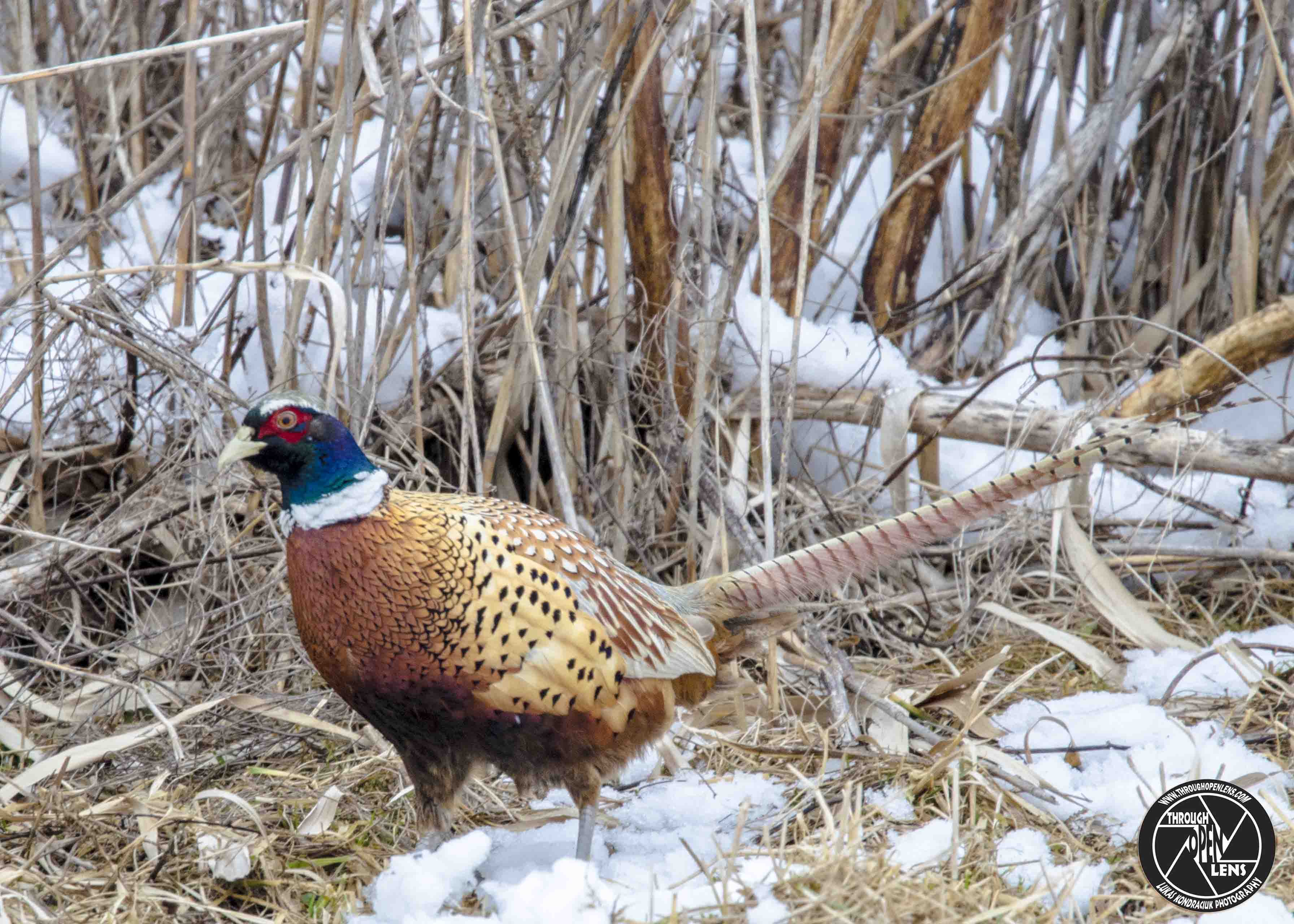
You Are Full Of It!

F/6.3, 1/250, ISO 1600.

Ring-Necked Pheasant

How do snowmen get around?

They ride an icicle!

Interesting Fact: Male Ring-necked Pheasants may harass other ground-nesting birds, such as the Gray Partridge and the Greater Prairie-Chicken. Female pheasants sometimes lay their own eggs in these birds’ nests. This may explain why some male pheasants have been seen chasing away male prairie-chickens and courting females—the pheasants may have been raised in prairie-chicken nests and imprinted on the wrong species. ( https://www.allaboutbirds.org/guide/Ring-necked_Pheasant# )

You Haven’t Seen The Last Of Me

butterfly-3

F/ 7.1, 1/200, ISO 160.

Why did summer catch autumn?

Because autumn is fall.

Interesting Fact: Butterflies have the typical four-stage insect life cycle. Winged adults lay eggs on the food plant on which their larvae, known as caterpillars, will feed. The caterpillars grow, sometimes very rapidly, and when fully developed, pupate in a chrysalis. When metamorphosis is complete, the pupal skin splits, the adult insect climbs out, and after its wings have expanded and dried, it flies off. Some butterflies, especially in the tropics, have several generations in a year, while others have a single generation, and a few in cold locations may take several years to pass through their whole life cycle. ( https://en.wikipedia.org/wiki/Butterfly )

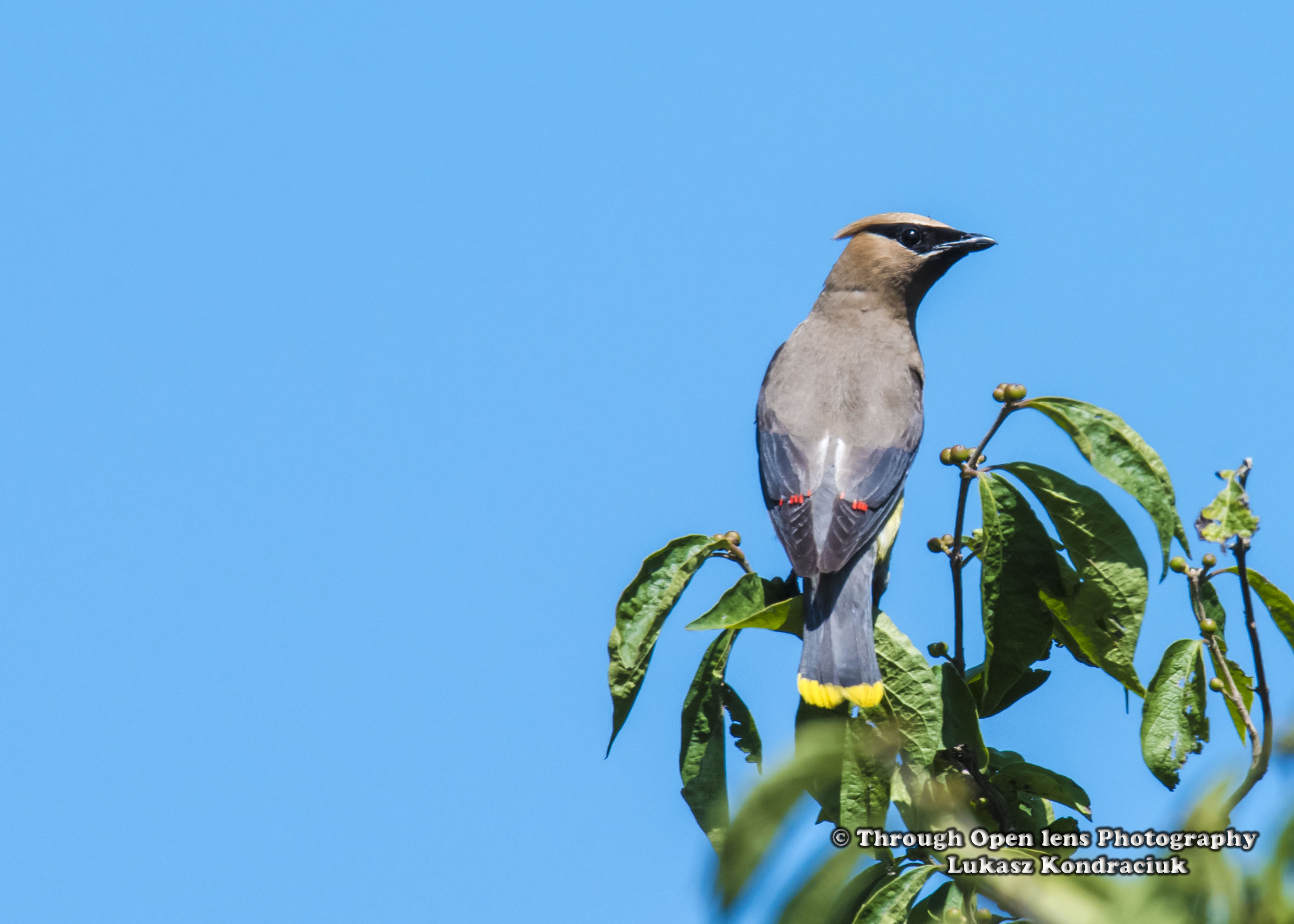
Don’t You Forget About Me

cedar-waxwing-1

F/ 11.0, 1/500, ISO 250.

Cedar Waxwing

What did the pencil sharpener say to the pencil?

Stop going in circles and get to the point! 

Interesting Fact: Cedar Waxwings with orange instead of yellow tail tips began appearing in the northeastern U.S. and southeastern Canada in the 1960s. The orange color is the result of a red pigment picked up from the berries of an introduced species of honeysuckle. If a waxwing eats enough of the berries while it is growing a tail feather, the tip of the feather will be orange. ( https://www.allaboutbirds.org/guide/Cedar_Waxwing/lifehistory )

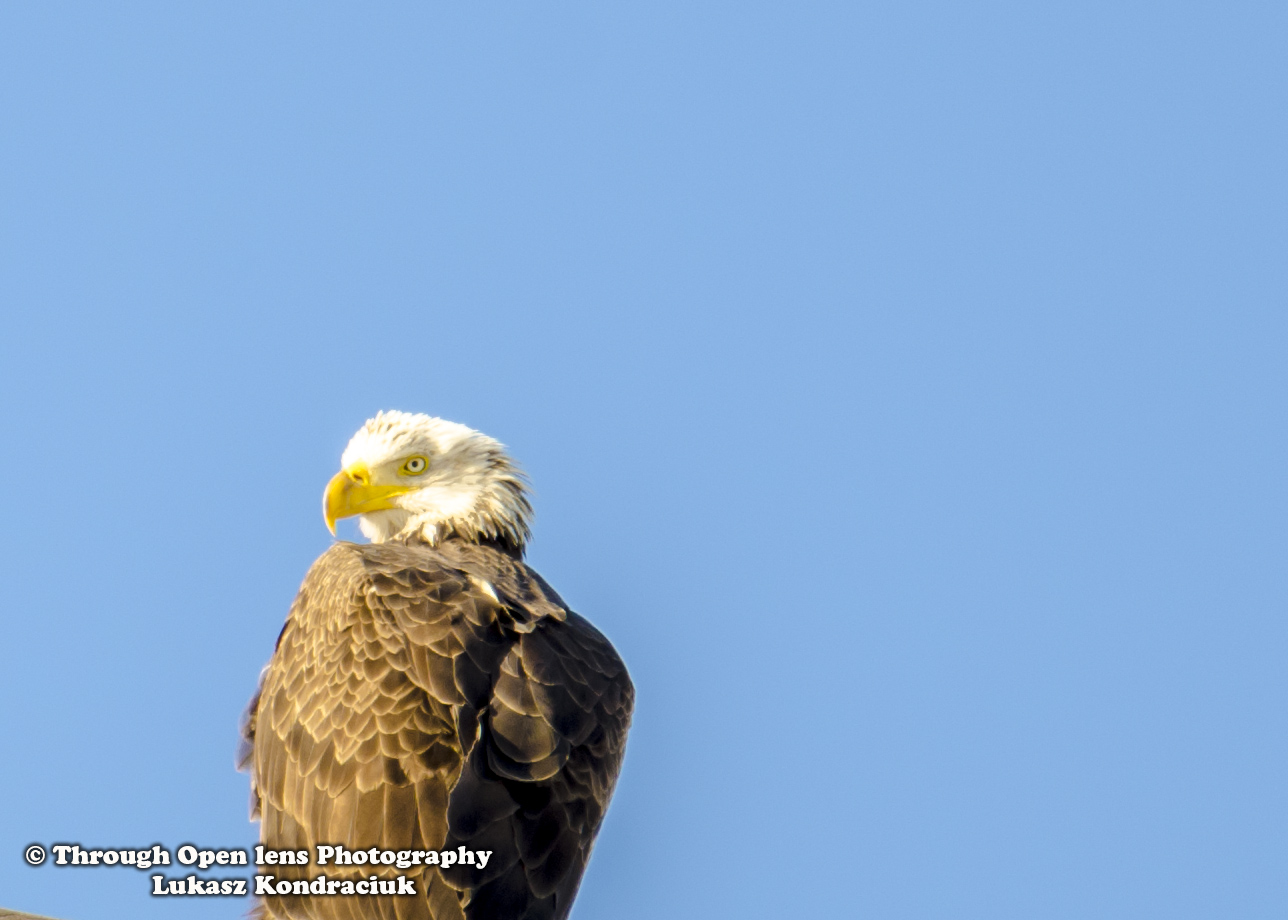
Why You Looking At Me Like That?!

Happy 4th Of July!

Bald Eagle

F/6.3, 1/320, ISO 200.

Bald Eagle

What do you call a sick eagle?

Ill-eagle!

Interesting Fact: Had Benjamin Franklin prevailed, the U.S. emblem might have been the Wild Turkey. In 1784, Franklin disparaged the national bird’s thieving tendencies and its vulnerability to harassment by small birds. “For my own part,” he wrote, “I wish the Bald Eagle had not been chosen the Representative of our Country. He is a Bird of bad moral Character. He does not get his Living honestly. … Besides he is a rank Coward: The little King Bird not bigger than a Sparrow attacks him boldly and drives him out of the District.”  ( https://www.allaboutbirds.org/guide/Bald_Eagle/lifehistory )