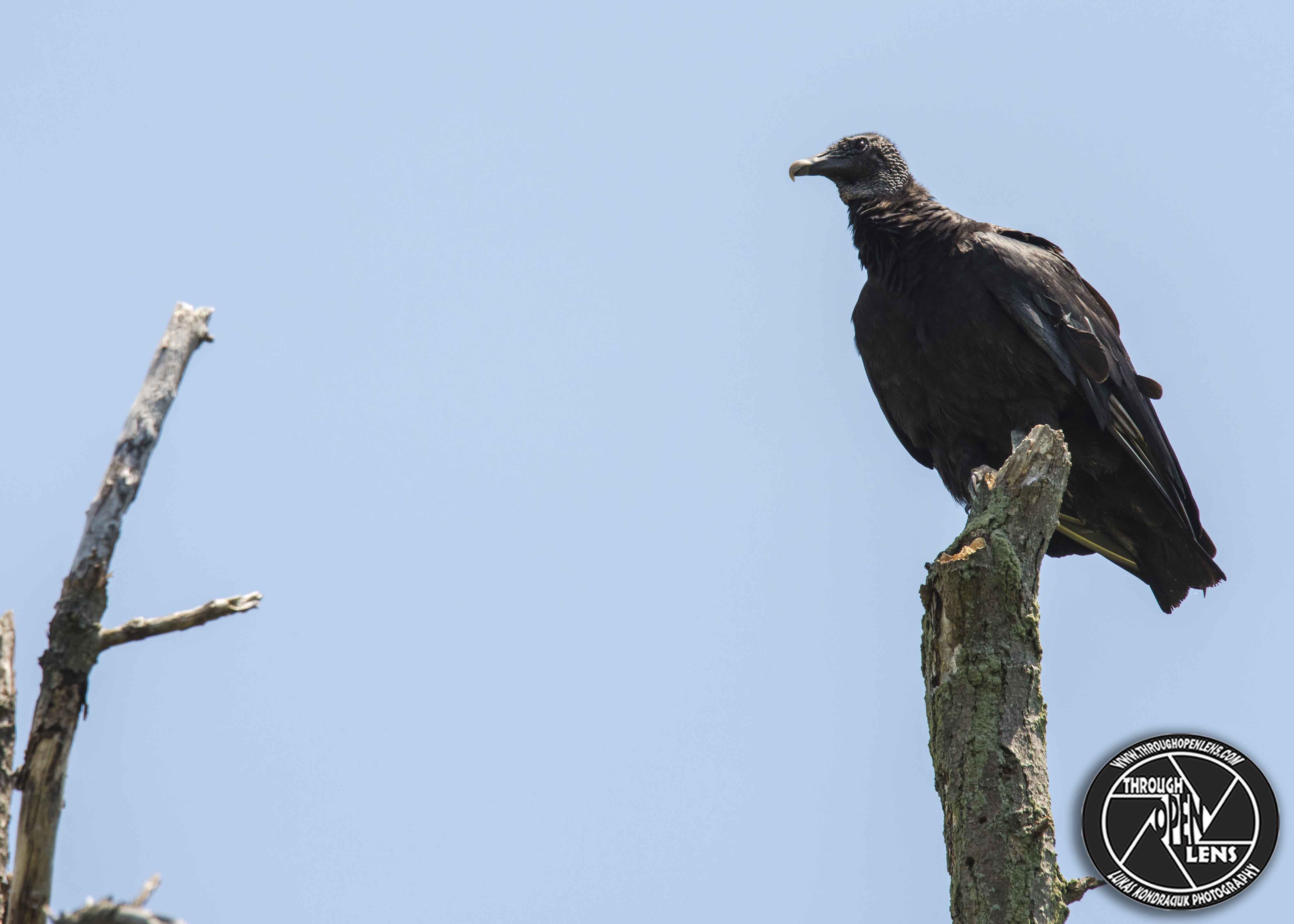
Patience Is Not The Ability To Wait But How You Act While You’re Waiting

F/10.0, 1/400, ISO 400.

Black Vulture

Why can’t you give Elsa a balloon?

Because she will Let it go.

Interesting Fact: Black Vultures lack a voice box and so their vocal abilities are limited to making raspy hisses and grunts. ( https://www.allaboutbirds.org/guide/Black_Vulture/lifehistory )

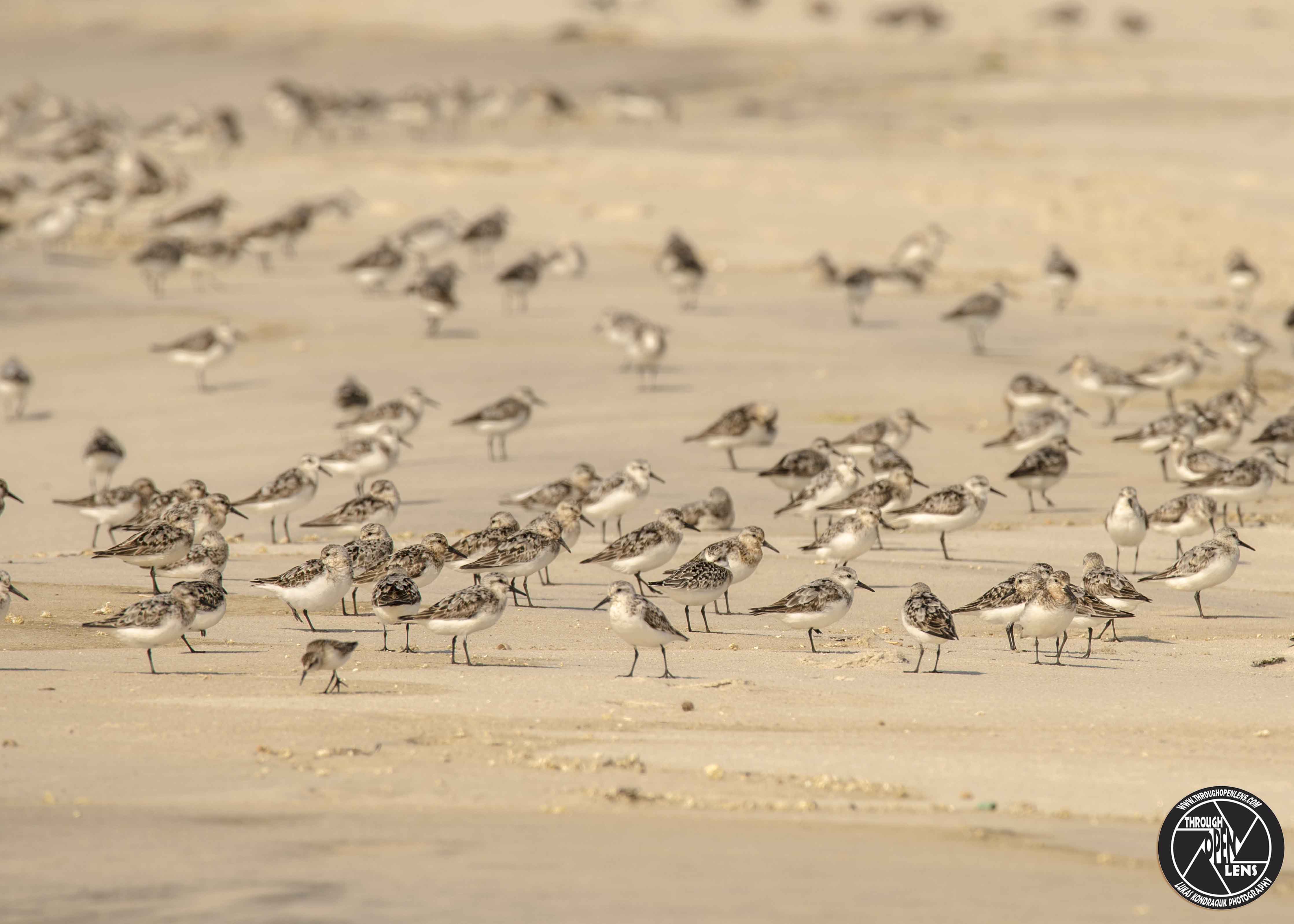
Let Me Play In The Mud!

F/7.1, 1/200, ISO 160.

Semipalmated Sandpiper

What is the difference between erotic and kinky?

Erotic is using a feather… kinky is using the whole chicken.

Interesting Fact: Their breeding habitat is the southern tundra in Canada and Alaska near water. They nest on the ground. The male makes several shallow scrapes; the female chooses one and adds grass and other material to line the nest. The female lays 4 eggs; the male assists in incubation. After a few days, the female leaves the young with the male; the young feed themselves. ( https://en.wikipedia.org/wiki/Semipalmated_sandpiper )


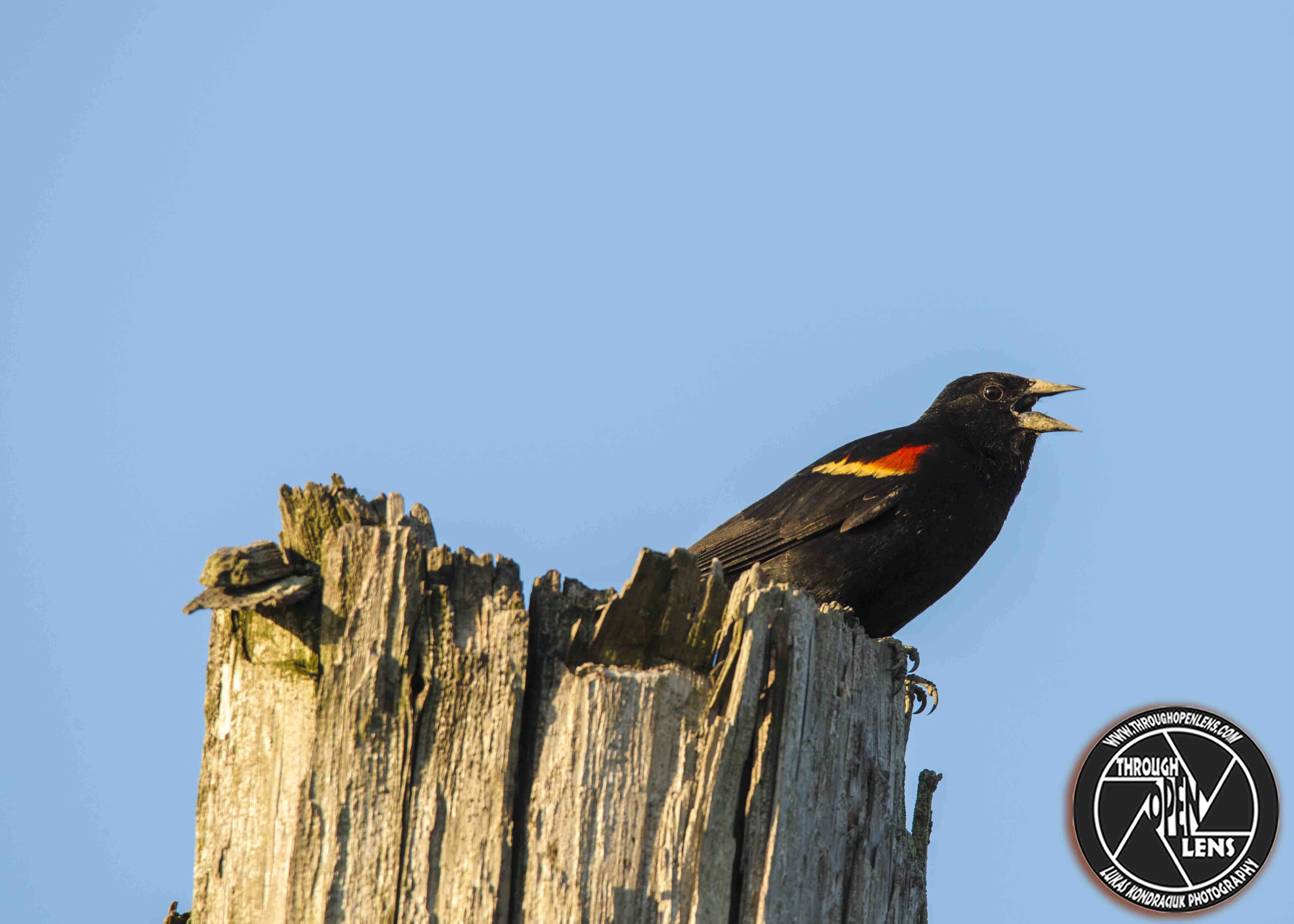
I Always Try To Cheer Myself Up By Singing When I Get Sad. Most Of The Time It Turns Out That My Voice Is Worst Then My Problems.

F/9.0, 1/320, ISO 250.

Red-winged Blackbird

What is the color of the wind?

Blew.

Interesting Fact: Different populations and subspecies of Red-winged Blackbirds vary markedly in size and proportions. An experiment was conducted that moved nestlings between populations and found that the chicks grew up to resemble their foster parents. This study indicated that much of the difference seen between populations is the result of different environments rather than different genetic makeups. ( https://www.allaboutbirds.org/guide/Red-winged_Blackbird/lifehistory  )


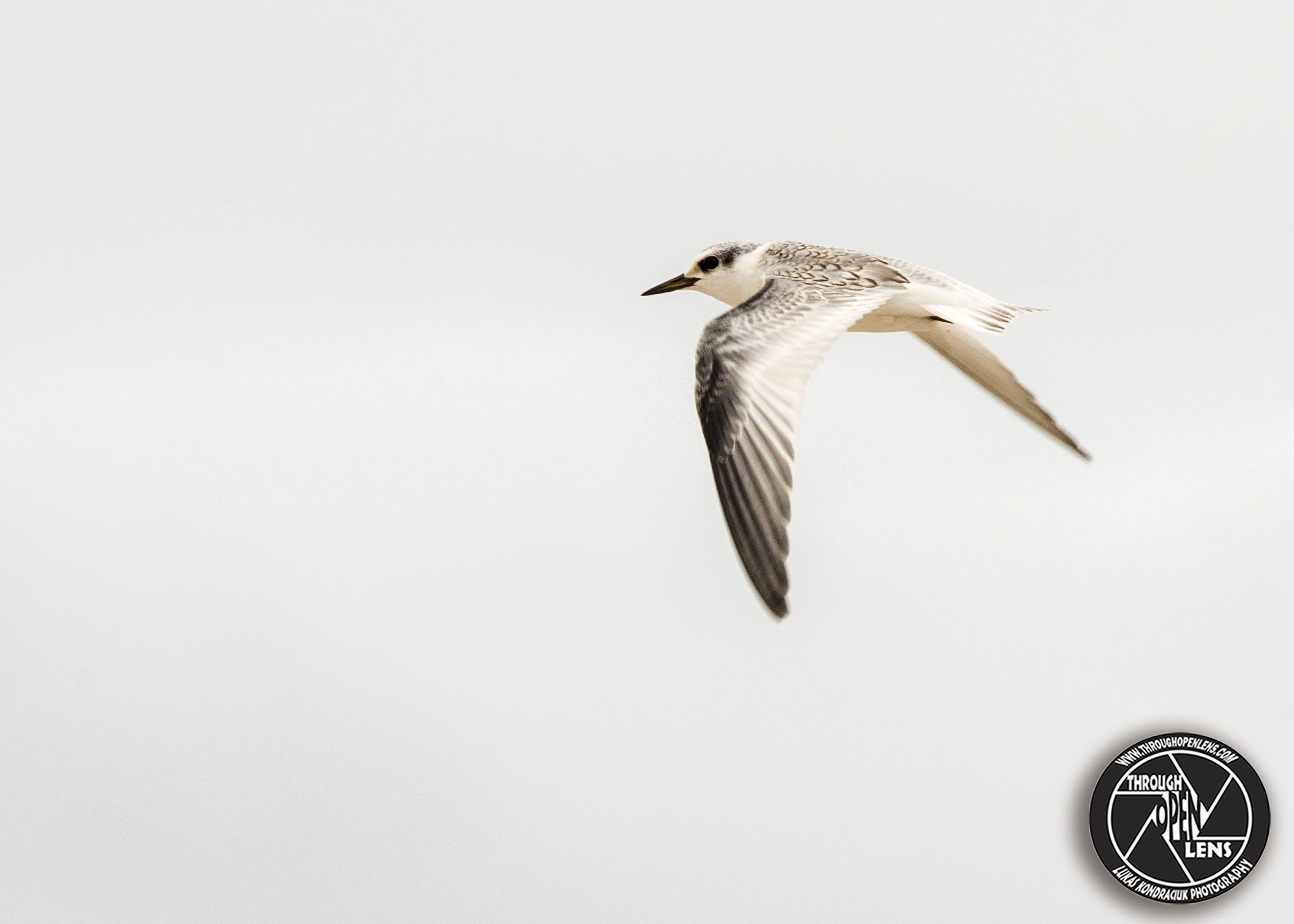
I Can Fly, Fly Away I Will Rise Up And Fly Away!

F/13.0, 1/640, IOS 400.

Common Tern ( Juvenile )

Why was the computer tired when he got home?

Because he had a hard drive.

Interesting Fact: The oldest recorded Common Tern was at least 25 years, 1 month old, when it was recaptured and rereleased during banding operations in New York. ( https://www.allaboutbirds.org/guide/Common_Tern/lifehistory )

I Like This Head Bang Sh*t!

F/13.0, 1/640, ISO 320.

Red-Bellied Woodpecker

Why did the football coach go back to the bank?

To get his quarterback!

Interesting Fact: For birds that nest in cavities, nest holes are precious turf. Red-bellied Woodpeckers have been known to take over the nests of other birds, including the much smaller (and endangered) Red-cockaded Woodpecker. But more often they’re victims to the aggressive European Starling. As many as half of all Red-bellied Woodpecker nests in some areas get invaded by starlings. ( https://www.allaboutbirds.org/guide/Redbellied_Woodpecker/lifehistory )

Don’t Stand So, Don’t Stand So, Don’t Stand So, Close To Me!

F/10.0, 1/400, ISO 125.

Semipalmated Sandpipers 

Where do you learn to make ice cream?

Sundae school.

Interesting Fact: Semipalmated Sandpipers from eastern populations probably undertake nonstop transoceanic flights of 3,000 – 4,000 km (1,900 – 2,500 mi) from New England and southern Canada to South America, powered by extensive fat reserves. ( https://www.allaboutbirds.org/guide/Semipalmated_Sandpiper/ )

The Crack Of Dawn!

F/10.0, 1/400, ISO 125.

John Deere Tractor At Dawn

What do you get when you cross a robot and a tractor?

transfarmer.

Interesting Fact: The first powered farm implements in the early 19th century were portable engines – steam engines on wheels that could be used to drive mechanical farm machinery by way of a flexible belt. Richard Trevithick designed the first ‘semi-portable’ stationary steam engine for agricultural use, known as a “barn engine” in 1812, and it was used to drive a corn threshing machine.[4] The truly portable engine was invented in 1839 by William Tuxford of Boston, Lincolnshire who started manufacture of an engine built around a locomotive-style boiler with horizontal smoke tubes. A large flywheel was mounted on the crankshaft, and a stout leather belt was used to transfer the drive to the equipment being driven. In the 1850s, John Fowler used a Clayton & Shuttleworth portable engine to drive apparatus in the first public demonstrations of the application of cable haulage to cultivation. ( https://en.wikipedia.org/wiki/Tractor#History )

I Only Have Crazy Eyes For You!

F/9.0, 1/320, ISO 320.

Northern Mockingbird 

Why don’t witches like to ride their brooms when they’re angry?

They’re afraid of flying off the handle!

Interesting Fact:  The Northern Mockingbird frequently gives a “wing flash” display, where it half or fully opens its wings in jerky intermediate steps, showing off the big white patches. No one knows why it does this, but it may startle insects, making them easier to catch. On the other hand, it doesn’t often seem to be successful, and different mockingbird species do this same display even though they don’t have white wing patches.  ( https://www.allaboutbirds.org/guide/Northern_Mockingbird/lifehistory )

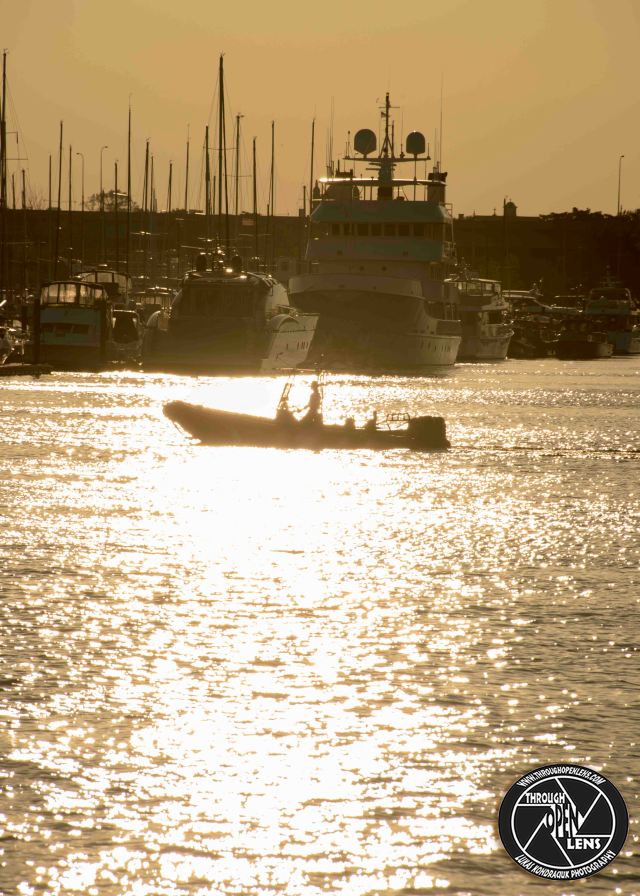
Don’t Be Afraid To Rock The Boat

F/13.0, 1/640, ISO 200.

Jersey City Hudson River

What does a cheetah say when someone looks at it?

I’ve been spotted!

Interesting Fact: The land comprising what is now Jersey City was inhabited by the Lenape, a collection of tribes (later called Delaware Indian). In 1609, Henry Hudson, seeking an alternate route to East Asia, anchored his small vessel Halve Maen (English: Half Moon) at Sandy Hook, Harsimus Cove and Weehawken Cove, and elsewhere along what was later named the North River. After spending nine days surveying the area and meeting its inhabitants, he sailed as far north as Albany. By 1621, the Dutch West India Company was organized to manage this new territory and in June 1623, New Netherland became a Dutch province, with headquarters in New Amsterdam. Michael Reyniersz Pauw received a land grant as patroon on the condition that he would establish a settlement of not fewer than fifty persons within four years. He chose the west bank of the North River (Hudson River) and purchased the land from the Lenape. This grant is dated November 22, 1630 and is the earliest known conveyance for what are now Hoboken and Jersey City. Pauw, however, was an absentee landlord who neglected to populate the area and was obliged to sell his holdings back to the Company in 1633.[39] That year, a house was built at Communipaw for Jan Evertsen Bout, superintendent of the colony, which had been named Pavonia (the Latinized form of Pauw’s name, which means peacock).[40] Shortly after, another house was built at Harsimus Cove and became the home of Cornelius Van Vorst, who had succeeded Bout as superintendent, and whose family would become influential in the development of the city. Relations with the Lenape deteriorated, in part because of the colonialist’s mismanagement and misunderstanding of the indigenous people, and led to series of raids and reprisals and the virtual destruction of the settlement on the west bank. During Kieft’s War, approximately eighty Lenapes were killed by the Dutch in a massacre at Pavonia on the night of February 25, 1643. ( https://en.wikipedia.org/wiki/Jersey_City,_New_Jersey#History )

Relax, We’re All Crazy It’s Not A Competition!

F/10.0, 1/400, ISO 250.

Song Sparrow

Where do polar bears vote?

The North Poll.

Interesting Fact: The Song Sparrow is found throughout most of North America, but the birds of different areas can look surprisingly different. Song Sparrows of the Desert Southwest are pale, while those in the Pacific Northwest are dark and heavily streaked. Song Sparrows of Alaska’s Aleutian Islands chain are even darker, and they’re huge: one-third longer than the eastern birds, and weighing twice as much.  ( https://www.allaboutbirds.org/guide/Song_Sparrow/lifehistory )