It’s Better To Swallow Words Than To Have To Eat Them Later

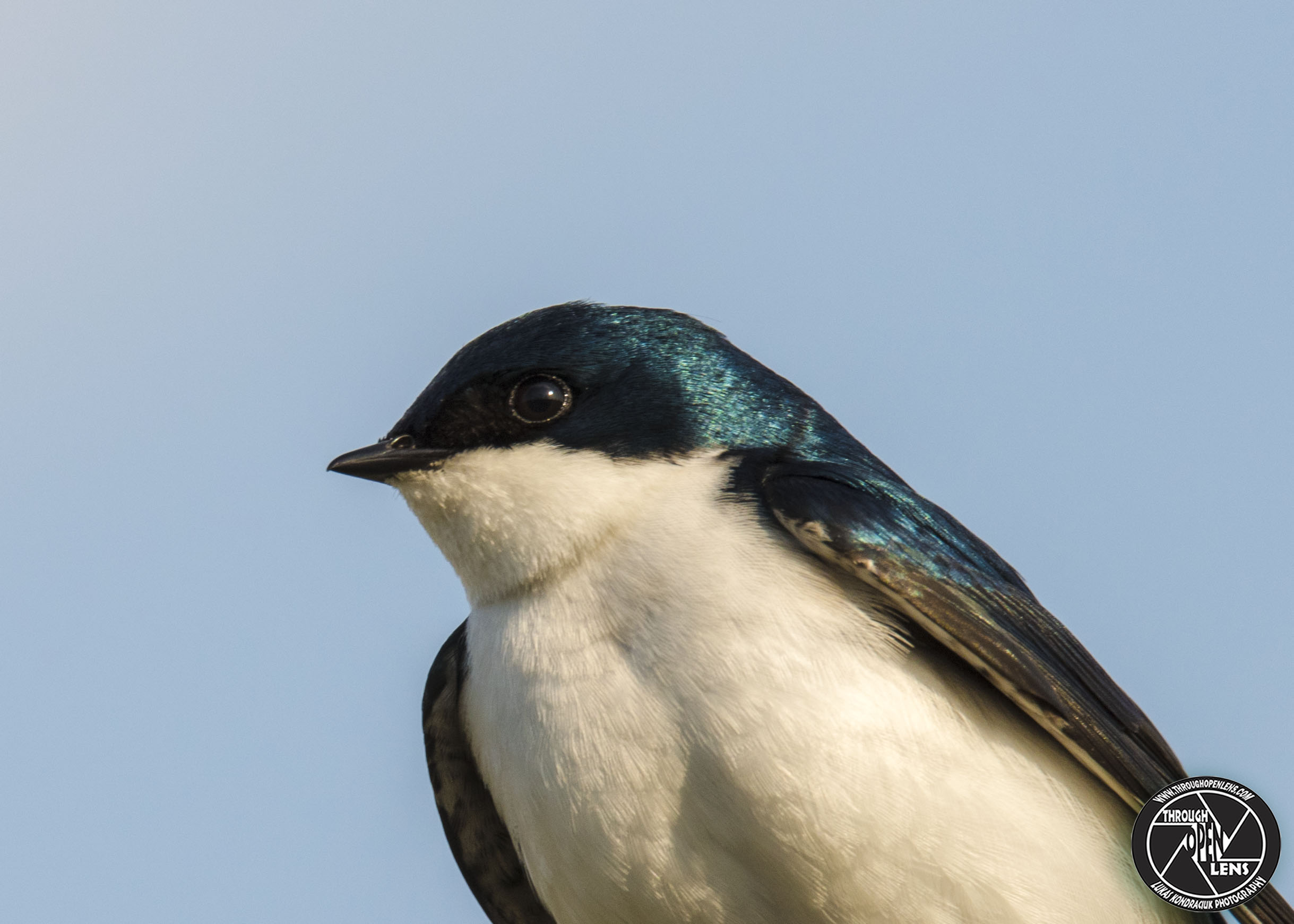
F/11.0, 1/500, ISO 250.

Tree Swallow

What kind of lights did Noah use on the Ark?

Flood lights!

Interesting Fact: Tree Swallows have helped researchers make major advances in several branches of ecology, and they are among the best-studied bird species in North America. Still, we know little about their lives during migration and winter. ( https://www.allaboutbirds.org/guide/Tree_Swallow/lifehistory )

Do Not Cross Me I Have My Fancy Pants On Today!

F/5.6, 1/500, ISO 200.

Snowy Egret

What did the triangle say to the circle?

You are pointless!

Interesting Fact: Male Snowy Egrets fight for breeding territories, choose nest sites, and perform noisy courtship displays to attract mates. A ring of other egrets often gathers around a displaying male as he pumps his body up and down, points his bill skyward, and calls. He also performs aerial displays, including one that ends with him dropping toward the ground while tumbling around and around. After pairing up, Snowy Egrets continue defending the immediate area around the nest, raising their crests and giving rasping calls. Some of their nest predators include raccoons, Great Horned Owls, Barred Owls, American Crows, Fish Crows, American alligators, and gray rat snakes. Highly social all year long, Snowy Egrets forage with gulls, terns, ibises, and other herons, and they nest in colonies alongside many other species, including Great Egrets, night-herons, Glossy Ibises, Little Blue Herons, Tricolored Herons, Cattle Egrets, and Roseate Spoonbills. ( https://www.allaboutbirds.org/guide/Snowy_Egret/lifehistory )

Fish Out Of The Water!

F/10.0, 1/400, ISO 250.

Common Terns

How do birds fly?

They just wing it!

Interesting Fact: Common Terns nest in colonies on the ground in areas with loose sand, gravel, shell, or cobble pebbles typically less than 350 feet from the water. They tend to choose areas with scattered, low-growing vegetation to provide cover for chicks.  ( https://www.allaboutbirds.org/guide/Common_Tern/lifehistory )

It’s Electrifyin

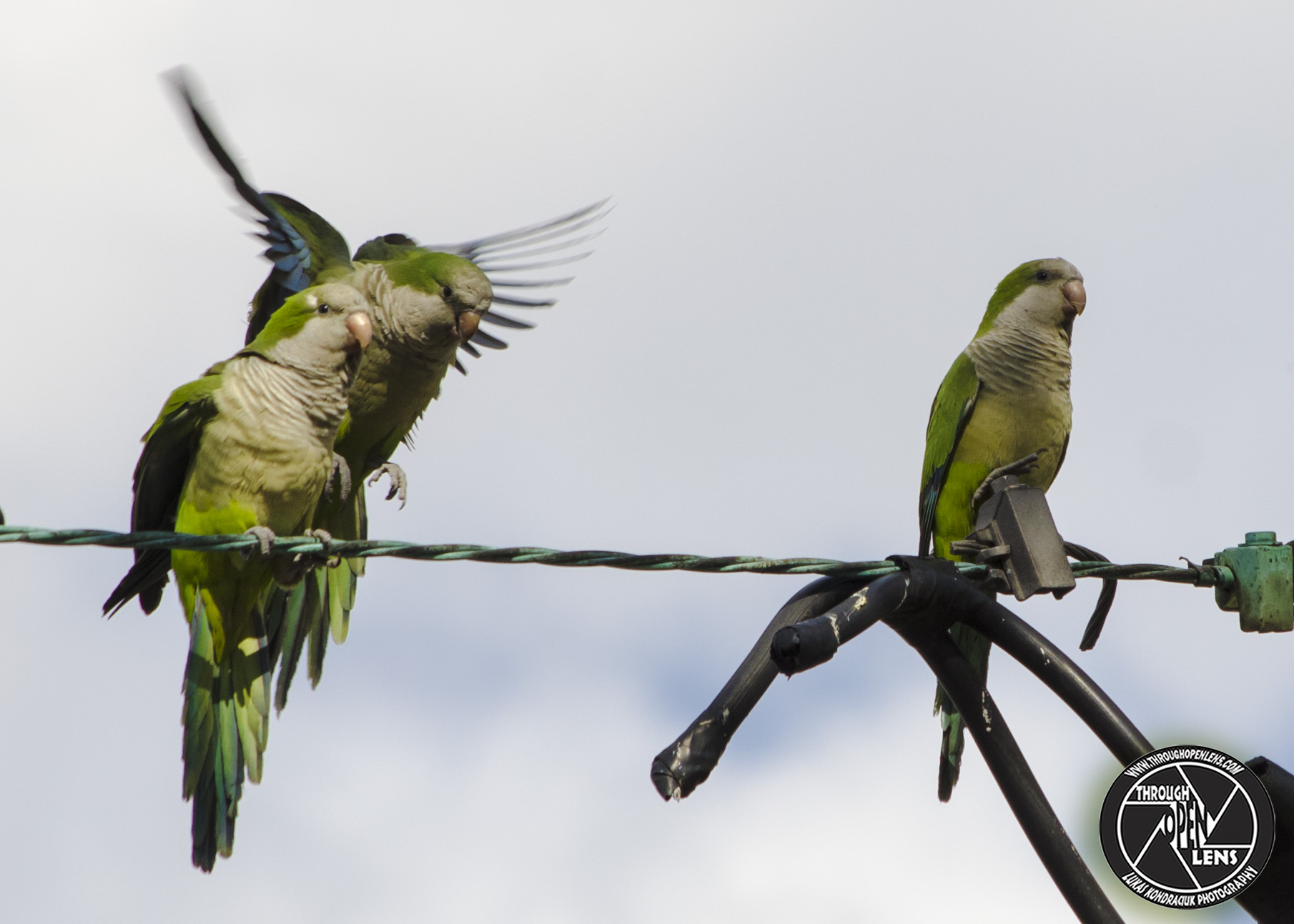
F/8.0, 1/1000, ISO 200.

Monk Parakeets

What do you get when you cross a parrot and a centipede?

A walkie-talkie.

Interesting Fact: Monk Parakeets in North America live in urban and suburban environments, especially around city parks. They are one of the few parrot species able to survive temperate-zone winters. In their native range in South America, Monk Parakeets live in dry savannas with scattered woods up to about 6,000 feet elevation.  ( https://www.allaboutbirds.org/guide/Monk_Parakeet/lifehistory )

Baby Time!

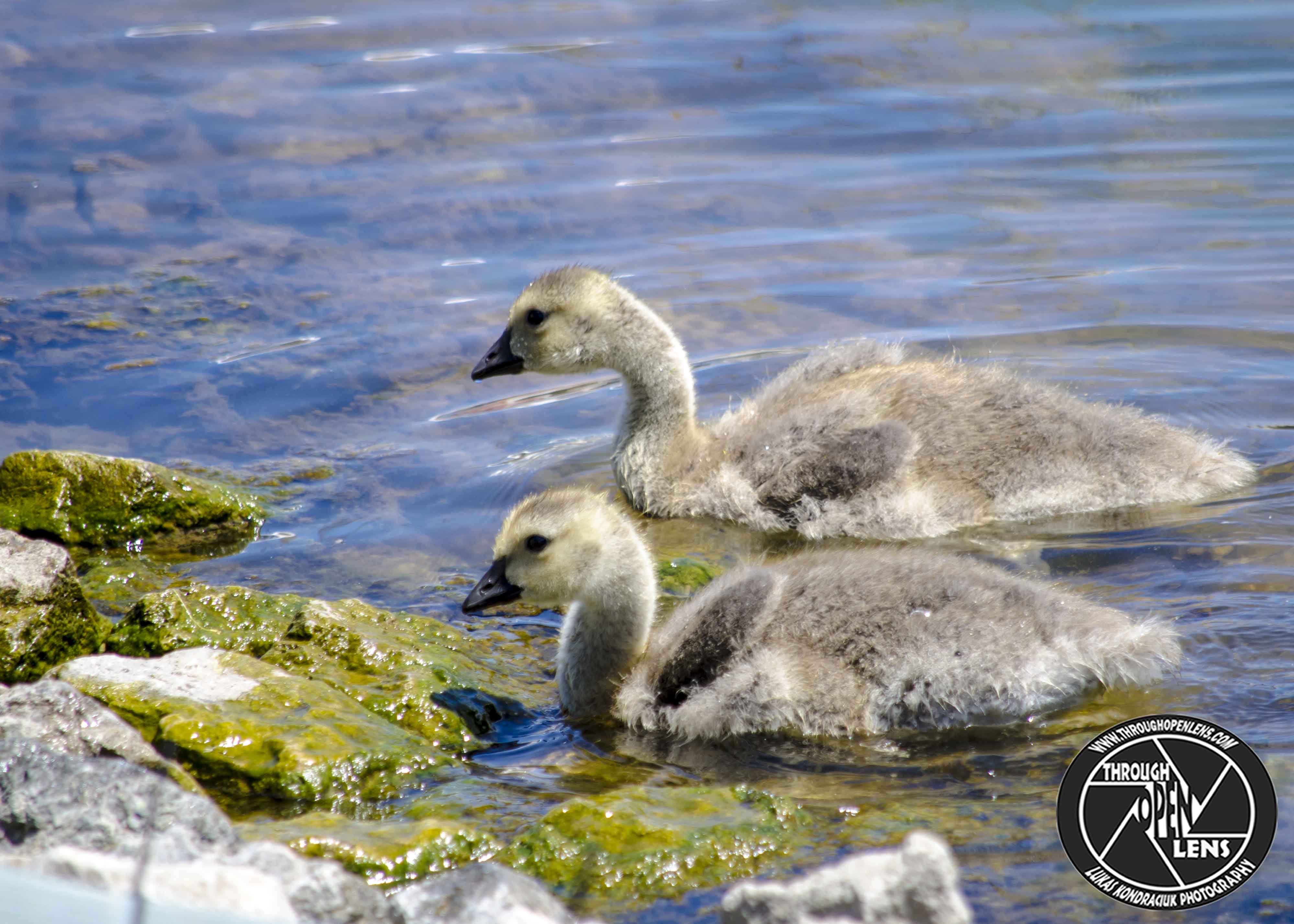
F/5.6, 1/320, ISO 100.

Canada Goose Goslings

What did the blanket say to the bed?

Don’t worry, I’ve got you covered!

Interesting Fact: Canada Geese eat grain from fields, graze on grass, and dabble in shallow water by tipping forward and extending their necks underwater. During much of the year they associate in large flocks, and many of these birds may be related to one another. They mate for life with very low “divorce rates,” and pairs remain together throughout the year. Geese mate “assortatively,” larger birds choosing larger mates and smaller ones choosing smaller mates; in a given pair, the male is usually larger than the female. Most Canada Geese do not breed until their fourth year; less than 10 percent breed as yearlings, and most pair bonds are unstable until birds are at least two or three years old. Extra-pair copulations have been documented. ( https://www.allaboutbirds.org/guide/Canada_Goose/lifehistory )

I Claim This Branch!

F/7.1, 1/200, ISO 200.

Eastern Phoebe 

Why can’t you take a nap during a race?

Because if you snooze, you loose!

Interesting Fact: The Eastern Phoebe is a loner, rarely coming in contact with other phoebes. Even members of a mated pair do not spend much time together. They may roost together early in pair formation, but even during egg laying the female frequently chases the male away from her. ( https://www.allaboutbirds.org/guide/Eastern_Phoebe/lifehistory )

Staring Contest, GO!

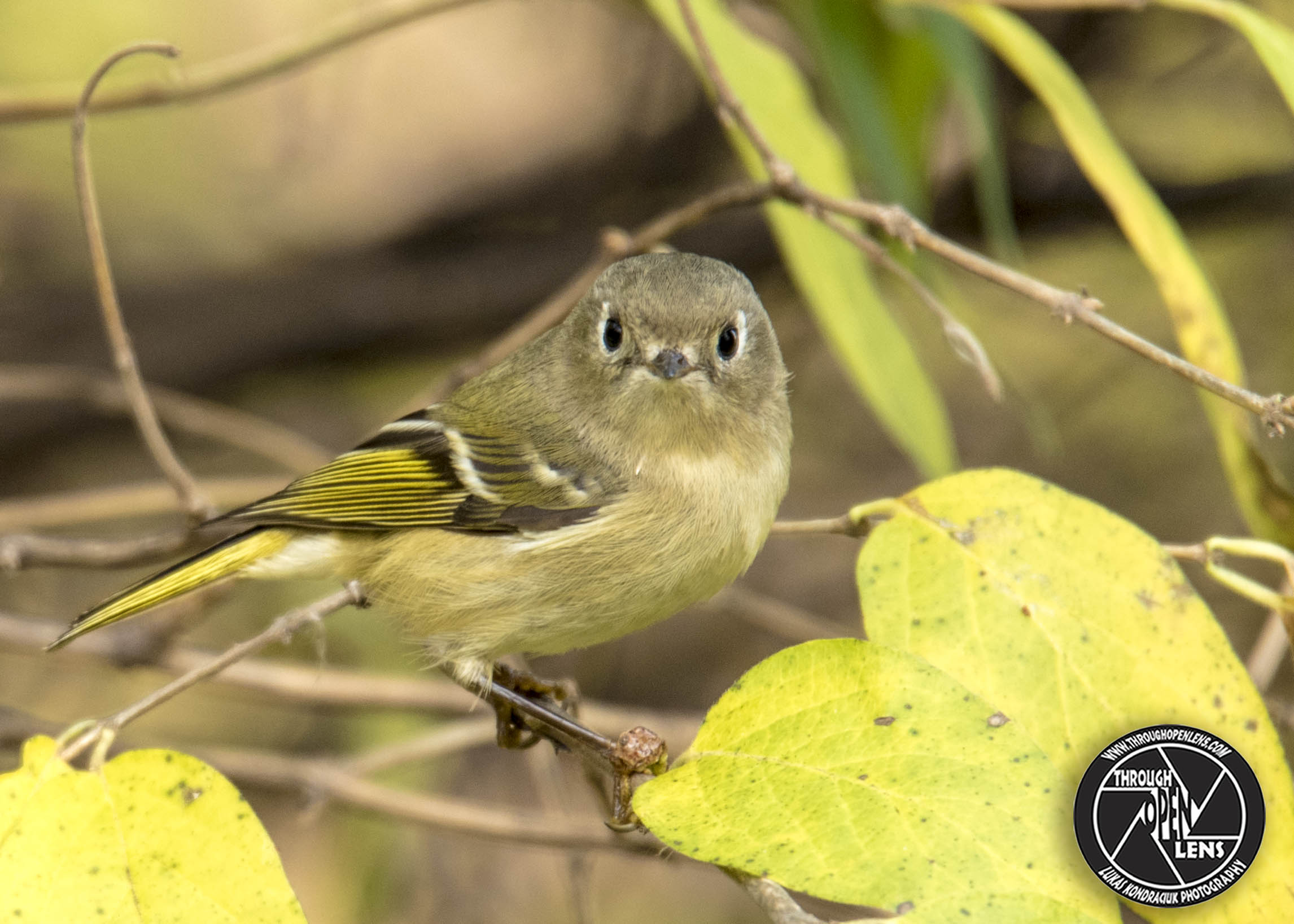
F/6.3, 1/125, ISO 320.

Ruby-crowned Kinglet

What did the candle say to the other candle?

I’m going out tonight.

Interesting Fact: Metabolic studies on Ruby-crowned Kinglets suggest that these tiny birds use only about 10 calories (technically, kilocalories) per day. ( https://www.allaboutbirds.org/guide/Ruby-crowned_Kinglet/lifehistory )

Oh Stop, You Making Me Blush!

F/6.3, 1/160, ISO 500.

House Finch

What did one hat say to another? 

You stay here, I’ll go on a head.

Interesting Fact: House Finches nest in a variety of deciduous and coniferous trees as well as on cactus and rock ledges. They also nest in or on buildings, using sites like vents, ledges, street lamps, ivy, and hanging planters. Occasionally House Finches use the abandoned nests of other birds. ( https://www.allaboutbirds.org/guide/House_Finch/lifehistory )

Holy Smokes Batman Your Zipper Is Down!

F/9.0, 1/320, ISO 250.

American Robin

What happens when Batman and Robin fight a steamroller?

They become Flatman and Ribbon.

Interesting Fact: Although robins are considered harbingers of spring, many American Robins spend the whole winter in their breeding range. But because they spend more time roosting in trees and less time in your yard, you’re much less likely to see them. The number of robins present in the northern parts of the range varies each year with the local conditions. ( https://www.allaboutbirds.org/guide/American_Robin/lifehistory )

You looking at me? Owl Do Something About It!

F/6.3, 1/50, ISO 400.

Great Horned Owlets

What do you call an owl get together?

A HOO-tenanny

Interesting Fact: When clenched, a Great Horned Owl’s strong talons require a force of 28 pounds to open. The owls use this deadly grip to sever the spine of large prey. ( https://www.allaboutbirds.org/guide/Great_Horned_Owl/lifehistory )