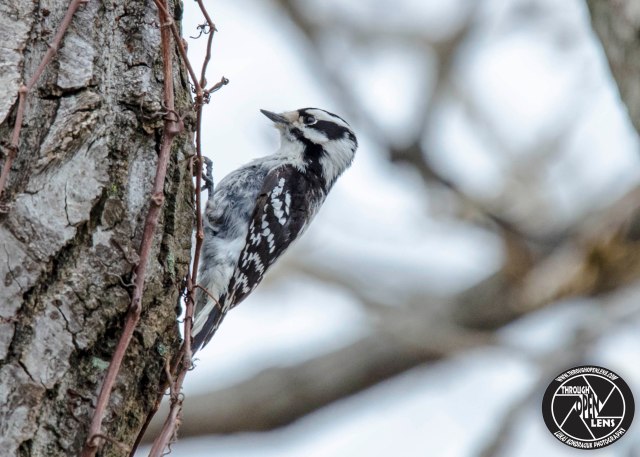
Daydreaming Again!

F/8.0, 1/250, ISO 160.

Hispaniolan Woodpecker

Bacon and eggs walk into a bar and order a beer,

the bartender says sorry, we don’t serve breakfast.

Interesting Fact: This woodpecker is quite vocal, emitting a range of sounds including yapping, squeaking, rolling and nasal calls. Drumming is done only occasionally. ( https://en.wikipedia.org/wiki/Hispaniolan_woodpecker )

Empty Nest? Celebrate it! You Are Now Free As A Bird!

F/8.0, 1/250, ISO 320.

Great Blue Heron

Why did the policeman smell bad?

He was on duty.

Interesting Fact: Great Blue Herons nest mainly in trees, but will also nest on the ground, on bushes, in mangroves, and on structures such as duck blinds, channel markers, or artificial nest platforms. Males arrive at the colony and settle on nest sites; from there, they court passing females. Colonies can consist of 500 or more individual nests, with multiple nests per tree built 100 or more feet off the ground. ( https://www.allaboutbirds.org/guide/Great_Blue_Heron/lifehistory )

Look, I Found Your Business…. It Was All Up In Mine Again!

F/7.1, 1/200, ISO 320.

Northern Cardinal ( Female )

How do you make a lemon drop?

Just let it fall.

Interesting Fact: Northern Cardinals eat mainly seeds and fruit, supplementing these with insects (and feeding nestlings mostly insects). Common fruits and seeds include dogwood, wild grape, buckwheat, grasses, sedges, mulberry, hackberry, blackberry, sumac, tulip-tree, and corn. Cardinals eat many kinds of birdseed, particularly black oil sunflower seed. They also eat beetles, crickets, katydids, leafhoppers, cicadas, flies, centipedes, spiders, butterflies, and moths. ( https://www.allaboutbirds.org/guide/Northern_Cardinal/lifehistory )

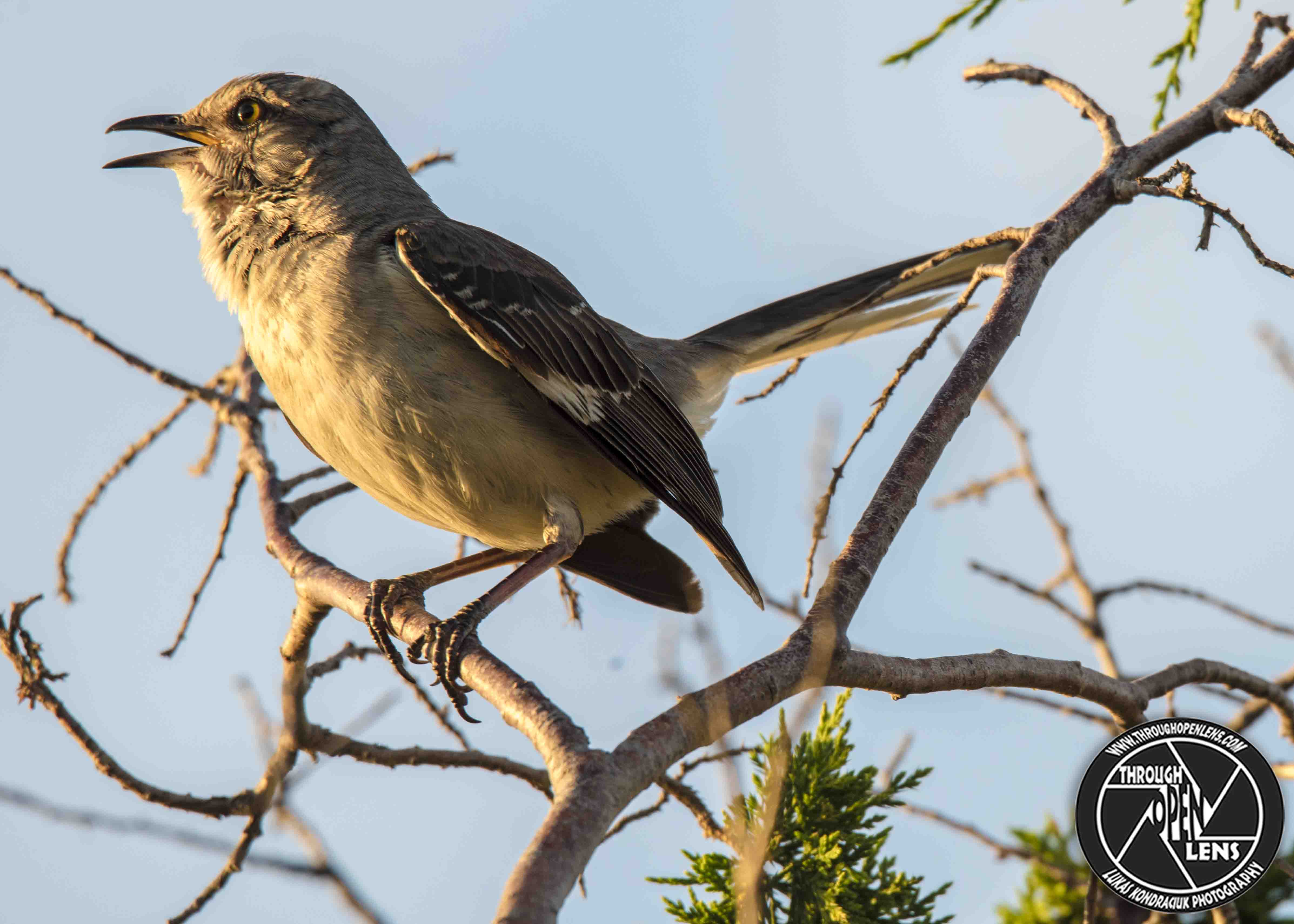
Are You Mocking Me?

F/9.0, 1/320, ISO 250.

Northern Mockingbird

What do you call a snowman in July?

A puddle.

Interesting Fact: It’s not just other mockingbirds that appreciate a good song. In the nineteenth century, people kept so many mockingbirds as cage birds that the birds nearly vanished from parts of the East Coast. People took nestlings out of nests or trapped adults and sold them in cities such as Philadelphia, St. Louis, and New York, where, in 1828, extraordinary singers could fetch as much as $50. ( https://www.allaboutbirds.org/guide/Northern_Mockingbird/lifehistory )

Come Hang Out With Me.

F/11.0, 1/500, ISO 320.

Red-Bellied Woodpecker

What did the triangle say to the circle?

Your pointless!

Interesting Fact: Nests in dead trees (hardwoods or pines), dead limbs of live trees, and fence posts. The same pair may nest in the same tree year after year, but typically excavate a new cavity each year, often placing the new one beneath the previous year’s.  ( https://www.allaboutbirds.org/guide/Red-bellied_Woodpecker/lifehistory )


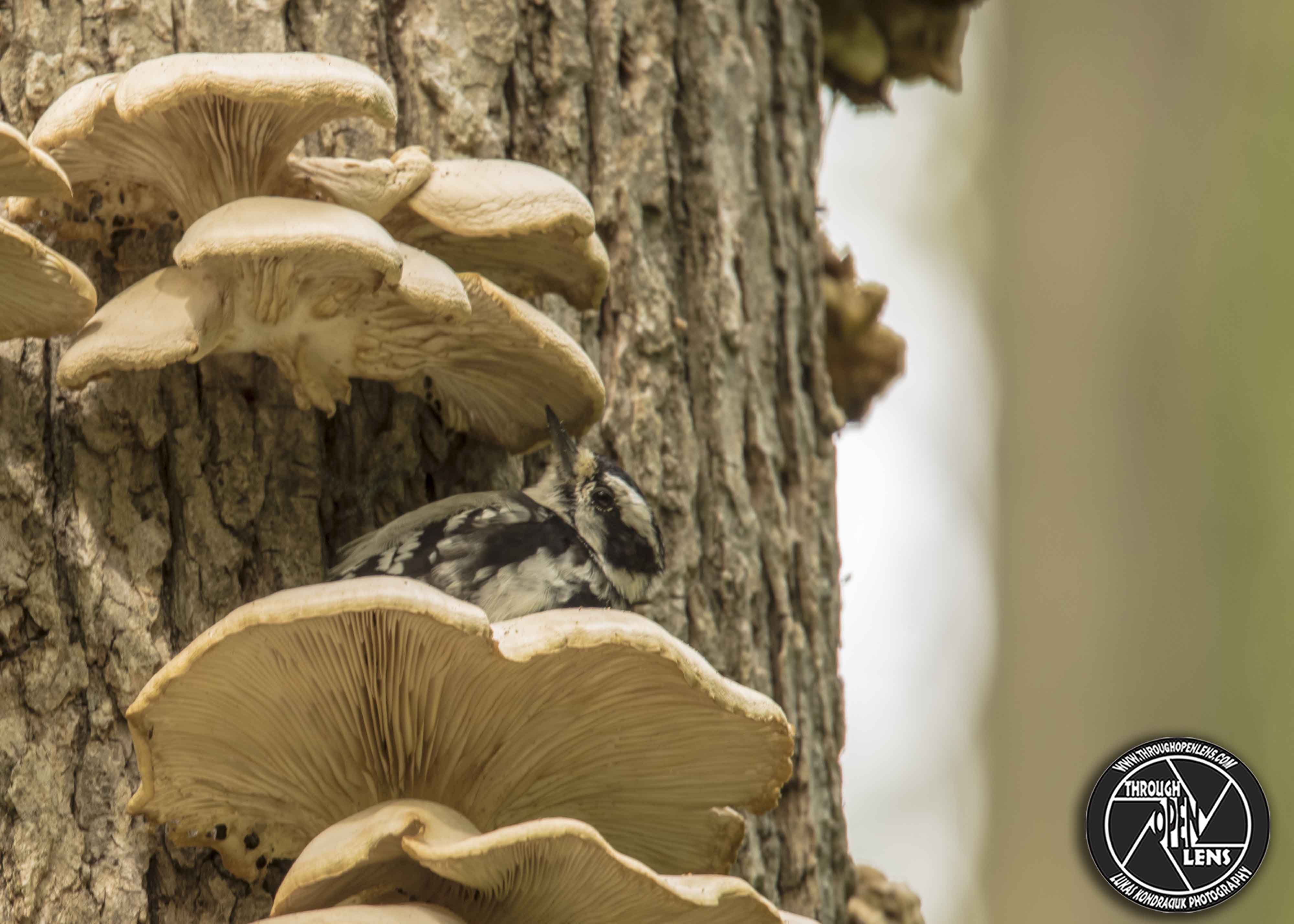
These Mushrooms Are Trippy!

F/6.3, 1/50, ISO 320.

Downy Woodpecker

“Doctor doctor I feel that Im a pack of card. What can I do ?”

Doctor: “I deal with you later.”

Interesting Fact: Downy Woodpeckers have the undulating flight pattern typical of many woodpecker species, alternating quick wingbeats with folding the wings against the body. When having a dispute with another bird, Downy Woodpeckers fan their tails, raise their head feathers, and jerk their beaks from side to side. In spring you may see courtship displays in which males and females fly between trees with slow, fluttering wingbeats that look almost butterfly-like. ( https://www.allaboutbirds.org/guide/Downy_Woodpecker/lifehistory )


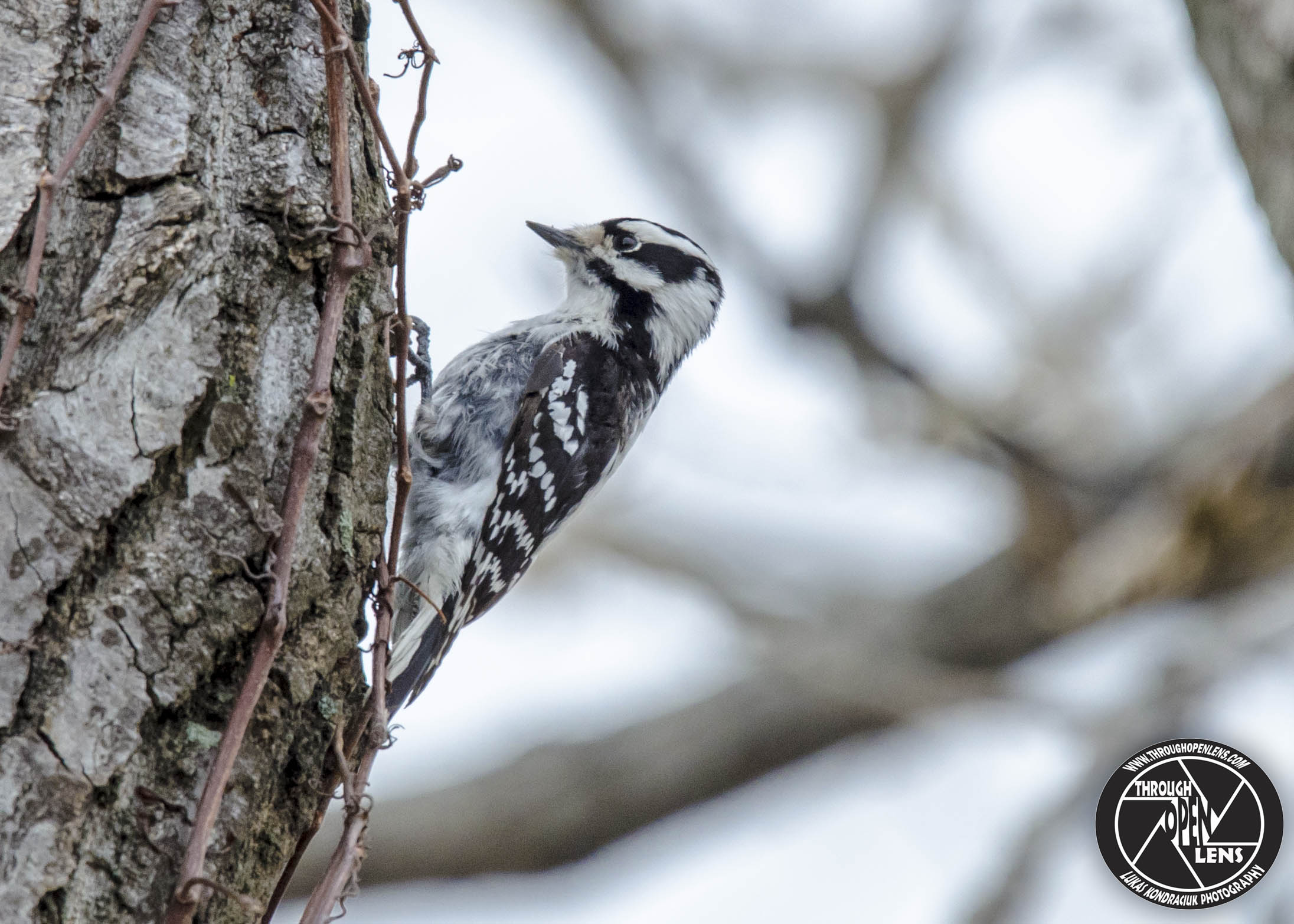
I Am In To Head Banging, What Music Do you Like?

downy-woodpecker-2

F/6.3, 1/1000, ISO 800.

Downy Woodpecker

There are three guys in a helicopter and they each get to choose what they want to throw out.

The first guys chooses an apple. So he takes an apple and throws it out.

The second guy chooses a brick. So he takes a brick and throws it out.

The third guy chooses a grenade. So he pulls the pin and throws it out.

They land a while later and are walking along when they find a man rubbing his head.

They ask, “What happened to you?”

He answers, “An apple hit me on the head.”

They’re walking along again and find a man lying unconscious on the ground.

They ask the cop, “What happened to him?”

He answers, “A brick hit him on the head.”

They’re walking again, when they find a man laughing hysterically.

They ask, “What happened to you?”

He answers, “I farted and the house blew up behind me!”

Interesting Fact: In winter Downy Woodpeckers are frequent members of mixed species flocks. Advantages of flocking include having to spend less time watching out for predators and better luck finding food from having other birds around. ( https://www.allaboutbirds.org/guide/Downy_Woodpecker/lifehistory )

Baby It’s Cold Outside!

F/8.0,1/250, ISO 400.

Northern Cardinal Male 

Why did Scrooge keep a pet lamb?

Because it would say, “Baaaaahh humbug!”

Interesting Fact: Look for Northern Cardinals in dense shrubby areas such as forest edges, overgrown fields, hedgerows, backyards, marshy thickets, mesquite, regrowing forest, and ornamental landscaping. Cardinals nest in dense foliage and look for conspicuous, fairly high perches for singing. Growth of towns and suburbs across eastern North America has helped the cardinal expand its range northward. ( https://www.allaboutbirds.org/guide/Northern_Cardinal/lifehistory )


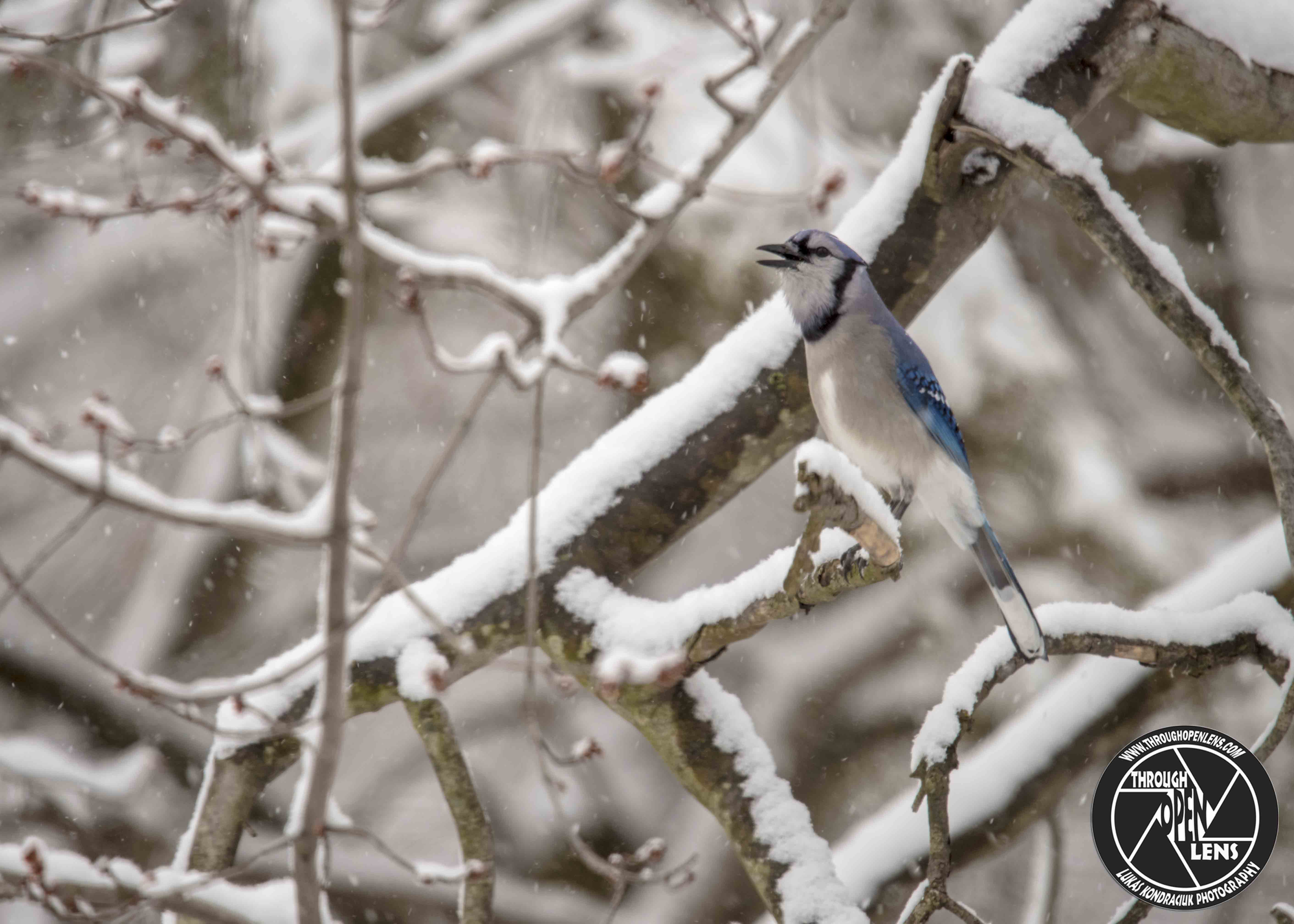
Let It Snow! Let It Snow! The Cold Never Bothered Me Anyway!

F/6.3, 1/160, ISO 400.

Blue Jay

Bobby went in to a pet shop.

He asked the employee, “Can I buy a goldfish?”

The employee: “Do you want an aquarium?”

Bobby: “I don’t care what star sign it is.”

Interesting Fact: Blue Jays are known to take and eat eggs and nestlings of other birds, but we don’t know how common this is. In an extensive study of Blue Jay feeding habits, only 1% of jays had evidence of eggs or birds in their stomachs. Most of their diet was composed of insects and nuts. (  https://www.allaboutbirds.org/guide/Blue_Jay )

With The New Day Comes New Strength And New Thoughts

F/11.0, 1/500, ISO 400.

Cedar Waxwing

What do you call a cow that eats your grass?

A lawn moo-er.

Interesting Fact: The name “waxwing” comes from the waxy red secretions found on the tips of the secondaries of some birds. The exact function of these tips is not known, but they may help attract mates. ( https://www.allaboutbirds.org/guide/Cedar_Waxwing/lifehistory )