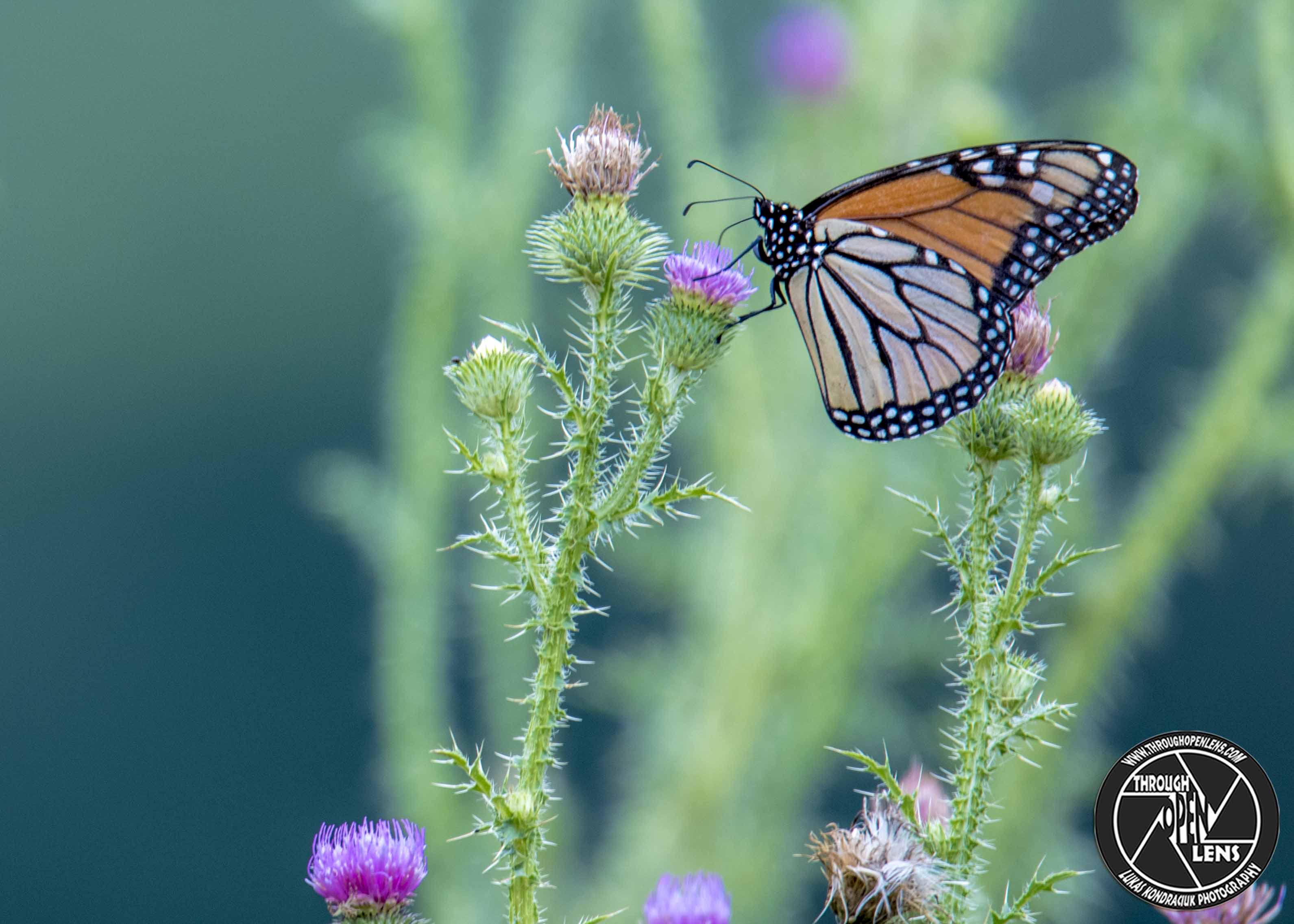
When Butterflies Fall In Love, Do They Feel Humans In Their Stomach?

F/6.3, 1/100, ISO 320.

Butterfly

What did the grape say when it was stepped on?

Nothing, it just let out a little wine.

Interesting Fact:  Butterflies are insects in the macrolepidopteranclade Rhopalocera from the orderLepidoptera, which also includes moths. Adult butterflies have large, often brightly coloured wings, and conspicuous, fluttering flight. The group comprises the large superfamilyPapilionoidea, which contains at least one former group, the skippers (formerly the superfamily “Hesperioidea”) and the most recent analyses suggest it also contains the moth-butterflies (formerly the superfamily “Hedyloidea”). Butterfly fossils date to the Paleocene, which was about 56 million years ago.  ( https://en.wikipedia.org/wiki/Butterfly )

Wazzaap!

F/6.3, 1/145, ISO640.

Turkey Vulture ( Juvenile )

Why are hairdressers never late for work?

Because they know all the short cuts!

Interesting Fact: Outside of the breeding season, Turkey Vultures form roosts of dozens to a hundred individuals. When Turkey Vultures court, pairs perform a “follow flight” display where one bird leads the other through twisting, turning, and flapping flights for a minute or so, repeated over periods as long as 3 hours. Migrating flocks can number in the thousands. At carcasses, several Turkey Vultures may gather but typically only one feeds at a time, chasing the others off and making them wait their turn. Despite their size, Turkey Vultures are often driven off by smaller Black Vultures, Crested Caracaras, Zone-tailed Hawks, and other species. ( https://www.allaboutbirds.org/guide/Turkey_Vulture/lifehistory )

I Am On A Seafood Diet. I See Food, And I Eat It.

F/ 6.3, 1/80, ISO 640.

Turkey Vulture

Two vultures are in a field, eating a dead clown.

One vulture says to the other, “Does this taste funny to you?”

Interesting Fact:  Turkey Vultures nest in rock crevices, caves, ledges, thickets, mammal burrows and hollow logs, fallen trees, abandoned hawk or heron nests, and abandoned buildings. These nest sites are typically much cooler (by 13°F or more) than surroundings, and isolated from human traffic or disturbance. While they often feed near humans, Turkey Vultures prefer to nest far away from civilization. ( https://www.allaboutbirds.org/guide/Turkey_Vulture/lifehistory )

Do We Have A Problem Here!

F/6.3, 1/640, ISO800.

American Black Duck

What says “Quick, Quick”?

A duck with the hiccups.

Interesting Fact: If a mother is killed or separated from her brood, another Black Duck with ducklings of her own, regardless of their age, will quickly adopt the orphans. ( http://identify.whatbird.com/obj/392/_/American_Black_Duck.aspx )

Chill The Fox Out!

F/6.3, 1/40, ISO 500.

Red Fox

Why did the man lose his job at the orange juice factory?

He couldn’t concentrate!

Interesting Fact: In winter, foxes meet to mate. The vixen (female) typically gives birth to a litter of 2 to 12 pups. At birth, red foxes are actually brown or gray. A new red coat usually grows in by the end of the first month, but some red foxes are golden, reddish-brown, silver, or even black. Both parents care for their young through the summer before they are able to strike out on their own in the fall. ( https://www.nationalgeographic.com/animals/mammals/r/red-fox/ )

Let Me Sing You A Song!

F/6.3, 1/640, ISO 100.

Northern Mockingbird

What’s a monsters favorite desert?

I-Scream!

Interesting Fact: Northern Mockingbirds continue to add new sounds to their repertoires throughout their lives. A male may learn around 200 songs throughout its life. ( https://www.allaboutbirds.org/guide/Northern_Mockingbird/lifehistory )

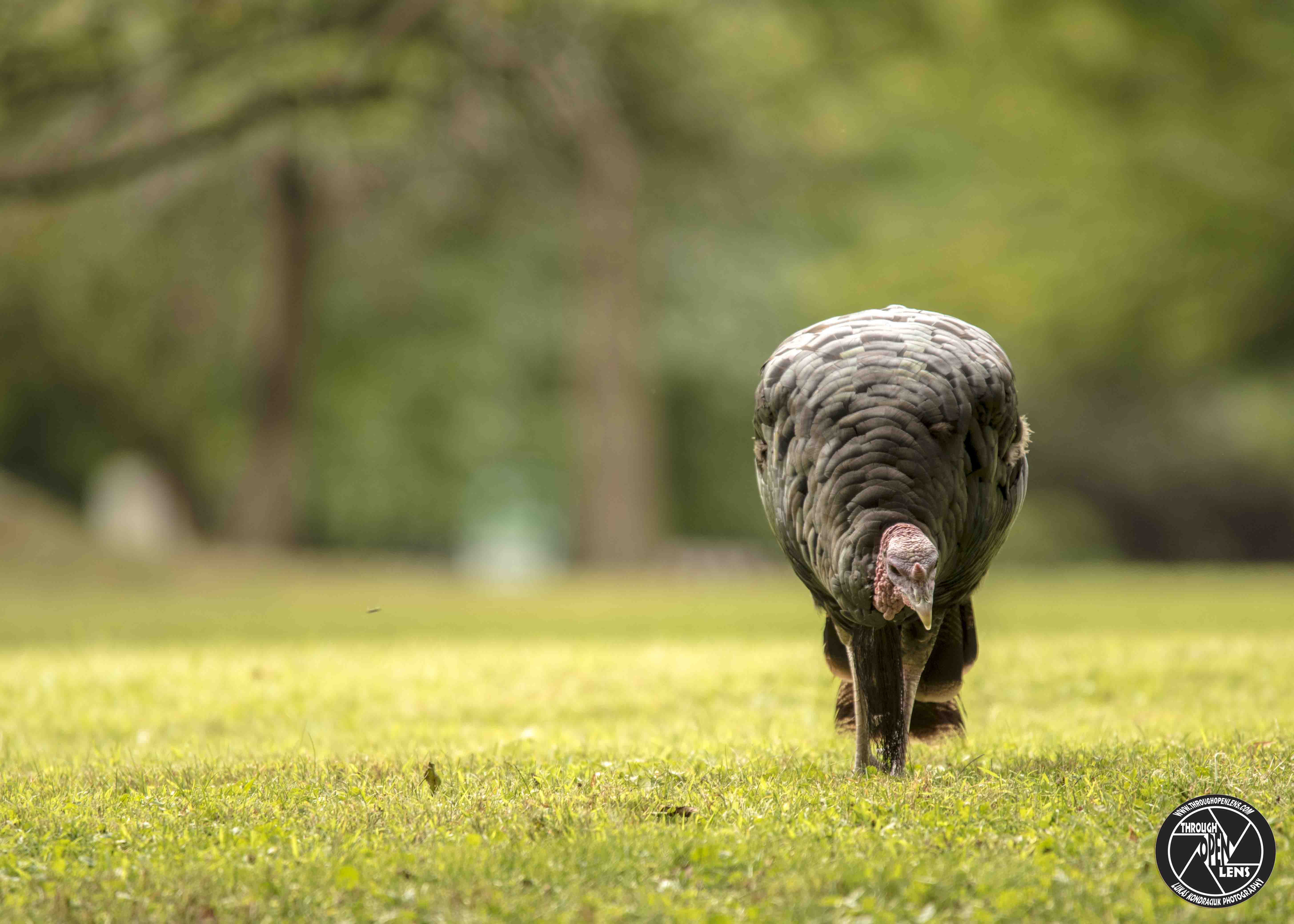
I Am Not A Patient Person

F/7.1, 1/160, ISO 320.

Wild Turkey 

How do you make an egg laugh?

Tell it a yolk.

Interesting Fact: Despite their weight, wild turkeys, unlike their domesticated counterparts, are agile, fast fliers. In ideal habitat of open woodland or wooded grasslands,[20] they may fly beneath the canopy top and find perches. They usually fly close to the ground for no more than 400 m (a quarter mile). ( https://en.wikipedia.org/wiki/Wild_turkey )


Next Time I Am Wearing Green!

F/6.3, 1/ 160, ISO 320.

Chipping Sparrow

How do farmers party?

They turnip the beets.

Interesting Fact: The early naturalists had a gift for description you just don’t see anymore. In 1929, Edward Forbush called the Chipping Sparrow “the little brown-capped pensioner of the dooryard and lawn, that comes about farmhouse doors to glean crumbs shaken from the tablecloth by thrifty housewives.” ( https://www.allaboutbirds.org/guide/Chipping_Sparrow/lifehistory )

I Enjoy Long Romantic Walks To The Fridge.

F/6.3, 1/100, ISO 250.

Wild Turkey

What did the lawyer name his daughter?

Sue.

Interesting Fact: The English name of the bird may be a holdover from early shipping routes that passed through the country of Turkey on their way to delivering the birds to European markets. ( https://www.allaboutbirds.org/guide/Wild_Turkey/lifehistory )

Be Cool Honey Bunny!

F/6.3, 1/160, ISO 250.

Eastern Cottontail Rabbit

What did the salad say when the cabbage interrupted their meal?

Lettuce alone!

Interesting Fact: The cottontail prefers an area where it can hide quickly but be out in the open. Forests, swamps, thickets, bushes, or open areas where shelter is close by are optimal habitation sites for this species.  ( https://en.wikipedia.org/wiki/Eastern_cottontail )