Mine! Mine! Mine! Mine! Mine! Mine!

ring-billed-gulls

F/5.6, 1/320, ISO 400.

Ring-billed Gull             

What do you call a man with seagull on his head?

Cliff

Interesting Fact: Migrating Ring-billed Gulls apparently use a built-in compass to navigate. When tested at only two days of age, chicks showed a preference for magnetic bearings that would take them in the appropriate direction for their fall migration. The gulls also rely on landmarks and high-altitude winds to provide directional cues.  ( https://www.allaboutbirds.org/guide/Ring-billed_Gull/lifehistory )

You Give Me Goosebumps!

F/6.3, 1/640, ISO 160.

Greylag goose

What concert costs 45 cents?

50 Cent featuring Nickleback.

Interesting Fact: Greylag geese are gregarious birds and form flocks. This has the advantage for the birds that the vigilance of some individuals in the group allows the rest to feed without having to constantly be alert to the approach of predators. After the eggs hatch, some grouping of families occur, enabling the geese to defend their young by their joint actions, such as mobbing or attacking predators.[17] After driving off a predator, a gander will return to its mate and give a “triumph call”, a resonant honk followed by a low-pitched cackle, uttered with neck extended forward parallel with the ground. The mate and even unfledged young reciprocate in kind. ( https://en.wikipedia.org/wiki/Greylag_goose#Behaviour   )

Eat My Shorts, Dude!

F/7.1, 1/200, ISO 320.

Common Grackle 

Why do golfers wear two pairs of pants?

In case they get a hole in one!

Interesting Fact: Grackles have a hard keel on the inside of the upper mandible that they use for sawing open acorns. Typically they score the outside of the narrow end, then bite the acorn open. ( https://www.allaboutbirds.org/guide/Common_Grackle/lifehistory )

Bottoms Up!

F/9.0, 1/320, ISO 250.

Killdeer

What did the apple tree say to the farmer?

STOP PICKING ON ME!

Interesting Fact:  The male and female of a mated pair pick out a nesting site through a ritual known as a scrape ceremony. The male lowers his breast to the ground and scrapes a shallow depression with his feet. The female then approaches, head lowered, and takes his place. The male then stands with body tilted slightly forward, tail raised and spread, calling rapidly. Mating often follows. ( https://www.allaboutbirds.org/guide/Killdeer )

Always Stretch Before Swimming!

F/11.0, 1/500, ISO 500.

Ruddy Duck

What is crazy and walks along the sides of buildings?

A walnut.

Interesting Fact: Ruddy Ducks are very aggressive toward each other and toward other species, especially during the breeding season. Unlike most ducks, they form pairs only after arriving on the breeding grounds each year. ( https://www.allaboutbirds.org/guide/Ruddy_Duck/lifehistory )

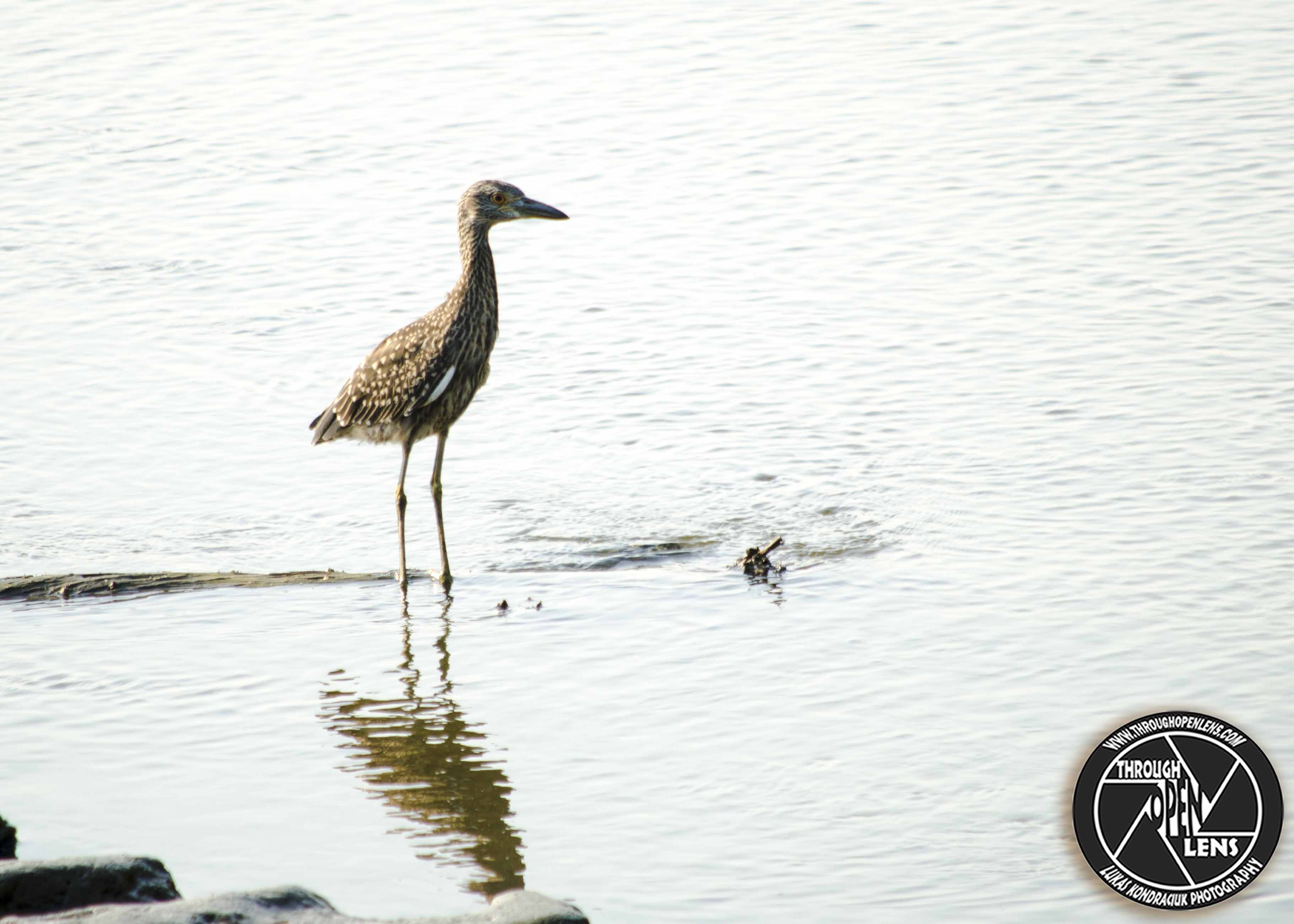
This Water Is Freezing!!!

F/5.6, 1/500, ISO 100.

Yellow-crowned Night-Heron ( Juvenile )

Why did the boy eat his homework?

Because his teacher said it was a piece of cake!

Interesting Fact: Yellow-crowned Night-Herons forage both during the day and at night—in coastal areas the tide can trump the time of day: most foraging occurs from 3 hours before high tide to 3 hours after. ( https://www.allaboutbirds.org/guide/Yellow-crowned_Night-Heron/lifehistory )


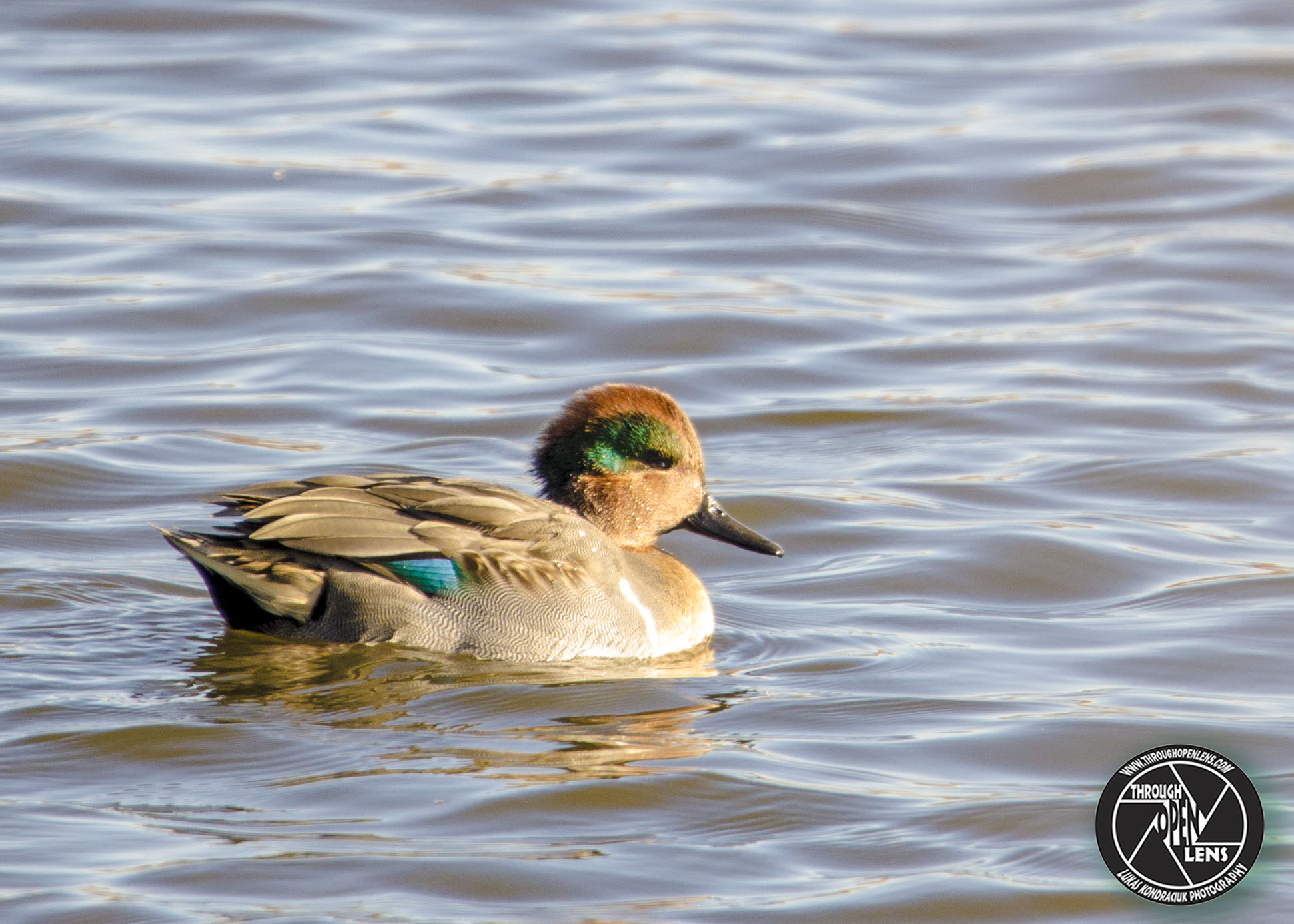
Be Like A Duck And QUACK!

F/6.3, 1/400, ISO 400.

Green-Winged Teal

How do you make a tissue dance?

Put a little boogie in it.

Interesting Fact: The Aleutian Islands of Alaska support their own race of Green-winged Teal, Anas crecca nimia. Unlike other Green-winged Teal populations, this race doesn’t migrate. In winter the birds move from summering sites on ponds and lakes to the islands’ beaches, where they forage in tide pools and on shallow-water reefs. ( https://www.allaboutbirds.org/guide/Green-winged_Teal/lifehistory )

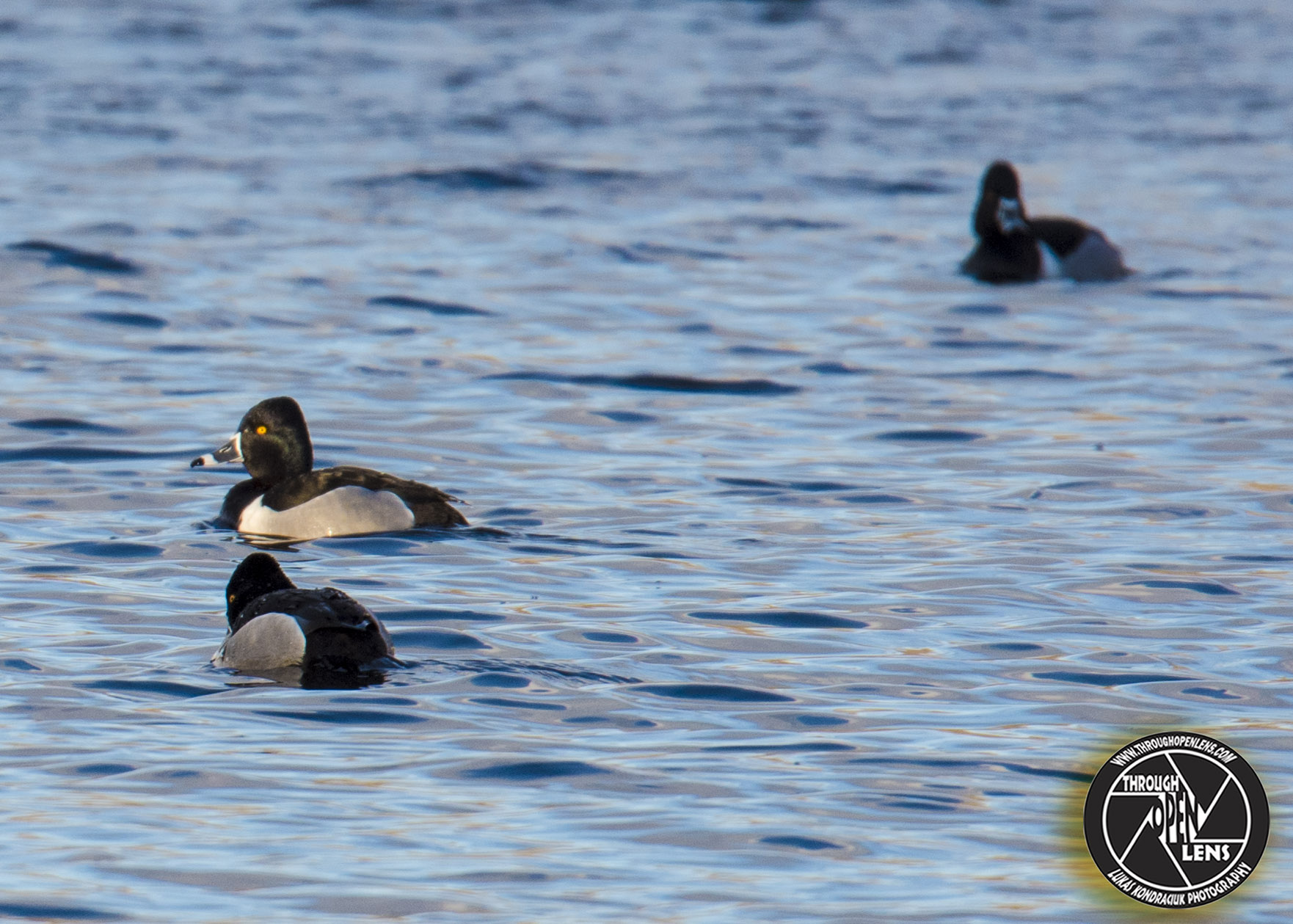
I Quack You Quack We Quack Together

F/10.0, 1/400, ISO 320.

Ring-necked Ducks

Why did the old woman put roller skates on her rocking chair?

Because she wanted to rock and roll.

Interesting Fact: This bird’s common name (and its scientific name “collaris,” too) refer to the Ring-necked Duck’s hard-to-see chestnut collar on its black neck. It’s not a good field mark to use for identifying the bird, but it jumped out to the nineteenth century biologists that described the species using dead specimens.  ( https://www.allaboutbirds.org/guide/Ring-necked_Duck/lifehistory )


Your Worries Will Float Away

gadwall

F/6.3,1/250, ISO 400.

Gadwall

Why are bad school grades like a shipwreck in the Arctic Ocean?

They’re both below C level!

Interesting Fact: Gadwall have increased in numbers since the 1980s, partly because of conservation of wetlands and adjacent uplands in their breeding habitat through the Conservation Reserve Program and the North American Waterfowl Management Plan. Their habit of nesting on islands within marshes gives them some protection from predators. ( https://www.allaboutbirds.org/guide/Gadwall/lifehistory )

Is Yellow Really The Color For Me?!

savannah-sparrow

F/10.0, 1/400, ISO 500.

Savannah Sparrow   

What can you catch but not in your hands?

A cold!

Interesting Fact: In many parts of the species’ range, especially in coastal areas and islands, Savannah Sparrows tend very strongly to return each year to the area where they hatched. This tendency, called natal philopatry, is the driving force for differentiation of numerous Savannah Sparrow subspecies. ( https://www.allaboutbirds.org/guide/Savannah_Sparrow/lifehistory )