My Life Is So Much More Interesting Inside My Head

F/10.0, 1/400, ISO 400.

Ruby-crowned Kinglet

Four high school boys afflicted with spring fever skipped morning classes. After lunch they reported to the teacher that they had a flat tire.

Much to their relief she smiled and said, “Well, you missed a test today so take seats apart from one another and take out a piece of paper.”

Still smiling, she waited for them to sit down. Then she said: “First Question: Which tire was flat?”

Interesting Fact: Ruby-crowned Kinglets breed across far northern North America as well as the western mountains. Most migrate to the southern and southwestern United States and Mexico for the winter—but some mountain populations in the West simply move to lower elevations during the cold months. ( https://www.allaboutbirds.org/guide/Ruby-crowned_Kinglet/maps-range )

They Were Born To Fly And Touch The Sky

F/13.0, 1/640, ISO 400.

Semipalmated Sandpipers

What is a bunny’s favorite music?

Hip-hop.

Interesting Fact: The Semipalmated Sandpiper gets its common name from the short webs between its toes (“palmated” means webbed). The Western Sandpiper is the only other small sandpiper with similarly webbed toes. ( https://www.allaboutbirds.org/guide/Semipalmated_Sandpiper/lifehistory )

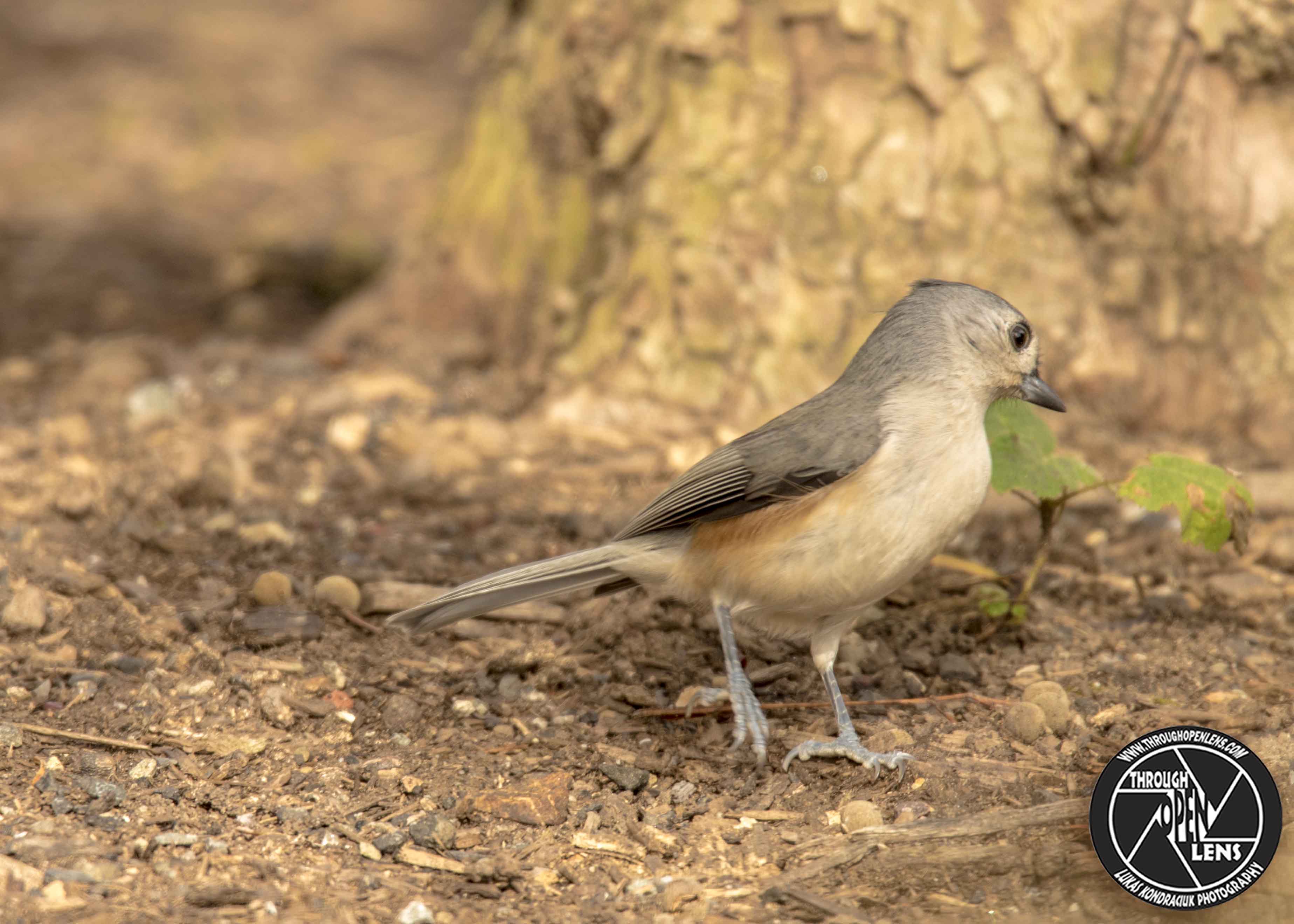
Well…, I Don’t Believe You!

F/7.1, 1/200, ISO 320.

Tufted Titmouse

A tourist was being led through the swamps of Florida.

“Is it true,” he asked, “that an alligator won’t attack you if you carry a flashlight?”

“That depends,” replied the guide, “on how fast you carry the flashlight.”

Interesting Fact: The oldest known wild Tufted Titmouse was at least 13 years, 3 months old. It was banded in Virginia in 1962, and found in the same state in 1974. ( https://www.allaboutbirds.org/guide/Tufted_Titmouse/lifehistory )

I Don’t Stalk. I Investigate!

F/7.1, 1/200, ISO 320.

Black-and-white Warbler 

What do you call a guy who never farts in public?

A private tutor.

Interesting Fact: The Black-and-white Warbler is the only member of the genus Mniotilta. The genus name means “moss-plucking,” a reference to its habit of probing bark and moss for insects.  ( https://www.allaboutbirds.org/guide/Black-and-white_Warbler )

Flap Your Wings Like Bird!

F/6.3, 1/500, ISO 1000.

Golden-crowned Kinglet

Two fish are in a tank.

One turns to the other and says, “Hey, do you know how to drive this thing?”

Interesting Fact: Although it used to nest almost exclusively in boreal spruce-fir forests, the Golden-crowned Kinglet has been expanding its breeding range southward into conifer stands of the Midwest and Appalachians. ( https://www.allaboutbirds.org/guide/Golden-crowned_Kinglet/lifehistory )

You Are My Sunshine

F/7.1, 1/200, ISO 320.

Palm Warbler

Why didn’t the sailors play cards?

Because the captain was on the deck.

Interesting Fact: Canada’s boreal forests stretch for miles and miles. The great boreal forest, often called “North America’s bird nursery,” is the summer home to billions of migratory birds and an estimated 98% of all Palm Warblers. ( https://www.allaboutbirds.org/guide/Palm_Warbler )

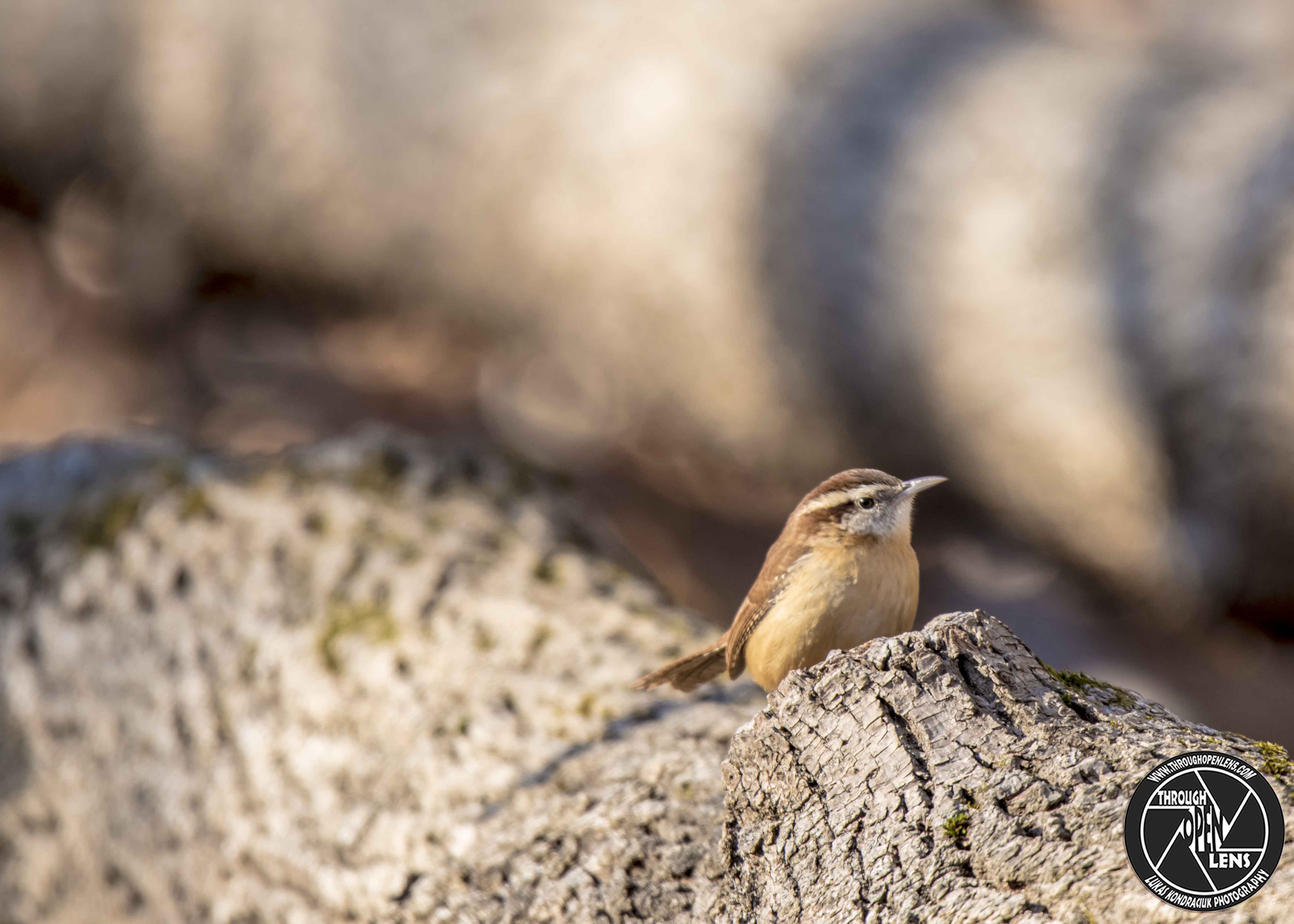
I Am As Low As Your Lowrider!

F/9.0, 1/320, ISO 250.

Carolina Wren 

How do you drown a Hipster?

In the mainstream.

Interesting Fact: They are known to build multiple nests to confuse predators. ( http://identify.whatbird.com/obj/677/overview/Carolina_Wren.aspx )


Here I Am Rock You Like A Hurricane!

F/8.0, 1/125, ISO 400.

Carolina Wren

What did one autumn leaf say to the other?

I’m falling for you.

Interesting Fact: They climb up vines, trunks, and branches, poking into squirrel nests and probing nooks and crannies in search of insects. Carolina Wrens use their curved bills to turn over decaying vegetation and to hammer and shake apart large bugs. They roost in bird boxes, abandoned hornet nests, hanging plants, garages, barns, old nests, and other shelters. A weak flyer, this wren makes brief, quick aerial forays over short distances. Pairs stay bonded year-round, with no vacation from singing or defending territory. ( https://www.allaboutbirds.org/guide/Carolina_Wren/lifehistory )

Don’t Look Back With Regret, Look Foward With Hope.

F/10.0, 1/400, ISO 160.

Black-capped Chickadee

What do you call a gorilla wearing ear-muffs?

Anything you like! He can’t hear you!

Interesting Fact: There is a dominance hierarchy within flocks. Some birds are “winter floaters” that don’t belong to a single flock—these individuals may have a different rank within each flock they spend time in. ( https://www.allaboutbirds.org/guide/Black-capped_Chickadee/lifehistory

Music Helps Me Escape From The Reality I Live In

F/6.3, 1/320, ISO 400.

Song Sparrow

What did the Mummy movie director say when the final scene was done?

Ok, that’s a wrap.

Interesting Fact:  Some scientists think that Song Sparrows of wet, coastal areas have darker plumage as a defense against feather mites and other decay agents that thrive in humid climates. The darker plumage contains more of a pigment called melanin, which makes feathers tougher and harder to degrade than lighter, unpigmented feathers. ( https://www.allaboutbirds.org/guide/Song_Sparrow/lifehistory )