Don’t Look At My Hole!

F/9.0, 1/320, ISO 160.

Hispaniolan Woodpecker

Why aren’t there any shark puppeteers?

They have no hands!

Interesting Fact: This woodpecker forages in small noisy groups; the diet is varied and includes insects, spiders, scorpions, lizards, fruit, seeds, grain and sap. It can catch flying insects on the wing, and larger food items are bashed on an “anvil” to break them up. ( https://en.wikipedia.org/wiki/Hispaniolan_woodpecker )

When Your Past Calls Don’t Answer. It Has Noting New To Say.

F/8.0, 1/250, ISO 400.

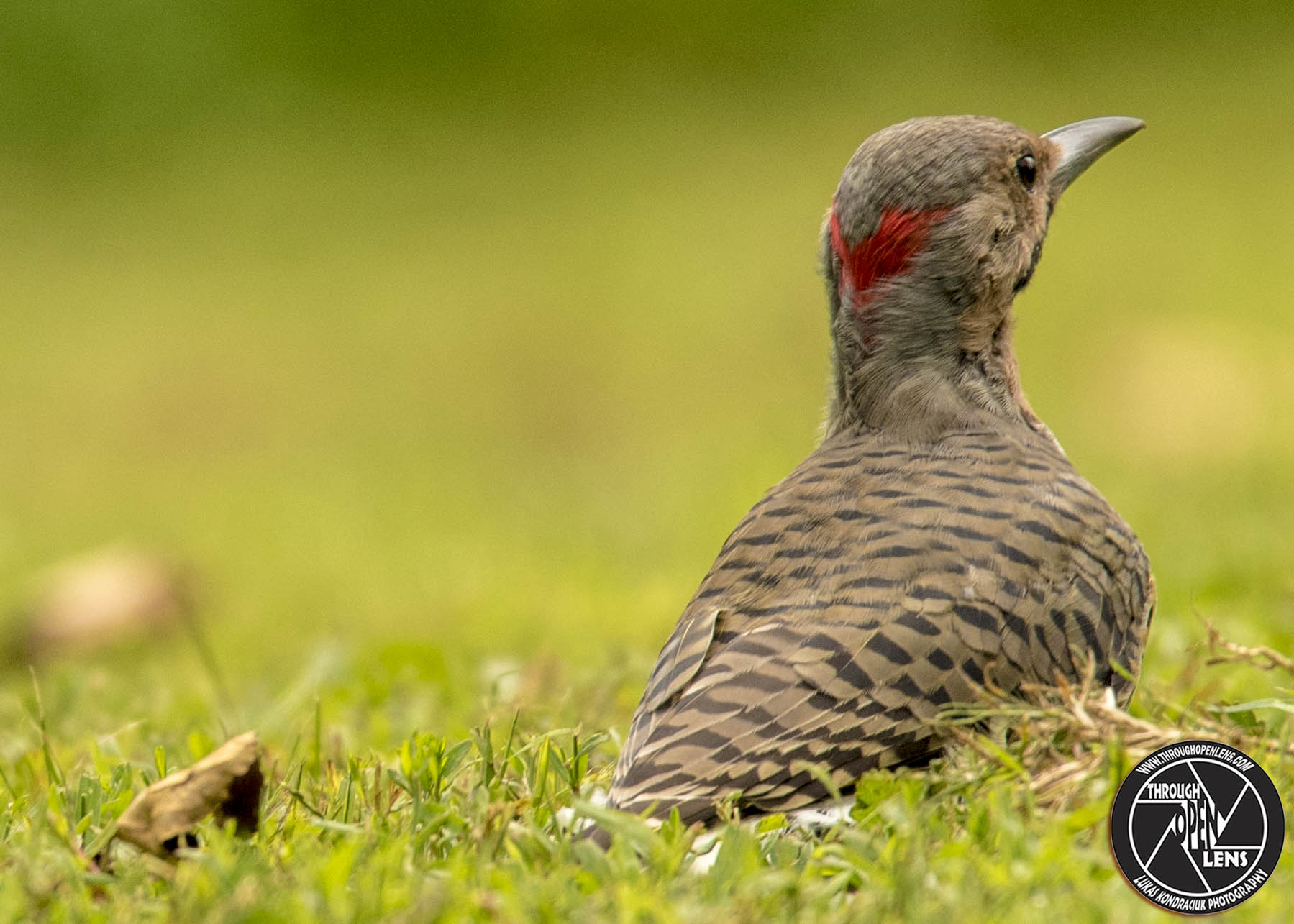
Northern Flicker

What do you call a bear with no socks on?

Bare-foot.

Interesting Fact: Northern Flickers generally nest in holes in trees like other woodpeckers. Occasionally, they’ve been found nesting in old, earthen burrows vacated by Belted Kingfishers or Bank Swallows. ( https://www.allaboutbirds.org/guide/Northern_Flicker )

Let Me Give You The Skinney

F/7.1, 1/200, ISO 200.

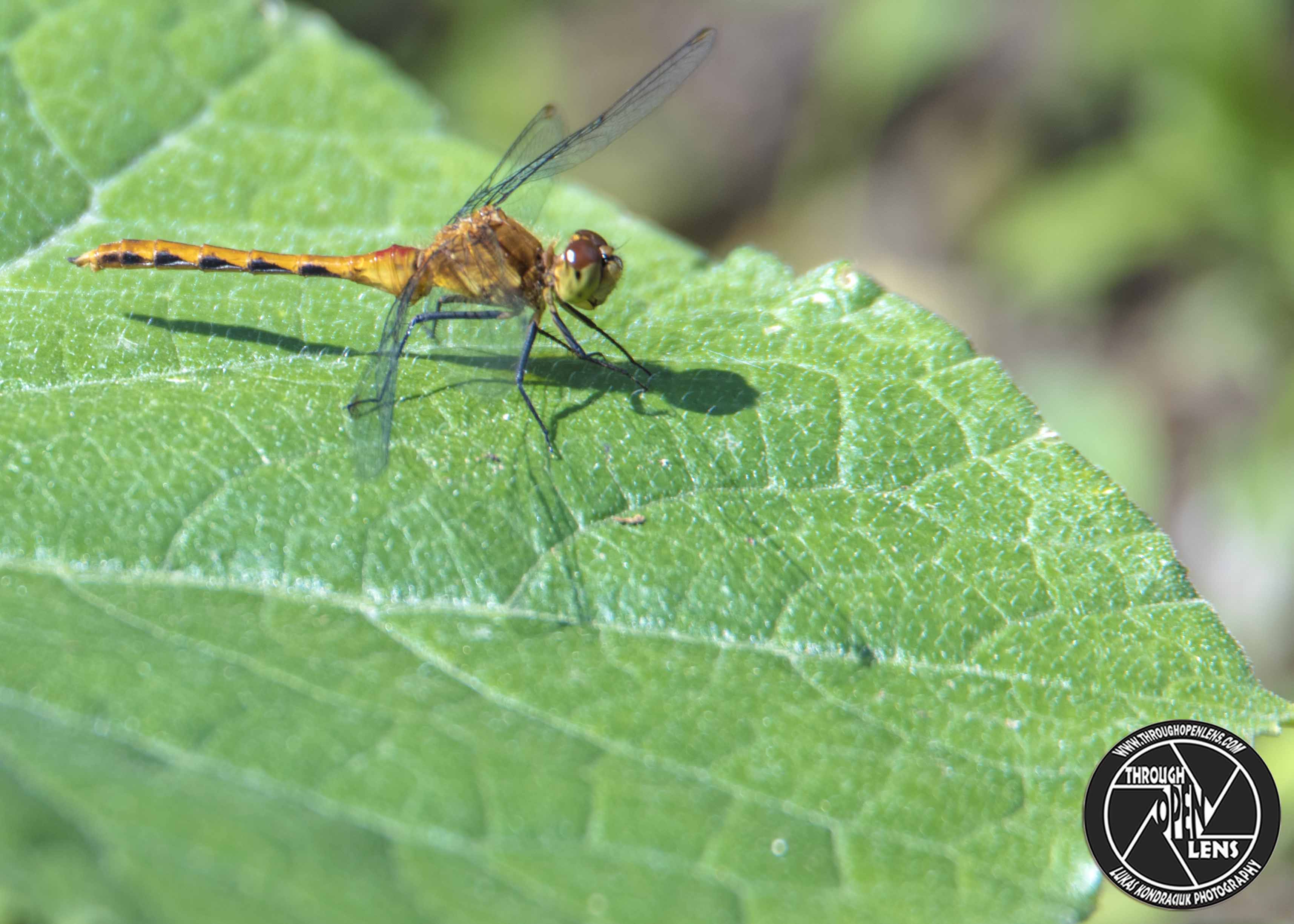
Dragonfly

What do you get when you cross a parrot with a shark?

An animal that talks your head off.

Interesting Fact: Old and unreliable claims are made that dragonflies such as the southern giant darner can fly up to 60 miles per hour (97 km/h).[50] However, the greatest reliable flight speed records are for other types of insects.[51] In general, large dragonflies like the hawkers have a maximum speed of 10–15 metres per second (22–34 mph) with average cruising speed of about 4.5 metres per second (10 mph).[52] Dragonflies can fly at 100 body-lengths per second, and three lengths per second backwards. ( https://en.wikipedia.org/wiki/Dragonfly#Flight )

Stay Out Of My Territory!

F/10.0, 1/400, ISO 250.

Marsh Wren

What animal has the best sense of time?

A Watchdog!

Interesting Fact: The secret life of the Marsh Wren plays out under the cover of reeds. Here, males routinely mate with 2 or more females and build at least 6 dummy nests for every female they mate with. One male built 22 nests on his territory. ( https://www.allaboutbirds.org/guide/Marsh_Wren

Be Yourself Because An Original Is Worht More Then A Copy!

F/10.0, 1/400, ISO 160.

White-winged Dove

What kind of candy do zombies refuse to eat?

LIFE Savers!

Interesting Fact: Like other doves and pigeons, White-winged Doves have some unusual abilities. They can suck and swallow water without moving their heads. And they use a secretion from the esophagus, known as crop milk, to feed nestlings. Both parents may consume snails and bone fragments to help their bodies create the nutritious fluid. ( https://www.allaboutbirds.org/guide/White-winged_Dove )

We Are Looking At You!

F/9.0, 1/320, ISO 250.

Semipalmated Sandpipers

What never asks questions but receives a lot of answers?

The Telephone.

Interesting Fact: The oldest recorded Semipalmated Sandpiper was at least 14 years, 2 months old when it was recaptured and rereleased during banding operations in New Brunswick. ( https://www.allaboutbirds.org/guide/Semipalmated_Sandpiper/overview )

I’m Not Mean. You’re Just A Sissy!

F/7.1, 1/200, ISO 250.

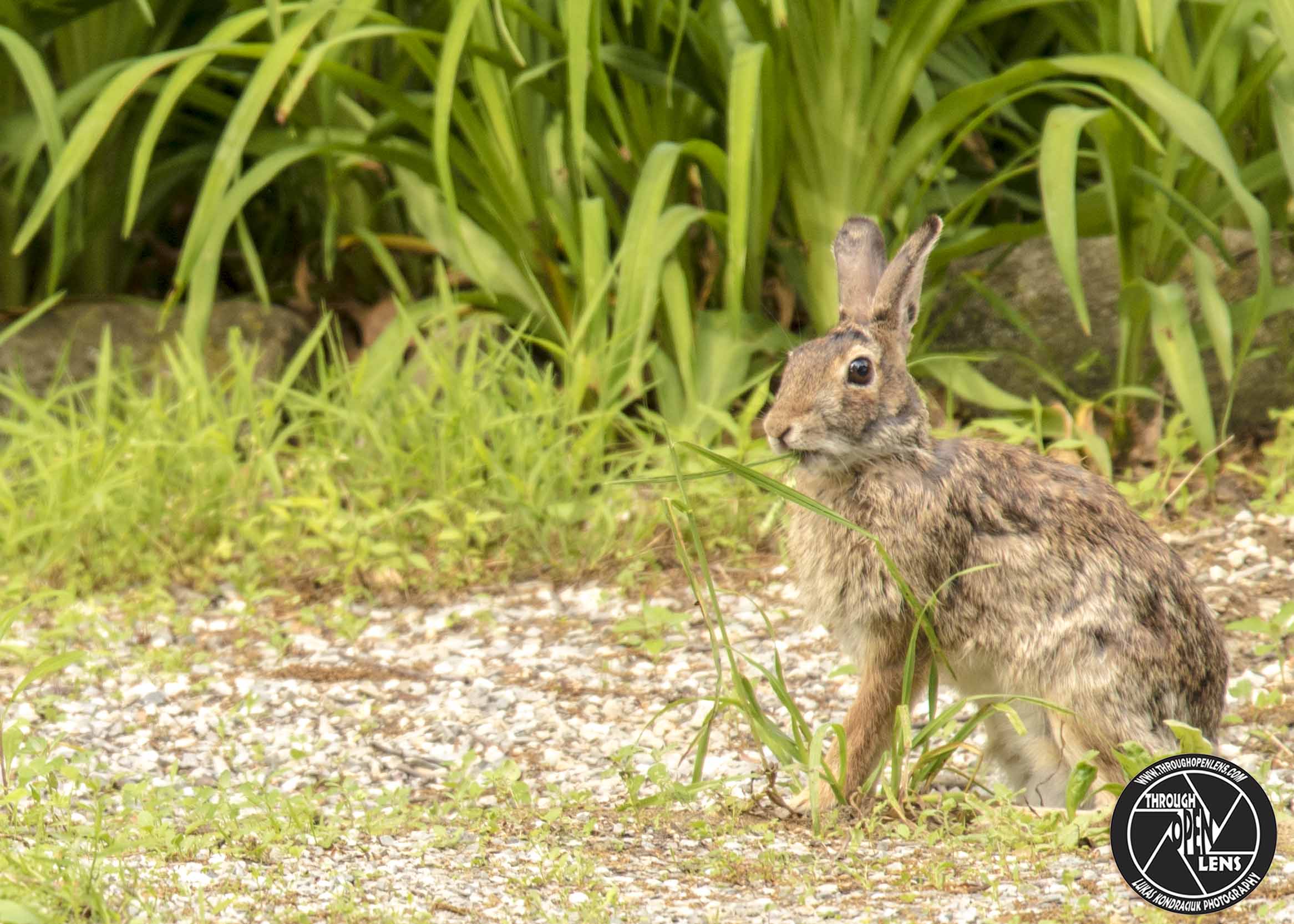
Eastern Cottontail Rabbit

What do rabbits say before they eat?

Lettuce pray.

Interesting Fact: Females give birth in shallow ground nests, to young so helpless that perhaps only 15 percent survive their first year. Fortunately, rabbits breed three or four times every year and produce three to eight young each time.  ( https://www.nationalgeographic.com/animals/mammals/e/eastern-cottontail-rabbit/ )

I Am People Watching.

F/9.0, 1/320, ISO 160.

Palmchat

What’s a zombies favorite desert?

I-Scream!

Interesting Fact: Palmchats are very sociable birds, often seen in small flocks containing several pairs which will roost closely together with their bodies in contact. ( https://en.wikipedia.org/wiki/Palmchat )

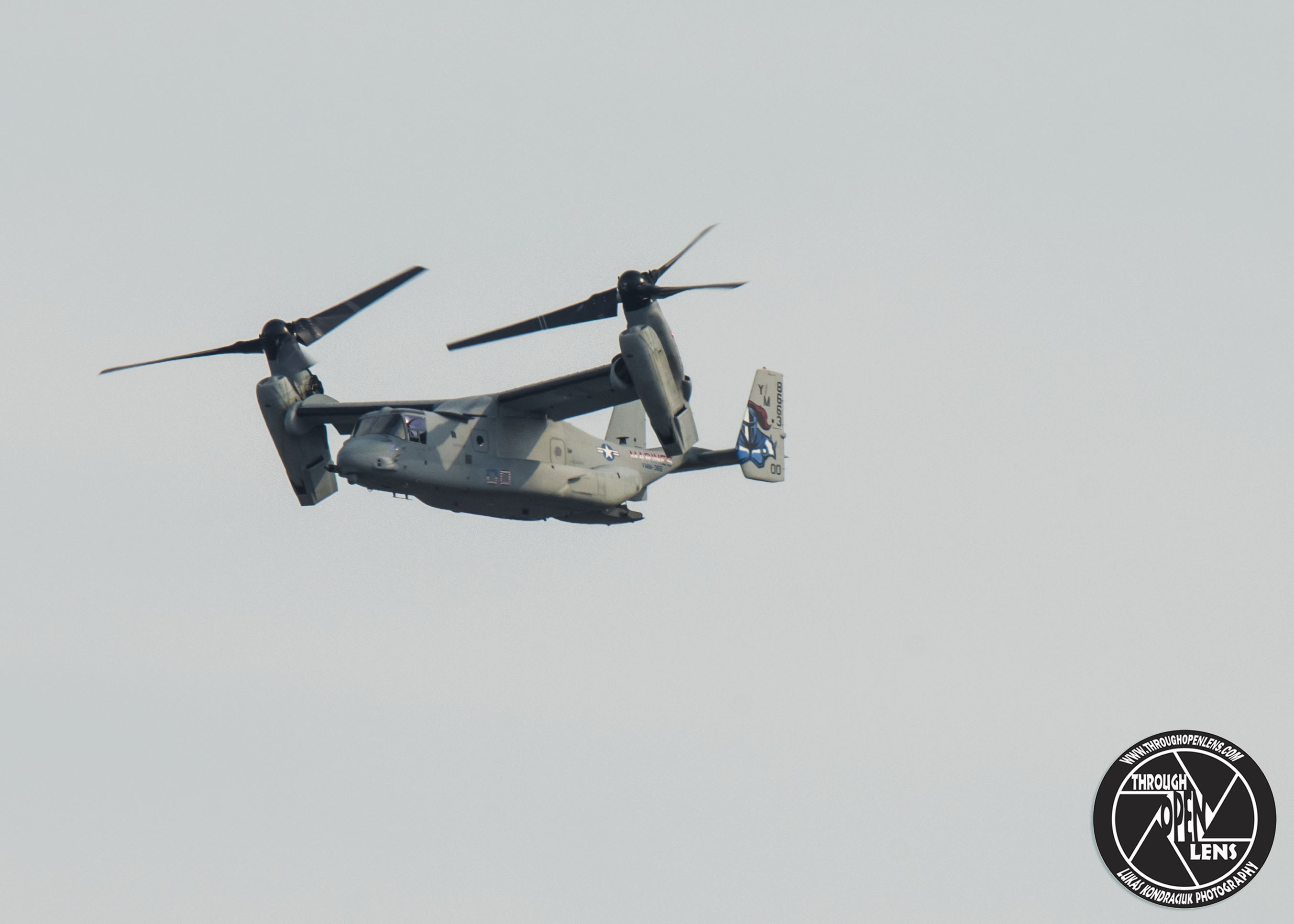
Different Osprey In The Sky!

F/11.0, 1/500, ISO 250.

Bell Boeing V-22 Osprey

What is the difference between a school teacher and a train?

The teacher says spit your gum out and the train says “chew chew chew”.

Interesting Fact:  The Osprey is the world’s first production tiltrotor aircraft, with one three-bladed proprotor, turboprop engine, and transmission nacelle mounted on each wingtip.[98] It is classified as a powered lift aircraft by the Federal Aviation Administration.[99] For takeoff and landing, it typically operates as a helicopter with the nacelles vertical and rotors horizontal. Once airborne, the nacelles rotate forward 90° in as little as 12 seconds for horizontal flight, converting the V-22 to a more fuel-efficient, higher speed turboprop aircraft. STOL rolling-takeoff and landing capability is achieved by having the nacelles tilted forward up to 45°.[100][101] Other orientations are possible.[102] It has a ferry range of over 2,100 nmi. Its operational range is 1,100 nmi. ( https://en.wikipedia.org/wiki/Bell_Boeing_V-22_Osprey#U.S._Marine_Corps )