Those Who Fear The Thorns Cannot Pic The Roses.

F/8.0, 1/250, ISO 320.

Savannah Sparrow

Why did Cinderella get kicked off the soccer team?

Because she ran away from the ball.

Interesting Fact: Raising young is hard work: a female Savannah Sparrow must gather 10 times her weight in food to feed herself and her young during the 8 days they are in the nest. ( https://www.allaboutbirds.org/guide/Savannah_Sparrow/ )
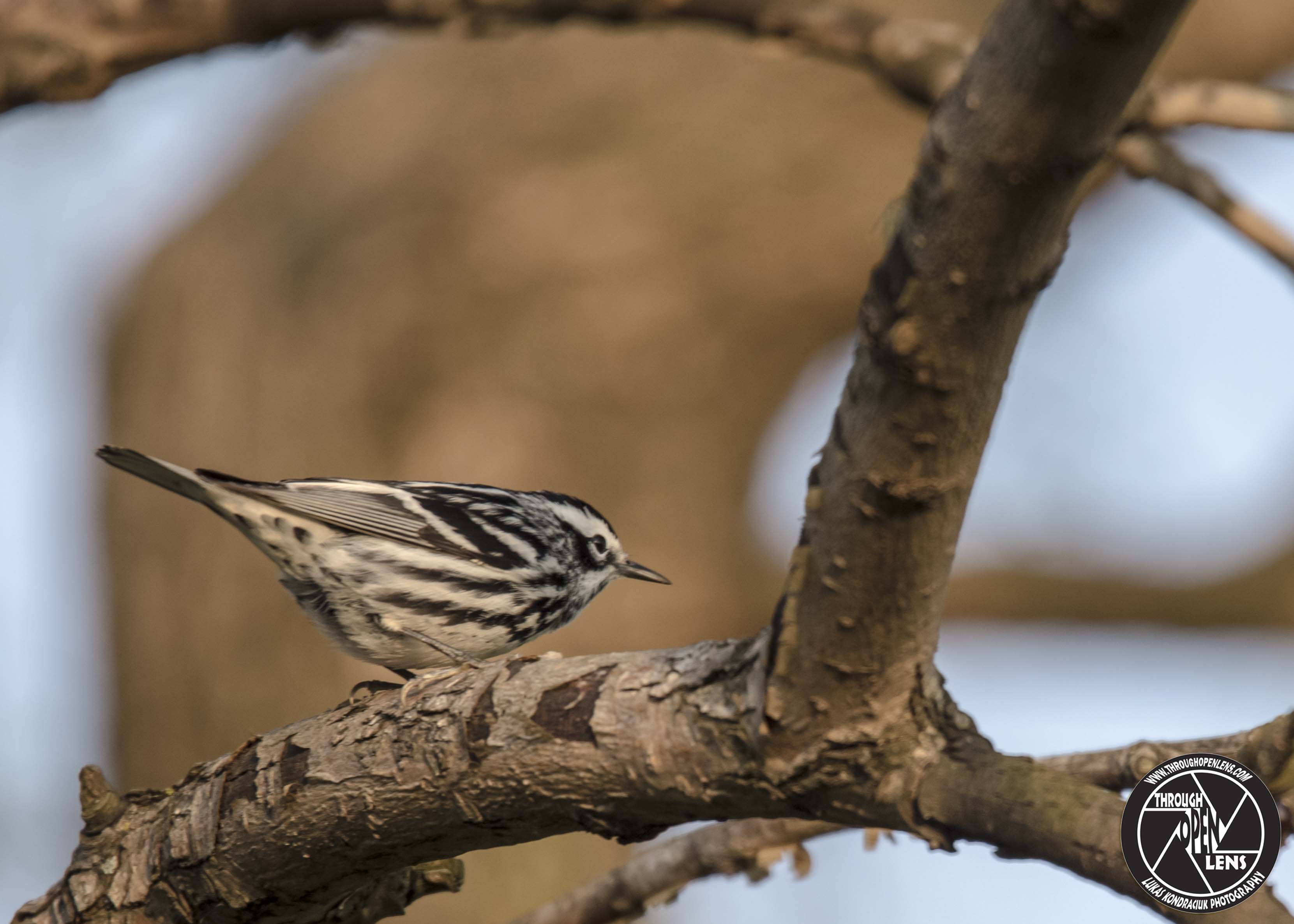
I Have A Audition For A Zebra.

F/7.1, 1/200, ISO 320.

Black-and-white Warbler 

Why are ghosts such good cheerleaders?

Because they have a lot of spirit!

Interesting Fact: The female Black-and-white Warbler selects a well-hidden nesting location at the base of a tree, rock, stump, or fallen log, or under a bush or shrub. Nests are usually built on the ground but occasionally are placed in a cavity atop a tree stump, in a rock crevice, or on a mossy bank up to six feet high. ( https://www.allaboutbirds.org/guide/Black-and-white_Warbler/lifehistory )

The Deeper You Look The Better The Treasure.

F/7.1, 1/200, ISO 500.

Yellow Warbler

What did the judge say when a skunk walked into the courtroom?

“Odor in the court!”

Interesting Fact: Yellow Warblers build their nests in the vertical fork of a bush or small tree such as willow, hawthorn, raspberry, white cedar, dogwood, and honeysuckle. The nest is typically within about 10 feet of the ground but occasionally up to about 40 feet.  ( https://www.allaboutbirds.org/guide/Yellow_Warbler/lifehistory )

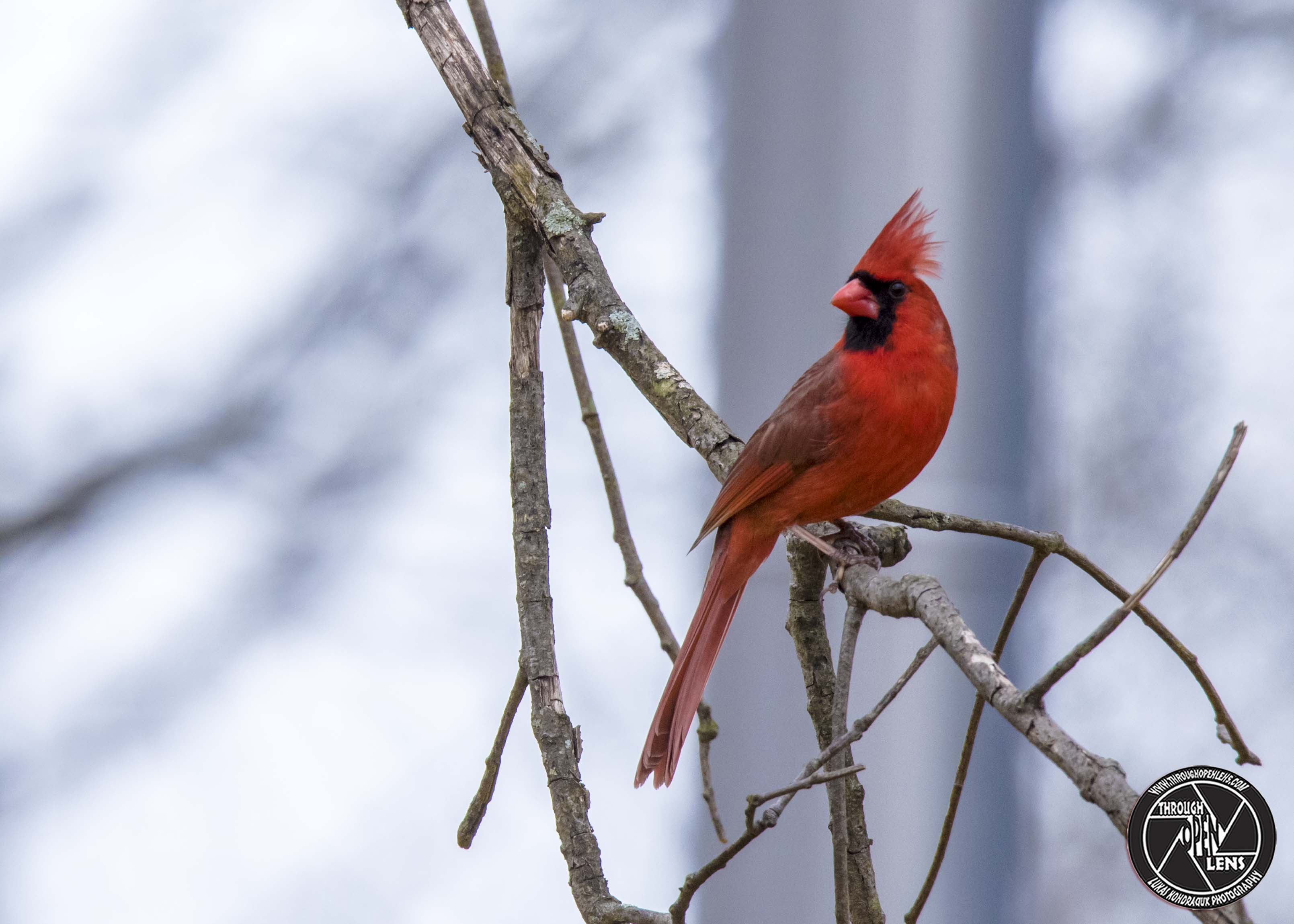
I Was Redhead Before It Was Cool!

F/10.0, 1/400, ISO 640.

Northern Cardinal ( Male ) 

Why did Captain Kirk go in to the ladies room? 

Because he wanted to go where no man had gone before.

Interesting Fact:  The Cardinal nest typically takes 3 to 9 days to build; the finished product is 2-3 inches tall, 4 inches across, with an inner diameter of about 3 inches. Cardinals usually don’t use their nests more than once. ( https://www.allaboutbirds.org/guide/Northern_Cardinal/lifehistory )

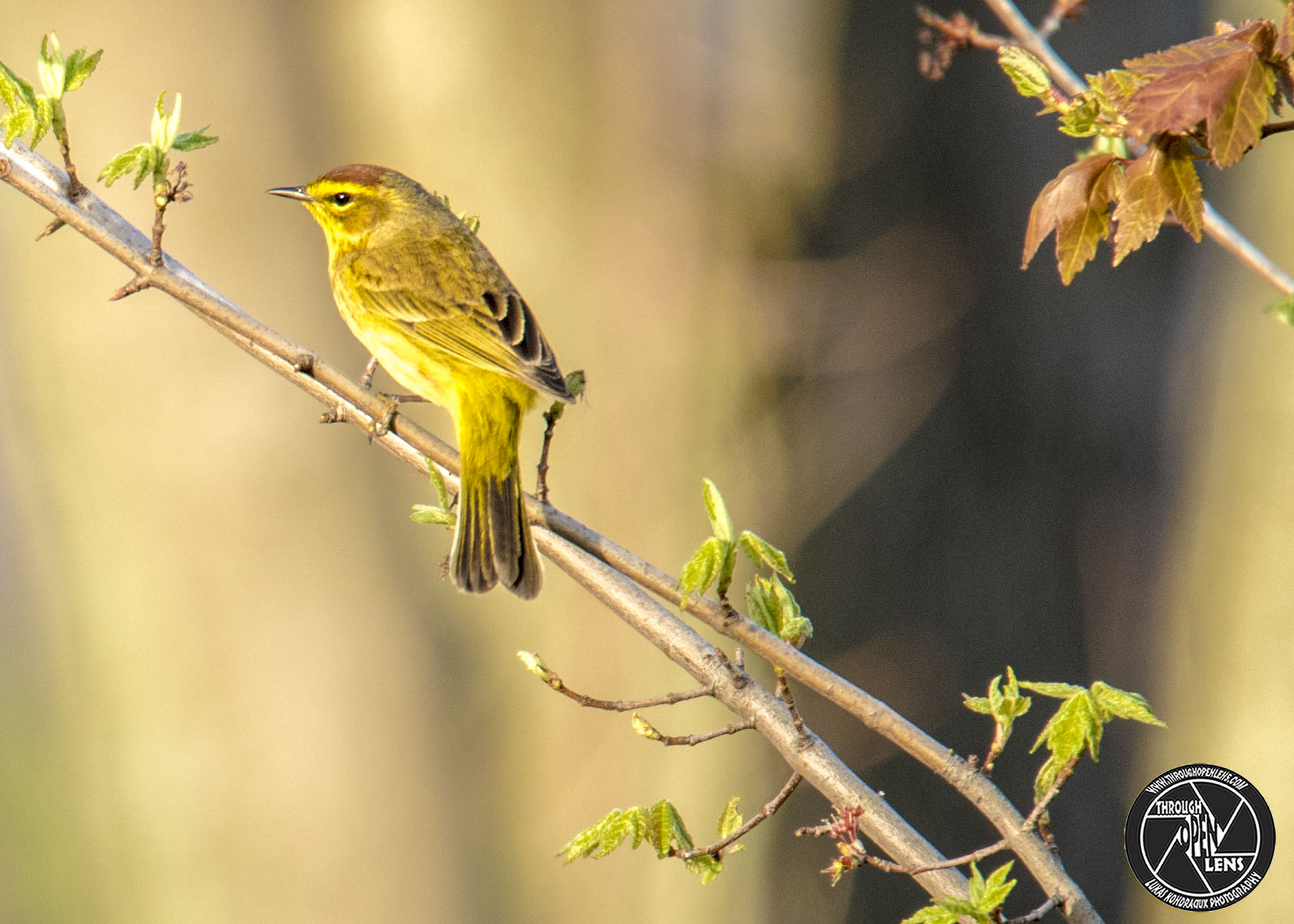
The Time You Enjoy Wasting Is Not Wasted Time!

F/7.1, 1/200, ISO 320.

Palm Warbler

What’s red and bad for your teeth?

A brick.

Interesting Fact: Though the Palm Warbler’s name might imply it is a tropical bird, it’s actually one of the northernmost breeding of all warblers (only the Blackpoll Warbler breeds farther north). They got their name from J. P. Gmelin who named them based on a specimen collected on Hispaniola, a Caribbean island with a lot of palm trees. ( https://www.allaboutbirds.org/guide/Palm_Warbler )

It Will Be A Good Day As Long As You Won’t Hit Or Bite Anyone!

F/6.3, 1/80, ISO 320.

Common Yellowthroat

Why is Peter Pan always flying?

Because he neverlands.

Interesting Fact: Each male normally has only one mate in his territory during a breeding season. However, a female’s mating calls often attract other males, and she may mate with them behind her mate’s back. ( https://www.allaboutbirds.org/guide/Common_Yellowthroat/ )

I Have A Leg Up On You

F/10.0, 1/400, ISO 250.

Greater Yellowlegs

Ghosts are hard to impress.

They boo everything.

Interesting Fact: Their breeding habitat is bogs and marshes in the boreal forest region of Canada and Alaska. They nest on the ground, usually in well-hidden locations near water. The three to four eggs average 50 mm (2.0 in) in length and 33 mm (1.3 in) in breadth and weigh about 28 g (0.99 oz). The incubation period is 23 days. The young leave the nest within 24 hours of hatching and then leave the vicinity of the nest within two days.( https://en.wikipedia.org/wiki/Greater_yellowlegs )

I Used My Last “Chill-Pill” Yesturday. This Is Your ONLY Warning!

F/10.0, 1/400, ISO 160.

Palmchat

What happened when you go inside with a snowsuit on?

It melts

Interesting Fact: The breeding season is mainly from March to June. The birds build large, messy, communal nests of twigs in the crowns of palms (mainly royal palms Roystonea sp.). Occasionally, in the absence of palms, other trees or even telephone poles, may be used. The whole nesting structure may be up to 2 m across, containing up to 30 adjoining nests with their own separate chambers and entrances. The females lay clutches of 2-4 thickly spotted, grey-purple eggs.  ( https://en.wikipedia.org/wiki/Palmchat )

Chillin’ Like A Villain!

F/8.0, 1/250. ISO 1000.

Bold Eagle

Why is Peter Pan always flying?

Because he neverlands.

Interesting Fact: Bald Eagles nest in trees except in regions where only cliff faces or ground sites are available. They tend to use tall, sturdy conifers that protrude above the forest canopy, providing easy flight access and good visibility. In southern parts of their range, Bald Eagles may nest in deciduous trees, mangroves, and cactus. It’s unknown whether the male or the female takes the lead in selecting a nest site. Nests are typically built near the trunk, high up in the tree but below the crown (unlike Osprey nests). ( https://www.allaboutbirds.org/guide/Bald_Eagle/lifehistory )

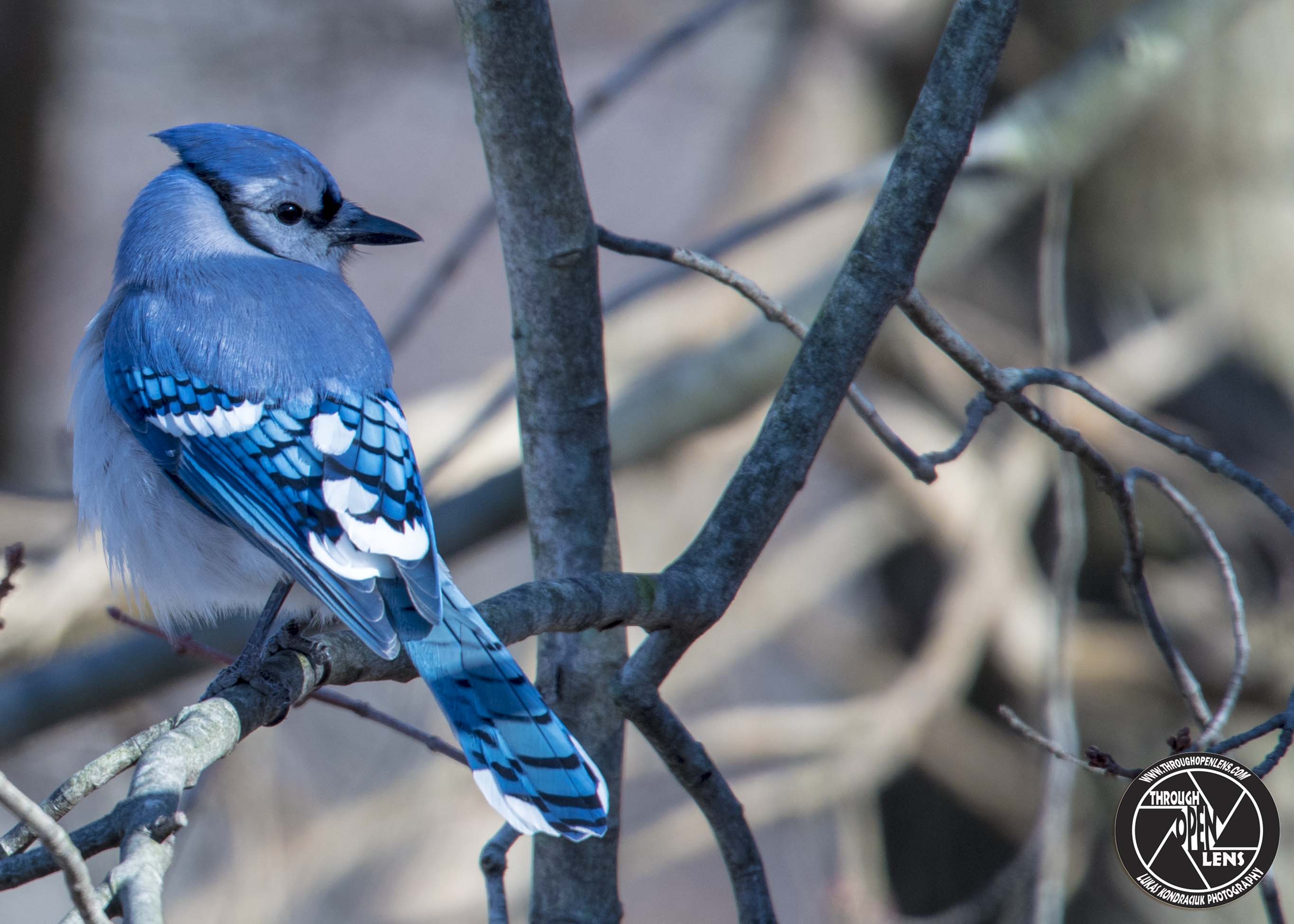
Blue You Away!

F/7.1, 1/200, ISO 250.

Blue Jay 

Why do ghosts have so much trouble dating?

Women can see right through them.

Interesting Fact: This common, large songbird is familiar to many people, with its perky crest; blue, white, gray, and black plumage; and noisy calls. Blue Jays are known for their intelligence and complex social systems, and have tight family bonds. They often mate for life, remaining with their social mate throughout the year. ( https://www.allaboutbirds.org/guide/Blue_Jay/lifehistory )