You Had Me AT Meow!

F/6.3, 1/60, ISO 640.

Gray Catbird

Why can’t a bicycle stand up on its own? 

Because it’s two tired.

Interesting Fact: Catbirds usually build nests on horizontal branches hidden at the center of dense shrubs, small trees, or in vines, including dogwood, hawthorn, cherry, rose, elderberry, grape, honeysuckle, and blackberry. Nests are typically around 4 feet off the ground, but may be on the ground or as high as 60 feet. ( https://www.allaboutbirds.org/guide/Gray_Catbird/lifehistory )

Chip And Dale!

F/8.0, 1/250, ISO 320.

Eastern chipmunks

What did the lawyer name his daughter?

Sue.

Interesting Fact: It can climb trees well, but constructs underground nests with extensive tunnel systems, often with several entrances. To hide the construction of its burrow, the eastern chipmunk carries soil to a different location in its cheek pouches. It also lines the burrow with leaves, rocks, sticks, and other material, making it even harder to see. ( https://en.wikipedia.org/wiki/Eastern_chipmunk )


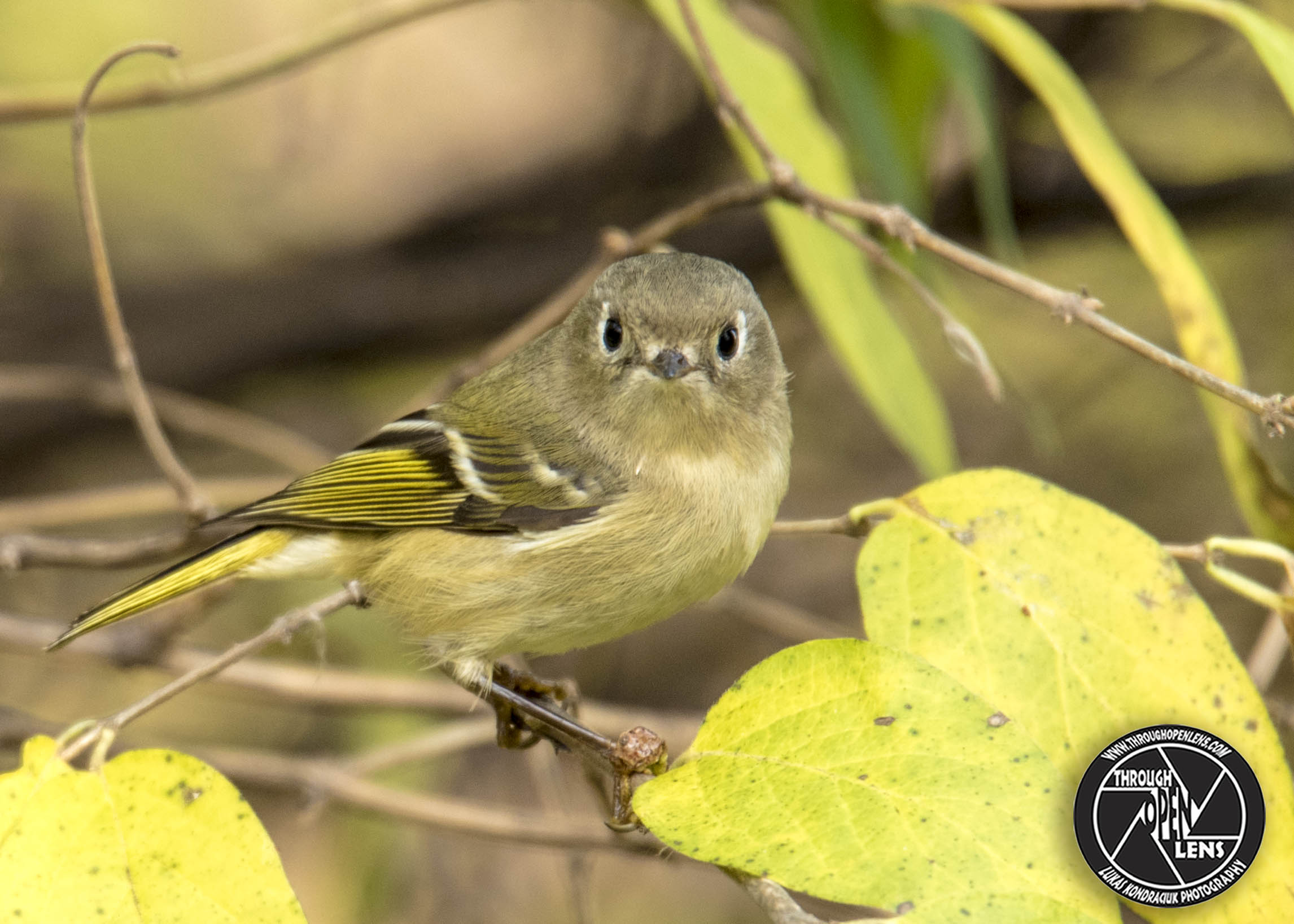
Staring Contest, GO!

F/6.3, 1/125, ISO 320.

Ruby-crowned Kinglet

What did the candle say to the other candle?

I’m going out tonight.

Interesting Fact: Metabolic studies on Ruby-crowned Kinglets suggest that these tiny birds use only about 10 calories (technically, kilocalories) per day. ( https://www.allaboutbirds.org/guide/Ruby-crowned_Kinglet/lifehistory )

You looking at me? Owl Do Something About It!

F/6.3, 1/50, ISO 400.

Great Horned Owlets

What do you call an owl get together?

A HOO-tenanny

Interesting Fact: When clenched, a Great Horned Owl’s strong talons require a force of 28 pounds to open. The owls use this deadly grip to sever the spine of large prey. ( https://www.allaboutbirds.org/guide/Great_Horned_Owl/lifehistory )


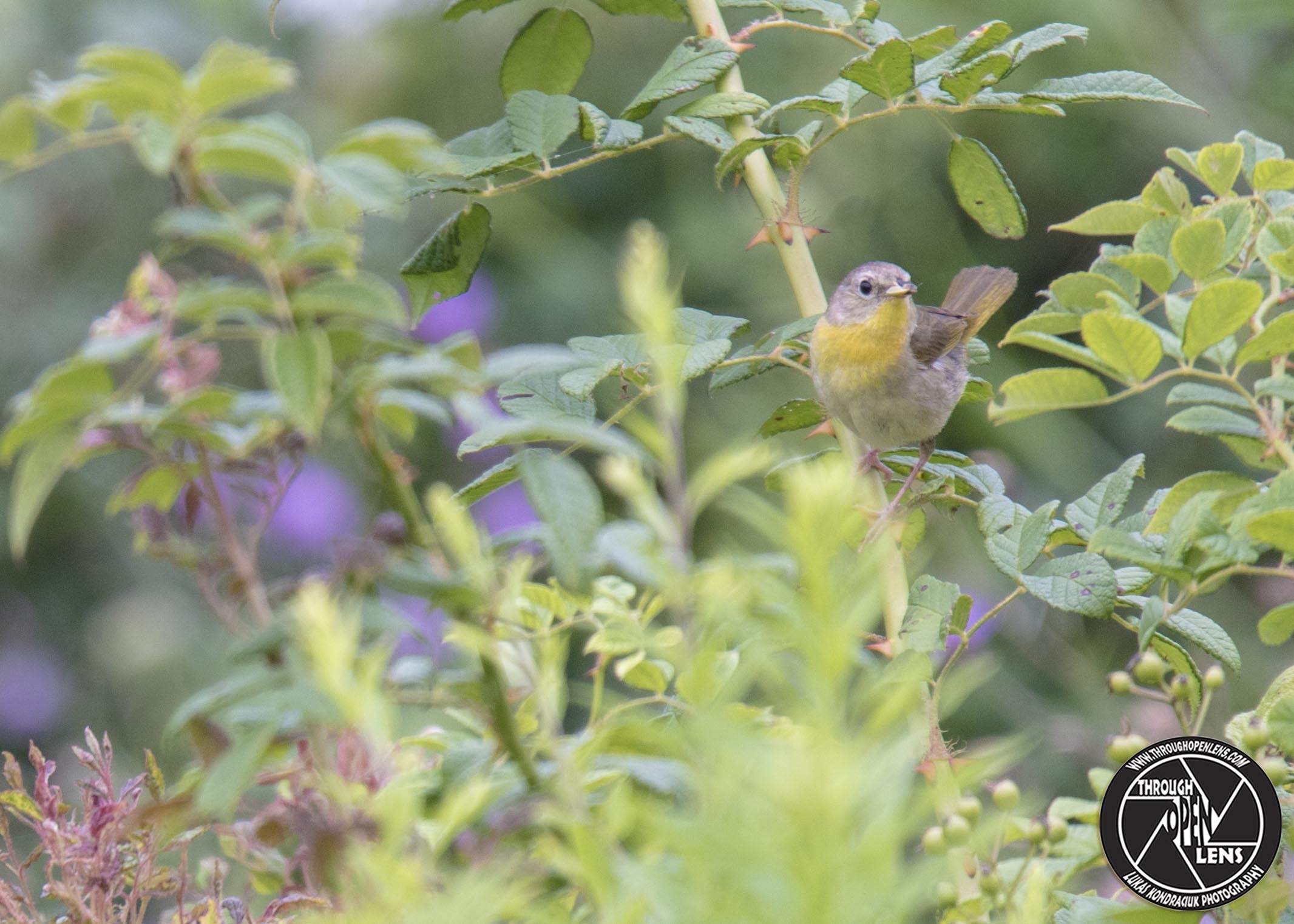
If You Have Someting Stupid To Say… Please Raise Your Hand… And Put It Firmly Over Your Mouth!

F/6.3,1/160, ISO 400.

Common Yellowthroat ( Female ) 

Why are frogs always so happy?

They eat what ever bugs them

Interesting Fact: The Common Yellowthroat was one of the first bird species to be catalogued from the New World, when a specimen , from Maryland was described by Linnaeus in 1766. ( https://www.allaboutbirds.org/guide/Common_Yellowthroat )/

If People Are Talking About You Behind Your Back, Then Just Fart!

F/6.3, 1/60, ISO 500.

Ovenbird

Why did the apple run away?

Because the banana split!

Interesting Fact: The Ovenbird gets its name from its covered nest. The dome and side entrance make it resemble a Dutch oven. ( https://www.allaboutbirds.org/guide/Ovenbird/overview )

You Taste Like Sunshine!

F/6.3, 1/125, ISO 400.

American Goldfinch ( Breeding Female )

What did the banana say to the doctor?

“I’m not peeling well.”

Interesting Fact: Male and female move around together to choose a suitable nest site. The female builds the nest, usually in a shrub or sapling in a fairly open setting rather than in forest interior. The nest is often built high in a shrub, where two or three vertical branches join; usually shaded by clusters of leaves or needles from above, but often open and visible from below. ( https://www.allaboutbirds.org/guide/American_Goldfinch/lifehistory )

Buck Off!

F/6.3, 1/125, ISO 640.

White-Tailed Deer

I give a dead battery away today…

Free of charge!

Interesting Fact: Males regrow their antlers every year. About one in 10,000 females also has antlers, although this is usually associated with freemartinism.https://en.wikipedia.org/wiki/White-tailed_deer

It Will Be A Good Day As Long As You Won’t Hit Or Bite Anyone!

F/6.3, 1/80, ISO 320.

Common Yellowthroat

Why is Peter Pan always flying?

Because he neverlands.

Interesting Fact: Each male normally has only one mate in his territory during a breeding season. However, a female’s mating calls often attract other males, and she may mate with them behind her mate’s back. ( https://www.allaboutbirds.org/guide/Common_Yellowthroat/ )

You Give Me The Chills!

F/10.0, 1/400, ISO 160.

Red-tailed Hawk

Two snakes are talking.

One of them turns to the other and asks, “Are we venomous?”

The other replays, “Yes,why?…”

“I just bit ma lip.”

Interesting Fact: Red-tailed Hawks typically put their nests in the crowns of tall trees where they have a commanding view of the landscape. They may also nest on a cliff ledge or on artificial structures such as window ledges and billboard platforms. ( https://www.allaboutbirds.org/guide/Red-tailed_Hawk/lifehistory