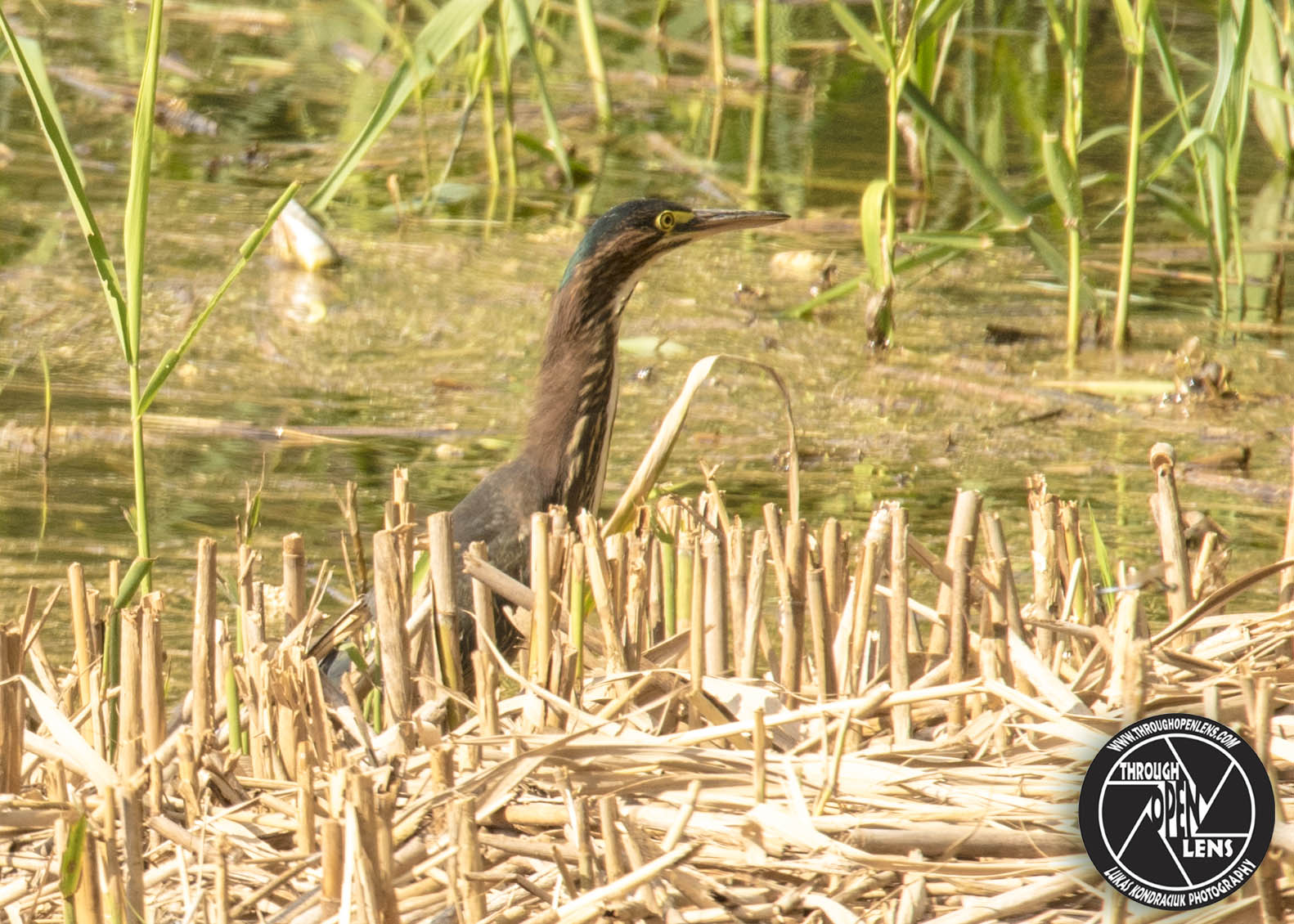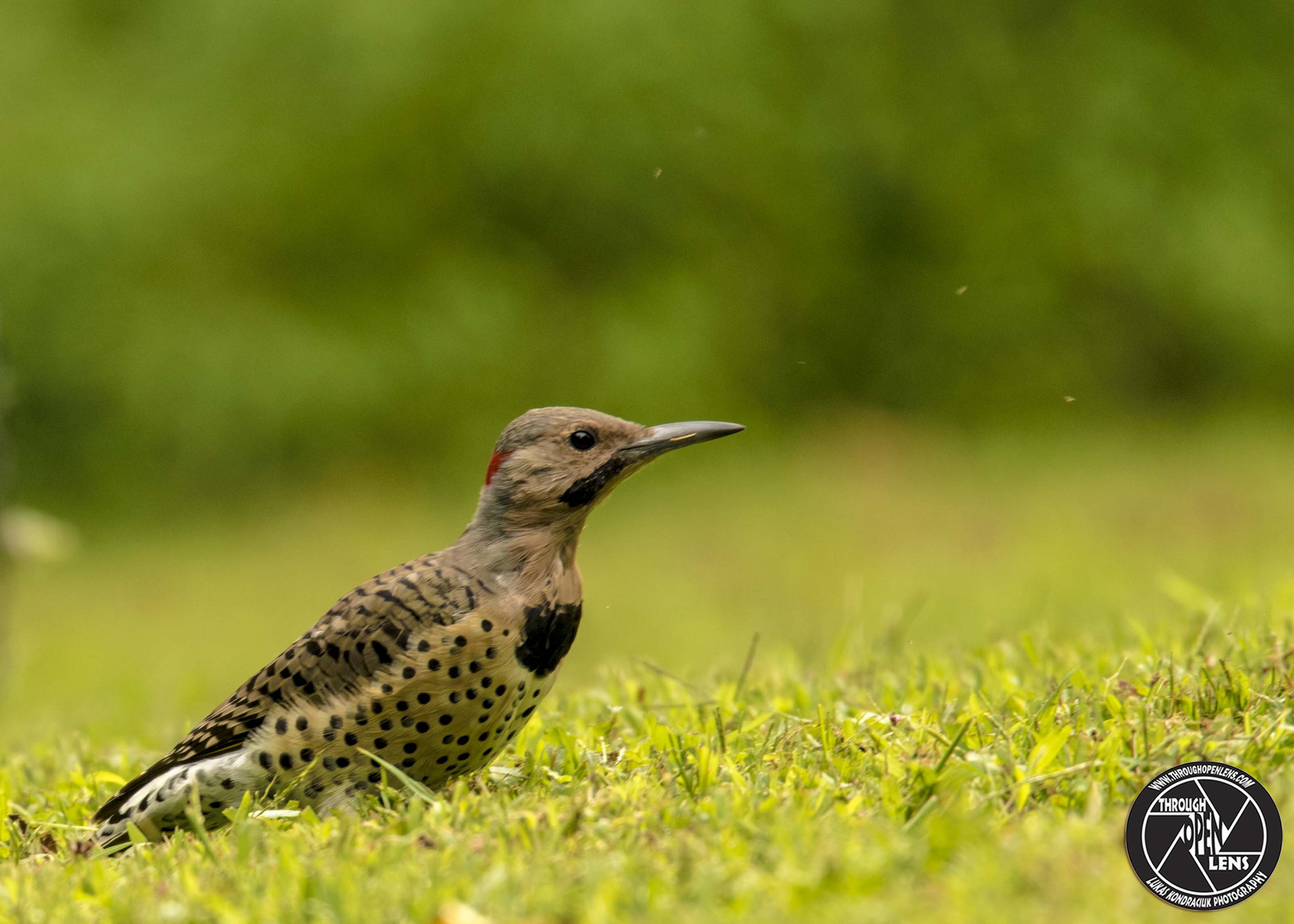
PLEASE KEEP ON THE GRASS! LIE DOWN! ROLL AROUND IN IT! FORGET ALL YOUR RESPONSIBILITES!

F/7.1, 1/200, ISO 400.

Northern Flicker

What do you call a Happy Cowboy?

A Jolly Rancher

Interesting Fact: Northern Flickers don’t act like typical woodpeckers. They mainly forage on the ground, sometimes among sparrows and blackbirds. When flushed, flickers often perch erect on thin horizontal branches rather than hitching up or around a tree trunk. Flickers do fly Iike most woodpeckers do, rising and falling smoothly as they intersperse periods of flapping with gliding. ( https://www.allaboutbirds.org/guide/Northern_Flicker/lifehistory )

Hey Go Nuts Today!

F/6.3, 1/640, ISO 200.

Eastern Gray Squirrel

Why do squirrels swim on their backs?

To keep their nuts dry.


Interesting Fact: Squirrels are extremely intelligent creatures. They are known to put on elaborate bogus food burying displays to deceive onlookers. The fake burials are to trick potential thieves, such as other squirrels or birds, into thinking that they have stored their food stock there. Any observers planning on taking the stash will then focus on the bogus burial site, allowing the squirrel to bury the real stash elsewhere safely ( http://www.onekind.org/be_inspired/animals_a_z/squirrel/ )


The Grass Is Greener Where You Water It!

F/6.3, 1/100, ISO 400.

White-throated Sparrow

What did the tie say to the hat?

You go on ahead and I’ll hang around!

Interesting Fact: White-throated Sparrows hop when they’re on the ground rather than walking or running. They forage in the leaf litter, often using both feet at once to scratch backwards, then pounce forward at anything they’ve uncovered. They also toss leaves aside with flicks of the head.  ( https://www.allaboutbirds.org/guide/White-throated_Sparrow/lifehistory )

What Does The Fox Say?

F/6.0, 1/30, ISO 400.

Red Fox

What do you call a fox with a carrot in each ear?

Anything you want as he can’t hear you!

Interesting Fact: Red foxes are solitary hunters who feed on rodents, rabbits, birds, and other small game—but their diet can be as flexible as their home habitat. Foxes will eat fruit and vegetables, fish, frogs, and even worms. If living among humans, foxes will opportunistically dine on garbage and pet food. ( http://www.nationalgeographic.com/animals/mammals/r/red-fox/ )

This Is My Good Side

F/8.0, 1/200, ISO 400.

Northern Flicker

Why is it so hot in a stadium after a football game?

Because all the fans have left.

Interesting Fact: The Northern Flicker is one of the few North American woodpeckers that is strongly migratory. Flickers in the northern parts of their range move south for the winter, although a few individuals often stay rather far north. ( https://www.allaboutbirds.org/guide/Northern_Flicker/lifehistory )


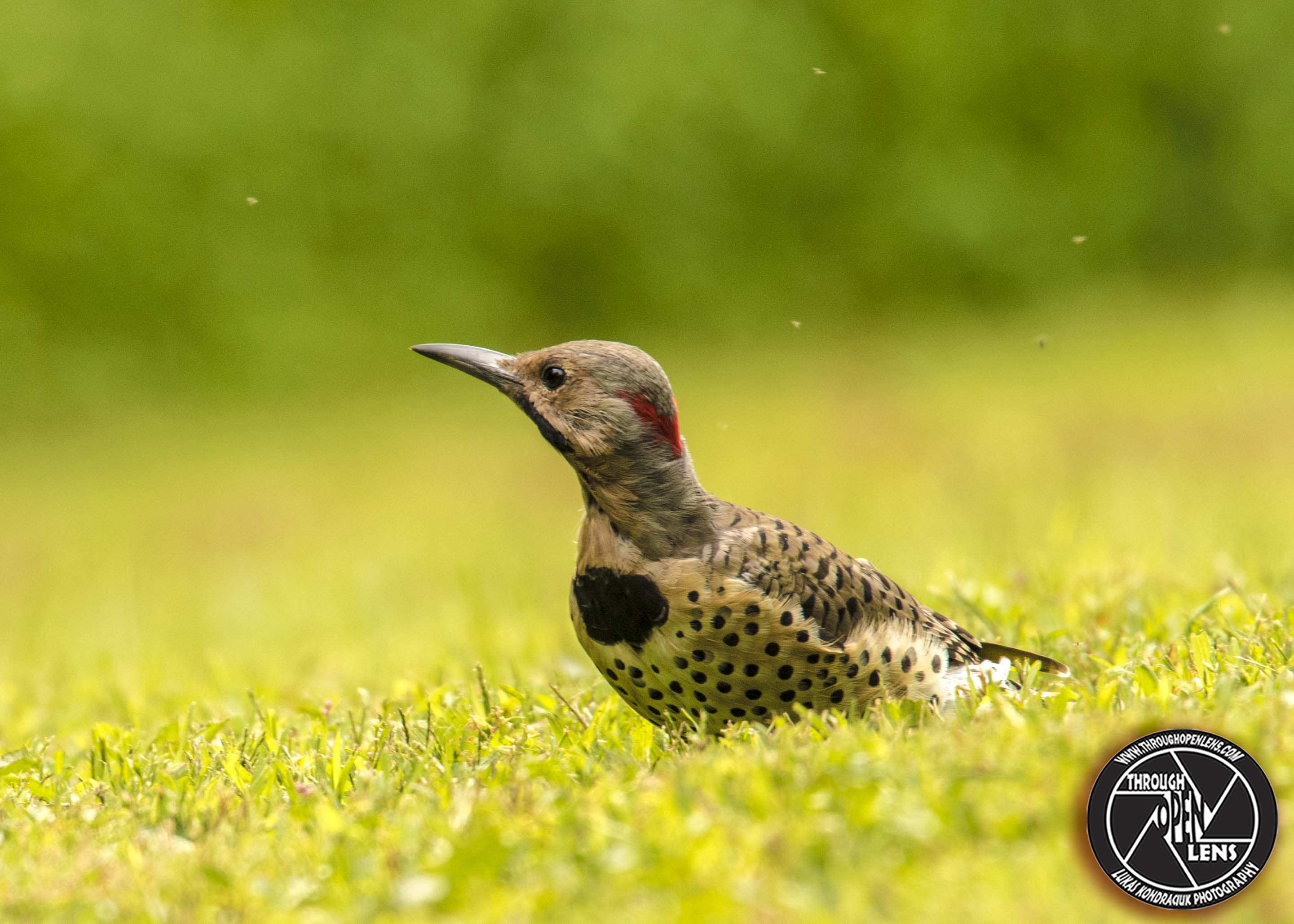
Something Is Flickering!

F/6.3, 1/160, ISO 640.

Northern Flicker

What did the math book say to its therapist?

I’ve got a lot of problems.

Interesting Fact: Northern Flickers usually excavate nest holes in dead or diseased tree trunks or large branches. In northern North America look for nests in trembling aspens, which are susceptible to a heartrot that makes for easy excavation. Unlike many woodpeckers, flickers often reuse cavities that they or another species excavated in a previous year. Nests are generally placed 6-15 feet off the ground, but on rare occasions can be over 100 feet high. Northern Flickers have been known to nest in old burrows of Belted Kingfishers or Bank Swallows. ( https://www.allaboutbirds.org/guide/Northern_Flicker/lifehistory )
Chip And Dale!

F/8.0, 1/250, ISO 320.

Eastern chipmunks

What did the lawyer name his daughter?

Sue.

Interesting Fact: It can climb trees well, but constructs underground nests with extensive tunnel systems, often with several entrances. To hide the construction of its burrow, the eastern chipmunk carries soil to a different location in its cheek pouches. It also lines the burrow with leaves, rocks, sticks, and other material, making it even harder to see. ( https://en.wikipedia.org/wiki/Eastern_chipmunk )


Life Is Too Short To Have Boring Hair!

F/9.0, 1/320, ISO 200.

Polish chicken

What do you get when a chicken lays an egg on top of a barn?

An eggroll!

Interesting Fact: 

The Polish or Poland is a European breed of crested chickens known for its remarkable crest of feathers. The oldest accounts of these birds come from The Netherlands; their exact origins are unknown, however.[1] In addition to combs, they are adorned with large crests that nearly cover the entirety of the head. This crest limits their vision, and as a result can affect their temperament. Thus, though normally tame, they may be timid and easily frightened.  ( https://en.wikipedia.org/wiki/Polish_chicken

I Claim This Rock!

F/5.6, 1/250, ISO 800.

Muskrat

Why did the cookie go to the hospital?

He felt crummy!

Interesting Fact: Muskrats are most active at night or near dawn and dusk. They feed on cattails and other aquatic vegetation. They do not store food for the winter, but sometimes eat the insides of their push-ups. While they may appear to steal food beavers have stored, more seemingly cooperative partnerships with beavers exist, as featured in the BBC David Attenborough wildlife documentary The Life of Mammals.[22][23] Plant materials compose about 95% of their diets, but they also eat small animals, such as freshwater mussels, frogs, crayfish, fish, and small turtles.[5][6] Muskrats follow trails they make in swamps and ponds. When the water freezes, they continue to follow their trails under the ice. ( https://en.wikipedia.org/wiki/Muskrat#Behavior )

Peek A Boo!

F/9.0, 1/320, ISO 250.

Green Heron

Why are ghosts so bad at lying?

Because you can see right through them!

Interesting Fact: Green Herons usually hunt by wading in shallow water, but occasionally they dive for deep-water prey and need to swim back to shore—probably with help from the webs between their middle and outer toes. One juvenile heron was seen swimming gracefully for more than 60 feet, sitting upright “like a little swan,” according to one observer. ( https://www.allaboutbirds.org/guide/Green_Heron/lifehistory )