If People Are Talking About You Behind Your Back, Then Just Fart!

F/6.3, 1/60, ISO 500.

Ovenbird

Why did the apple run away?

Because the banana split!

Interesting Fact: The Ovenbird gets its name from its covered nest. The dome and side entrance make it resemble a Dutch oven. ( https://www.allaboutbirds.org/guide/Ovenbird/overview )

Those Who Fear The Thorns Cannot Pic The Roses.

F/8.0, 1/250, ISO 320.

Savannah Sparrow

Why did Cinderella get kicked off the soccer team?

Because she ran away from the ball.

Interesting Fact: Raising young is hard work: a female Savannah Sparrow must gather 10 times her weight in food to feed herself and her young during the 8 days they are in the nest. ( https://www.allaboutbirds.org/guide/Savannah_Sparrow/ )

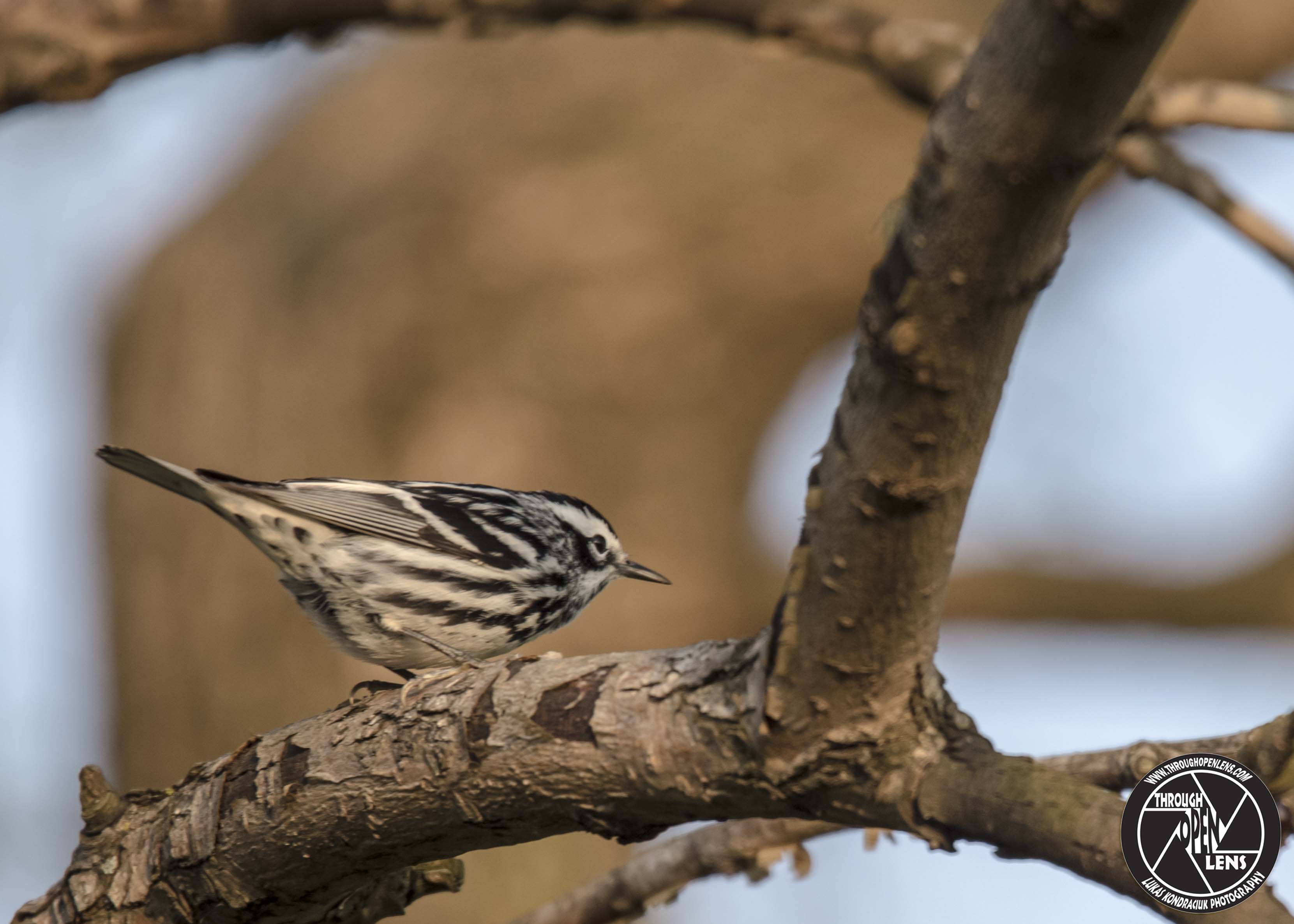
I Have A Audition For A Zebra.

F/7.1, 1/200, ISO 320.

Black-and-white Warbler 

Why are ghosts such good cheerleaders?

Because they have a lot of spirit!

Interesting Fact: The female Black-and-white Warbler selects a well-hidden nesting location at the base of a tree, rock, stump, or fallen log, or under a bush or shrub. Nests are usually built on the ground but occasionally are placed in a cavity atop a tree stump, in a rock crevice, or on a mossy bank up to six feet high. ( https://www.allaboutbirds.org/guide/Black-and-white_Warbler/lifehistory )

The Deeper You Look The Better The Treasure.

F/7.1, 1/200, ISO 500.

Yellow Warbler

What did the judge say when a skunk walked into the courtroom?

“Odor in the court!”

Interesting Fact: Yellow Warblers build their nests in the vertical fork of a bush or small tree such as willow, hawthorn, raspberry, white cedar, dogwood, and honeysuckle. The nest is typically within about 10 feet of the ground but occasionally up to about 40 feet.  ( https://www.allaboutbirds.org/guide/Yellow_Warbler/lifehistory )

You Taste Like Sunshine!

F/6.3, 1/125, ISO 400.

American Goldfinch ( Breeding Female )

What did the banana say to the doctor?

“I’m not peeling well.”

Interesting Fact: Male and female move around together to choose a suitable nest site. The female builds the nest, usually in a shrub or sapling in a fairly open setting rather than in forest interior. The nest is often built high in a shrub, where two or three vertical branches join; usually shaded by clusters of leaves or needles from above, but often open and visible from below. ( https://www.allaboutbirds.org/guide/American_Goldfinch/lifehistory )

Here I Sit Broken Hearted Tried To Poop But Only Farted

F/9.0, 1/320, ISO 500.

Yellow-Rumped Warbler

Why did Bob throw the clock out of the window?

Because he wanted to see time fly!

Interesting Fact: Yellow-rumped Warblers flit through the canopies of coniferous trees as they forage. They cling to the bark surface to look for hidden insects more than many warblers do, but they also frequently sit on exposed branches and catch passing insects like a flycatcher does. ( https://www.allaboutbirds.org/guide/Yellow-rumped_Warbler/lifehistory )

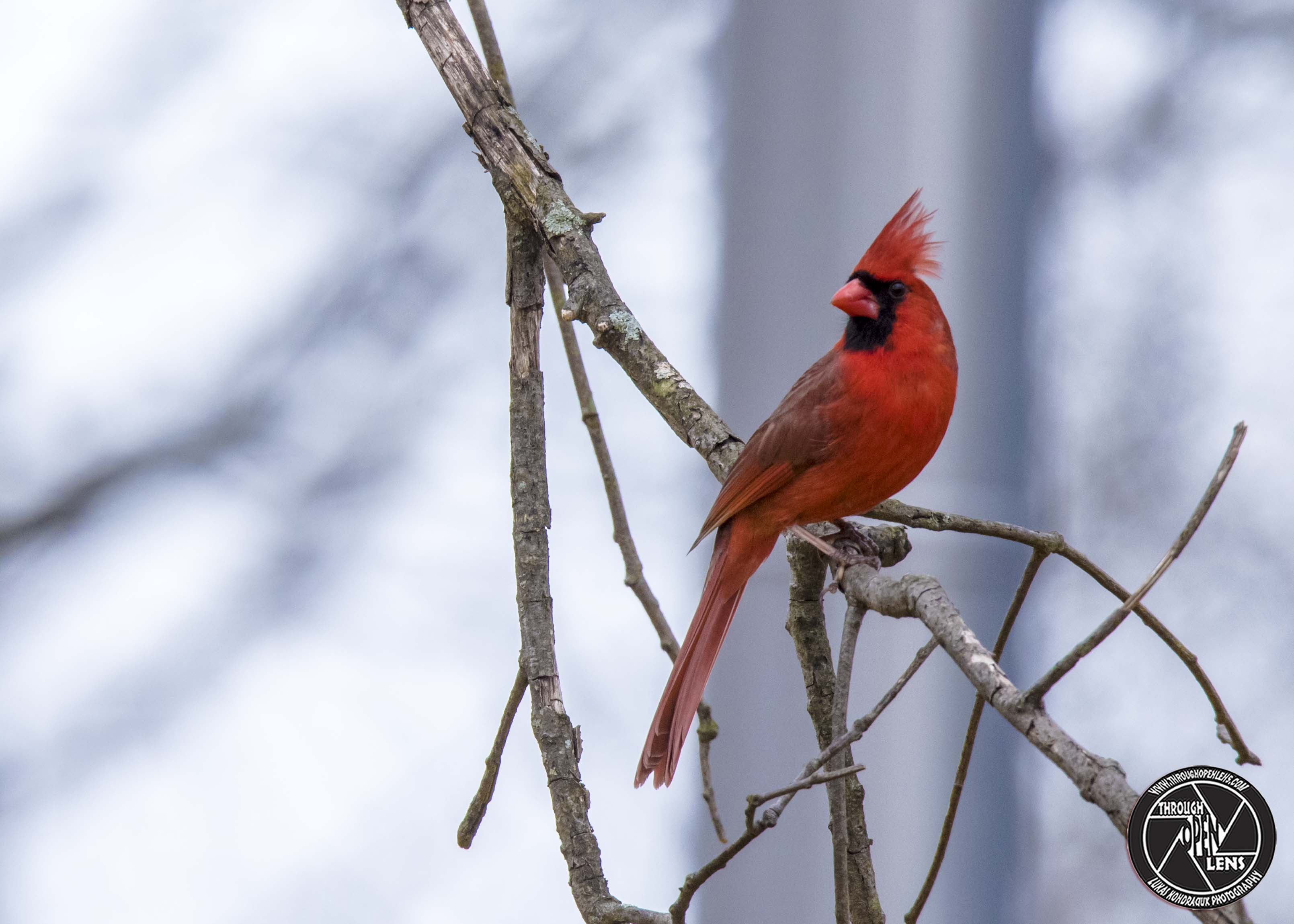
I Was Redhead Before It Was Cool!

F/10.0, 1/400, ISO 640.

Northern Cardinal ( Male ) 

Why did Captain Kirk go in to the ladies room? 

Because he wanted to go where no man had gone before.

Interesting Fact:  The Cardinal nest typically takes 3 to 9 days to build; the finished product is 2-3 inches tall, 4 inches across, with an inner diameter of about 3 inches. Cardinals usually don’t use their nests more than once. ( https://www.allaboutbirds.org/guide/Northern_Cardinal/lifehistory )

I Been Feeling Puffy Lately!

F/9.0, 1/320, ISO 200.

Killdeer

What do you call a belt with a watch on it?

A waist of time.

Interesting Fact: Killdeer nests are simple scrapes often placed on slight rises in their open habitats. Killdeer may make several scrapes not far away from each other before choosing one to lay in. The duplication may help to confuse predators. ( https://www.allaboutbirds.org/guide/Killdeer/lifehistory )

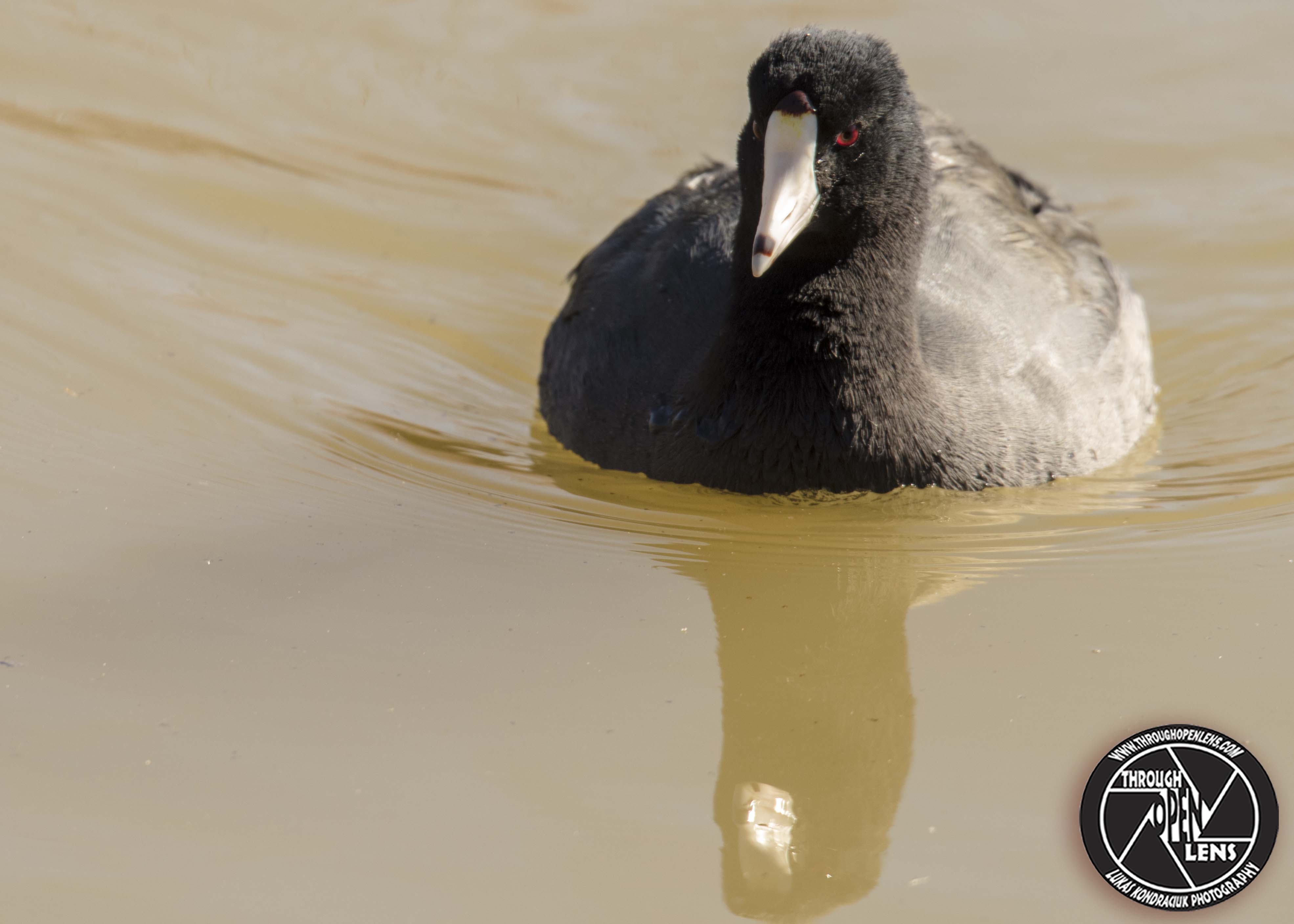
Water Chicken!

F/9.0, 1/320, ISO 320.

American Coot

“Babe is it in?”

“Yea.” “Does it hurt?”

“Uh huh.”

“Let me put it in slowly.”

“It still hurts.”

“Okay, let’s try another shoe size.”

Interesting Fact: A slow and meticulous forager, the American Coot plucks at plants while walking, swimming, dabbling with its head just underwater, or in full dives. In flight coots are clumsy and labored (though less so than Common Moorhens). To get airborne, coots typically have to beat their wings while running across the water for many yards. ( https://www.allaboutbirds.org/guide/American_Coot/lifehistory# )

Which Way Do We Go?

F/9.0, 1/320, ISO 320.

Ruddy Ducks

Where do sheep go to get haircuts?

To the Baa Baa shop!

Interesting Fact: Ruddy Ducks spend the vast majority of their time on the water. They are fast fliers but have little maneuverability in the air, and they tend to swim and dive rather than fly to escape predators—which include Red-tailed Hawks, Great Horned Owls, mink, raccoons, and red foxes.  ( https://www.allaboutbirds.org/guide/Ruddy_Duck/lifehistory )