Be Your Self Everyone Else Is Already Taken!

F/6.3, 1/400, ISO 1600.

Hooded Merganser ( Male )

Did you hear that all the toilets at the police station were stolen?

Yeah… the cops got nothing to go on.

Interesting Fact: Hooded Merganser ducklings leave their nest cavity within 24 hours of hatching. First, their mother checks the area around the nest and calls to the nestlings from ground level. From inside the nest, the little fluffballs scramble up to the entrance hole and then flutter to the ground, which may be 50 feet or more below them. In some cases they have to walk half a mile or more with their mother to the nearest body of water. ( https://www.allaboutbirds.org/guide/Hooded_Merganser )
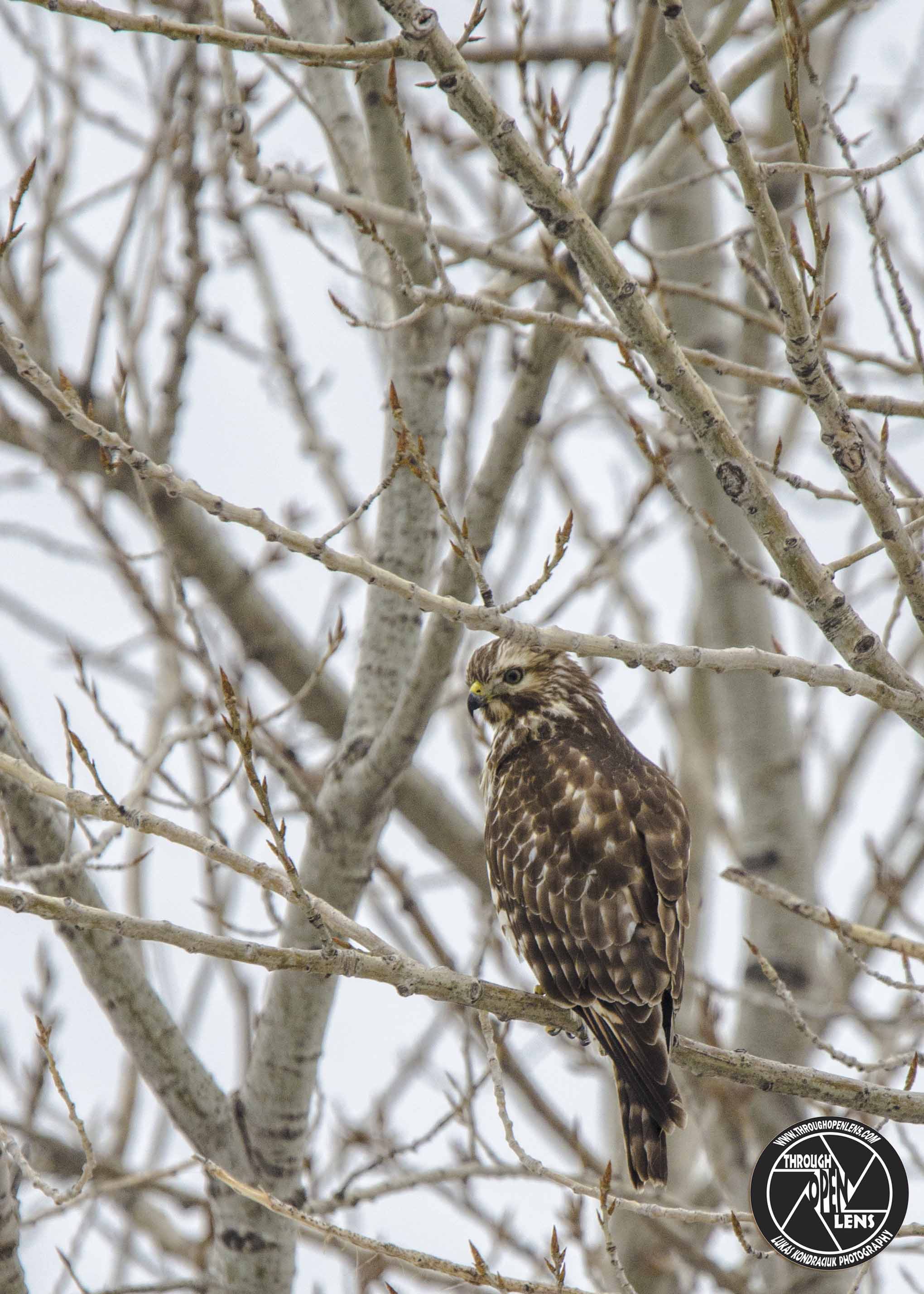
Admit It. You’re Waiting For Something You Know Won’t Happen.

F/6.3, 1/500, ISO 800.

Merlin

What do you get if you cross LSD with birth control?

A trip without the kids!

Interesting Fact: The name “Merlin” comes from esmerillon, the old French name for the species. Merlins used to be called “pigeon hawks” because in flight they look somewhat pigeon-like. Their species name, columbarius, is also a reference to pigeons.  ( https://www.allaboutbirds.org/guide/Merlin )


Go Ahead… Make My Day!

F/6.3, 1/500, ISO 250.

Hooded Merganser ( Female )

What insect runs away from everything?

A flea!

Interesting Fact: Once a female begins incubating eggs her mate abandons her, and it’s not known if they reunite the following season. Incubating females may use a broken-wing display to protect eggs or nestlings from raccoons, mink, black rat snakes, black bears, pine martens, European Starlings, Northern Flickers, Red-headed Woodpeckers, and Red-bellied Woodpeckers. ( https://www.allaboutbirds.org/guide/Hooded_Merganser/lifehistory )


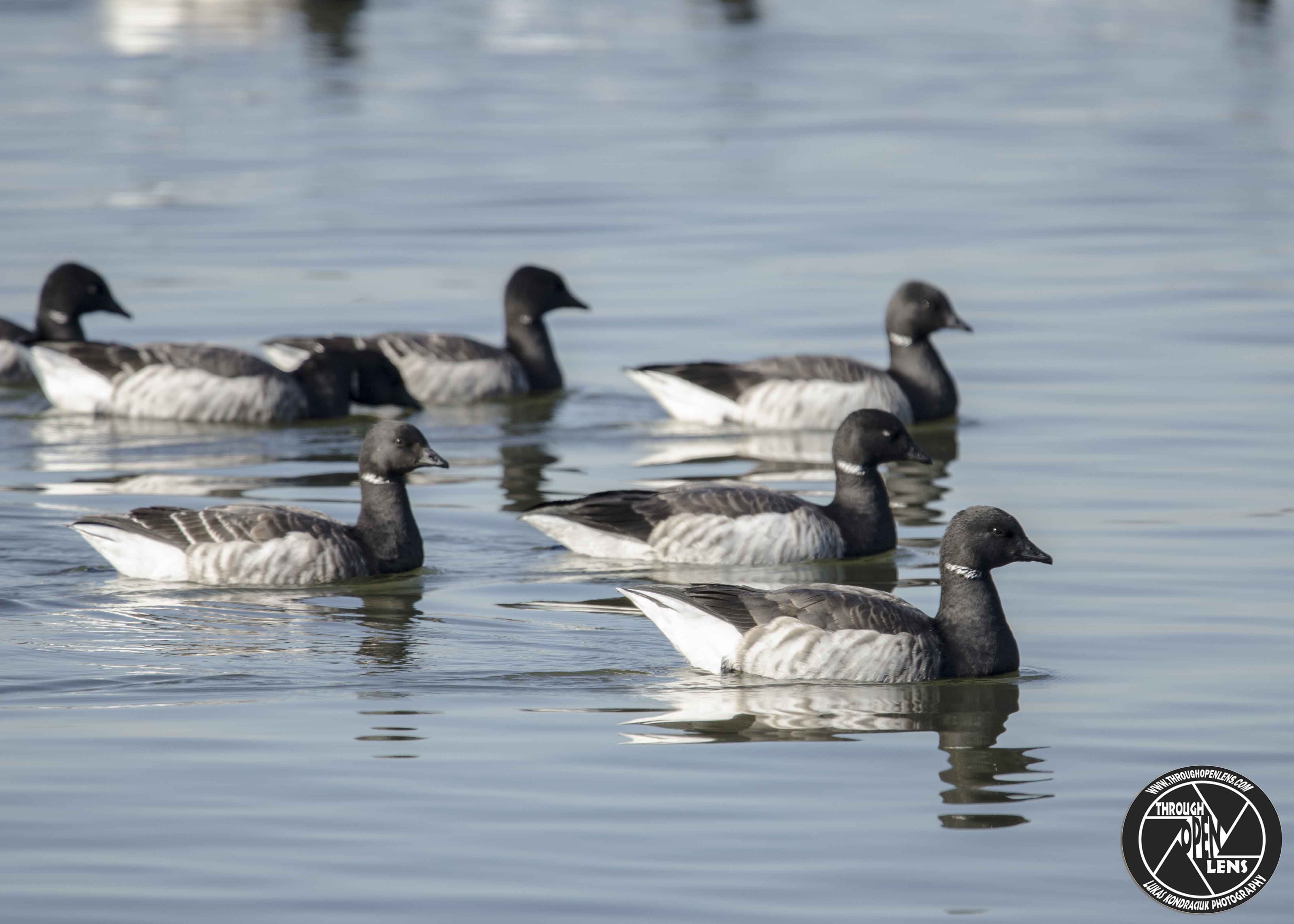
If You Can’t Convince Them, Confuse Them.

F/6.3, 1/500, ISO 200.

Brant

What kind of shoes do you make with banana skins?

Slippers!

Interesting Fact: The Brant is also known as the Brent Goose. The spelling “Brant” is the original one, with “Brent” being a later folk-etymological idea that it was derived from a classical Greek water bird name brenthos. It actually came from the guttural call note of the species. ( http://identify.whatbird.com/obj/290/overview/Brant.aspx )


When I Was Born I Was So Surprised I Didn’t Talk For A Year And Half

F/5.6, 1/800, ISO 250.

White-throated Sparrow

What do you call a fake noodle?

An Impasta

Interesting Fact:  White-throated Sparrows eat mainly the seeds of grasses and weeds, including ragweed and buckwheat, as well as fruits of sumac, grape, cranberry, mountain ash, rose, blueberry, blackberry, and dogwood. In summer they eat large numbers of insects that they catch on the forest floor or, occasionally on quick flights out from low vegetation. These include dragonflies, wasps, stinkbugs, beetles, flies, and caterpillars, as well as spiders, millipedes, centipedes, and snails. Parents feed their nestlings almost exclusively animal matter. During winter, White-throated Sparrows readily visit bird feeders for millet and black oil sunflower seeds. In spring they eat the tender buds, blossoms, and young seeds of oak, apple, maple, beech, and elm. ( https://www.allaboutbirds.org/guide/White-throated_Sparrow/lifehistory )


In Three Words I Can Sum Up Everything I’ve Learned About Life. IT GOES ON.

F/6.3, 1/640, ISO 200.

Canvesback

What do you call it when you have your Grandma on speed dial?

Instagram

Interesting Fact: Canvasbacks are social outside of the breeding season; they gather in large rafts by the thousands to tens of thousands. Only when winter food is scarce or clumped do they defend foraging areas against other Canvasbacks. ( https://www.allaboutbirds.org/guide/Canvasback/lifehistory )


Life Is Better When You’re Laughing

F/11.0, 1/500, ISO 320.

Laughing Gull  

Why do hamburgers go to the gym?

To get better buns

Interesting Fact: The Laughing Gull is normally diurnal, or active during the day. During the breeding season it forages at night as well. It usually looks for food along the beach at night, but will also hover to catch insects around lights. ( https://www.allaboutbirds.org/guide/Laughing_Gull/lifehistory )


I See You Watching Me!

brown-thrasher

F/6.3, 1/160, ISO 320.

Brown Thrasher

A bird was flying south for Winter, but he had left it too late and was frozen solid in a storm. He dropped down into a pasture of cows. The biggest, fattest cow was doing a crap there, and the bird landed in it.

At first he was disgusted, until he realised the poo was thawing him out! He started crying out for joy as the ice melted. A cat that was nearby heard the cries, walked over, saw the bird and ate it

There are three morals to this story:

1. Not everyone who gets you into sh*t is your enemy

2. Not everyone who gets you out of sh*t is your friend

3. If you are in s#!t, keep your mouth shut

Interesting Fact: Brown Thrashers are accomplished songsters that may sing more than 1,100 different song types and include imitations of other birds, including Chuck-will’s-widows, Wood Thrushes, and Northern Flickers. ( https://www.allaboutbirds.org/guide/Brown_Thrasher/lifehistory )

I Was Going To Give You A Nesty Look… But I See You Already Have One…

osprey-1

F/7.1, 1/800, ISO 200.

Osprey

Why doesn’t Dracula have any friends?

Because he is a pain in the neck.

Interesting Fact: An Osprey may log more than 160,000 migration miles during its 15-to-20-year lifetime. Scientists track Ospreys by strapping lightweight satellite transmitters to the birds’ backs. The devices pinpoint an Osprey’s location to within a few hundred yards and last for 2-3 years. During 13 days in 2008, one Osprey flew 2,700 miles—from Martha’s Vineyard, Massachusetts, to French Guiana, South America.  ( https://www.allaboutbirds.org/guide/Osprey/lifehistory )

Will You Be My Valentine?!

F/6.3, 1/1000, ISO 450.

Mute Swan

What do you call a funny chicken?

A comedi-hen

Interesting Fact: Mute Swans form long-lasting pair bonds. Their reputation for monogamy along with their elegant white plumage has helped establish them as a symbol of love in many cultures. ( https://www.allaboutbirds.org/guide/Mute_Swan/lifehistory )

Bonus Valentine Facts:  Feb. 14 was officially designated St. Valentine’s Day in 1537 by King Henry VII of England. ( http://www.ibtimes.com/valentines-day-facts-history-fun-ideas-free-burritos-singles-awareness-other-things-1813226 )